Lighting is often misunderstood by aquarium hobbyists. Too little light stunts plants; too much light causes algae outbreaks. This guide explains the science of aquarium lighting — PAR, Kelvin, spectrum, and photoperiod — so you can choose the right fixture for your tank type.
Understanding PAR (Photosynthetically Active Radiation)
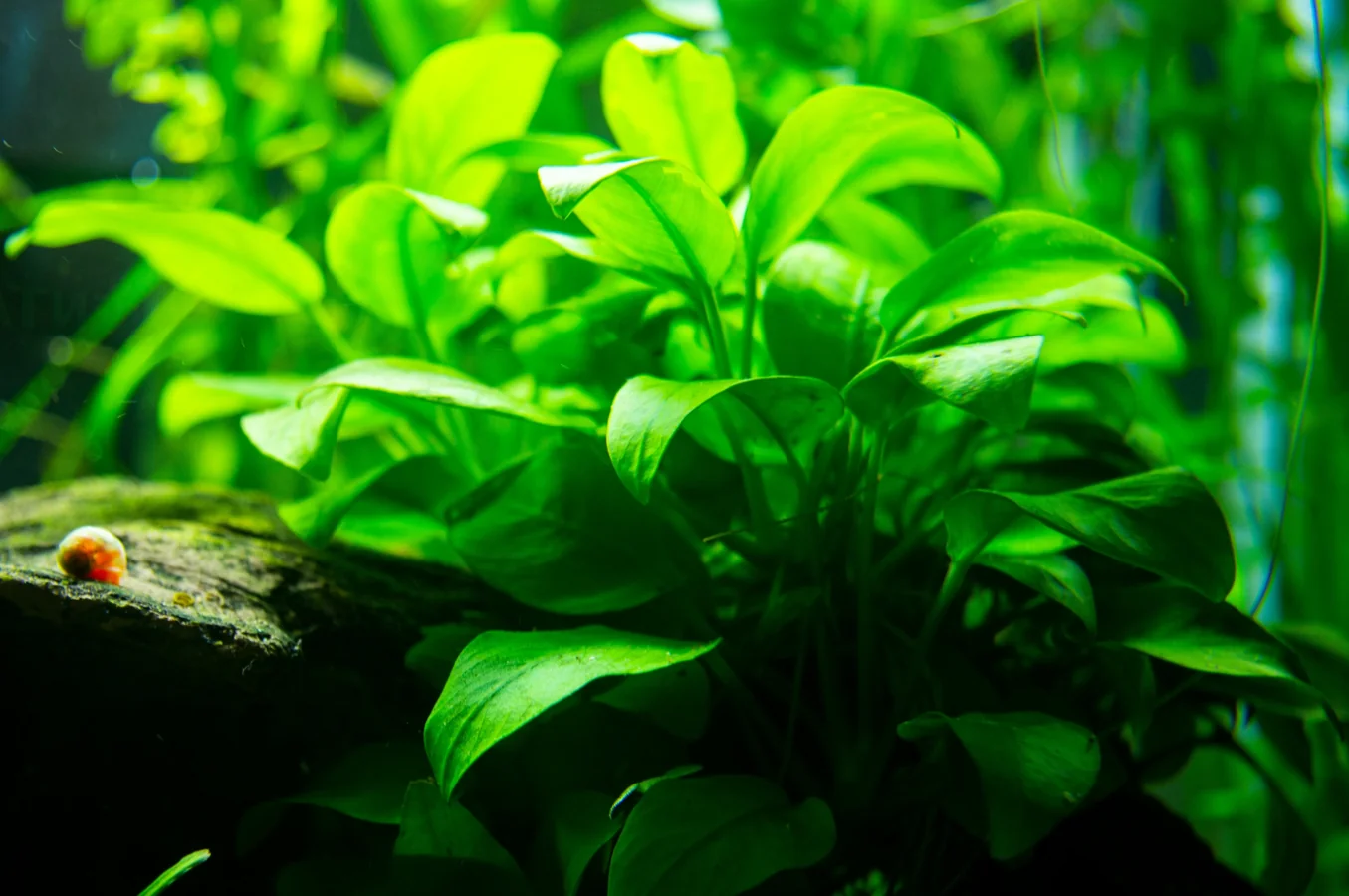
PAR measures the light intensity that plants actually use for photosynthesis (400-700nm wavelength). It's measured in µmol/m²/s (micromoles per square meter per second). Unlike watts or lumens, PAR directly predicts plant growth. Low-light plants (Anubias, Java fern, mosses) need 10-30 PAR. Medium-light plants (Cryptocoryne, swords, most stem plants) need 30-80 PAR. High-light plants (carpeting plants, red plants, demanding species) need 80-150+ PAR. Most standard LED fixtures provide 20-50 PAR at substrate depth in a typical 18-inch tall tank. Without a PAR meter (expensive), use a smartphone light meter app (measures lux) — as a rough estimate: 50 lux = 1 PAR for white LED (not accurate but workable).
Kelvin (Color Temperature)
Kelvin (K) describes the visual color of light. Lower Kelvin (3000-5000K) appears warm/yellow; higher Kelvin (6500-10000K) appears cool/blue. For freshwater planted tanks, aim for 6500K-7500K — this mimics natural sunlight and makes green plants pop. For reef tanks, 10,000K-15,000K provides the blue spectrum that coral fluorescent proteins need. For fish-only tanks, color temperature is purely aesthetic — choose whatever looks best to you.
Spectrum and Plant Needs
Plants use red (660nm) and blue (450nm) wavelengths most efficiently. Green light is mostly reflected (why plants are green), but some green light penetrates deeper in water. Full-spectrum LEDs that include red, blue, and green produce good plant growth and natural fish coloration. Avoid lights labeled "actinic" or super-blue except for saltwater — freshwater plants grow poorly under blue-only light.
Light Intensity by Tank Type
- Fish-only freshwater: Any basic LED is fine. Aim for low to moderate intensity (20-40 PAR). Too much light causes algae without plant competition.
- Low-tech planted (no CO2): 20-50 PAR at substrate. Use medium intensity LED. Limit photoperiod to 6-7 hours.
- High-tech planted (with CO2 injection): 50-150 PAR at substrate. High-output LEDs or T5 fluorescent. Requires CO2 supplementation to match high light, or algae will dominate.
- Saltwater reef (with corals): 100-300 PAR for LPS/soft corals, 300-600+ PAR for SPS corals. Specialized reef LED fixtures with adjustable spectrum.
Choosing the Right Fixture Type
Standard LED strips: Best for beginners and low-light planted tanks. Inexpensive, energy-efficient, long-lasting (50,000+ hours). Example: Nicrew, Fluval Plant Nano, AquaSky. For 20-gallon standard tank, a 20-30 watt LED is adequate for low-light plants.
High-output LEDs: For medium to high-light planted tanks. Dimmable, often with programmable timers and spectrum control. Examples: Chihiros WRGB, Twinstar, Fluval Plant 3.0, Kessil A360X. Higher upfront cost ($150-400) but better plant growth and color rendering.
T5 Fluorescent: Older technology but still excellent for plant growth. High output, even coverage. Bulbs need replacement every 9-12 months (spectrum shifts).
Refugium lights (saltwater): Specialized red-spectrum LEDs for growing macroalgae in sumps.
Photoperiod and Algae Prevention
Photoperiod = hours of light per day. For low-tech tanks: 6-8 hours. For high-tech (with CO2): 8-10 hours. Never exceed 10 hours in any planted tank. Use a timer — consistency is critical. A split photoperiod (4 hours on, 2 off, 4 on) can help algae control by interrupting continuous exposure, but plants adapt to any schedule. "Sunrise/sunset" dimming features (available on many LEDs) reduce stress for fish and prevent sudden algae triggers from instant bright light.
Signs of Improper Lighting
Too much light: Green hair algae, spot algae on glass, plants turn yellow/pale (photoinhibition). Solution: reduce intensity (dim light) or raise fixture height, or reduce photoperiod.
Too little light: Plants grow leggy (long stems with few leaves), bottom leaves die, slow growth, no pearling (oxygen bubbles). Solution: upgrade light or move fixture closer to water surface.
Wrong spectrum: Plants appear dull brown/grey. Fish colors wash out. Solution: choose 6500K-7500K full-spectrum light.
Lighting for Plant Carpeting Species
Carpeting plants (Dwarf baby tears, Monte Carlo, Glossostigma) require high light (80-120 PAR at substrate) AND CO2 injection. Without both, they won't carpet — they'll grow upward or die. For low-tech tanks, use easier carpets like Marsilea hirsuta or Microsword, which tolerate lower light.
DIY Lighting Considerations
While you can use shop LED lights (5000K-6500K), they often lack sufficient PAR for plants beyond 12 inches depth. They also aren't waterproof — humidity damages them quickly. If budget is tight, use a hygger or Nicrew submersible LED (safe, cheap). For a 10-gallon tank, a simple clip-on LED grow bulb (6500K) in a desk lamp works for easy plants.