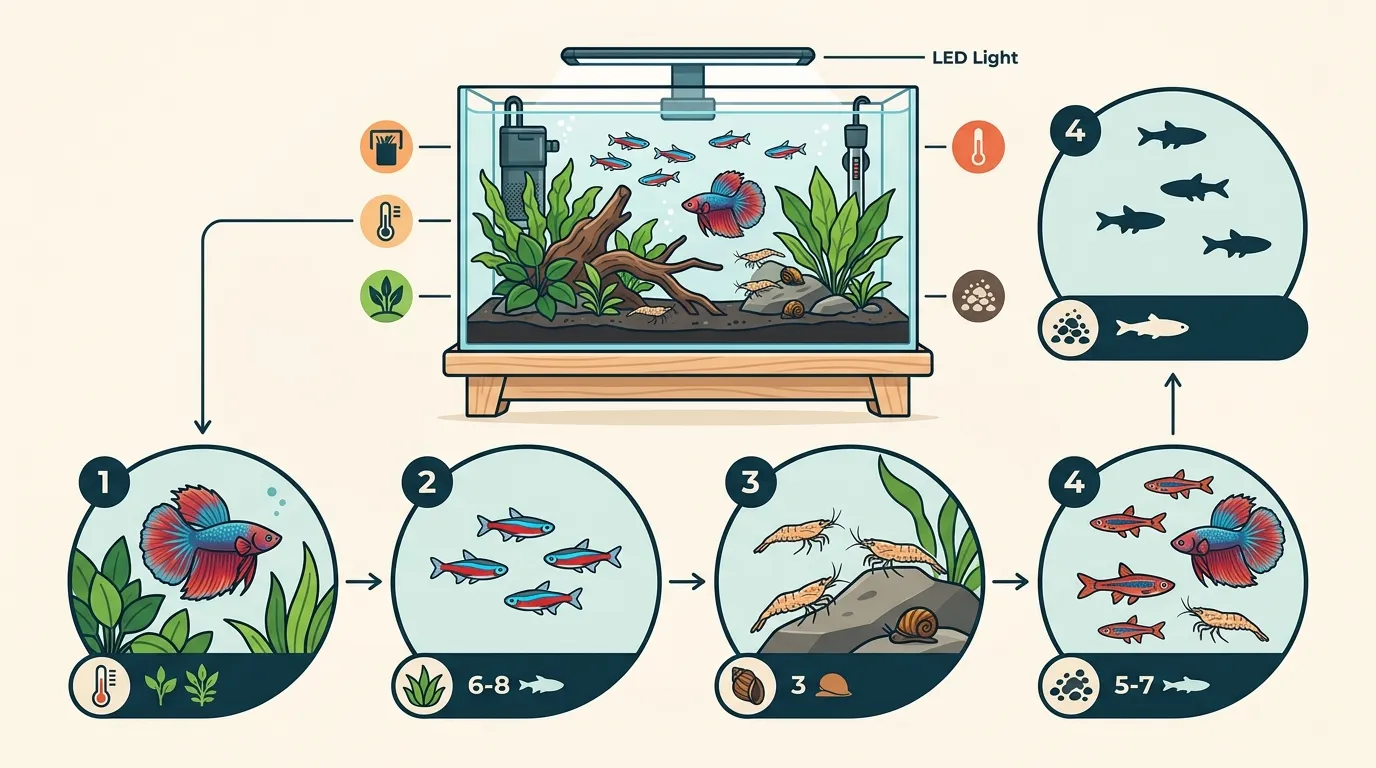
10 Gallon Fish Tank Stocking Guide: Nano Species, Bioload & Care
Evidence-based 10-gallon stocking guidance covering true nano species, single centerpiece options, and invertebrates, with bioload and spatial guidance.
Deep dives into nitrogen cycling, bioload management, planted aquascapes, and fish health from our editorial team.
Evidence-based 10-gallon stocking guidance covering true nano species, single centerpiece options, and invertebrates, with bioload and spatial guidance.
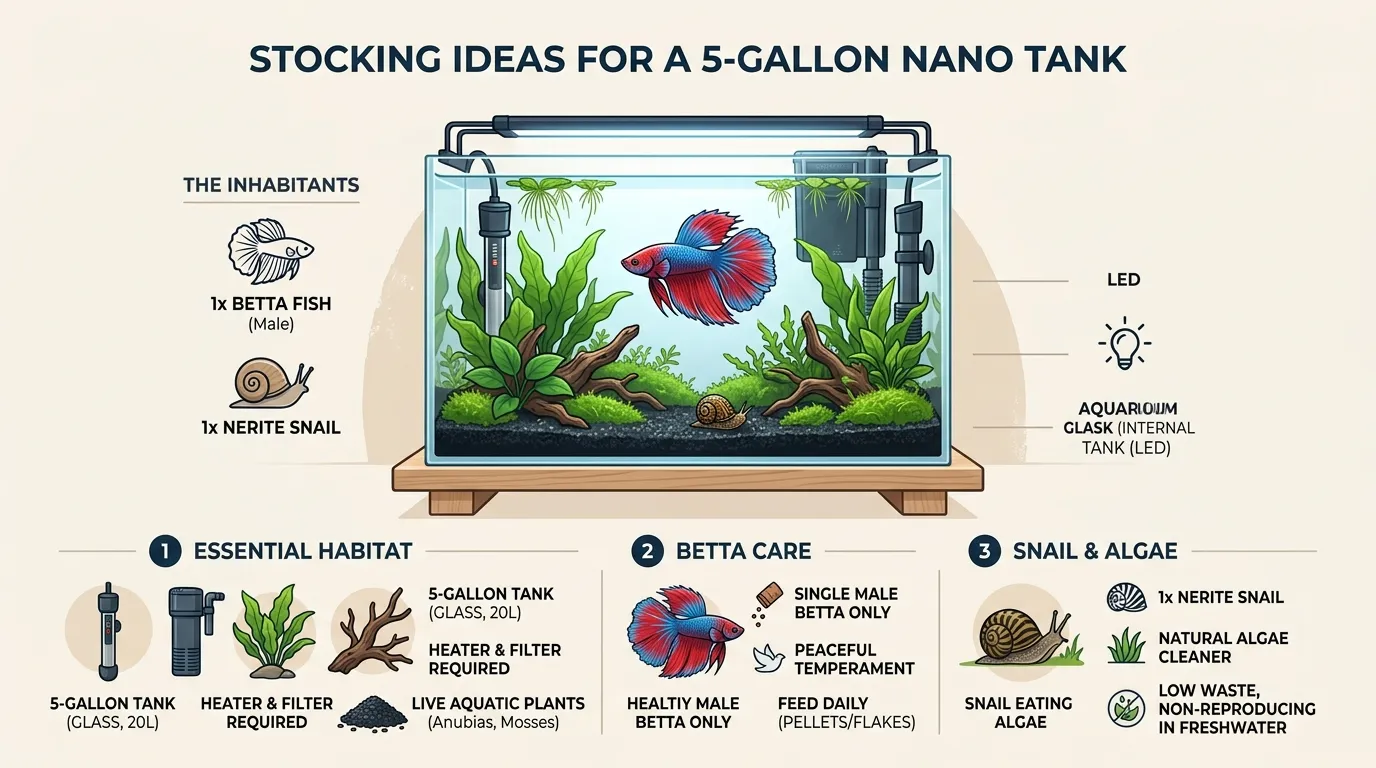
Practical 5-gallon stocking plans covering Betta fish, shrimp, snails and carefully selected nano options, with equipment, bioload and maintenance guidance.
Understand what Bubbles Per Second (BPS) really means, why it is a flow-rate measure rather than a concentration rule, and how to dial in your CO2 safely.
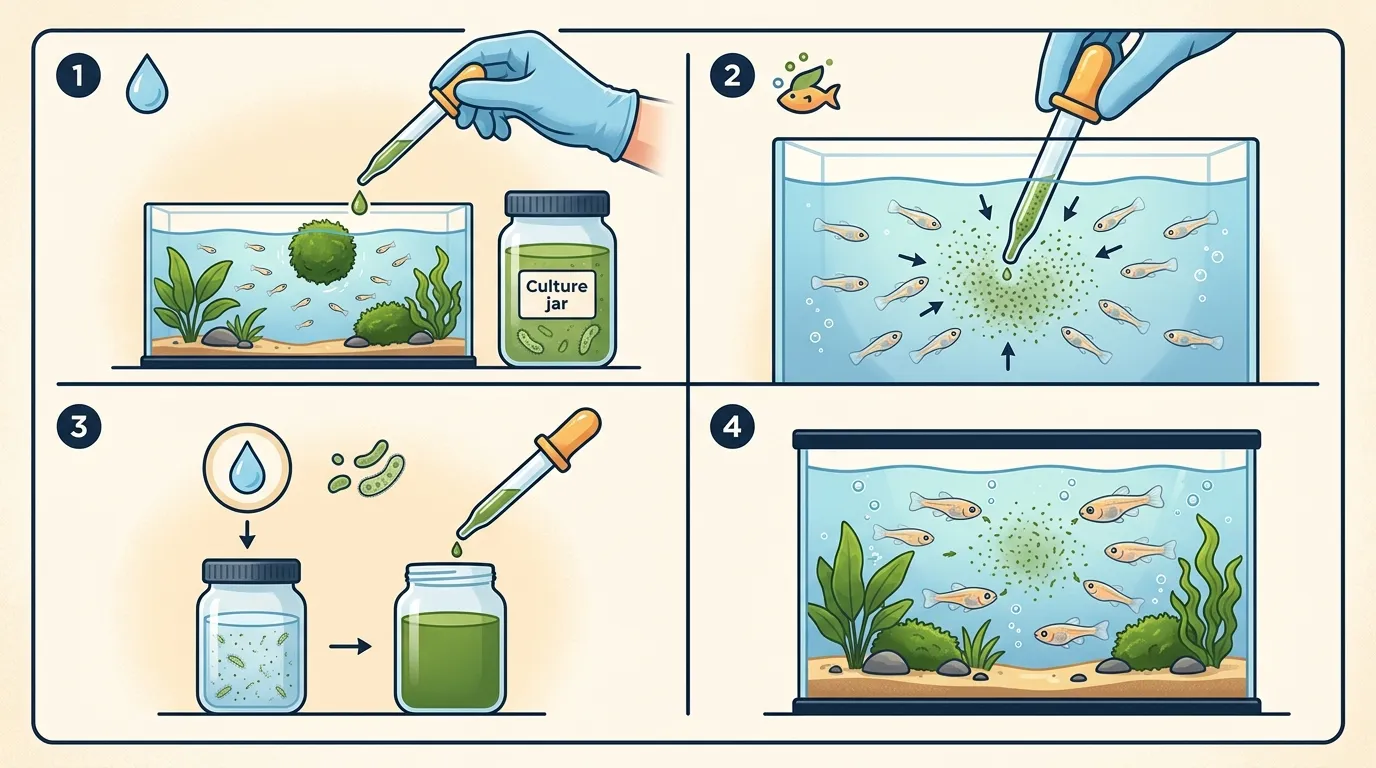
A developmental guide to fish fry feeding, from endogenous reserves and first foods to changing particle size and feeding requirements.
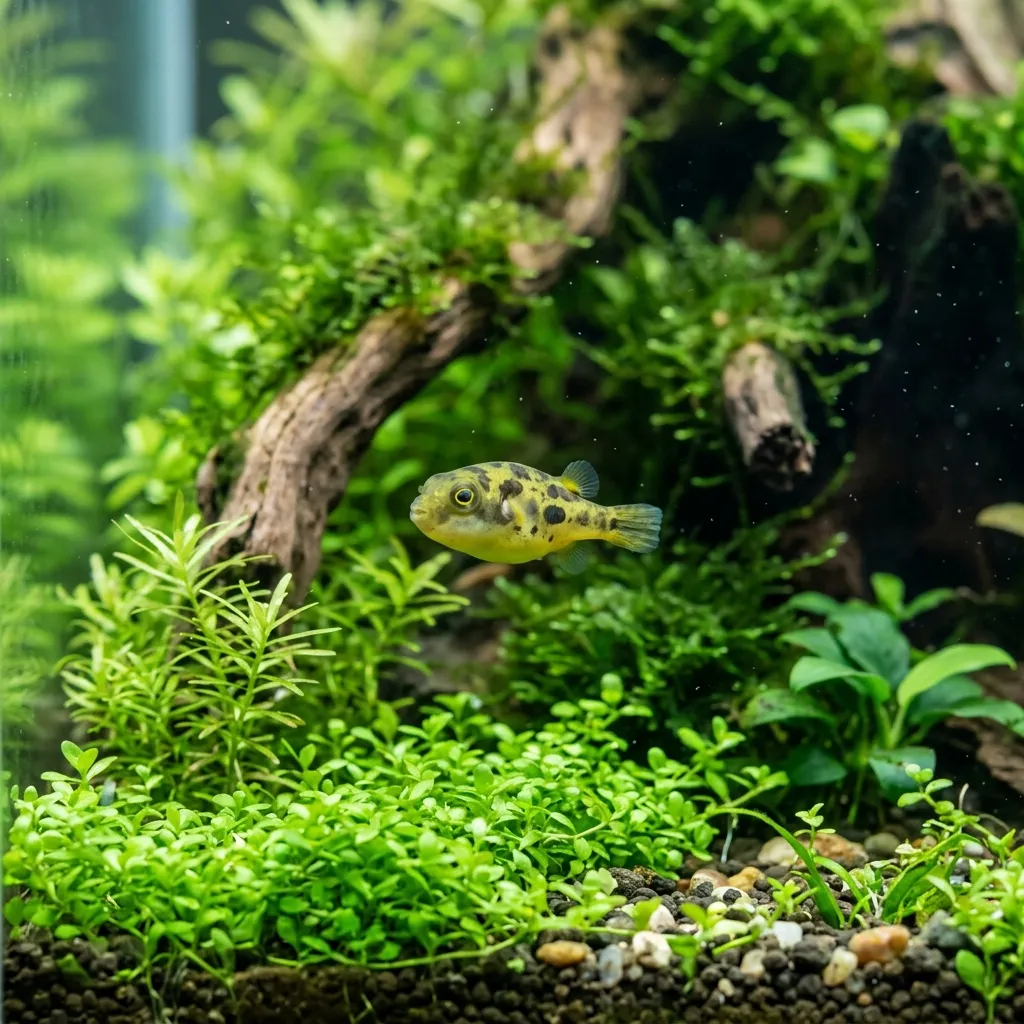
A practical guide to pea puffer diet, suitable prey, feeding behavior, prey-size considerations and feeding observation.
Understand PAR, light intensity, and photoperiod in planted aquariums, and learn why watts-per-gallon is an unreliable way to compare modern aquarium lights.
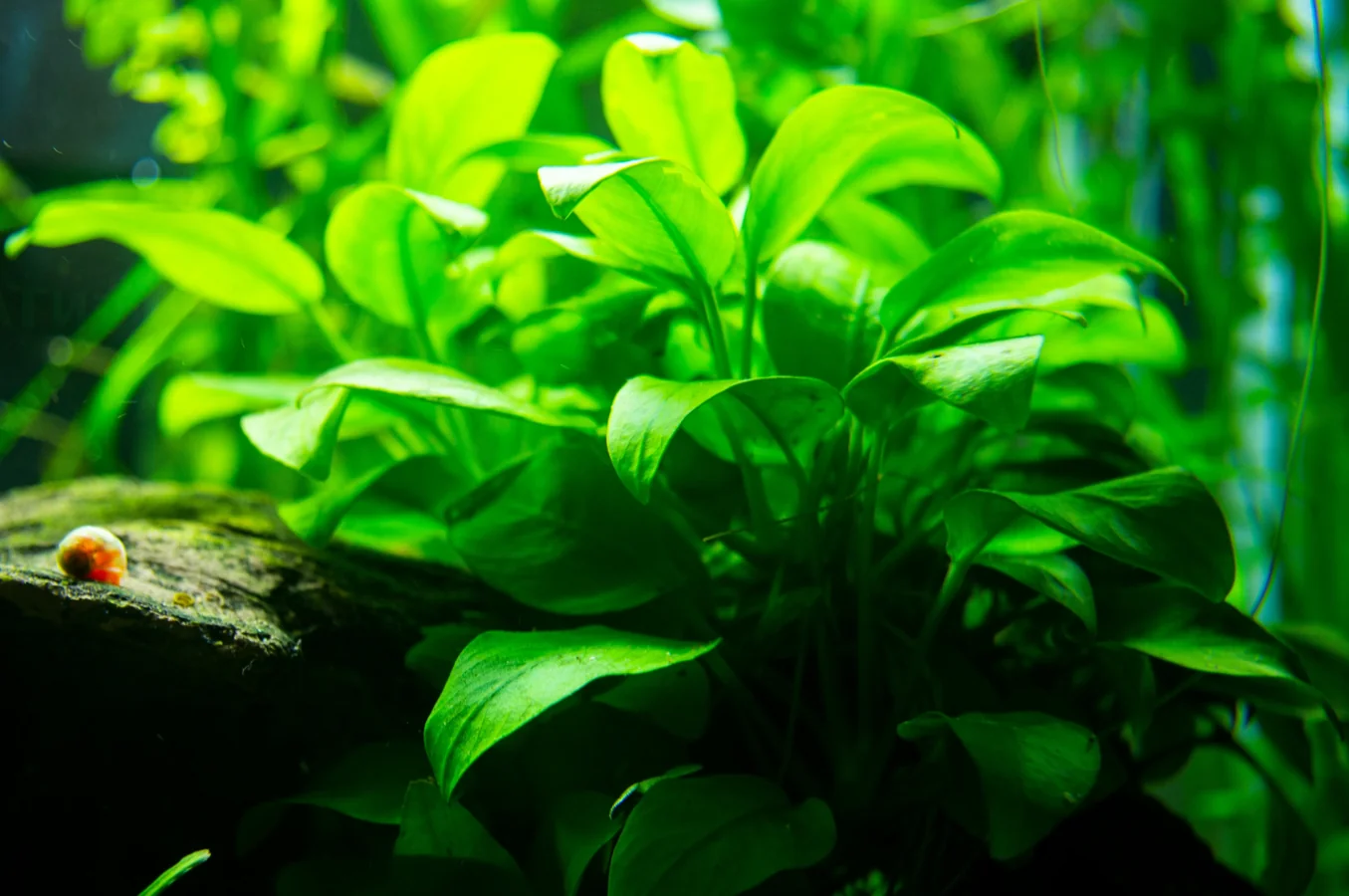
High-tech planted tanks use injected CO2, intense lighting, and precise fertilization to achieve explosive growth and support the most demanding aquatic plants.
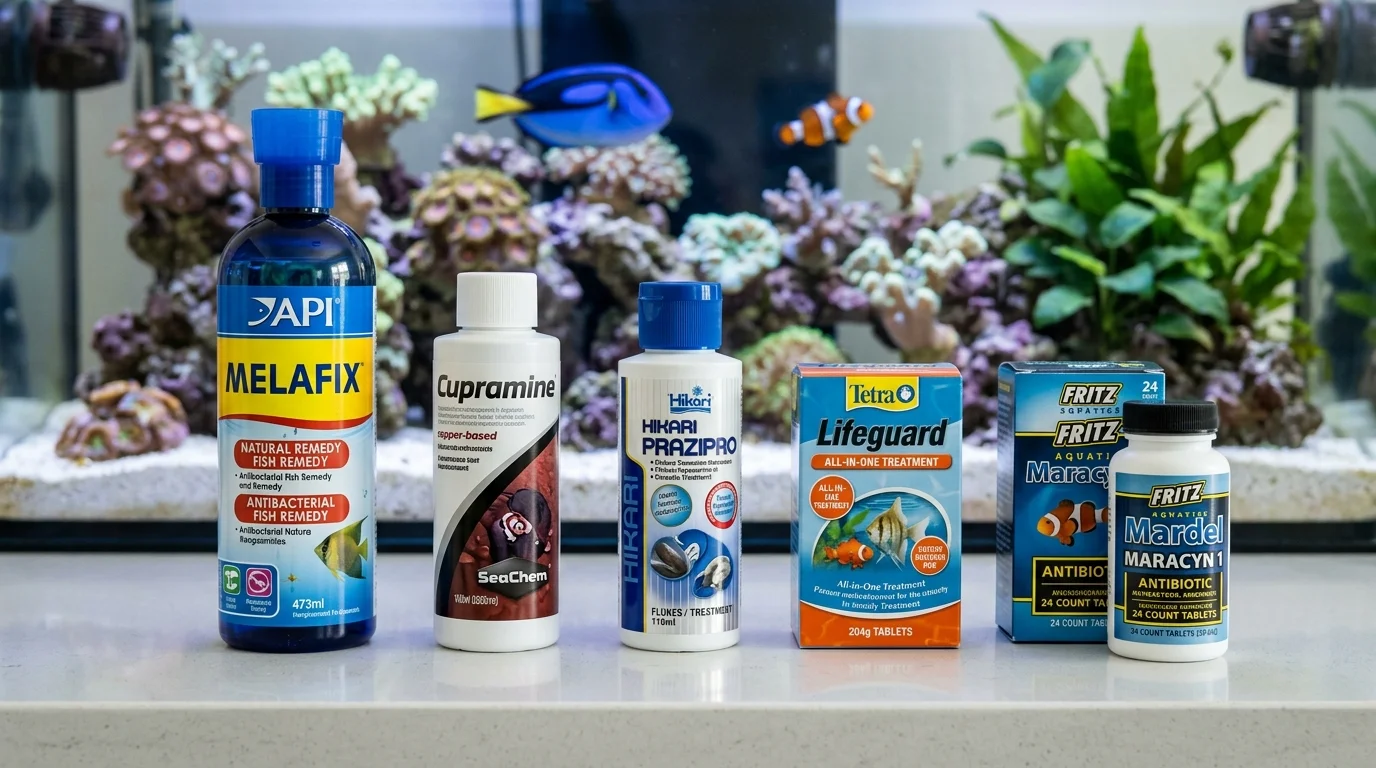
Compare aquarium medications based on active ingredients, veterinary pharmacology, filter safety, and manufacturer indications.
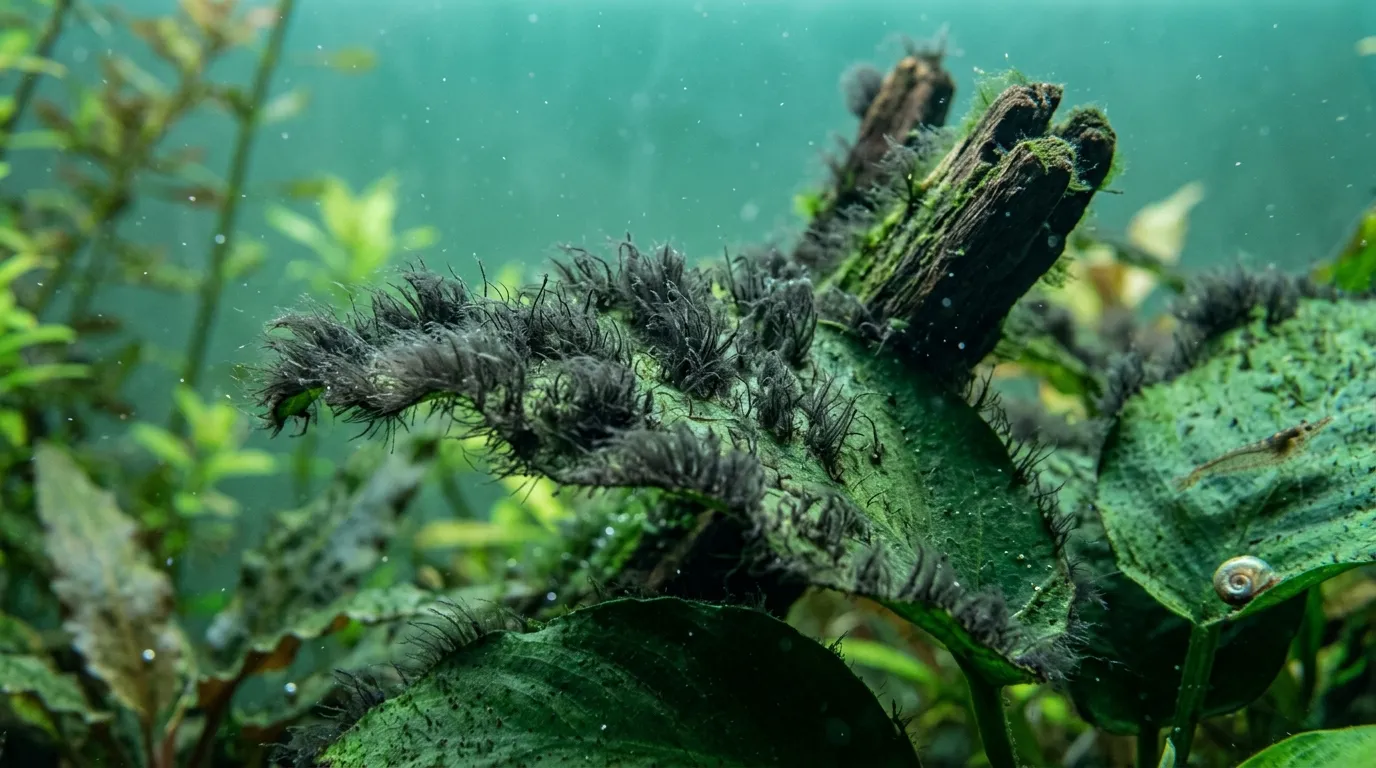
Identify black beard algae, find what is causing it, and remove it with a safe step-by-step treatment ladder, from trimming to peroxide, liquid carbon and dips.
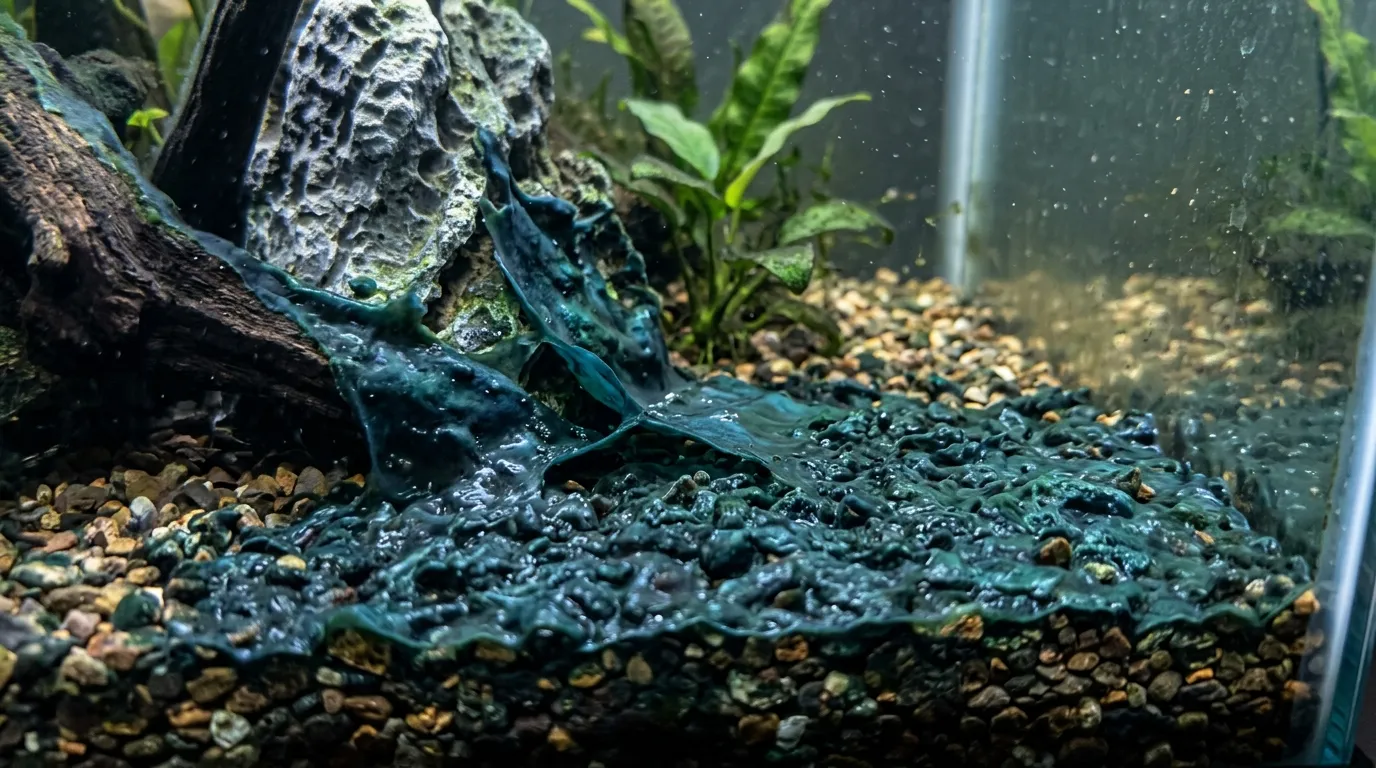
Cyanobacteria forms a slimy, musty-smelling film in low-flow aquarium zones. It's a bacteria, not algae -- here's how to remove it safely and stop it coming back.
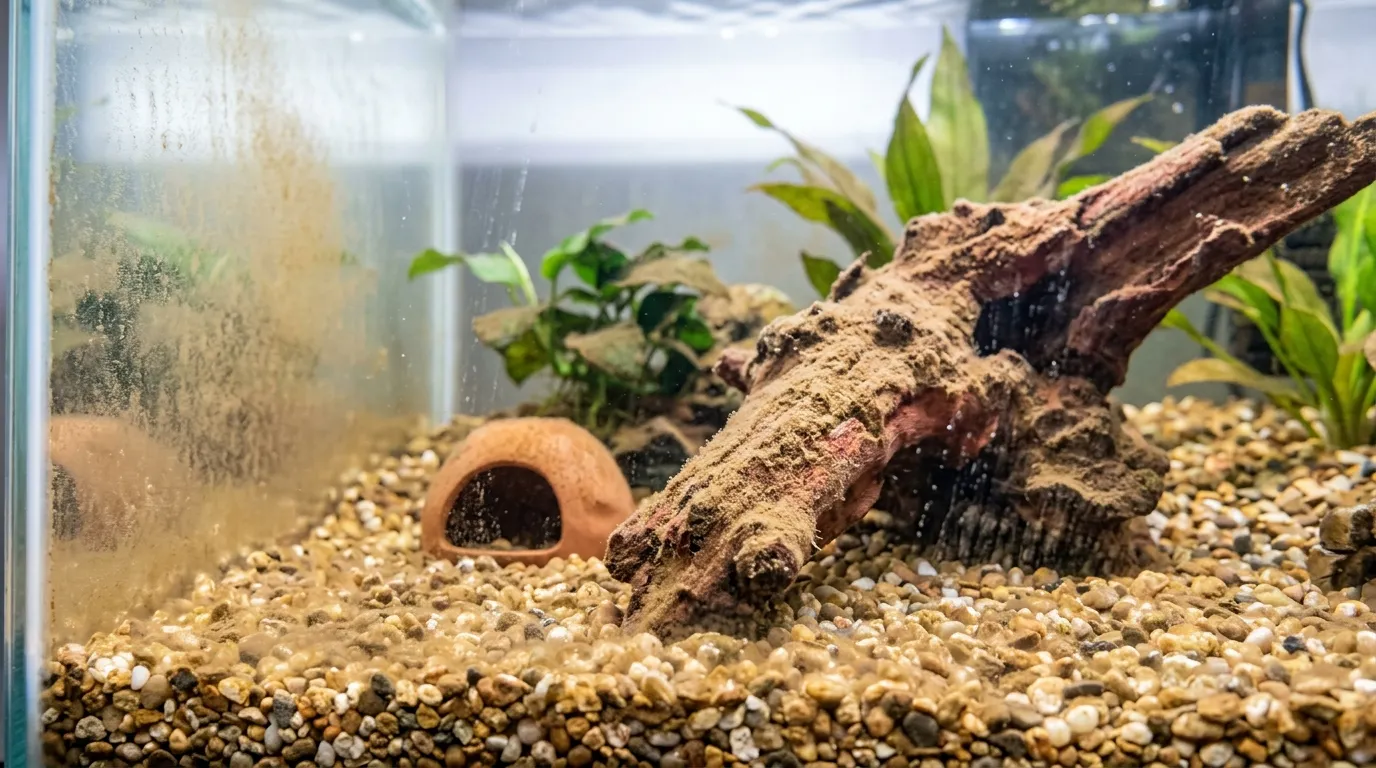
Brown diatom algae is a normal new-tank phase, not a problem. Learn why it appears, how long it lasts, and how Otocinclus and nerite snails help clear it faster.
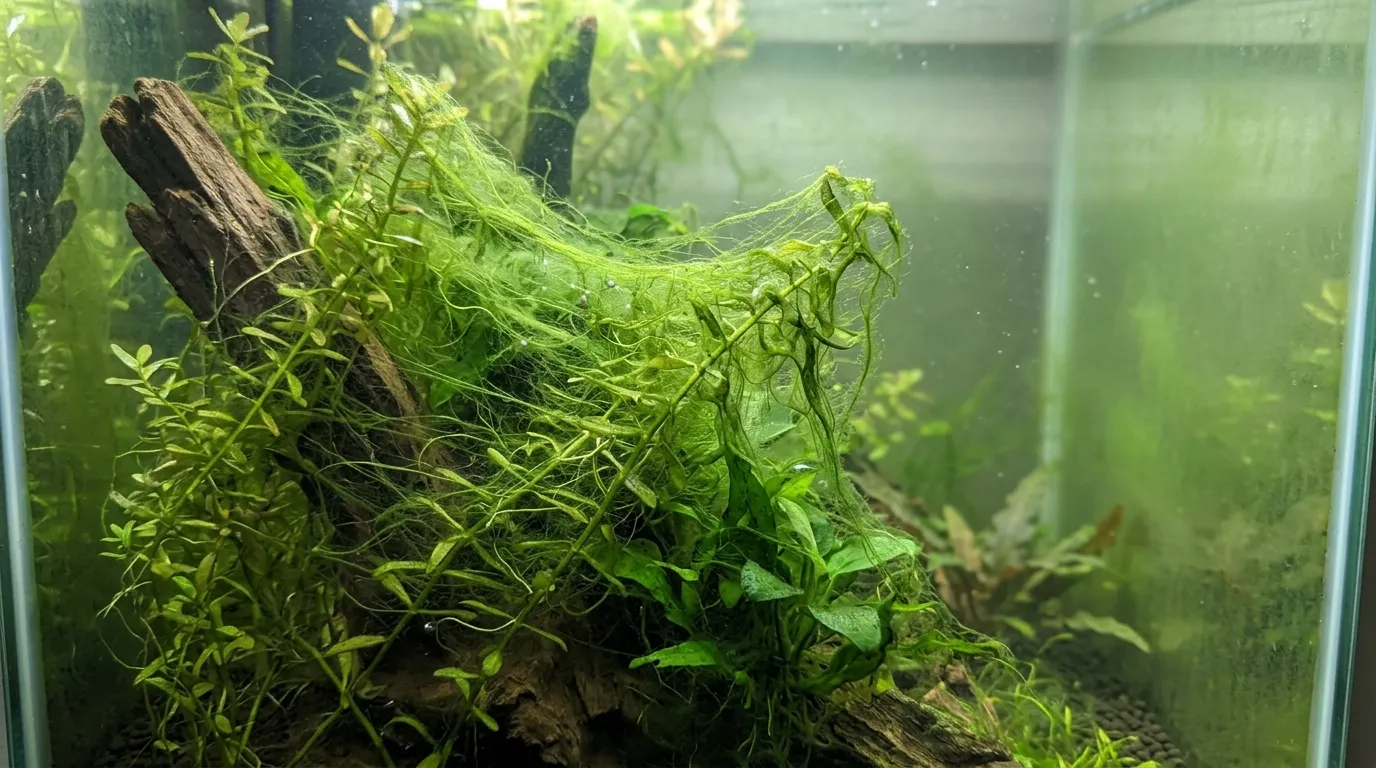
Green hair algae spreads fast in planted tanks when light exceeds CO2 and nutrients. Manual removal with a toothbrush plus a balanced dosing routine stops it for good.