Disease Intelligence Center
What's Wrong With Your Fish?
Search symptoms, diseases, or treatments to identify problems quickly.
Disease Intelligence Center
Search symptoms, diseases, or treatments to identify problems quickly.
Priority 1
High-risk conditions to check first when fish are gasping, collapsing, or dying fast.
A lethal gram-negative bacterial infection that mimics fungus and kills fish within 48 hours without prompt antibiotics.
A critical fluid-retention syndrome causing pinecone scales from bacterial kidney infection.
A highly contagious protozoan parasite producing white salt-grain spots that can kill entire tank populations without prompt treatment.
A highly lethal, microscopic parasite that coats the fish in a fine, rust-colored or gold dust-like film, causing severe respiratory distress.
Primary navigation
Use symptoms first, not disease names. Selecting a symptom filters the disease list below.
Most common
Compact editorial cards with severity, water type, contagious status, and top symptoms.
A progressive bacterial infection that frays and destroys fin tissue, typically triggered by poor water quality.
A critical fluid-retention syndrome causing pinecone scales from bacterial kidney infection.
A buoyancy disorder causing fish to float upside down, sink, or struggle to swim upright, often linked to overfeeding or genetics.
Browse
Action
Bridge disease identification with the calculators people need right away.
Calculator
Enter your test kit reading (TAN), pH, and temperature — get an instant SAFE or LETHAL verdict for Free Ammonia (NH3). Built for API Master Kit users, cichlid tanks, reef setups, and fish breeders.
Calculator
Nitrite poisoning — known as Brown Blood Disease — can silently suffocate your fish even in a crystal-clear, well-oxygenated tank. This calculator factors in your actual pH and water temperature to show you exactly how toxic your nitrite reading is right now, and what you need to do about it.
Calculator
Calculate safer water change percentages for nitrate reduction, emergency dilution, routine maintenance, and stable aquarium water quality. Enter your tank volume, current and target levels — get exact gallons, serial change plans, and safety warnings for sensitive species.
Calculator
Enter your tank size, substrate displacement, and medication type — get an exact safe dose based on true net water volume. Includes scaleless fish half-dose warnings for copper, formalin, and malachite green treatments.
Calculator
Use the Coexistence Lab to cross-reference temperaments, temperature bounds, pH ranges, and swimming depths of freshwater species before adding them to your aquarium. Prevent territorial disputes, physical injury, and chemical shock before you buy.
Treatment journey
Prevention & learning
Keep disease from coming back with quarantine, water quality, and prevention guides.
Directory
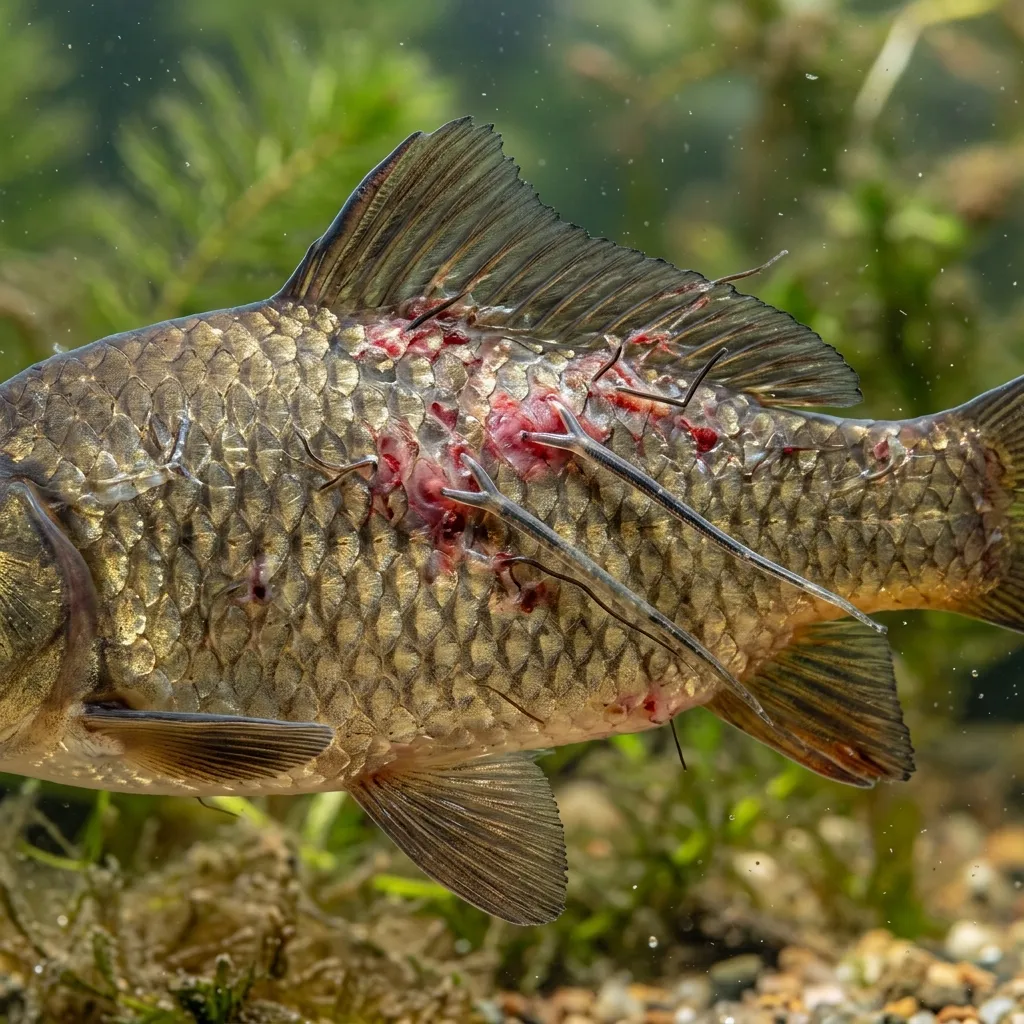
Visible crustacean parasites that embed in koi and goldfish skin, causing ulcerative wounds.
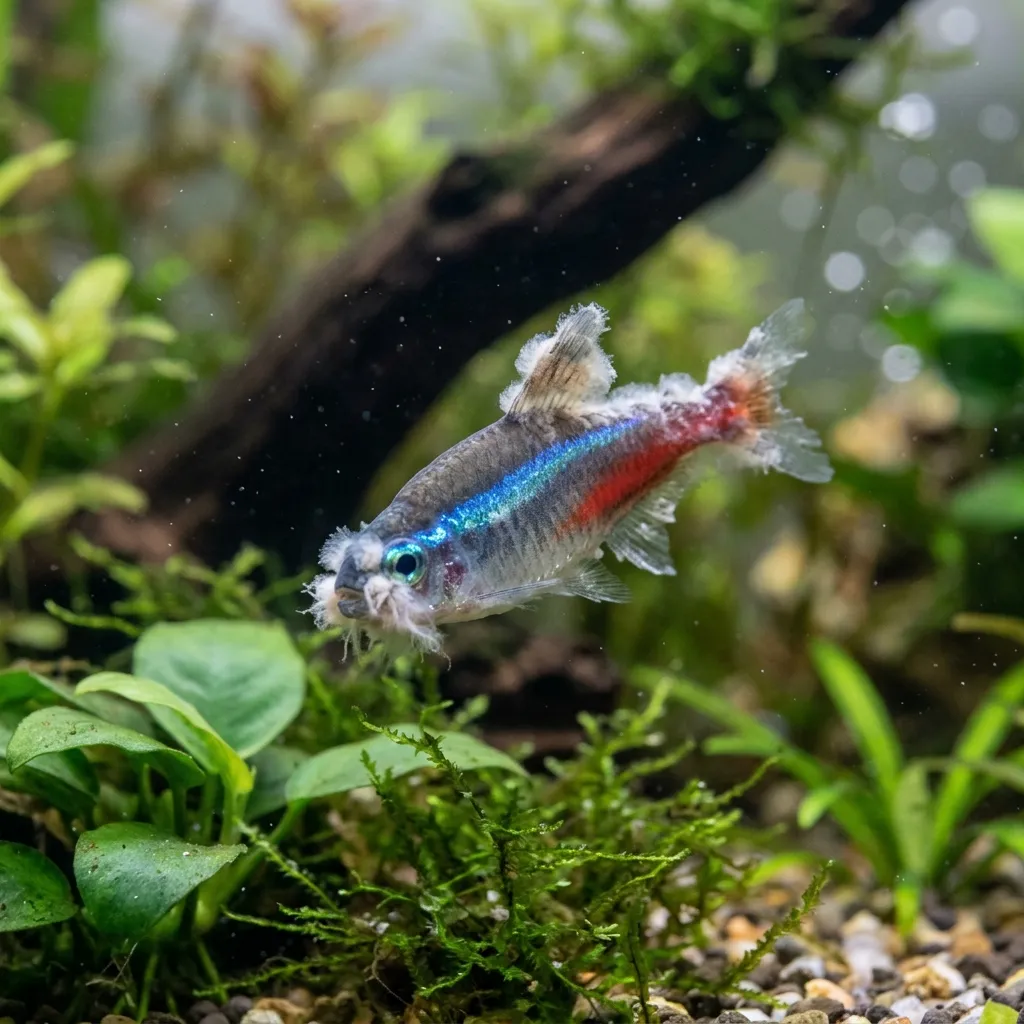
A lethal gram-negative bacterial infection that mimics fungus and kills fish within 48 hours without prompt antibiotics.
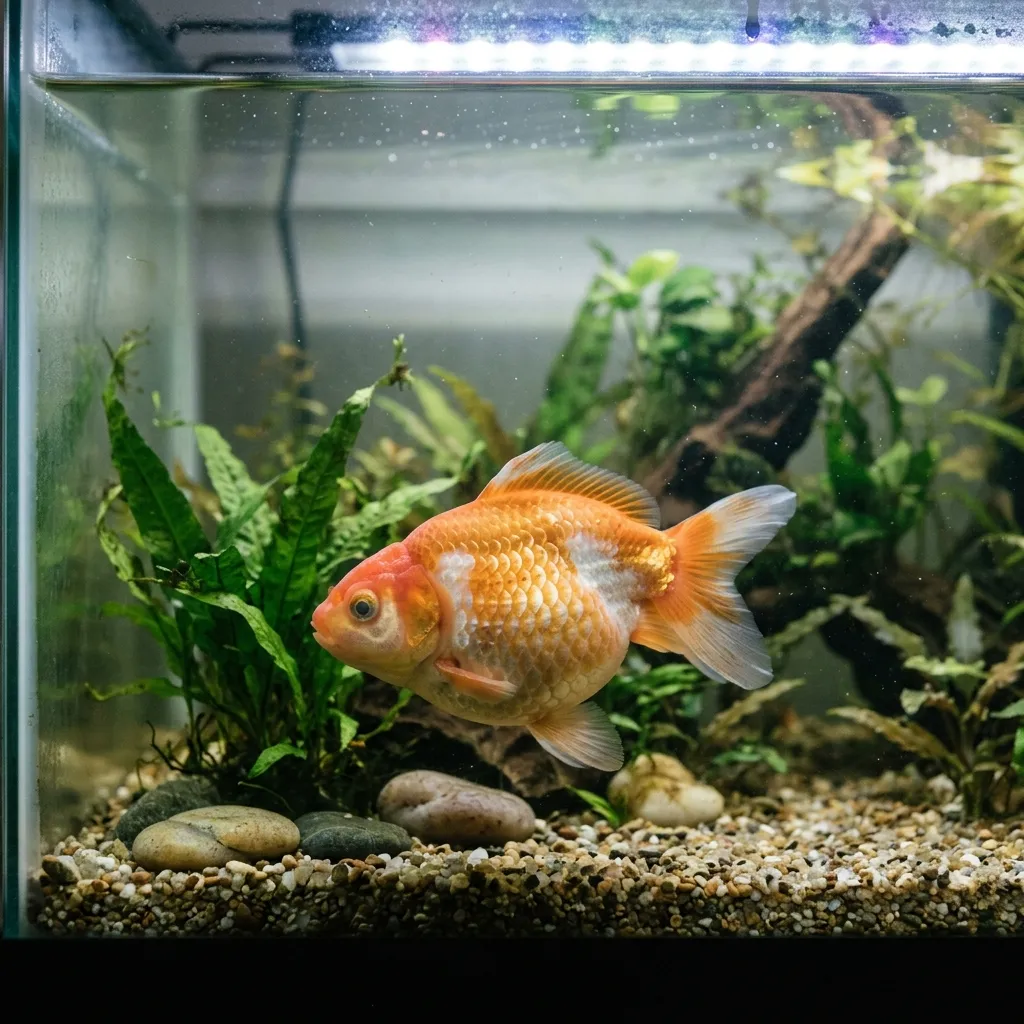
A critical fluid-retention syndrome causing pinecone scales from bacterial kidney infection.
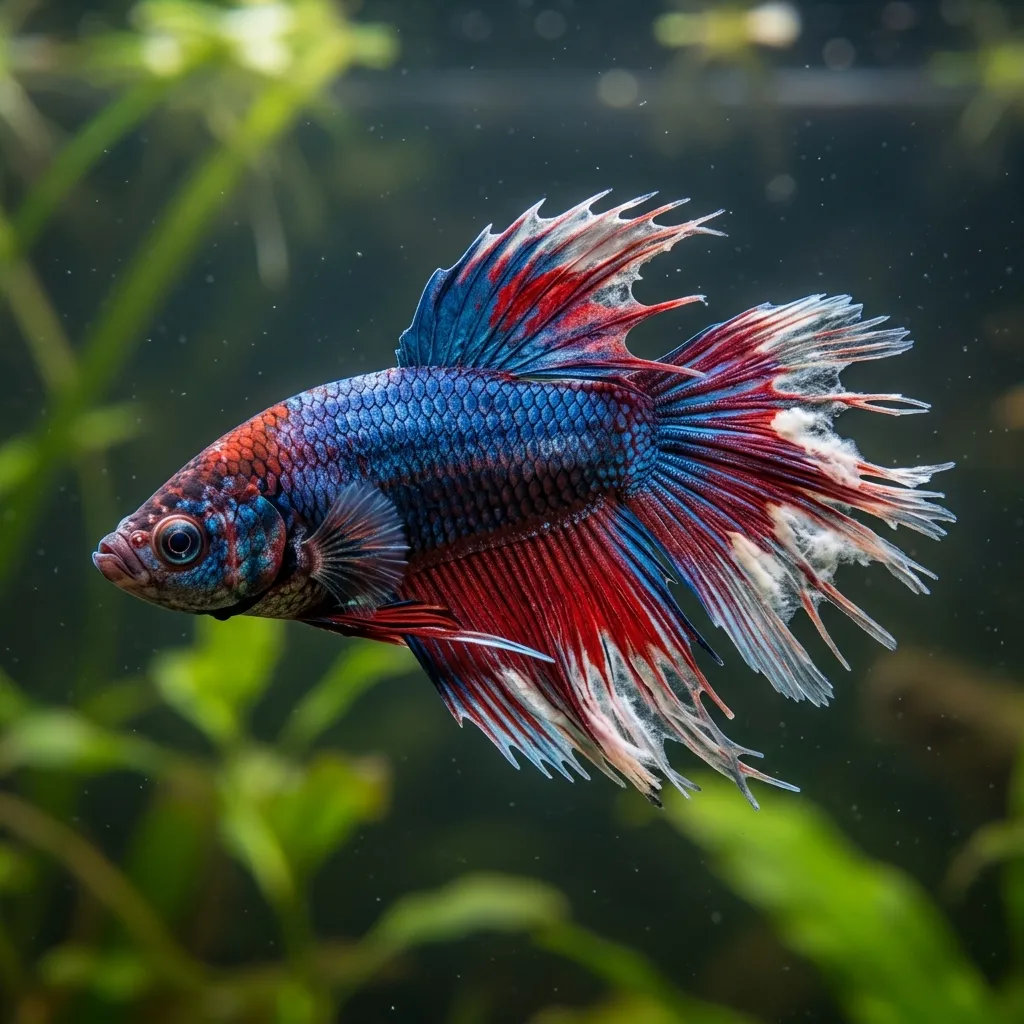
A progressive bacterial infection that frays and destroys fin tissue, typically triggered by poor water quality.
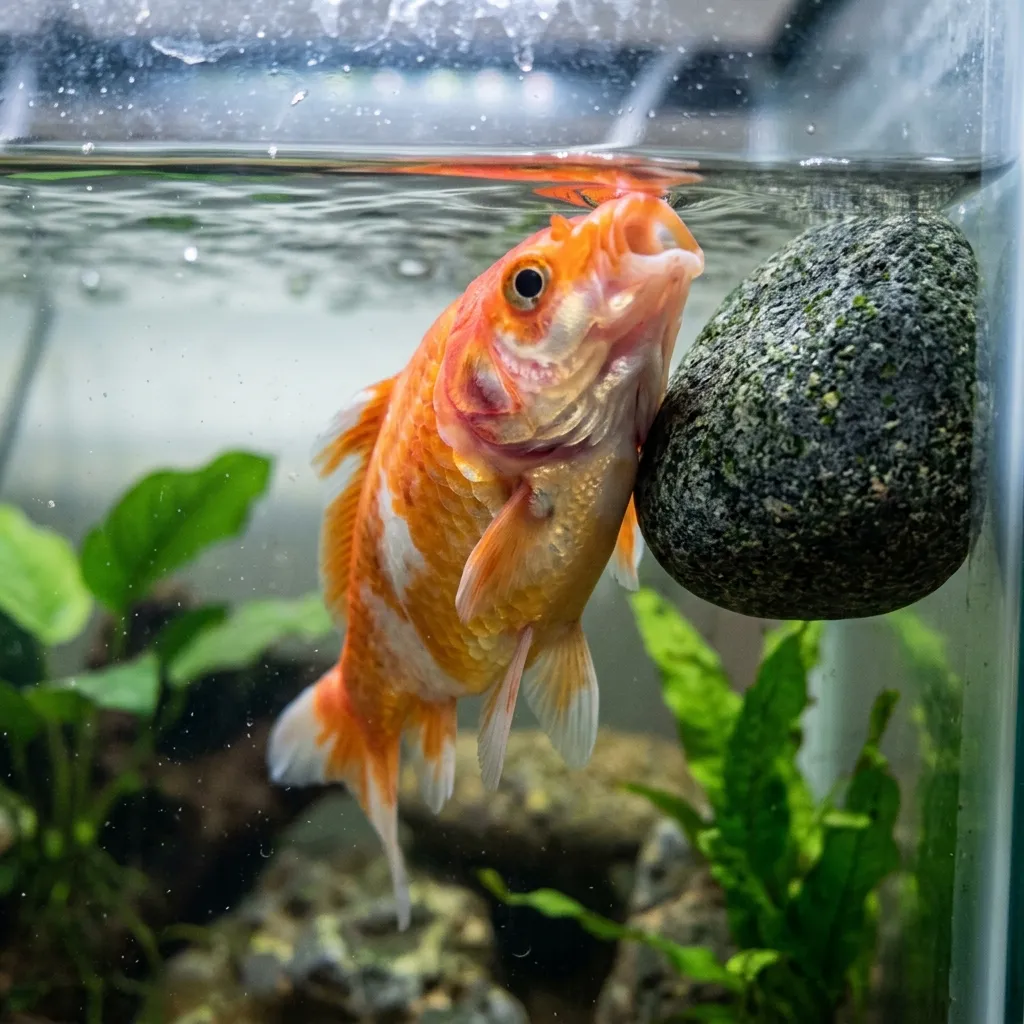
Microscopic flatworm parasites that infest gills and skin, causing severe itching, flashing, and respiratory distress.
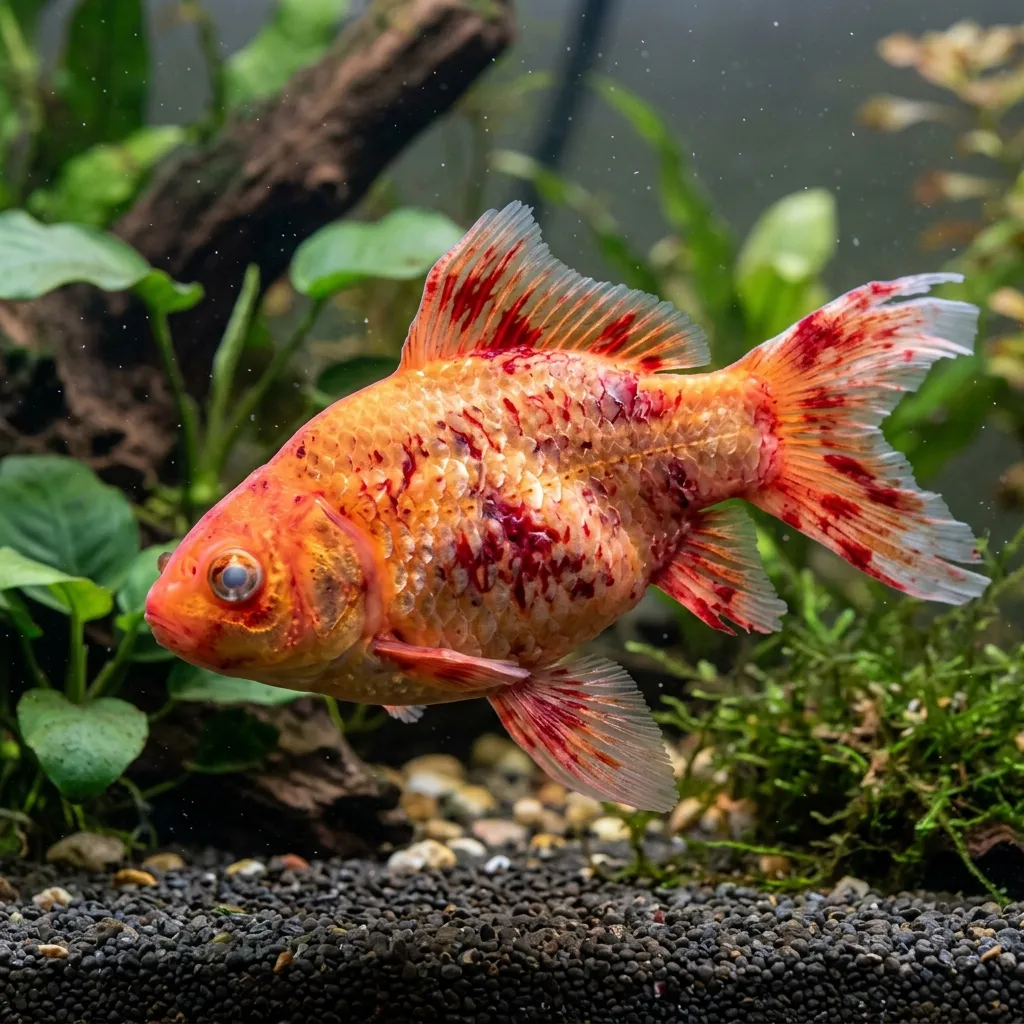
A lethal bacterial bloodstream infection causing red streaks, hemorrhaging, and organ failure in stressed fish.
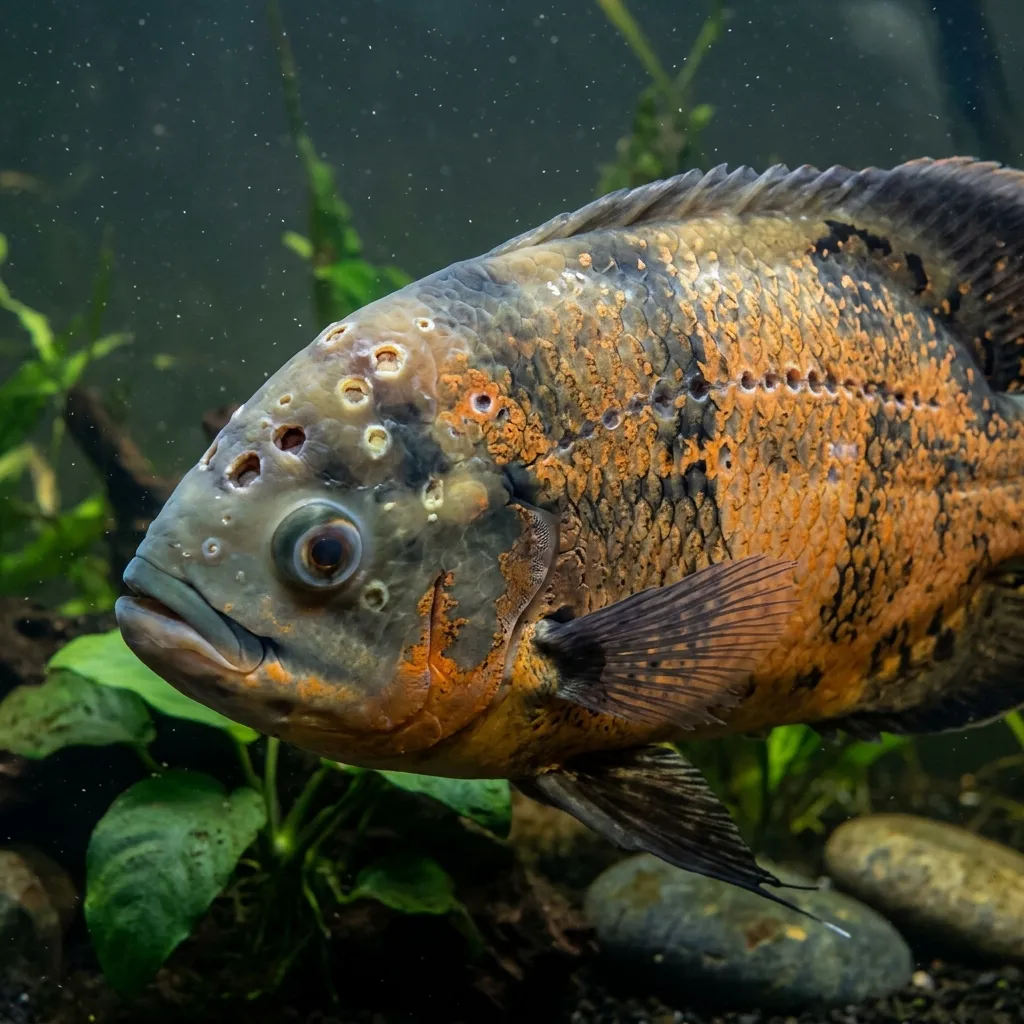
A parasitic infection causing facial pitting and lateral line erosion in cichlids, driven by poor water quality and nutritional deficiency.
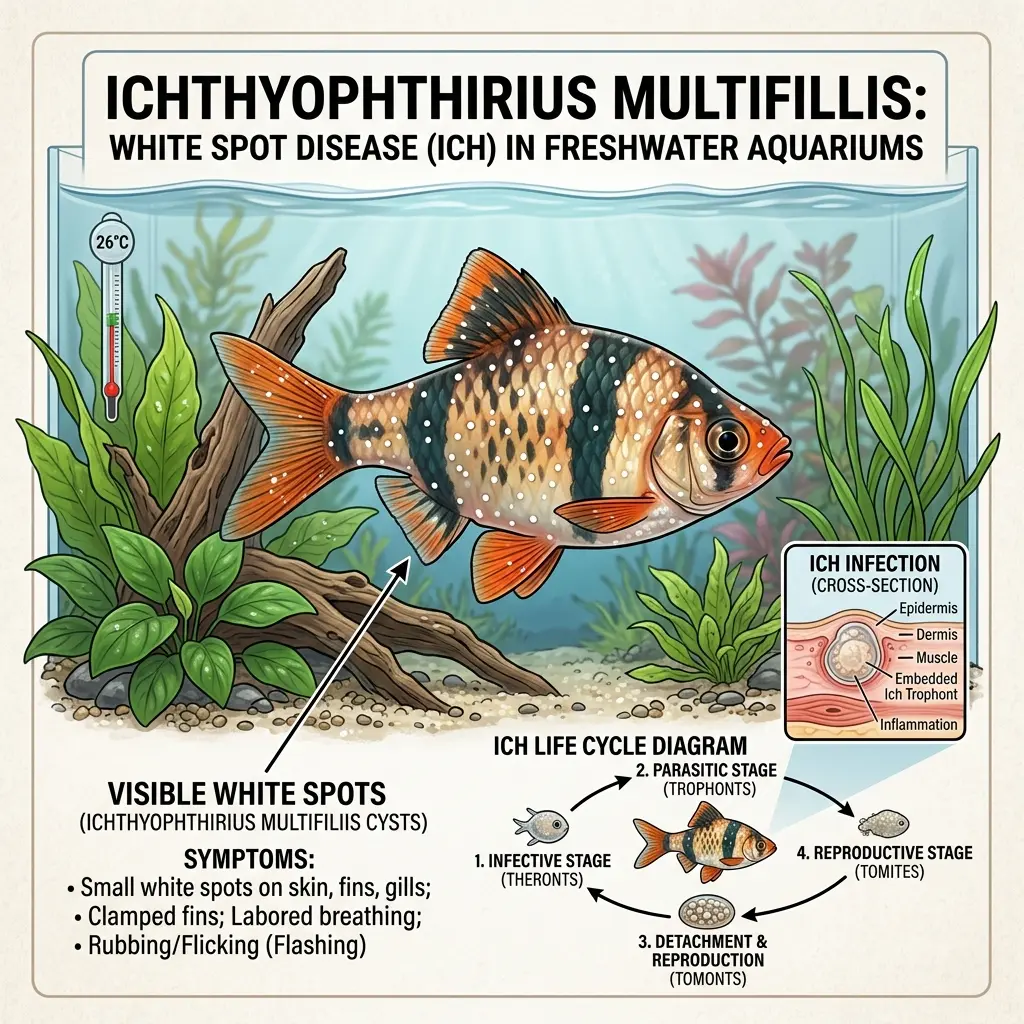
A highly contagious protozoan parasite producing white salt-grain spots that can kill entire tank populations without prompt treatment.
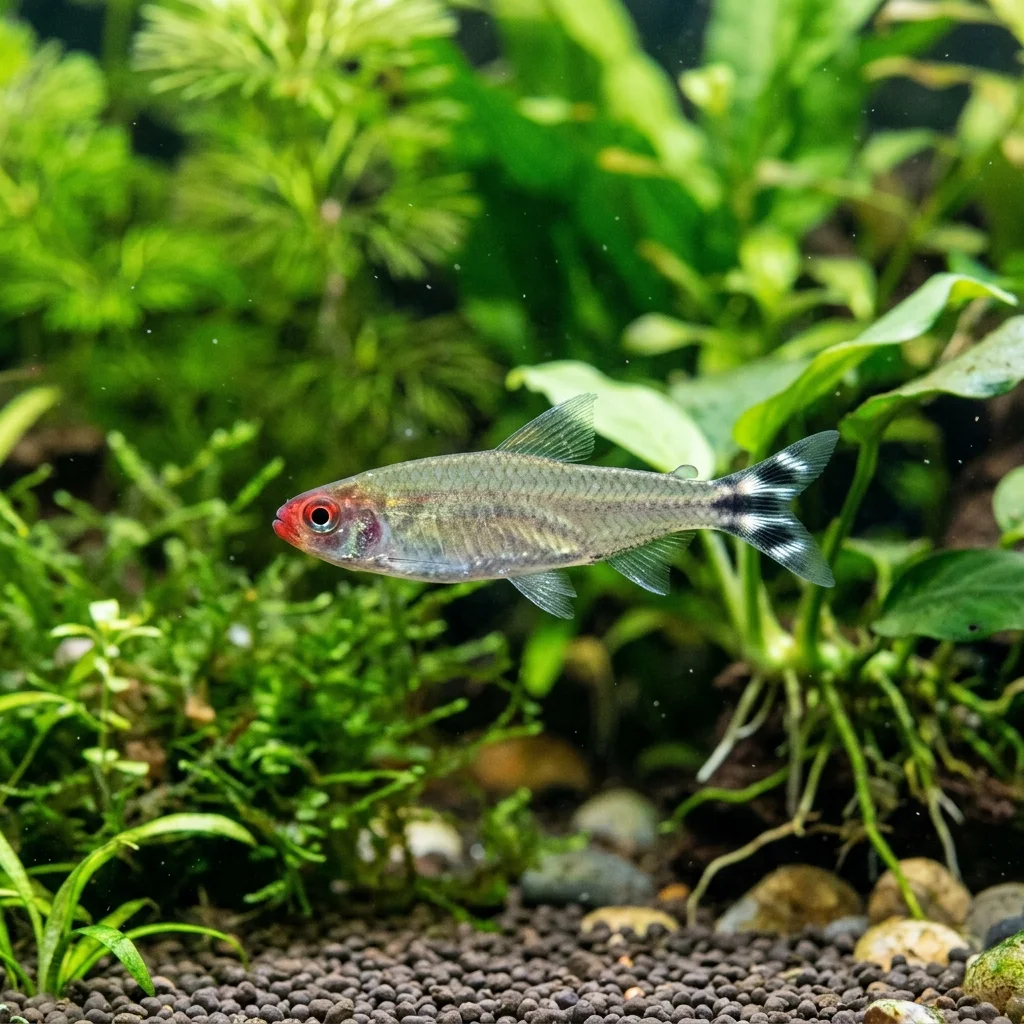
A parasitic infection of the digestive tract causing wasting, stringy feces, and malabsorption in aquarium fish.
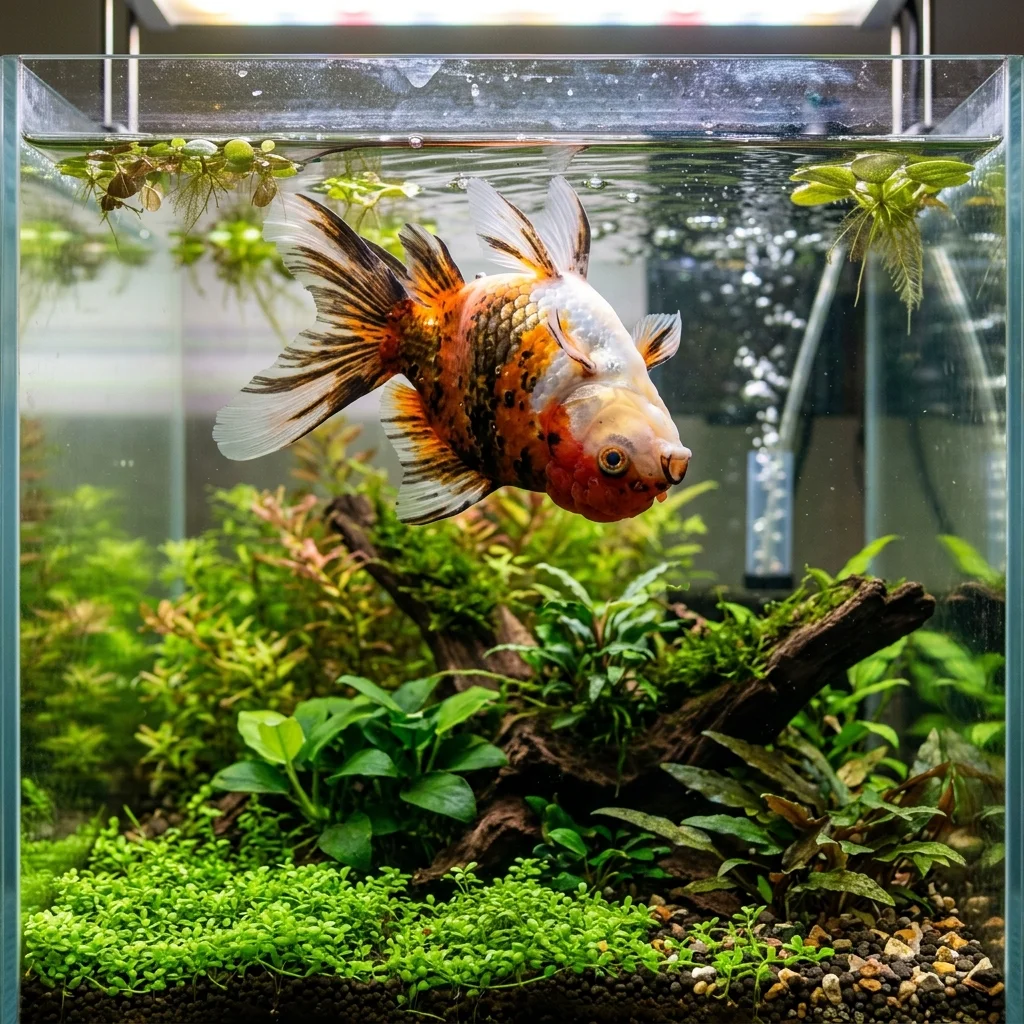
A buoyancy disorder causing fish to float upside down, sink, or struggle to swim upright, often linked to overfeeding or genetics.
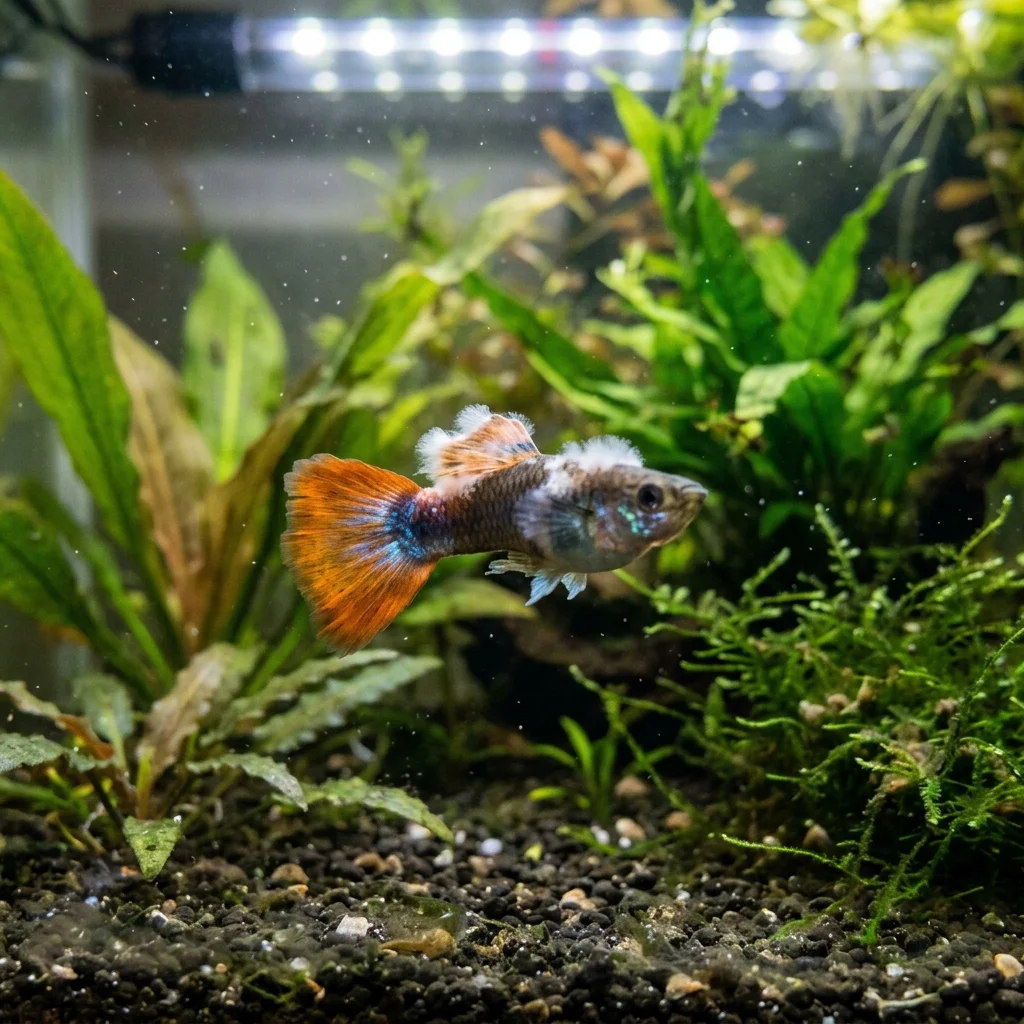
An opportunistic oomycete infection producing fluffy cotton-wool growths on dead or damaged fish tissue.
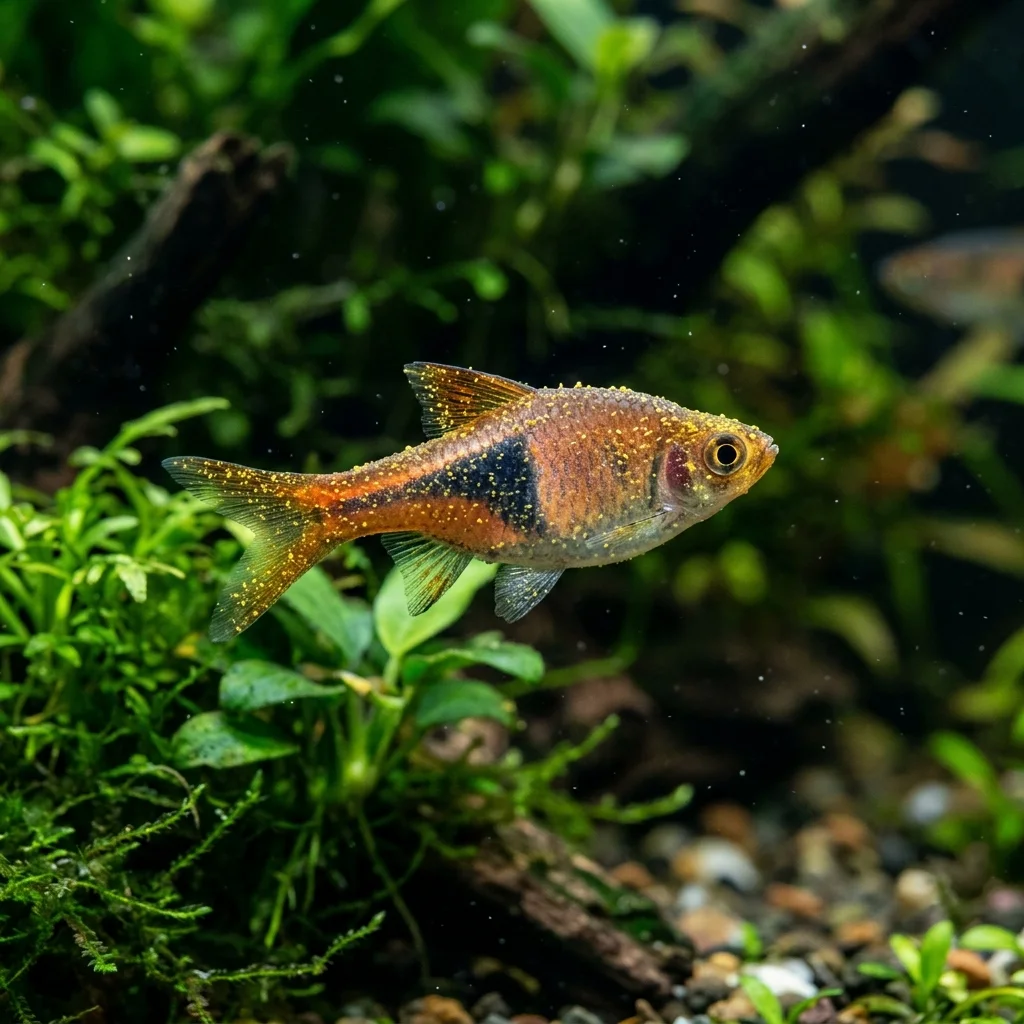
A highly lethal, microscopic parasite that coats the fish in a fine, rust-colored or gold dust-like film, causing severe respiratory distress.