
Aquascaping has moved beyond simply creating a beautiful planted tank. In 2026, three distinct design trends are dominating the hobby, each with a different philosophy: Biotope, Naturalistic, and Minimalist. Understanding these trends will help you plan your next aquascape with intention and style.
1. Biotope Aquascaping: Authentic Replication
Biotope aquascaping is the most scientifically rigorous trend. The goal is to faithfully recreate a specific, naturally occurring habitat in the wild—a single river, stream, or lake. This means matching everything: the exact water parameters (pH, GH, KH, temperature), the substrate grain size and color, the types of rocks and driftwood, and even the leaf litter and seed pods. Crucially, every fish, plant, and invertebrate in a biotope must naturally occur together. This approach is not for everyone, but for the dedicated naturalist, it's the ultimate form of expression.
2. Naturalistic Aquascaping: Purposeful, 'Managed' Chaos
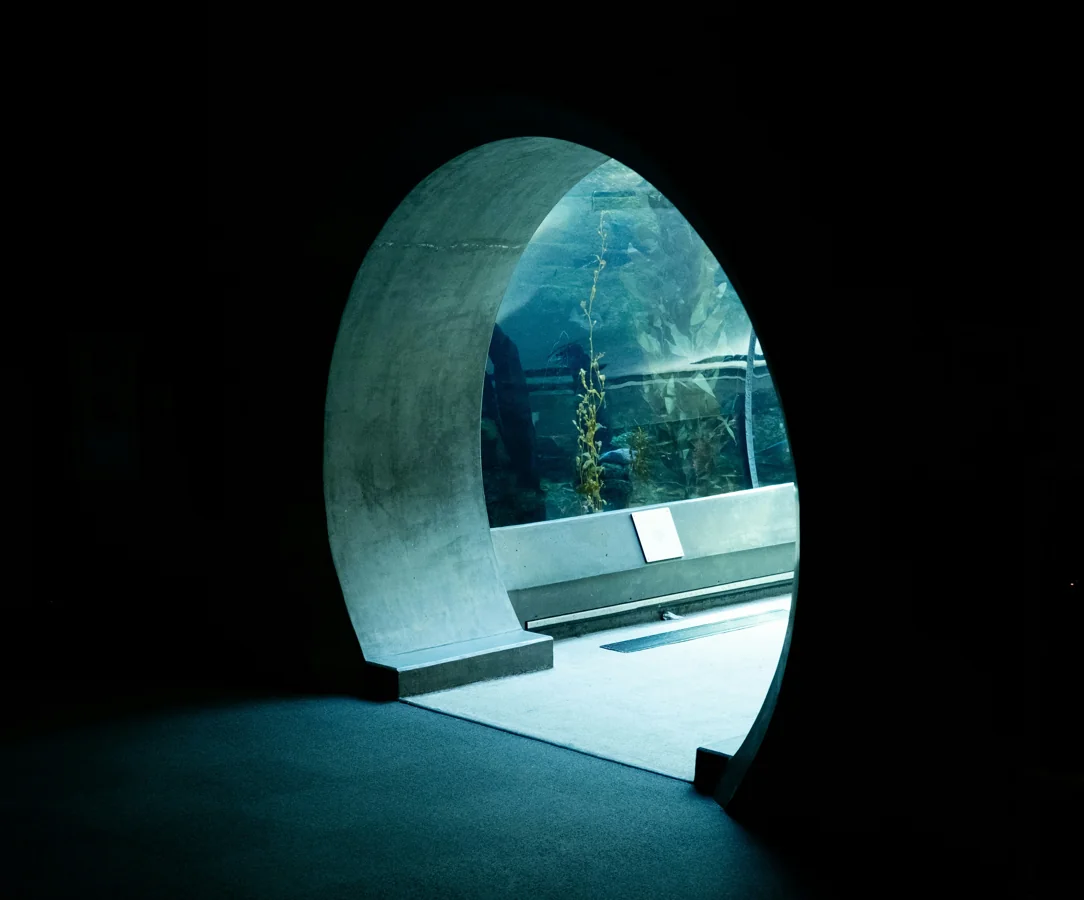
Naturalistic aquascaping is the most popular trend for 2026. It moves away from perfectly manicured, symmetrical layouts and instead aims to recreate the chaotic, organic feel of a real underwater slope or reef bommie. Aquascapers are constructing unbalanced rock formations, layered reef slopes, swim‑throughs, and open arches. The focus is on creating a layout that prioritizes fish and coral health by improving water flow and leaving space for growth, while still looking like a slice of nature. This is aquascaping that looks like it evolved over time, not built all at once.
3. Minimalist Aquascaping: The Power of Negative Space
The defining aesthetic of 2026 is restraint. Minimalist aquascaping operates on the principle of "less is more." The layout features stark, clean lines, a single rock or piece of driftwood, and large expanses of open sand (negative space). The goal is to create a dramatic contrast between the hardscape and the void. This style has been heavily influenced by modern interior design, where aquariums are now statement pieces, not tucked away in a basement. A minimalist tank with a single, perfectly placed piece of Manzanita wood and a small school of nano fish becomes a living sculpture in a modern living room.
How to Apply These Trends
- Entry‑Level Naturalistic: A 60-90 liter tank with aquasoil, a low-tech CO2 approach, and a single species of calm fish. Place it at eye level on a custom-height stand that matches your existing joinery.
- Beginner Biotope: Research a simple biotope, like a blackwater stream from Southeast Asia. Use blackwater extract or Indian almond leaves, add leaf litter, and stock a school of chili rasboras. Don't add any plants—focus on the hardscape and botanicals.
- Intermediate Minimalist: Use a rimless tank, and create an Iwagumi layout with a few carefully placed rocks and a single carpeting plant. It requires high light and CO2 but the visual impact is stunning.
These three trends show that the aquarium industry is maturing and integrating with the broader worlds of design and naturalism. Whether you prefer scientific accuracy, managed chaos, or stark minimalism, 2026 is a great year to be an aquascaper.