
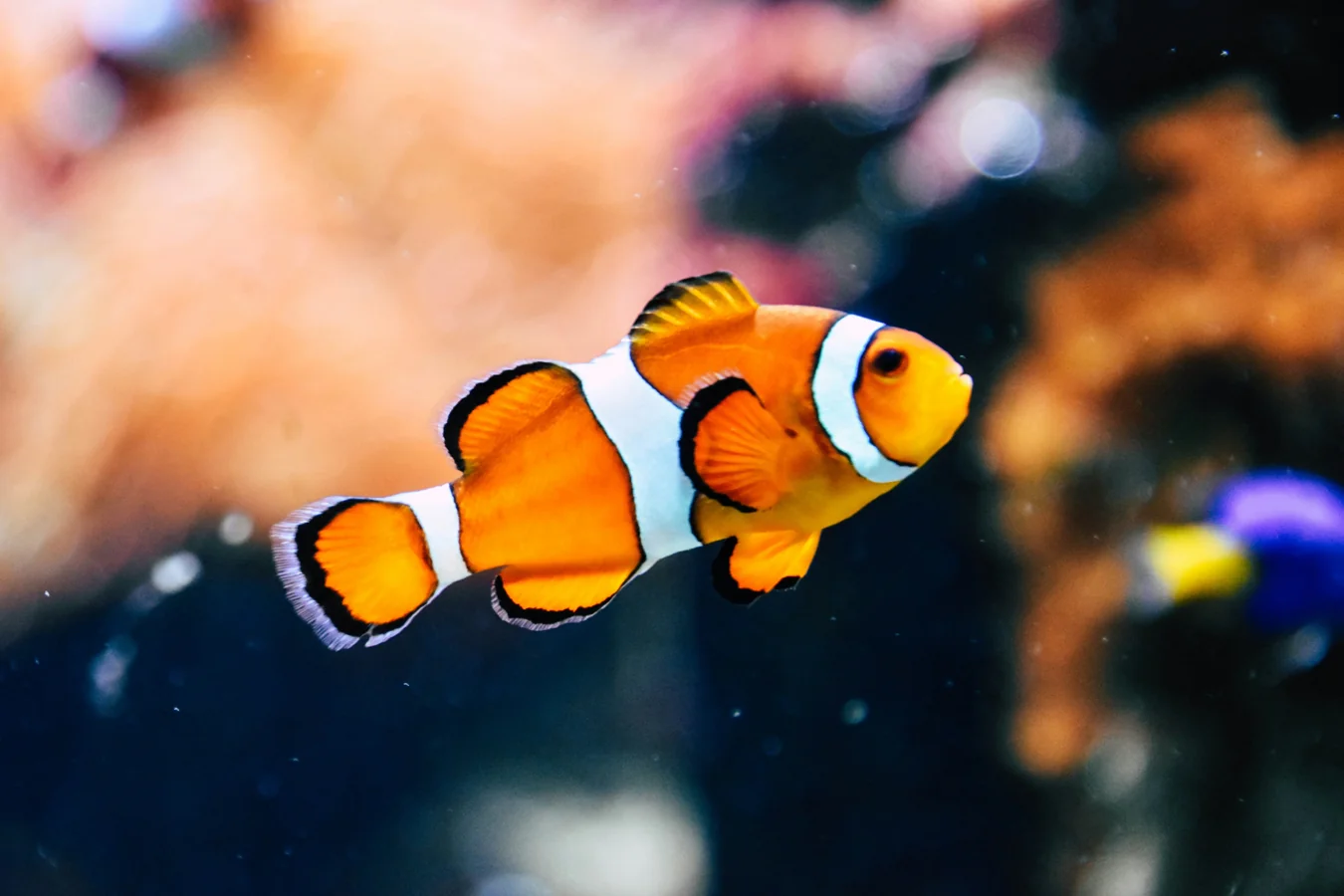
When we think of endangered species conservation, we picture rainforests, breeding centres, and government funding. What we rarely picture is a 20‑gallon aquarium in a teenager’s bedroom. Yet today, at least 30 freshwater fish species are alive only because hobbyists kept them in their homes. The CARES Preservation Program has turned fish keeping into a lifeline for extinction.
What is the CARES Program?
CARES (Conservation, Awareness, Recognition, Education, and Species preservation) is an international coalition of aquarium societies, public aquariums, and individual hobbyists. Its mission: to maintain genetically viable populations of endangered fish in captivity as a hedge against extinction in the wild. Members pledge to keep, breed, and share these species rather than buying commercially farmed alternatives.
Success Stories: Fish Saved by Hobbyists
Skiffia francesae (Golden Skiffia) – This small goodeid from Mexico was declared extinct in the wild in 1996. It survived only in the tanks of dedicated CARES members. Thanks to captive populations, reintroduction efforts are now underway.
Notropis mekistocholas (Cape Fear Shiner) – Once down to a single wild population, captive breeding by hobbyists and zoos helped rebuild numbers.
Paretroplus menarambo (Pinstripe Damba) – A Malagasy cichlid extinct in the wild but thriving in aquariums worldwide.
These are not obscure fish — they are part of a hidden ark that exists in basements, classrooms, and fish rooms across the globe.
How to Join the CARES Program
Becoming a CARES keeper is simple and free:
- Visit the official CARES website and review the species priority list.
- Choose a species that suits your experience level and tank size (some are hardy, others demanding).
- Acquire the fish from another CARES member or a conservation‑focused breeder — never from wild collection.
- Keep detailed records of your group (source, number of fish, breeding events, mortality).
- Register your colony with CARES and commit to sharing offspring with other members to maintain genetic diversity.
You don’t need a fish room full of rare fish. Even a single species tank contributes to the safety net.
Why Hobbyists Are So Effective
Traditional conservation is expensive, slow, and often politically fraught. Hobbyists are fast, decentralized, and motivated by passion. A single species can be kept in hundreds of independent aquariums, so a disease outbreak or power outage in one location doesn’t wipe out the entire captive population. This “distributed ark” model is incredibly resilient.
Ethical Considerations
CARES is not about keeping wild‑caught endangered fish — that would worsen the problem. Instead, it focuses on captive‑bred lineages that have been maintained for generations. Never buy a wild fish listed as threatened or endangered. Always ask your supplier, “Is this captive‑bred and part of a conservation program?”
How You Can Help Without Specializing
Even if you don’t keep a CARES species, you can support the mission:
- Donate to organizations like the Goodeid Working Group or the Madagascar Fauna and Flora Group.
- Buy captive‑bred fish whenever possible, especially for species that are overharvested (e.g., many wild discus).
- Share information about CARES on your social media — awareness leads to more participants.
- Join a local aquarium club; many have CARES coordinators who can mentor you.
The next time someone says fishkeeping is just a hobby, tell them about the golden skiffia. It’s alive because someone cared.
To learn more about keeping your own tanks pristine, check out our guide on Water Chemistry.