
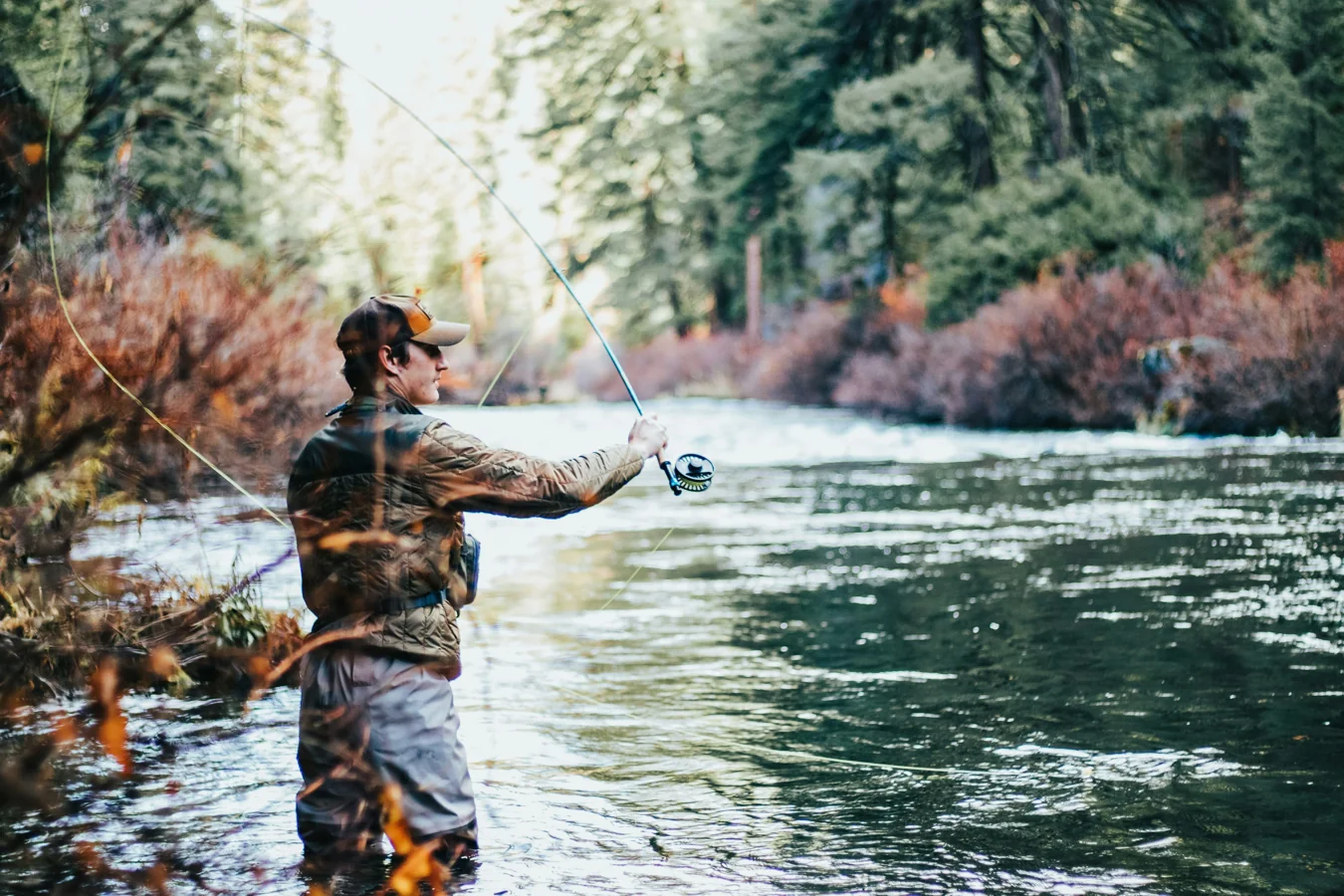
Scroll through #FishTok or #CatchAndRelease and you’ll notice a shift. The most liked videos are no longer just about landing a monster bass — they’re about the moment the fish swims away. A gentle release, a slow‑motion recovery, the gratitude in an angler’s eyes. This ethical angle has resonated deeply with a generation that values conservation as much as sport.
Why Catch‑and‑Release Content Goes Viral
Algorithms favor positive, awe‑inspiring, and educational content. A well‑filmed release ticks all three boxes. Viewers who don’t fish will still watch a fish swim away — it’s a small victory for nature. Additionally, platforms like Instagram and TikTok actively demote content that shows animal suffering. Brutal gaff shots or prolonged air‑time are shadowbanned; ethical releases are boosted.
The Best Release Techniques for High Survival
A fish that swims away strongly is not only ethical — it’s the core of the viral moment. Follow these rules:
- Minimize air exposure: Keep the fish in the water as much as possible. If you must lift for a photo, wet your hands first and keep the fish out of water for less than 5–10 seconds (less for warm‑water species).
- Use rubber or silicone nets: Traditional nylon nets remove the fish’s protective slime coat, leading to infections. Rubber nets are gentler and don’t tangle hooks.
- Remove hooks carefully: Use needle‑nose pliers or a hook remover. For deeply hooked fish, cut the line as close to the hook as possible — the hook will dissolve over time. Never yank.
- Revive before release: Hold the fish upright in the water, facing into the current (or gently move it forward and back to push water over the gills). Wait until it kicks strongly, then let go.
Tools That Make Great Release Videos
GoPro or an underwater camera mounted on a selfie stick can capture the release from the fish’s perspective. Many viral clips start with an underwater shot of the fish swimming away, then cut to the angler’s smiling face. A waterproof phone case with a lanyard is enough to get started. Natural light is best — avoid harsh midday sun (releases look better in golden hour or overcast conditions).
Handling Trophy Fish for the Camera
If you want a photo of a large fish, support its body horizontally with both hands — never hang it vertically by the jaw or gill cover. For species like musky, pike, or tarpon, use a specialized cradle. After the photo, a longer revival period (5–10 minutes) is often needed for big fish to regain strength. The viral moment isn’t the grip‑and‑grin; it’s the fish kicking off.
Species‑Specific Considerations
- Trout: Very sensitive to air exposure and warm water. In summer, fish deeper, use barbless hooks, and consider not fishing when water temperatures exceed 20°C.
- Bass: Hardy but still benefit from rubber nets and quick release. Avoid holding bass by the lower jaw at an angle that dislocates the jaw (keep them upright).
- Saltwater species (bonefish, redfish, snook): Often released in shallow water; avoid dragging them over sandbars. Use dehooking tools to avoid teeth and spines.
Ethical Catch‑and‑Release for Social Media Fame
Some creators have built entire channels around “release edits” — compilations of clean releases set to uplifting music. The formula: a short hookset, a fight scene (optional), a gentle landing, a quick camera glance, then a slow‑motion release underwater. Add a caption about conservation and watch the shares roll in. The algorithm loves content that feels good.
When to Keep a Fish
Catch‑and‑release is not mandatory for all anglers, nor should it be. In many fisheries, keeping a legal limit of panfish or stocked trout is sustainable and even encouraged (reduces overpopulation). However, for social media, keeping fish is rarely viral. If you do keep a fish, do it quickly and humanely (use a spike or bat to dispatch), and avoid sharing the cleaning process — that content performs poorly on most platforms.
The Bigger Picture
Catch‑and‑release going viral is a cultural win. It signals that the next generation of anglers cares about the resource, not just the trophy. As more people learn proper techniques, fish survival rates increase, and public perception of fishing improves. So the next time you land a fish, think of the camera — not for vanity, but to spread the message that fishing and conservation can coexist beautifully.