Breeding aquarium fish can be a rewarding side business or full-time venture. This guide covers the most profitable species for home breeders, setting up a low-cost breeding rack, raising fry, and establishing relationships with local fish stores (LFS) and online marketplaces.
Most Profitable Fish to Breed
Profitability depends on spawn size, growth rate, market price, and ease of breeding. Top species for home breeders:
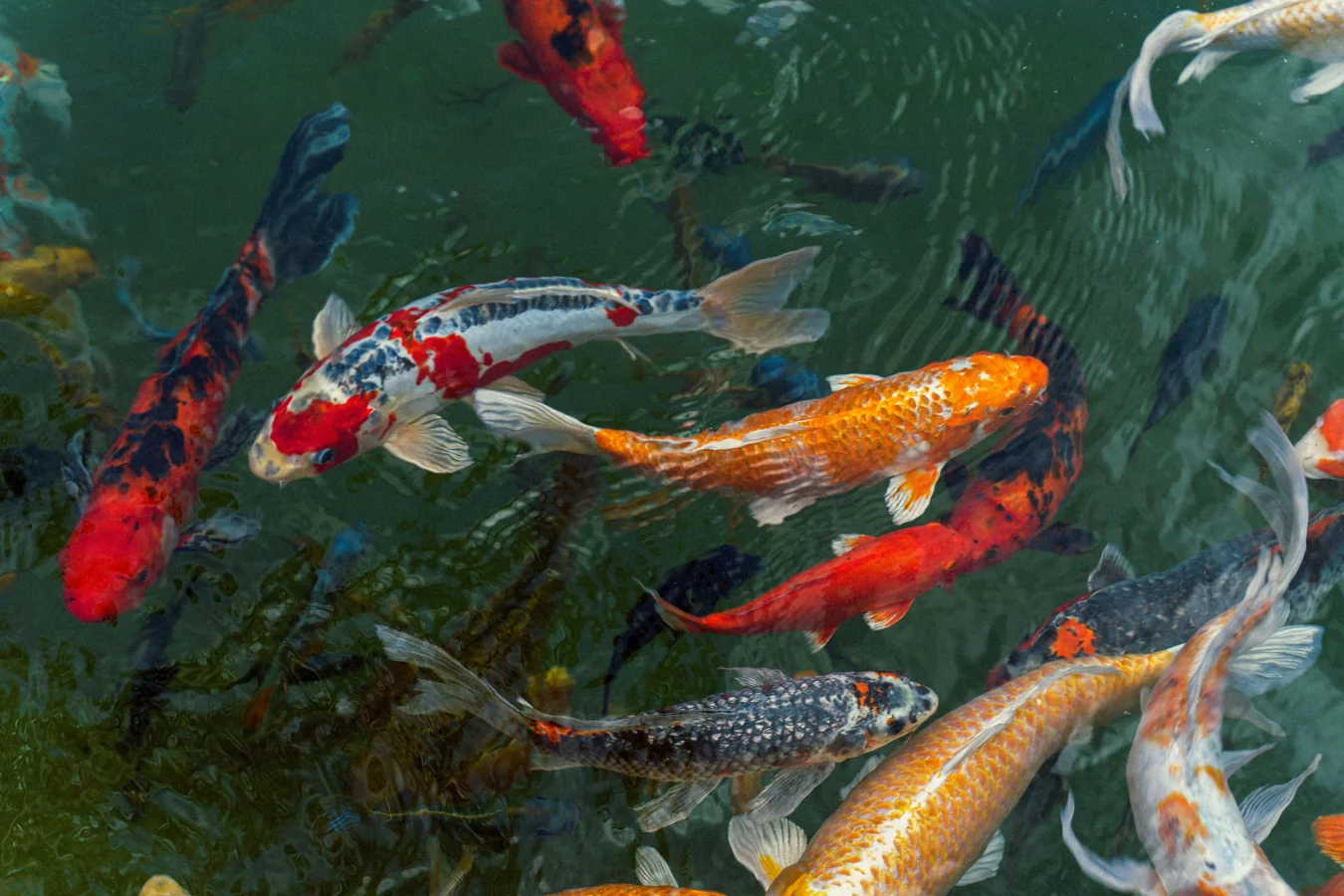
- Guppies (fancy strains): Livebearers, 20-50 fry per month, high demand for unique colors, low startup cost. Profit margin: high. Sell at 2-4 months old for $3-10 each depending on strain.
- Angelfish: Egg-layers, 100-300 eggs per spawn, high retail price ($8-20 for juveniles). Need larger tanks (20-29 gallons for breeding pair).
- Apistogramma / Dwarf cichlids: 50-150 fry, consistent demand from planted tank enthusiasts, $10-25 each.
- Corydoras: Moderate difficulty, 20-50 eggs, steady demand as community fish, $4-8 each.
- Neocaridina shrimp (Cherry shrimp): Extremely profitable. 20-30 shrimplets per female monthly, sell for $2-5 each (or $15+ for high-grade colors). Low space requirement.
- Bristlenose Plecos (longfin or albino): 50-150 fry per spawn, $5-15 each, good for algae control market.
Setting Up a Breeding Rack
A simple rack system maximizes space and efficiency. Use metal shelving (rated for 500+ lbs per shelf). Each breeding tank should be 10-20 gallons for most species. Key components:
- Air-driven sponge filters (gentle, safe for fry)
- Heaters (one per tank or ambient room heating)
- Lids (prevents jumping and evaporation)
- LED lights on timers (10-12 hours for plant growth in shrimp/fry tanks)
- Water change system (python siphon or automated drip system)
Start with 4-6 tanks. Total investment for a small rack: $300-500 for equipment, plus fish stock. Recurring costs: electricity, food, water conditioner.
Feeding Fry for Fast Growth
Fry require microscopic foods for the first week. Options: infusoria (cultured), liquid fry foods (Hikari First Bites), or powdered flake food ground to dust. After week 1, feed newly hatched brine shrimp (Artemia) or microworms — both can be cultured at home cheaply. By week 2-3, transition to crushed flakes or micro pellets. Feed small amounts 3-5 times daily for optimal growth. Frequent water changes (20-30% daily for fry tanks) are essential to remove waste without sucking up small fry — use a sponge-covered intake.
Marketing and Selling to Fish Stores
Build relationships with local fish stores (LFS) before you have fish to sell. Visit during slow hours, show photos of your setup, ask what species they struggle to source. Most LFS buy at wholesale (30-50% of retail price). Example: they sell a guppy for $5, they'll pay you $1.50-$2.50. Larger volume increases negotiating power. Other sales channels:
- Online classifieds (Craigslist, Facebook Marketplace, Kijiji): You get retail prices but must handle individual sales and meet buyers.
- Aquarium club auctions: Good for moving excess stock quickly.
- eBay / Aquabid: Shipping live fish requires permits and experience but opens national market.
- Selling to other hobbyists via forums (Reddit, Fishlore, MFK): Build reputation first.
Legal and Tax Considerations
If you sell fish for profit, you are running a business. Check local zoning laws (some areas prohibit breeding animals in residential zones). For small operations, most hobbyists operate under "hobby income" tax rules — consult an accountant. Keep records of all expenses (equipment, food, utilities) and sales. In many US states, you need a "commercial aquaculture license" if selling more than a certain number of fish annually. Contact your state's Department of Fish and Wildlife.