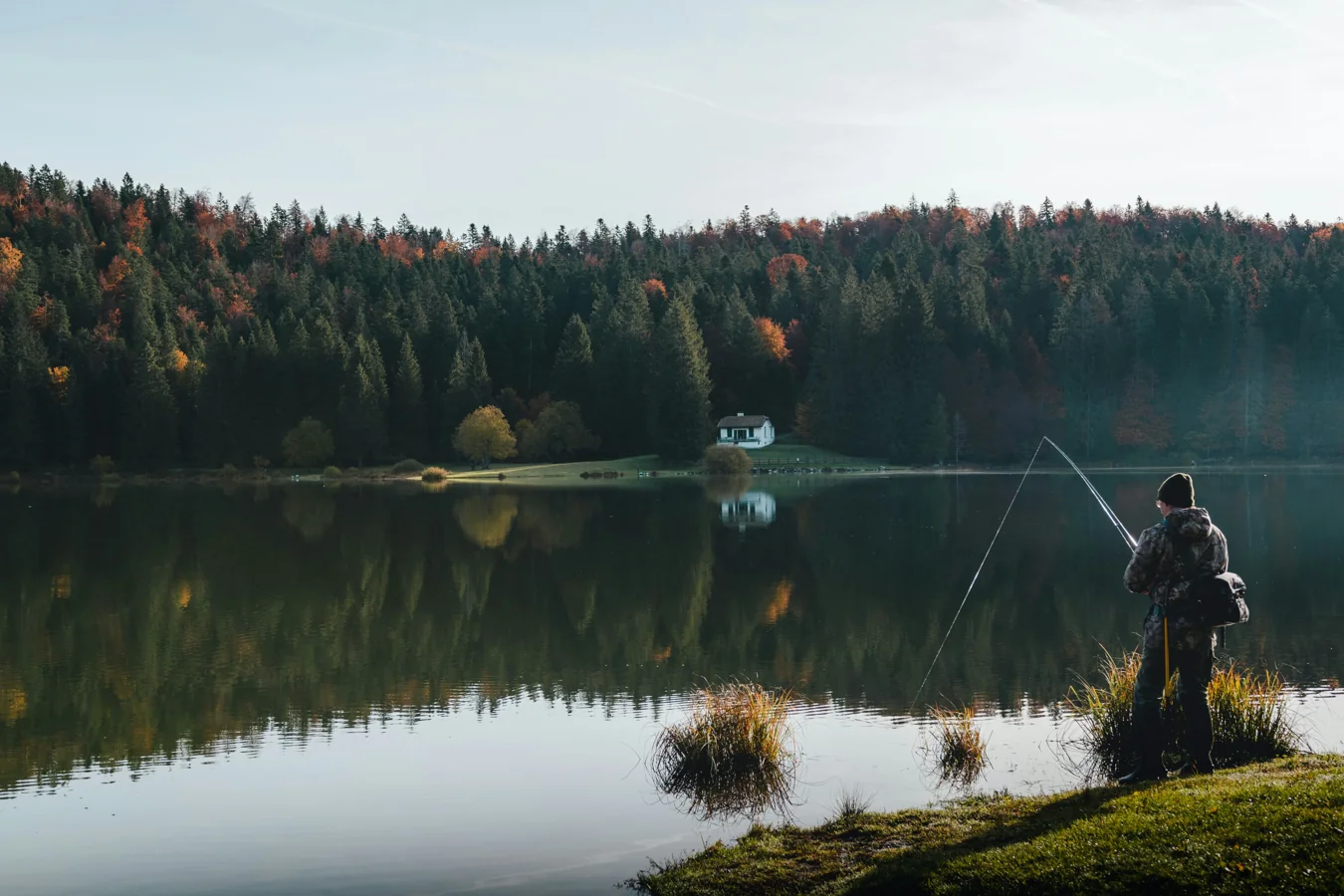
In an era of burnout, doom‑scrolling, and digital fatigue, fishing has emerged as an unlikely mental health sanctuary. Google searches for “fishing near me” and “mental health benefits of fishing” have doubled year over year. Even therapists are writing “prescriptions for nature” that include a rod and a license.
The Science of Blue Spaces
Research into “blue spaces” (coasts, lakes, rivers) shows that being near water reduces cortisol levels, lowers heart rate, and induces a mild meditative state within minutes. Fishing adds an extra layer: the rhythmic casting and reeling, the focus on a bobber or line, and the anticipation of a bite all engage the brain’s attentional system in a gentle, repetitive way — similar to mindfulness meditation. A 2021 study from the University of Exeter found that anglers reported significantly higher life satisfaction and lower anxiety than non‑anglers, even controlling for income and exercise.
Fishing as Mindfulness in Motion
Unlike sitting on a cushion and trying to “clear your mind,” fishing gives your brain a gentle task. You watch the water, listen to birds, feel the breeze. When a fish bites, you have a burst of focused action — set the hook, play the line, net the fish. Then you release and return to waiting. This cycle of alert rest is neurologically restorative. It’s no coincidence that many recovering addicts and veterans with PTSD credit fishing with saving their lives.
Social Fishing vs. Solo Angling
Both have benefits. Solo fishing provides solitude and self‑reliance — a chance to process thoughts without interruption. Fishing with friends or family builds social bonds, creates shared memories, and offers low‑pressure conversation (you can sit in silence for an hour and it’s perfectly normal). The rise of “fishing clubs for mental health” on Meetup and Facebook reflects this dual need for connection and calm.
Getting Started for Mental Health (No Experience Needed)
You don’t need expensive gear or deep knowledge. A basic spinning combo ($30–50) and a few hooks, weights, and worms are enough to catch panfish in most ponds. The goal is not to catch a trophy — it’s to be present. Some tips:
- Choose a spot within 20 minutes of home (reduce travel stress).
- Go at off‑peak times (early morning or weekday afternoons) to avoid crowds.
- Leave your phone in the car or on airplane mode.
- Set a loose time limit (2 hours) and don’t worry if you catch nothing.
- Bring a simple camp chair, water, and a snack — comfort matters.
The Role of Catch‑and‑Release
For mental health purposes, catch‑and‑release is ideal. The act of carefully handling the fish, removing the hook, and watching it swim away creates a sense of stewardship and connection. Many anglers report that the release is the most satisfying part — a small act of kindness that feels meaningful.
Fishing During Darker Seasons
Winter is often when mental health struggles peak. Ice fishing (where safe) offers a unique, almost communal experience — sitting in a shelter, drilling a hole, and waiting in the quiet cold. In warmer regions, winter trout fishing is active and invigorating. For those who cannot brave the cold, tying flies or jigs indoors can provide a similar meditative focus.
When Fishing Isn’t Enough
Fishing is a tool, not a cure. If you’re experiencing severe depression, anxiety, or thoughts of self‑harm, please reach out to a mental health professional. Fishing can be part of your wellness plan, but it should never replace therapy or medication. Many anglers combine fishing with professional support — the two work beautifully together.
The Takeaway
The next time someone asks why you spend hours staring at a float, tell them: you’re not wasting time. You’re medicating. Fishing is one of the oldest forms of human‑nature interaction, and science is finally catching up to what anglers have always known — water heals.