
Quick Answer
The Walstad Method uses a natural organic soil underlayer capped with coarse sand or gravel to build a self-sustaining ecosystem. The soil provides continuous carbon dioxide and micronutrients directly to plant roots, while dense plant mass processes fish waste, eliminating the need for high-intensity lighting, liquid dosing, or heavy filtration cascades.
Named after aquatic ecologist Diana Walstad, the Walstad Method treats the aquarium as a complete natural ecosystem. By utilizing organic soil beneath a gravel or sand cap, this methodology loops plant growth and fish metabolism together, creating a balanced habitat that requires minimal water changes.
Selecting the Right Organic Soil Substrate
The core foundation of a Walstad aquarium is a 1-inch layer of organic potting soil. Avoid premium commercial soils containing added chemical fertilizers, water-retention crystals, or heavy vermiculite pellets, as these leak toxic concentrations of ammonia into the water column. Look for cheap, organic topsoil or organic lawn soil. Sift the dry soil through a wire mesh screen before setup to pull out large wood chunks, rocks, and undecomposed organic fragments.
The Importance of the Substrate Cap
Soil cannot come into direct contact with the open water column, or it will create an anaerobic mud slurry. To contain the dirt layer, cap it with exactly 0.75 to 1 inch of coarse river sand or fine gravel (1–3 mm grain size). A cap that is too thin allows soil tannins to discolor the water column, while an excessively thick sand layer compacts tightly, trapping gas pockets and starving roots of circulation.
Planting Strategy for Ecosystem Balance
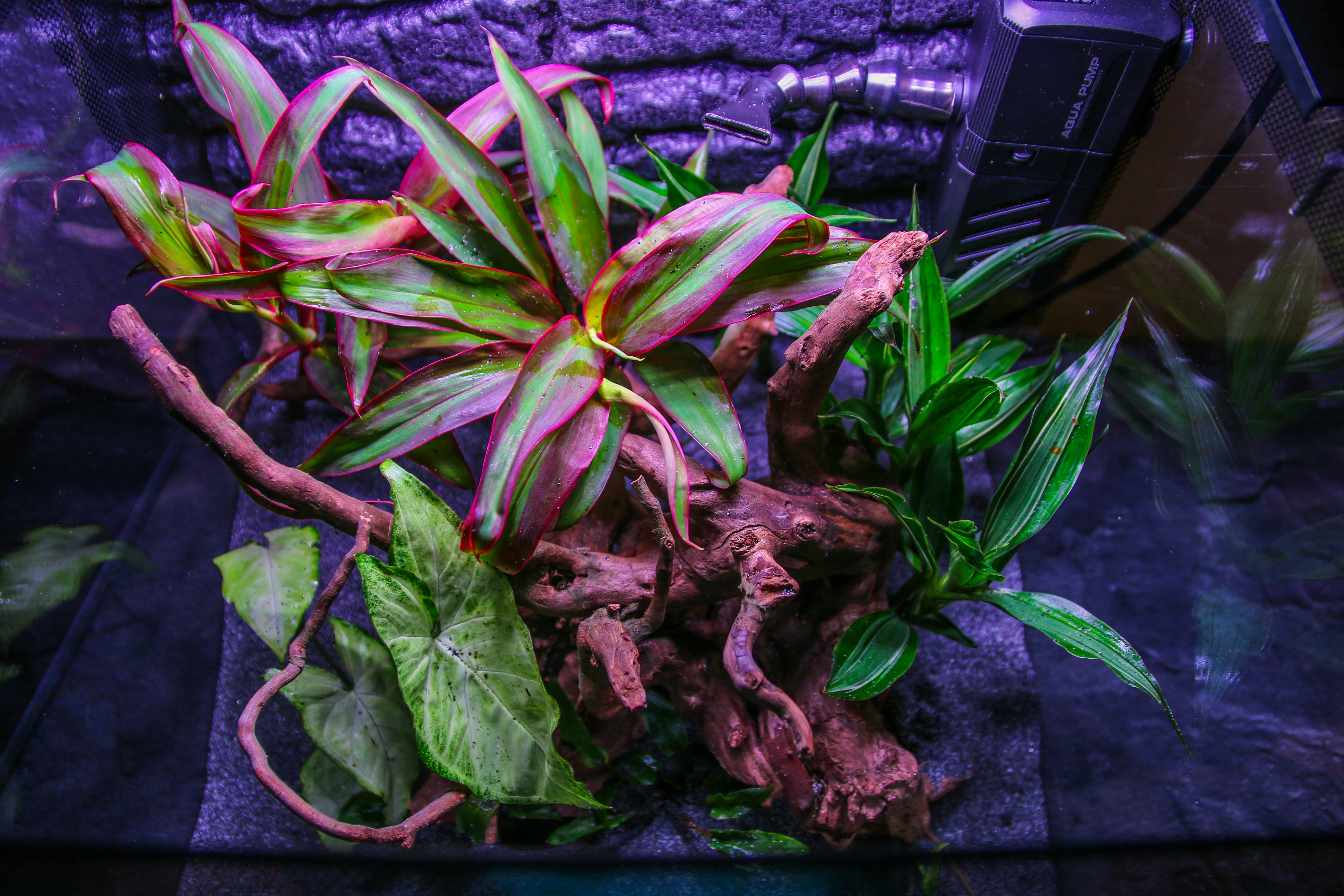
A Walstad tank must be heavily planted from day one. At least 70% of the substrate footprint should be covered in vegetation. Focus heavily on rapid root-feeders and fast-growing stem plants that draw nutrients out of the substrate before algae blooms take over. Floating plants are vital components of this layout, acting as natural nutrient sponges that directly stabilize parameters.
Knowledge Journey
Recommended Next Steps
Move from reading to action with related calculators, fish profiles, and quiz-based recommendations.
Calculator
Aquarium Layout & Inspiration Builder
Choose an aquascaping direction based on hardscape, plants, maintenance level, livestock, budget, and whether you want a low-tech or high-tech layout. Avoid random decor and build a tank that suits your fish and your routine.
Calculator
Aquarium Fish Stocking Calculator
Estimate realistic fish stocking capacity using adult size, bioload, filtration, swimming space, tank maturity, plants, and maintenance habits. Suitable for community tanks, cichlids, predators, and planted aquariums.
Calculator
Planted Tank Dry Fertilizer Calculator: Estimative Index (EI) Dosing
Skip expensive commercial liquid supplements. Calculate precise DIY macro and micro dry fertilizer doses in exact parts per million (ppm) for your planted tank using the proven Estimative Index method. Enter your tank volume and target nutrient levels — get exact grams to measure.
Quiz
Fish Compatibility Quiz
Find beginner-friendly fish that match your tank size, setup, and experience level.
Quiz
Fish Quiz Hub
Choose a guided quiz and get personalized fish care next steps.
Calculator
Ammonia Toxicity Calculator (Free NH3)
Enter your test kit reading (TAN), pH, and temperature — get an instant SAFE or LETHAL verdict for Free Ammonia (NH3). Built for API Master Kit users, cichlid tanks, reef setups, and fish breeders.