Freshwater 5 min read

The Hard Water Aquarium: Thriving Species for High pH Tap Water

By David Kim ·

Stop fighting your tap water chemistry. Learn how to select beautiful fish species that naturally thrive in hard, alkaline parameters.

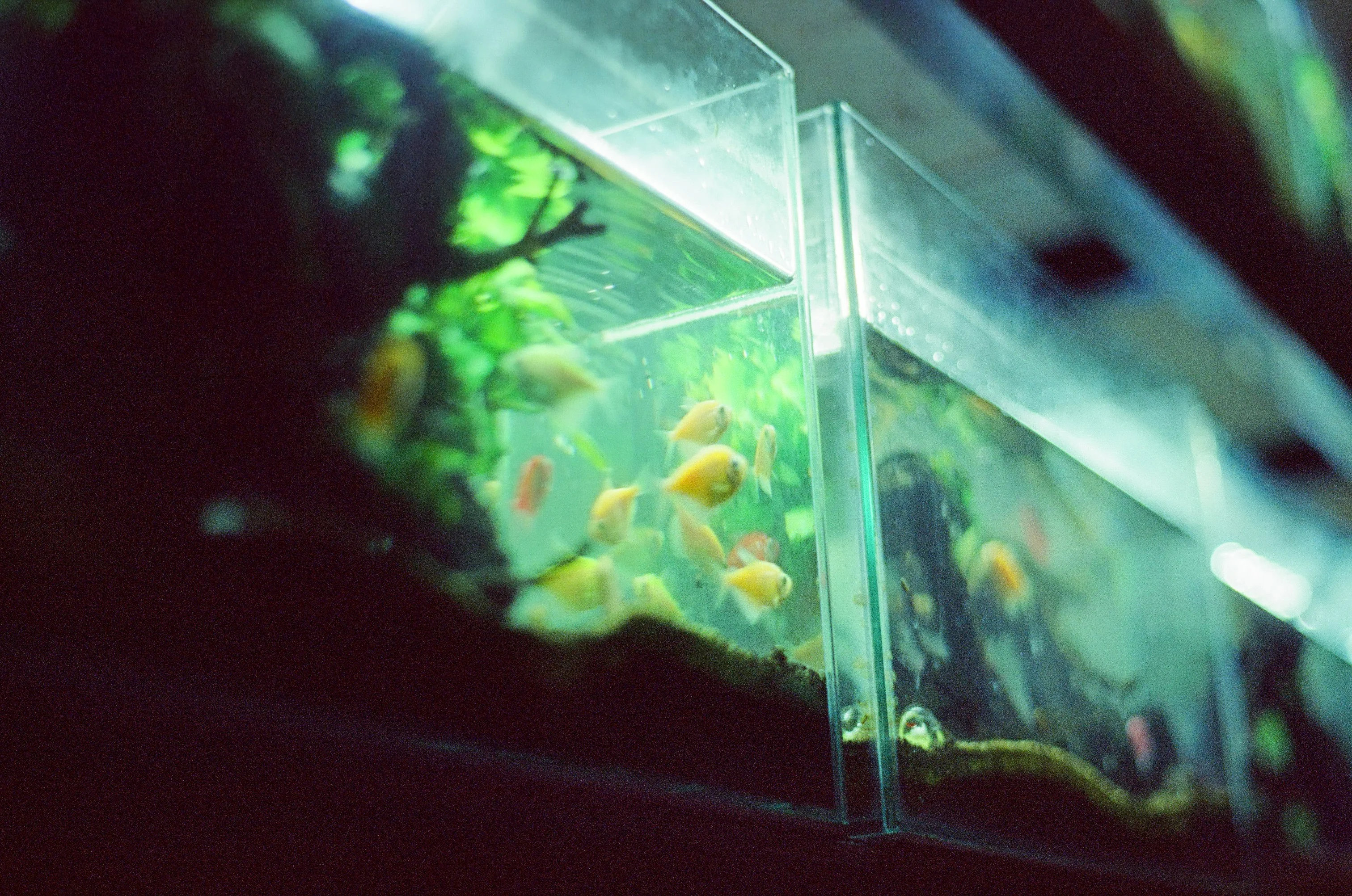
A vibrant African Cichlid aquarium with limestone rocks

Quick Answer

Fighting hard water with chemical buffers causes dangerous parameter swings. Instead, stock species naturally evolved for high mineral levels. African Rift Lake cichlids (Lake Malawi and Tanganyika species), Central American livebearers (guppies, mollies, platies), and Australian rainbowfish thrive in hard water with pH 7.6-8.4. These fish utilize calcium and magnesium minerals to regulate osmotic pressure, develop strong bones, and display vibrant coloration that soft water suppresses.

You've just tested your tap water. The pH reads 8.0, the GH is off the chart, and you're staring at a bottle of pH Down wondering if you should start dumping chemicals in. I've been there. My first tank was a 20-gallon long with tap water so hard it left white rings on the glass. I spent months chasing parameters, killing fish, and burning through bottles of acid buffers. Then I realized I was fighting a losing battle. The fish didn't need soft water. I needed different fish.

Hard water is not a problem to be fixed. It's a starting point. Over 60% of US households have moderately hard to very hard tap water, according to USGS data. That means millions of aquarists are trying to keep soft-water Amazonian species in conditions that slowly stress their fish to death. The smarter approach—the one that works—is to match your fish to your water, not the other way around.

Understanding Hard Water Metrics (pH, gH, kH)

Hard water is defined by three interconnected parameters: General Hardness (GH), Carbonate Hardness (KH), and pH. GH measures dissolved calcium and magnesium ions—the minerals that leave those white deposits on your glass. In very hard water, GH often exceeds 12 dGH (degrees of German hardness). KH measures the water's buffering capacity, which is essentially its resistance to pH changes. High KH (above 8 dKH) locks your pH into an alkaline range—typically 7.6 to 8.4—that resists acidic shifts. This is why chemical pH buffers fail in hard water: you're pouring acid into a system that's chemically designed to neutralize it. The pH drops for an hour, then bounces right back.

This stability is actually an advantage. Fish that evolved in hard water environments—African Rift Lakes, Central American rivers, Australian streams—don't just tolerate these conditions. They require them. The calcium and magnesium ions are essential for osmoregulation, egg development, and bone density. Keep soft-water fish in these conditions, and they'll survive for a while. But their kidneys work overtime, their colors fade, and their lifespan shortens by 30-40%.

Vibrant Species That Require Hard Water

African Rift Lake Cichlids

Lake Malawi and Lake Tanganyika cichlids are the crown jewels of hard-water aquariums. These fish live in water with pH 7.8-8.6 and GH 10-20 dGH. They're also among the most colorful freshwater fish you can keep—neon blues, electric yellows, deep reds that rival saltwater fish. Malawi species like the electric yellow lab (Labidochromis caeruleus) and the red zebra (Metriaclima estherae) are beginner-friendly and stay under 5 inches. Tanganyikan species like the brichardi (Neolamprologus brichardi) are elegant and pair-bond, but they're more aggressive and require rockwork territories. A 40-gallon breeder tank is the minimum for a Malawi community; Tanganyikan shell-dwellers can go as small as 20 gallons.

Central American Livebearers

If you want color, activity, and breeding action, livebearers are your answer. Guppies (Poecilia reticulata), mollies (Poecilia sphenops), platies (Xiphophorus maculatus), and swordtails (Xiphophorus hellerii) all thrive in hard water with pH 7.5-8.2. Mollies in particular need hard water—they actually suffer from "the shimmies" (a neurological condition) in soft water. In hard water, they're bulletproof. Keep a ratio of two females per male to avoid constant harassment. They breed prolifically, so be prepared for fry. A 20-gallon long is ideal for a small colony of 8-10 adults.

Rainbowfish

Australian and New Guinean rainbowfish are underrated hard-water gems. Boesemani rainbows (Melanotaenia boesemani) and turquoise rainbows (Melanotaenia lacustris) display stunning iridescence when kept in mineral-rich water. They're peaceful schoolers that max at 4 inches, making them suitable for 40-gallon tanks and larger. They prefer pH 7.0-8.0 and GH 8-15 dGH. Keep them in groups of 6-8; they're shy alone and color up dramatically in numbers. Feed them a high-quality flake with spirulina to enhance their blues and oranges.

Other Notable Hard-Water Species

Dwarf neon rainbowfish (Melanotaenia praecox) are a smaller option at 3 inches, excellent for 20-gallon tanks. American flagfish (Jordanella floridae) are hardy, subtropical fish that eat hair algae and tolerate pH up to 8.0. And if you want a community centerpiece, consider the red-tailed black shark (Epalzeorhynchos bicolor)—it's territorial but stunning at 6 inches, and it handles pH 7.5-8.0 easily. A 55-gallon minimum for that one, though.

Plants That Survive and Thrive in Hard Water

Many aquarists assume plants can't grow in hard, alkaline water. That's false. Hard water provides dissolved bicarbonates that many plants can use as a carbon source when CO2 is limited. Vallisneria species (jungle val, Italian val) are hard-water champions—they grow like weeds in pH up to 8.5. Hornwort (Ceratophyllum demersum) is another bulletproof option; it absorbs nutrients from the water column and provides excellent fry cover. Anubias and Java fern are tough enough for hard water, though they grow slower because the pH affects nutrient uptake. Cryptocoryne wendtii is surprisingly adaptable, handling pH up to 8.0. Avoid soft-water specialists like Amazon swords (Echinodorus) and lotus lilies—they'll struggle without CO2 and acidic conditions.

Substrate and Hardscape for High pH

Your substrate choice directly affects your water chemistry. For African cichlid tanks, use crushed coral or aragonite sand—these slowly dissolve, releasing calcium and maintaining KH and pH. For livebearers, plain gravel or sand works fine, but adding a small bag of crushed coral to your filter is a passive way to stabilize KH. Avoid active aquasoils (like ADA Amazonia) that lower pH—they'll fight your hard water and exhaust their buffering capacity within months. For hardscape, limestone, tufa rock, and Texas holey rock are all safe and will buffer the water. Avoid driftwood and peat moss—they release tannins and acids that lower pH and KH, creating instability.

Maintenance for Hard Water Tanks

Hard water tanks lose water through evaporation, leaving dissolved minerals behind. This means the GH and KH can creep upward over time if you only top off with tap water. The fix: top off evaporation with RO or distilled water, which has zero minerals, and perform your regular 25-30% weekly water changes with tap water. That keeps your parameters stable without the slow concentration effect. Also, expect more calcium deposits on your glass, heater, and equipment. Clean them with a razor blade or white vinegar (diluted) during water changes—never use chemical glass cleaners that can leach into the water. Test KH monthly; if it drops below 5 dKH, add a handful of crushed coral to the filter to replenish it.

Common Hard Water Mistakes

The most common mistake I see is using pH Down or similar products to "fix" hard water. You're pouring acid into a system with high buffering capacity. The pH drops briefly, then rebounds, creating a rollercoaster that stresses fish far more than stable alkaline water ever would. Second mistake: mixing soft-water fish with hard-water fish. You can't put cardinal tetras with Malawi cichlids and expect both to thrive. Pick a lane. Third mistake: neglecting to test GH and KH at all. Many hobbyists only test pH and assume everything else is fine. Hard water is a complete mineral profile—you need to monitor all three parameters. Finally, don't overstock. Hard water doesn't mean you can pack more fish in. Bioload still matters; these fish are larger and more active, so they produce more waste. A 40-gallon African cichlid tank should have no more than 8-10 adult fish, depending on species.

Knowledge Journey

Move from reading to action with related calculators, fish profiles, and quiz-based recommendations.

Calculator

Aquarium Light Duration & Photoperiod Calculator

Dial in the perfect photoperiod for your aquarium. Enter your tank type, plant density, and viewing schedule to calculate the optimal daily light duration that fuels plant growth, suppresses nuisance algae, and gives your fish a healthy day/night cycle — without guesswork.

Calculator

Fish Growth Rate Estimator

Most fish are sold as tiny 1-inch juveniles that look harmless in the store — but some will reach 12, 18, or even 24 inches within a year. Enter your fish's species category and current size to visualize exactly how fast it will grow, when it will outgrow your tank, and what size aquarium it will actually need as an adult.

Calculator

Annual Fish Keeping Cost Calculator

Estimate the true annual cost of your aquarium by entering tank volume, heater wattage, filter and light power, heater runtime, and local electricity rate. Get a practical itemized breakdown for heating, filtration, lighting, water, and routine consumables before you set up, upgrade, or troubleshoot a tank.

Quiz

Fish Compatibility Quiz

Find beginner-friendly fish that match your tank size, setup, and experience level.

Quiz

Fish Quiz Hub

Choose a guided quiz and get personalized fish care next steps.

Calculator

Ammonia Toxicity Calculator (Free NH3)

Enter your test kit reading (TAN), pH, and temperature — get an instant SAFE or LETHAL verdict for Free Ammonia (NH3). Built for API Master Kit users, cichlid tanks, reef setups, and fish breeders.

Frequently Asked Questions

Can neon tetras or angelfish adapt to hard water over time?
While captive-bred variants tolerate moderate hardness, housing delicate soft-water species in highly alkaline conditions causes long-term organ strain. High mineral levels force their kidneys to work excessively hard, shortening their lifespan. They might survive for months, but they won't live their full 5-8 year potential.
How do I safely lower pH in a tank if my tap water is extremely hard?
The only safe way to lower hardness and pH without causing sudden parameter swings is by blending your tap water with purified Reverse Osmosis (RO) or distilled water. This directly dilutes the concentration of dissolved minerals. A 50/50 mix of tap and RO water typically reduces GH by half, dropping pH by 0.3-0.5 units. Never use chemical pH buffers—they cause dangerous swings.
Do live aquarium plants grow well in hard, high pH water?
Yes, many hardy plant species thrive in hard water conditions. Vallisneria, Hornwort, Anubias, and Java Fern grow exceptionally well because they can extract carbon from bicarbonate ions when dissolved CO2 levels are low. Avoid soft-water specialists like Amazon swords and lotus lilies without CO2 supplementation.
Can I keep shrimp in hard water?
Yes, but choose the right species. Amano shrimp (Caridina multidentata) and cherry shrimp (Neocaridina davidi) adapt well to hard water with GH 8-12 and pH up to 8.0. Avoid Caridina species like crystal red shrimp—they require soft, acidic water (GH 4-6, pH 6.5) and will die in hard conditions.
What fish should I absolutely avoid in hard water?
Discus, wild-caught angelfish, cardinal tetras, neon tetras, and most South American dwarf cichlids (like Apistogramma) are soft-water specialists. They require GH below 6 dGH and pH below 7.0. Keeping them in hard water causes osmotic stress, stunted growth, and chronic disease. Choose hard-water species and skip the heartache.
How do I prevent calcium deposits on my hard water tank?
Top off evaporation with RO or distilled water to prevent mineral concentration. Clean the glass and equipment weekly with a razor blade or a diluted white vinegar solution (1 part vinegar to 10 parts water). Rinse thoroughly before returning to the tank. Never use household glass cleaners—they contain ammonia and other toxins.
What substrate should I use for a hard water aquarium?
For African cichlids, use crushed coral or aragonite sand to actively buffer pH and KH. For livebearers and rainbowfish, plain aquarium gravel or sand works, but add a small bag of crushed coral to your filter for passive stabilization. Avoid active aquasoils like ADA Amazonia—they'll lower pH and fight your hard water.