
Aquarium Heater
A practical guide to choosing, sizing, positioning, and safely monitoring an aquarium heater.
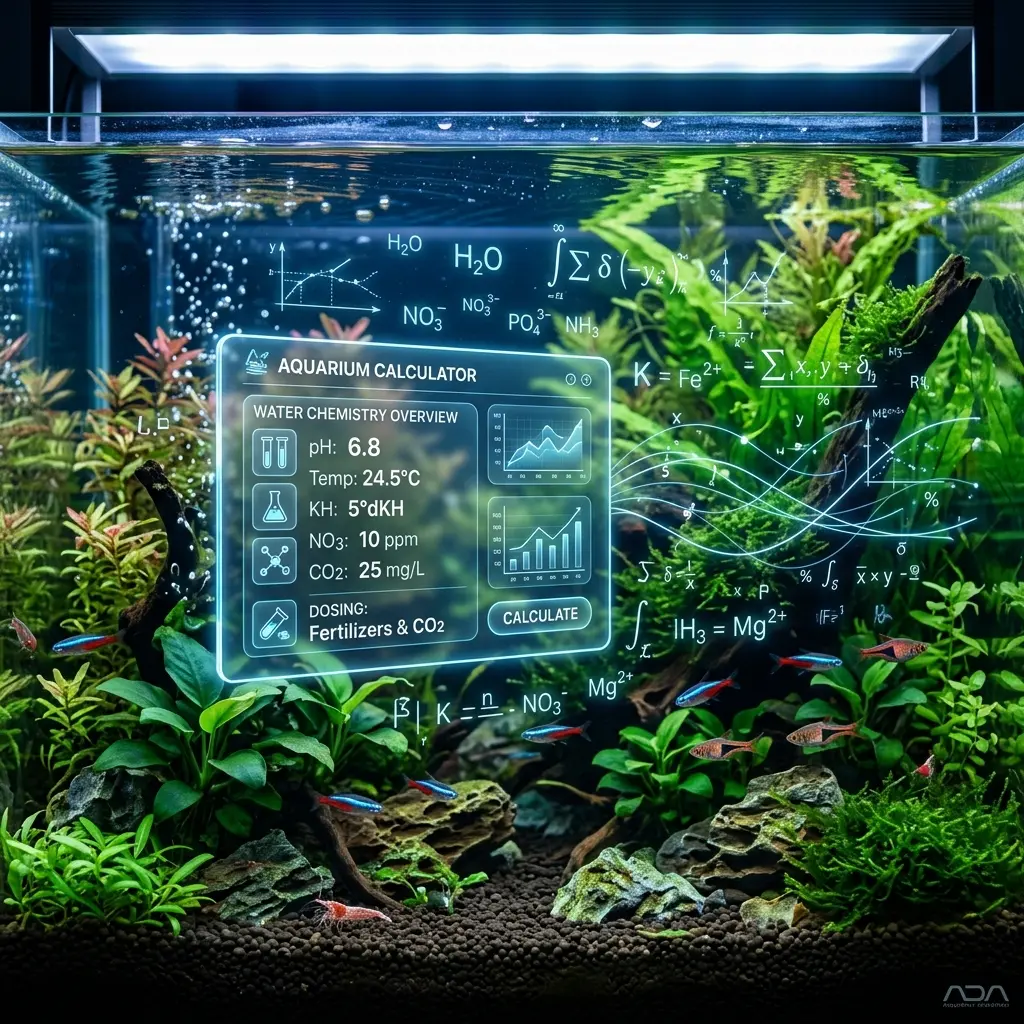
Technical Specifications & Benchmark Matrix
- Flow Requirement
- Place in an area of good water flow
What does an aquarium heater do?
An aquarium heater helps maintain water within a suitable temperature range for the fish, invertebrates, plants, and other organisms in a tank. The correct temperature depends on the species being kept. Consistency matters, but a stable temperature is not automatically suitable for every species.
A heater should be selected as part of the aquarium's overall temperature-management setup. Room temperature, tank volume, water movement, aquarium cover, and seasonal conditions can all affect heating requirements.
How do you choose the right aquarium heater wattage?
The required heater capacity depends mainly on three factors:
- Water volume: Larger aquariums generally require more heating capacity than smaller aquariums under otherwise similar conditions.
- Temperature difference: A tank that must stay substantially warmer than the surrounding room loses heat faster and may need more heater capacity.
- Room and aquarium conditions: Drafts, ventilation, an aquarium cover, insulation, water circulation, and seasonal temperature changes can affect heat loss.
Start by determining the target water temperature appropriate for your livestock and estimating the lowest typical room temperature around the aquarium. The difference between these temperatures helps indicate the heating demand.
Watts-per-gallon guidelines can be useful for an initial estimate, but they are not universal sizing rules. Use the manufacturer's recommendations and account for your aquarium's actual conditions before choosing a heater.
For a more tailored estimate, use the Aquarium Heater Wattage Calculator. Treat its result as a sizing estimate and verify that the selected equipment is suitable for your aquarium.
Which type of aquarium heater should you choose?
Submersible glass heaters
Submersible glass heaters are commonly used in home aquariums. Depending on the model, they may offer adjustable temperature settings and a built-in thermostat. Follow the manufacturer's instructions for immersion depth, orientation, clearance, and handling. Glass models can break if dropped, struck, or exposed to unsuitable temperature changes.
Titanium heaters
Titanium heating elements are often selected for systems where resistance to breakage is important, including some larger aquariums and marine setups. Controller and thermostat arrangements vary by product. Check whether the model includes temperature regulation or requires a compatible external controller.
Inline heaters
Inline heaters install in compatible filtration plumbing rather than directly inside the display aquarium. They can reduce visible equipment in the tank, but installation must follow the heater and filter manufacturers' requirements for flow, plumbing, and operating conditions.
Preset heaters
Preset heaters are designed to operate around a manufacturer-defined temperature rather than offering a full adjustment range. Check the stated setpoint, acceptable aquarium volume, and operating conditions before using one. A preset model may not suit species with different temperature requirements or rooms with large seasonal fluctuations.
Where should an aquarium heater be placed?
Follow the instructions supplied with the specific heater. Some models have particular requirements for orientation, immersion, minimum water level, and installation clearance.
Where the product permits, installing the heater in an area with good water movement can help distribute warmed water around the aquarium. Avoid placing equipment where it can run dry, become exposed during routine maintenance, or be damaged by decorations, livestock, or cleaning tools.
After installation, allow the system to operate as directed by the manufacturer. Check the water temperature at a suitable location with an independent thermometer rather than relying only on the heater's dial or indicator light.
How can you reduce aquarium heater failure risks?
Monitor temperature independently
Check the aquarium's actual water temperature regularly. A separate thermometer helps identify a difference between the displayed setting and the water temperature. Consider an alarm or independent temperature controller when appropriate for the system and livestock.
Understand the limits of controllers
An external controller can provide an additional temperature-control layer when it is compatible, correctly configured, and installed according to its instructions. Its sensor, settings, power connections, and the controller itself can still fail. It should not be treated as a guarantee against overheating.
Consider heater redundancy carefully
Using two heaters instead of one may provide partial redundancy in some setups. The result depends on total wattage, thermostat behavior, tank heat loss, room temperature, and the failure mode. Two heaters do not guarantee that the aquarium will stay warm if one fails, or that overheating cannot occur if a heater remains switched on.
Follow electrical and water-change precautions
Unplug the heater before lowering the water level or performing maintenance whenever required by the manufacturer's instructions. Allow the unit to cool for the specified period before removing it or exposing it to air. Never handle electrical equipment with wet hands, and arrange power cords with drip loops where appropriate. Use equipment with the correct electrical rating and follow local electrical-safety guidance.
Inspect the heater, power cord, seals, mounting hardware, and plug regularly. Stop using a unit that is cracked, leaking, damaged, or behaving abnormally, and follow the manufacturer's replacement and service guidance.
Aquarium heater troubleshooting
The aquarium is colder than the target temperature
Check the temperature with an independent thermometer. Confirm that the heater is powered, correctly installed, fully immersed as required, and suitable for the tank's heat loss. Inspect the thermostat setting and follow the manufacturer's troubleshooting instructions. Replace a defective unit rather than continuing to rely on it.
The aquarium is warmer than the target temperature
Check the temperature independently and verify the heater setting and any controller configuration. If the heater appears to be heating continuously or the water temperature is rising unexpectedly, disconnect power safely if you can do so without contacting water or damaged equipment. Follow the manufacturer's emergency guidance and seek qualified aquarium or aquatic-animal advice when needed. Avoid abrupt temperature changes that could further stress livestock.
The heater indicator is on, but the temperature is not increasing
An indicator light alone does not confirm that the heater is delivering the expected heat. Check the measured water temperature, installation requirements, room conditions, and manufacturer troubleshooting guidance. If the equipment appears faulty, discontinue use and replace or service it as directed.
The temperature changes throughout the day
Compare the aquarium temperature with room-temperature changes and check heater capacity, water circulation, thermostat settings, and any controller probe. Make adjustments gradually and in accordance with the needs of the species being kept. Do not assume that increasing heater wattage is the only solution.
Run Precision Calculations For Your Setup
Check species compatibility, volumetric displacement, and filtration turnover benchmarks for your specific aquarium parameters.
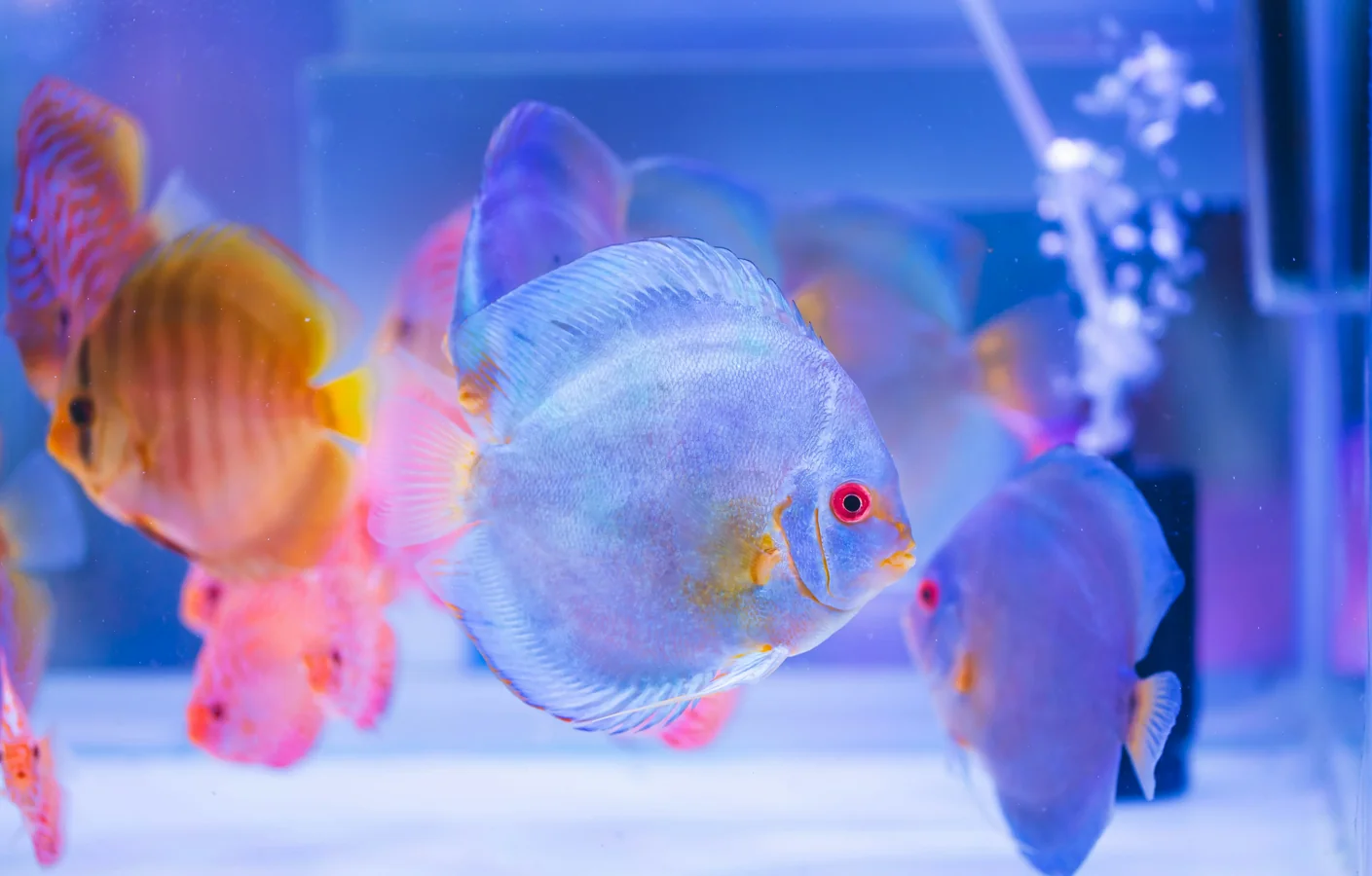
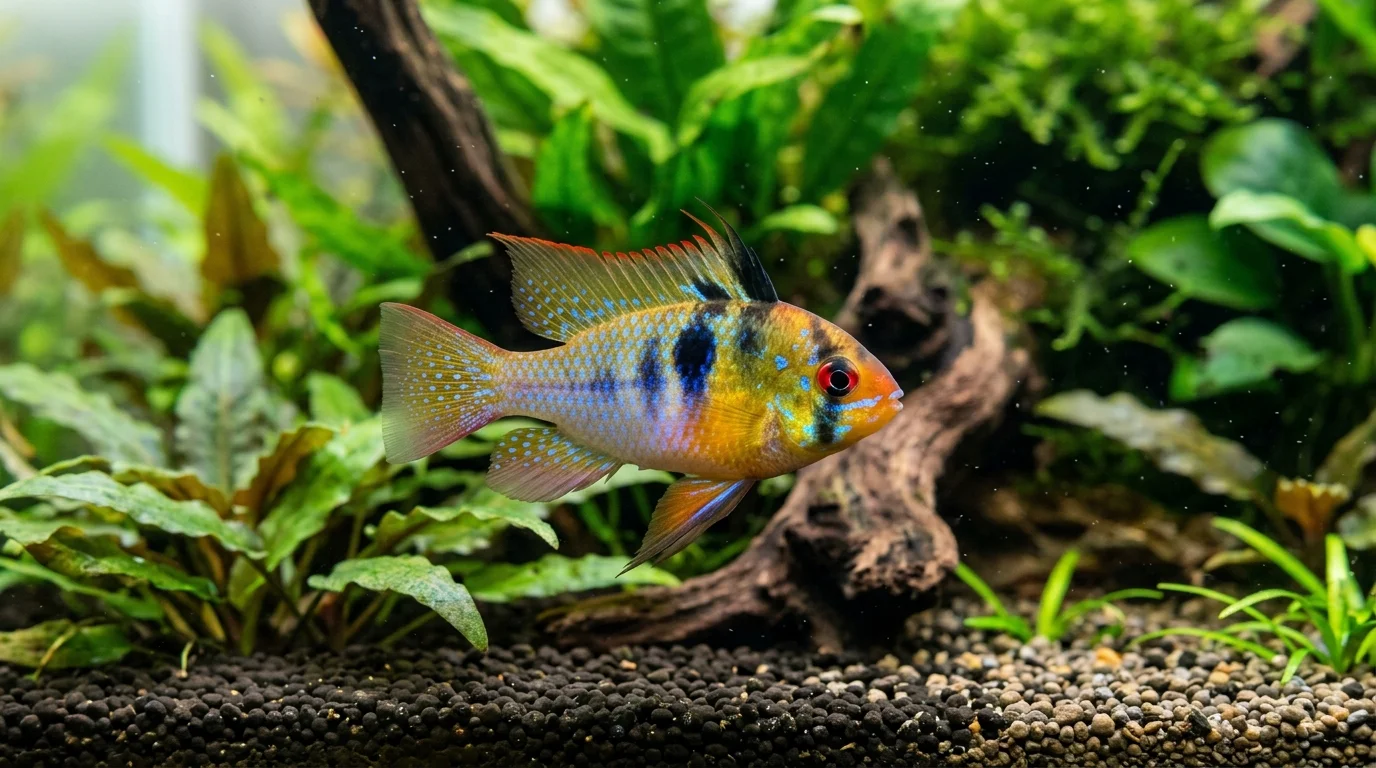
🐟 Associated Species Profiles & Susceptibility
Browse All Fish Profiles →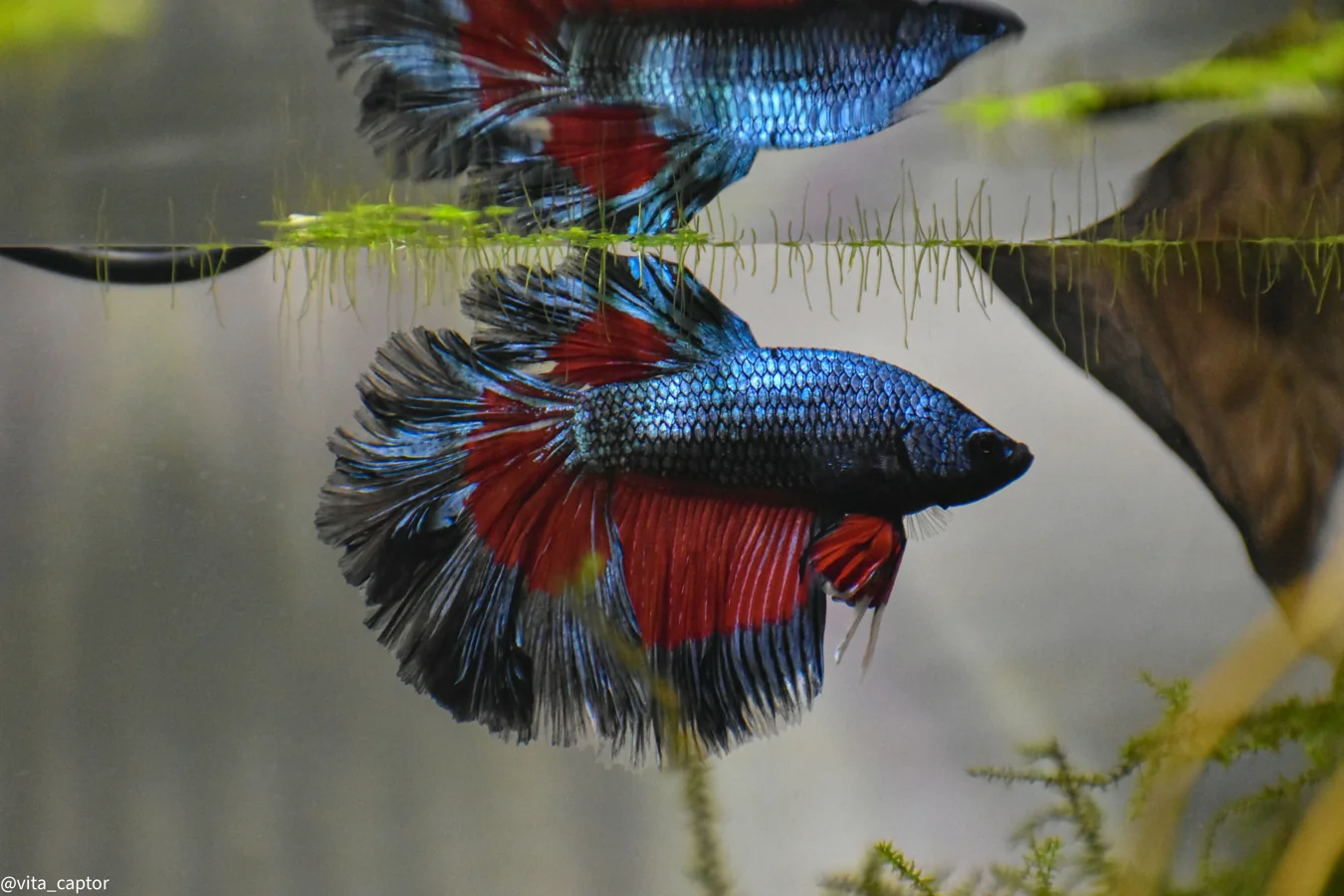
⚙ Diagnostic & Sizing Calculators
Prevent underpowering or overheating your tank with this interactive Aquarium Heater Size Guide. Calculate the ideal heater wattage based on your actual temperature delta – the difference between room temperature and target tank temperature. Get a safe wattage recommendation and learn why two smaller heaters are safer than one large one.
Estimate the net usable water volume in your aquarium.
Heater wattage guidance for a 29-gallon aquarium.
Heater wattage guidance for a 55-gallon aquarium.
Aquarium Heater Types Compared
| Heater type | Potential advantages | Important considerations |
|---|---|---|
| Submersible glass | Common option; many models offer adjustable thermostats | Can break if mishandled; follow immersion and orientation instructions |
| Titanium | Resistant to breakage compared with glass elements | Temperature-control features vary; check controller requirements |
| Inline | Keeps the heater out of the display aquarium | Requires compatible plumbing, flow, and installation |
| Preset | Simple operation around a manufacturer-defined setpoint | Limited adjustment; confirm the setpoint suits the livestock |