
Swim Bladder Disease
Technical Specifications & Benchmark Matrix
- Remediation Protocol
- Short fast -> water quality check -> Epsom salt in hospital tank -> deshelled pea -> antibiotics only if infection suspected
Overview
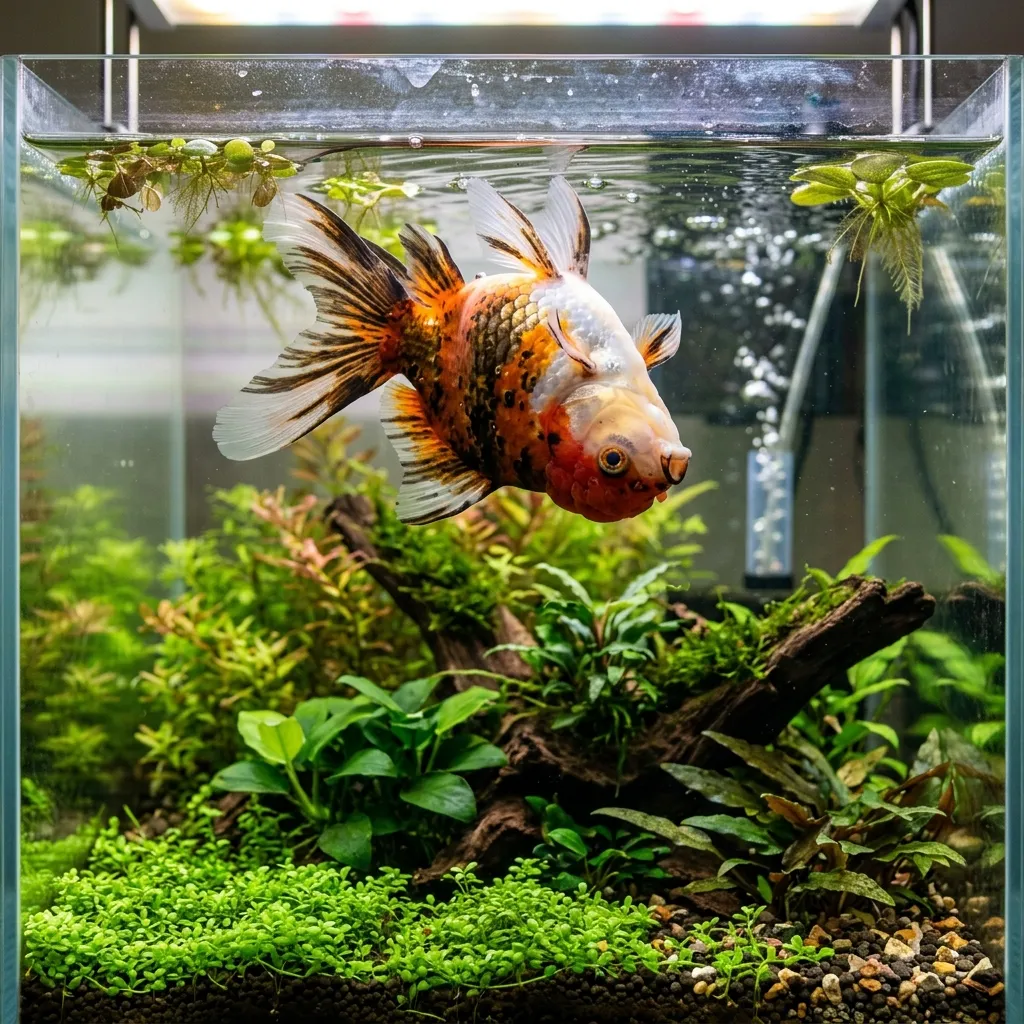
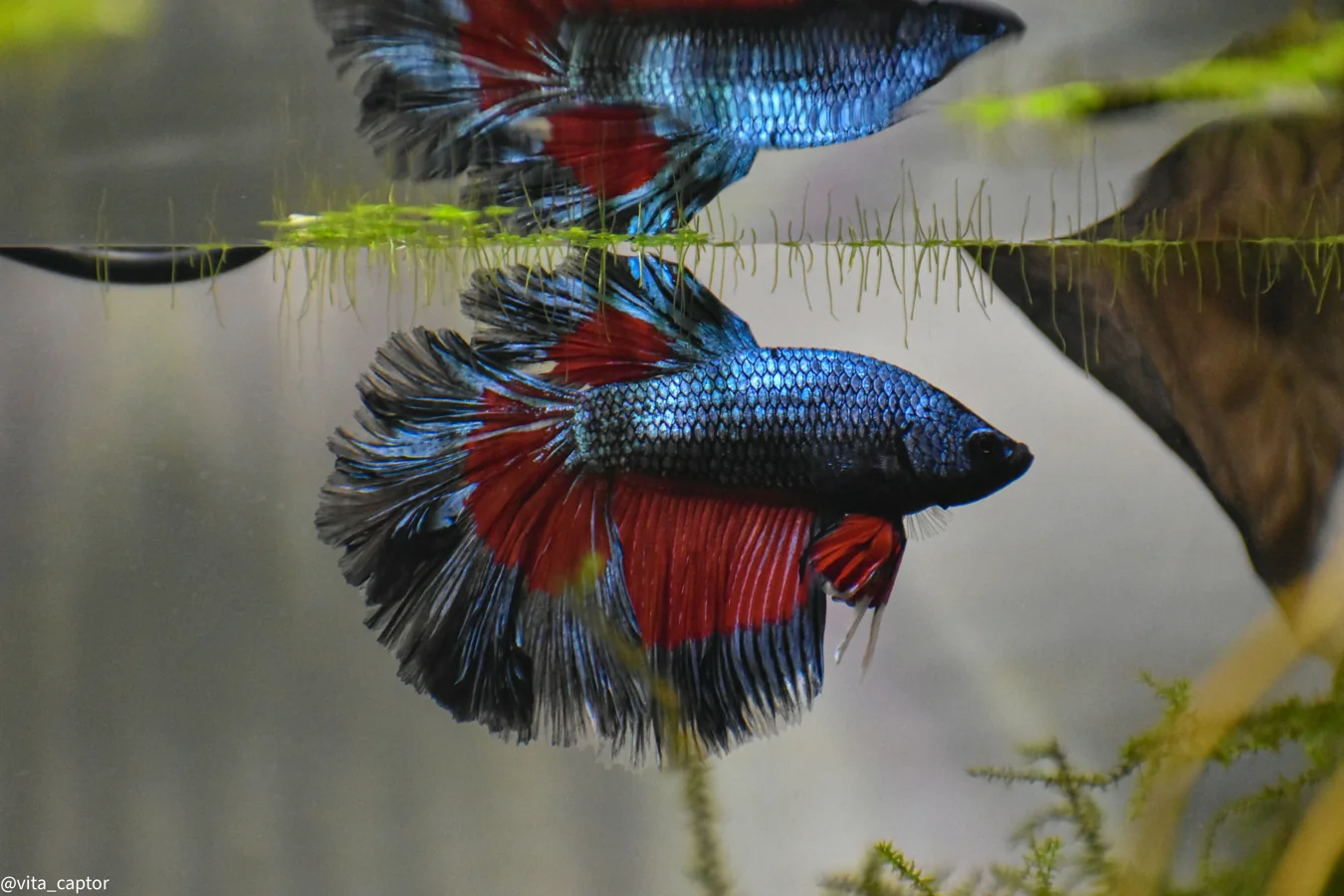
You walk past the tank and your goldfish is bobbing at the surface, unable to swim back down no matter how hard its fins work, or drifting sideways instead of gliding upright like usual. Swim bladder disease is a buoyancy disorder where a fish loses control over its position in the water, caused by dysfunction of the swim bladder, an internal gas-filled organ that normally lets fish hover effortlessly at any depth. It's one of the more visually alarming symptoms owners bring to me, largely because a fish stuck floating or sinking looks distressed even when the underlying cause is often mild and temporary. Fancy goldfish and certain betta strains show up in my practice disproportionately often, simply because selective breeding for rounded or short body shapes compresses the same internal space the swim bladder needs to function normally.
Causes
Constipation or overfeeding is the most common cause I see, where an enlarged, blocked digestive tract presses directly against the swim bladder and disrupts its normal function. This is especially common in goldfish, whose digestive tracts are proportionally longer and more prone to blockage than many other species. Bacterial or parasitic infection is the next most likely cause, sometimes tied to broader systemic illness rather than the swim bladder specifically being the primary problem. Physical injury, from a fall, rough handling during a move, or aggressive tankmates, can damage the swim bladder directly. Genetic deformity is a distinct and often permanent cause, particularly in fancy goldfish varieties like fantails and orandas and short-bodied betta strains, where selective breeding for body shape has compressed or malformed the swim bladder from birth.
Identification
Swim bladder disease presents as a fish floating persistently at the surface, sinking to the bottom unable to rise, or swimming sideways or upside down despite otherwise normal fin movement and energy level. Distinguish this from lethargy or general illness by watching specifically for the mechanical buoyancy problem — a fish with swim bladder disease is often still actively trying to swim normally and simply can't control depth or orientation, rather than appearing weak or unresponsive. Check for a visibly bloated or distended belly, which points toward constipation or overfeeding as the likely cause, versus redness, swelling, or clamped fins, which suggest infection is more likely responsible.
Treatment
For suspected constipation or overfeeding-related cases, fast the fish for 24-48 hours to let the digestive tract clear, then offer a single skinned, cooked pea, which provides fiber that helps move a blockage through the gut. Many cases show visible improvement within 2-3 days of this protocol, and it's low-risk enough that I recommend it as the default first step for any swim bladder case without other visible symptoms. If fasting and pea feeding show no improvement after 3-5 days, or if the fish shows a distended, red, or inflamed belly, lethargy, or appetite loss beyond what fasting alone would cause, infection is more likely and a broad-spectrum antibiotic is the more appropriate next step. Physical injury-related cases often improve gradually on their own with stable water quality and reduced stress, though recovery timelines vary significantly depending on injury severity.
Prognosis and Long-Term Management
Constipation and overfeeding-related swim bladder issues typically resolve fully within days once diet is corrected, and don't tend to recur if feeding habits, particularly portion size and food type, are adjusted going forward. Genetic deformities in fancy goldfish and certain betta strains, however, are frequently permanent, though a fish with a stable, mild buoyancy issue can often live a full, comfortable life with some accommodations. Lowering water level slightly, adding floating plants or gentle ramps near the surface, and avoiding tall, complex decor the fish might struggle to navigate around all improve quality of life without requiring the condition itself to resolve. I've seen fancy goldfish live many healthy years with a persistent, manageable buoyancy quirk — permanent doesn't necessarily mean poor quality of life, it just means ongoing accommodation rather than a one-time fix.
Run Precision Calculations For Your Setup
Check species compatibility, volumetric displacement, and filtration turnover benchmarks for your specific aquarium parameters.
🐟 Associated Species Profiles & Susceptibility
Browse All Fish Profiles →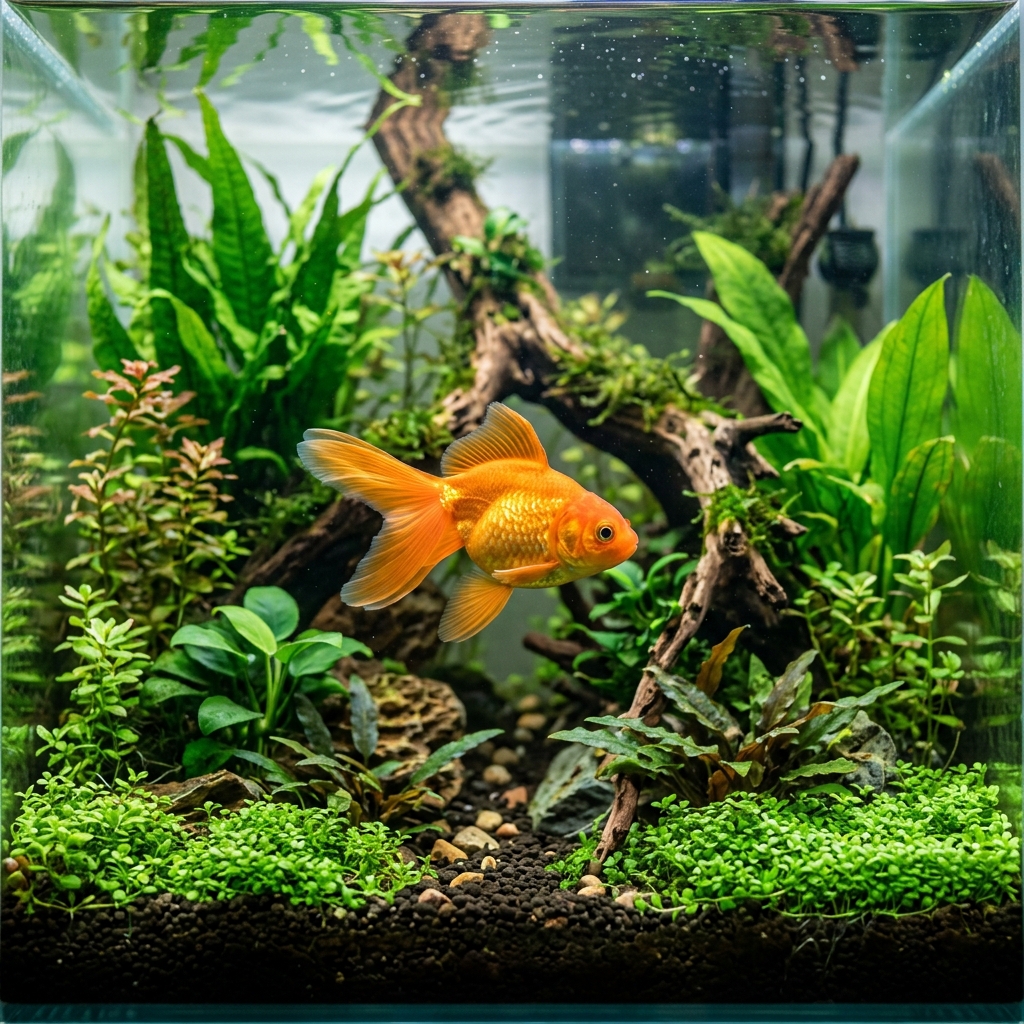
⚙ Diagnostic & Sizing Calculators
Enter your tank size, substrate displacement, and medication type — get an exact safe dose based on true net water volume. Includes scaleless fish half-dose warnings for copper, formalin, and malachite green treatments.
Estimate the net usable water volume in your aquarium.
Estimate a single water-change percentage and volume to dilute measured nitrate toward a selected target.
Swim Bladder Treatment Approaches Compared
| Method | Effectiveness | Cost | Time to See Change | Best For |
|---|---|---|---|---|
| 24-48 hour fast | High for constipation-related cases | Free | 1-2 days for initial improvement | First response for any suspected overfeeding cause |
| Skinned cooked pea | High for constipation-related cases, ineffective for other causes | Very Low (pennies per feeding) | 2-3 days | Confirmed or suspected digestive blockage |
| Broad-spectrum antibiotic | Moderate – effective if bacterial infection is the driver | Moderate ($10–20) | 5-7 day course | Cases with swelling, redness, or no improvement from fasting |
| Tank accommodation (shallower water, floating plants) | N/A – supportive only, not curative | Low-Free | Immediate quality-of-life improvement | Permanent or genetic buoyancy deformities |
Frequently Asked Questions
What causes swim bladder disease in fish?
Why is my fish floating upside down or sideways?
How do I treat swim bladder disease?
Is swim bladder disease permanent?
Are goldfish and bettas more prone to swim bladder problems?
Does feeding peas actually help swim bladder disease?
Should I fast a fish with swim bladder problems, and for how long?
When should I be worried that swim bladder disease is something more serious?
Sources & References
- Publisher:Wiley-Blackwell
- Accessed:2026-10-14
- Swim Bladder Disorders in Selectively Bred Ornamental Fish
- Source:Journal of Fish Diseases
- Digestive Disorders Associated with Feeding Practices in Captive Fish
- Source:Journal of Aquatic Animal Health
- Buoyancy Control Mechanisms and Pathology in Teleost Fish
- Source:American Association of Fish Veterinarians