
Angelfish Care Guide (Pterophyllum scalare)
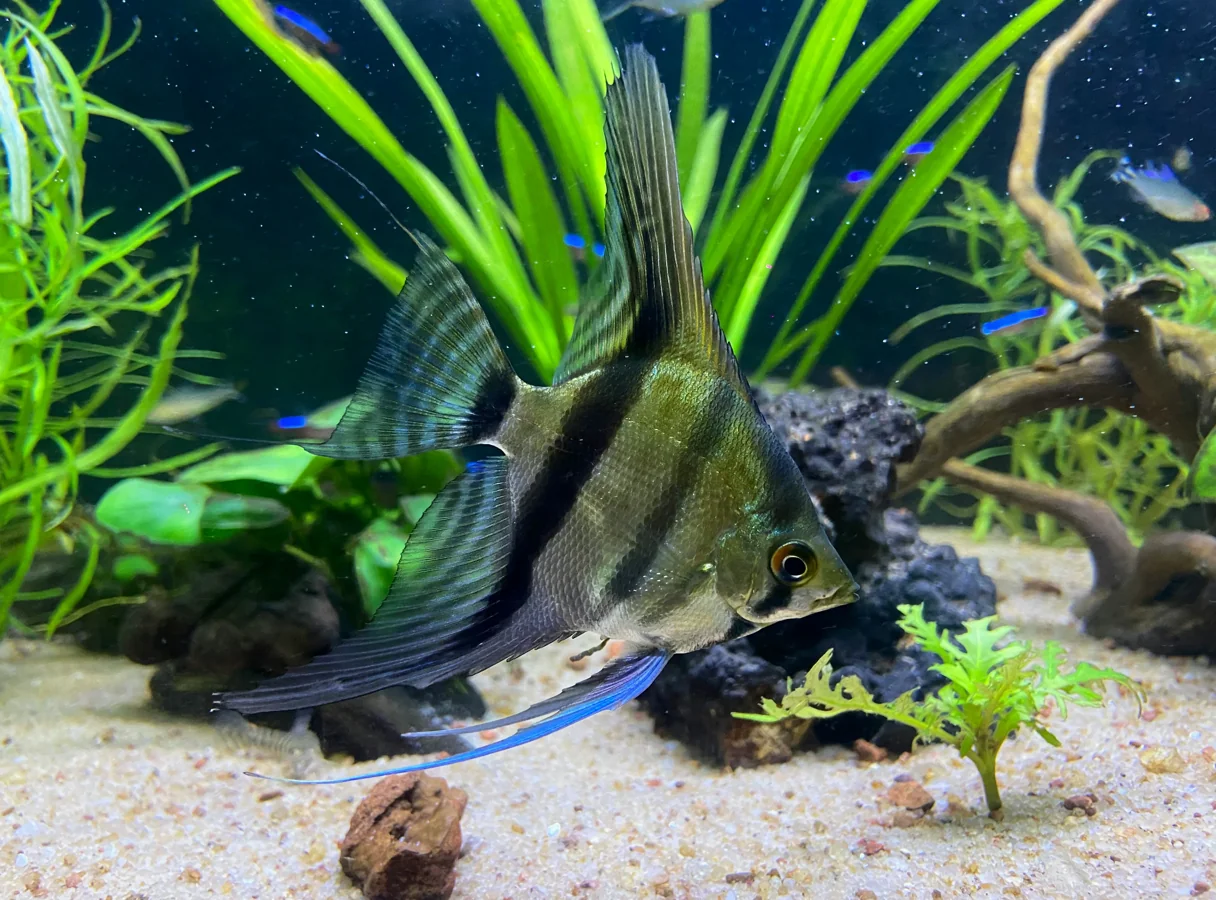
Quick Answer
Angelfish (Pterophyllum scalare) is a captivating and highly sought-after freshwater cichlid. It requires a minimum 30-gallon tall aquarium (18"+ height) with pH 6.5-7.5 and temperature 78-84°F (25.6-28.9°C). As an omnivore with semi-aggressive tendencies, careful tankmate selection is essential. Reaches 6" long × 8-10" tall and lives up to 10 years.
Quick Facts
| Scientific Name | Pterophyllum scalare |
|---|---|
| Common Names | Angelfish |
| Family | Cichlidae |
| Genus | Pterophyllum |
| Type | Freshwater |
| Temperament | semi-aggressive |
| Care Difficulty | intermediate |
| Lifespan | 10 years |
| Maximum Size | Up to 6 in (15 cm) |
| Diet | Omnivore |
| Temperature | 78–84°F (26–29°C) |
| pH | 6.5–7.5 |
| Hardness | 3–8 dGH |
| Minimum Size | 30 gallons |
Key Takeaways
- Requires tall tanks (18" minimum, 24" recommended) due to vertical body shape.
- Semi-aggressive temperament—avoid fin-nippers and nano fish.
- Omnivorous diet: high-quality pellets/flakes + frozen/live foods.
- Lifespan up to 10 years with optimal care.
- Sensitive to copper-based medications; use alternatives for parasite treatment.
- Best kept as single, confirmed pair, or group of 6+ to disperse aggression.
Overview
The Freshwater Angelfish (Pterophyllum scalare) is arguably the most recognizable and widely kept cichlid in the aquarium hobby. Known for their graceful swimming, unique diamond-shaped bodies, and long, flowing fins, they bring a distinct elegance to any tank.
Originating from the slow-moving rivers and flooded forests of the Amazon Basin in South America, these fish have evolved to navigate vertically through dense roots and submerged vegetation. Thanks to decades of captive breeding, they are now available in a stunning array of colors and patterns, including Silver, Marble, Koi, Zebra, Black, Golden, and Veil-tail varieties.
Ideal For
- Intermediate aquarists looking to step into the world of South American cichlids.
- Keepers wanting a striking, vertically oriented centerpiece fish for a tall planted tank.
- Breeders interested in substrate-spawning cichlids with strong parental care.
Appearance
Angelfish possess a laterally compressed, disc-like body that allows them to glide effortlessly between plants and roots. Their dorsal and anal fins are highly elongated, making the fish taller than it is long. Adult Angelfish can easily reach 6 inches (15 cm) in body length and an impressive 8 to 10 inches (20-25 cm) in vertical height. Males are generally larger than females and may develop more extended fins.
Natural Habitat
In the wild, they inhabit the slow-moving, deeply shaded waters of the Amazon River basin. These environments are often ‘blackwater’, tinted dark with tannins from decaying leaves and wood, creating soft, acidic conditions (pH 6.0-6.8) with minimal water flow and temperatures of 77-82°F (25-28°C).
Care
Housing & Pond Requirements
The most critical factor in housing an Angelfish is vertical space. Standard long tanks are often too shallow for adults, resulting in stunted growth or bent fins. A 30-gallon tall aquarium is the absolute minimum for a single fish or a bonded pair, but a 55-gallon (or larger) is highly recommended, especially if you plan to keep a group.
Provide plenty of vertical structure. Tall plants like Vallisneria or Amazon Swords, along with vertically oriented driftwood, replicate their natural flooded forest habitat and help them feel secure.
Water Parameters
Captive-bred Angelfish are quite adaptable, but they still thrive best in conditions that mimic their Amazonian roots.
Temperature
Maintain a warm 78–82°F (25–28°C). They are tropical fish and require a reliable heater. Keep the temperature stable to prevent stress and ich.
pH
Maintain 6.5–7.5. While wild-caught specimens require strictly acidic blackwater, domestic strains are comfortable in slightly acidic to neutral water.
Water Flow
Keep it gentle. Due to their sail-like bodies, Angelfish are poor swimmers in strong currents. Use sponge filters or baffle the output of your hang-on-back or canister filter.
Diet
Angelfish are enthusiastic omnivores, though they lean heavily toward a carnivorous diet in the wild, feeding on small insects and crustaceans.
- Staple Diet: Feed a high-quality cichlid pellet or flake designed for mid-water feeders.
- Protein Supplements: Frozen or freeze-dried bloodworms, brine shrimp, and daphnia are excellent for bringing out their colors and conditioning them for breeding.
- Live Foods: They will eagerly hunt live foods, but be cautious of introducing parasites.
Be warned: Angelfish are opportunistic predators. If a tank mate (like a Neon Tetra) is small enough to fit in their mouth, it will eventually become a snack.
Health
Angelfish are generally robust, but their large fins make them susceptible to damage and subsequent infections if water quality is poor. They are also sensitive to certain medications, particularly copper-based treatments.
Fin Rot
Bacterial infection causing progressive fin deterioration, often triggered by poor water quality or fin-nipping tank mates.
- Frayed, disintegrating fins often with white or milky edges.
- Reddening at the fin base.
- Lethargy and reduced appetite.
Bacterial infection (typically Aeromonas or Pseudomonas) brought on by poor water quality. Aggressive tank mates nipping their long, flowing fins. Stress from overcrowding or incompatible water parameters.
Maintain pristine water conditions with 0 ppm ammonia/nitrite and nitrates below 20 ppm. Carefully monitor tank mate compatibility—avoid fin-nippers like Tiger Barbs. Perform weekly 25% water changes and use a high-quality filter.
Hexamita (Hole in the Head)
A flagellate parasite causing pitting lesions on the head and lateral line, often fatal if untreated.
- Pitting or holes forming around the head and lateral line.
- White stringy feces.
- Loss of appetite and weight loss.
- Lethargy and darkened coloration.
A flagellate parasite (Hexamita spp.) exacerbated by stress. Poor diet lacking essential vitamins and minerals. Poor water quality and inadequate filtration.
Feed a varied, high-quality diet including vitamin-enriched foods. Maintain excellent water chemistry with stable parameters. Treat early with Metronidazole (250mg per 10 gallons for 5-7 days).
Ich (White Spot Disease)
Common protozoan parasite causing white salt-like spots on skin and fins. Angelfish are sensitive to copper treatments.
- White salt-like spots on body and fins.
- Rubbing against decorations (flashing).
- Rapid breathing and clamped fins.
- Lethargy and loss of appetite.
Ichthyophthirius multifiliis parasite introduced via new fish or plants. Stress from temperature fluctuations or poor water quality. Overcrowding and inadequate quarantine procedures.
Quarantine all new fish and plants for 2-4 weeks. Maintain stable temperature between 78-84°F. Use malachite green at half dose (0.05 mg/L) instead of copper-based treatments.
Bloat / Dropsy
Internal bacterial infection causing fluid retention and abdominal swelling. Often fatal without immediate treatment.
- Swollen, pinecone-like abdomen (scales sticking out).
- Lethargy and loss of appetite.
- Floating at the surface or sinking to the bottom.
- Clamped fins and rapid breathing.
Internal bacterial infection (Aeromonas or Pseudomonas). Overfeeding or feeding low-quality foods. Poor water quality with high nitrate levels.
Feed a balanced diet with appropriate portions (2-3 times daily, what they can eat in 2-3 minutes). Maintain excellent water quality with regular testing. Treat early with broad-spectrum antibiotics like Kanamycin or Maracyn-Two.
Breeding
Angelfish are relatively easy to breed in captivity. Because sexing them is nearly impossible until they spawn, the best method is to buy a group of 6 juveniles, raise them together, and let them naturally form bonded pairs.
They are substrate spawners that prefer vertical surfaces. Provide a broad-leafed plant (like an Amazon Sword), a piece of slate, or a specialized breeding cone. The female will lay rows of eggs, followed by the male fertilizing them.
The parents will fiercely guard the eggs, fanning them with their pectoral fins to prevent fungus. Eggs hatch in about 60 hours, and fry become free-swimming a few days later, at which point they can be fed newly hatched baby brine shrimp.
Tips
Common Mistakes
It is a classic mistake to mix Angelfish with small, torpedo-shaped fish like Neon Tetras. While they might get along when the Angelfish is young, a full-grown adult will eventually hunt and eat them.
Keeping an Angelfish in a standard 20-gallon ‘long’ tank will stunt their growth and permanently bend their dorsal and anal fins. Always prioritize tall aquariums.
Expert Tips
To encourage natural behavior and boost their immune system, add Indian Almond leaves (Catappa leaves) to the tank. This releases tannins, replicating their natural blackwater environment.
Compatible Tank Mates
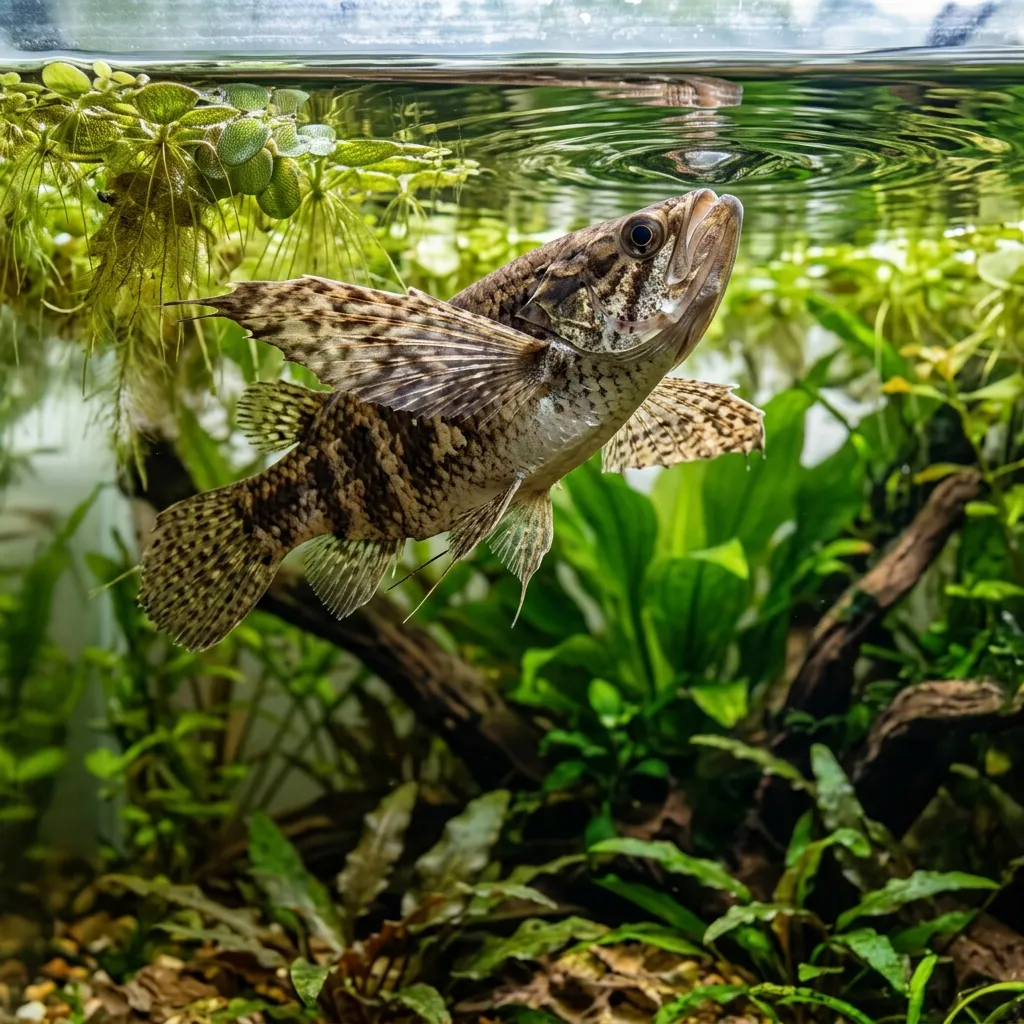
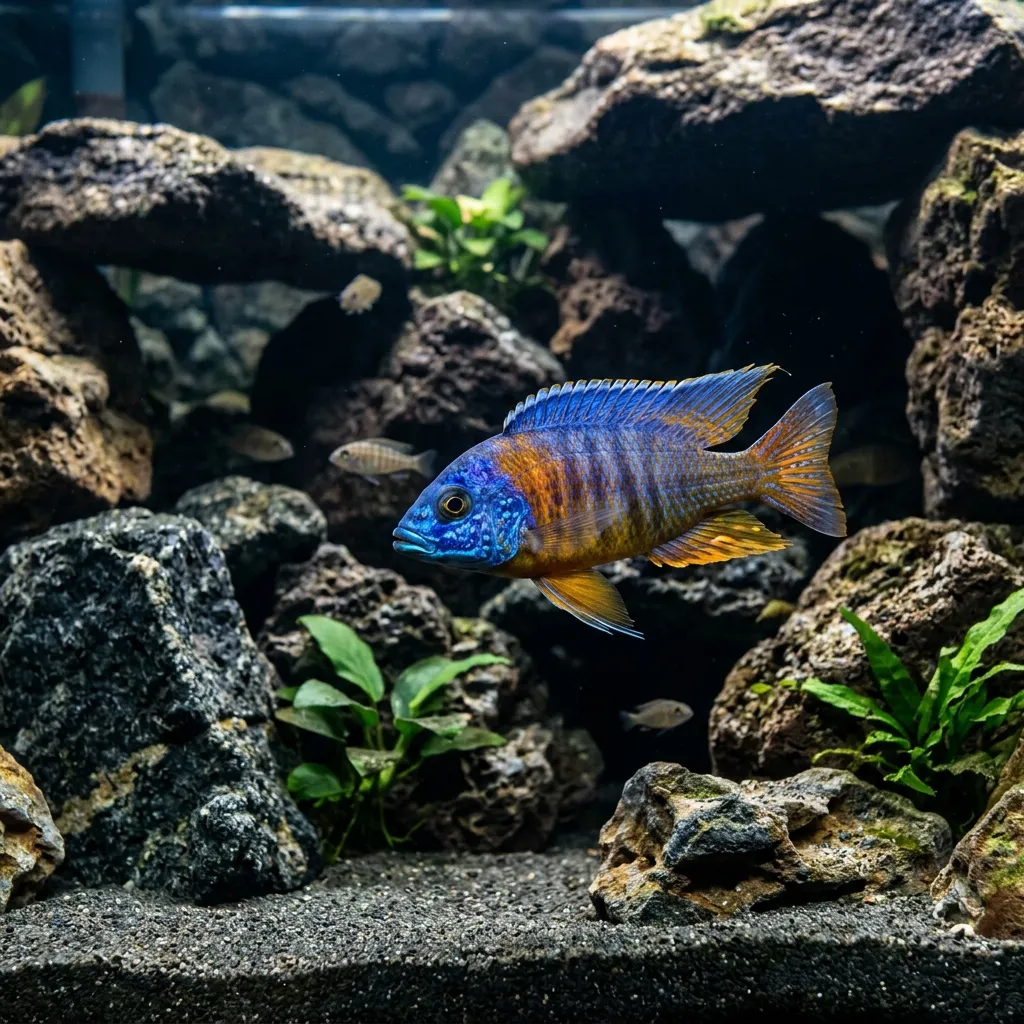
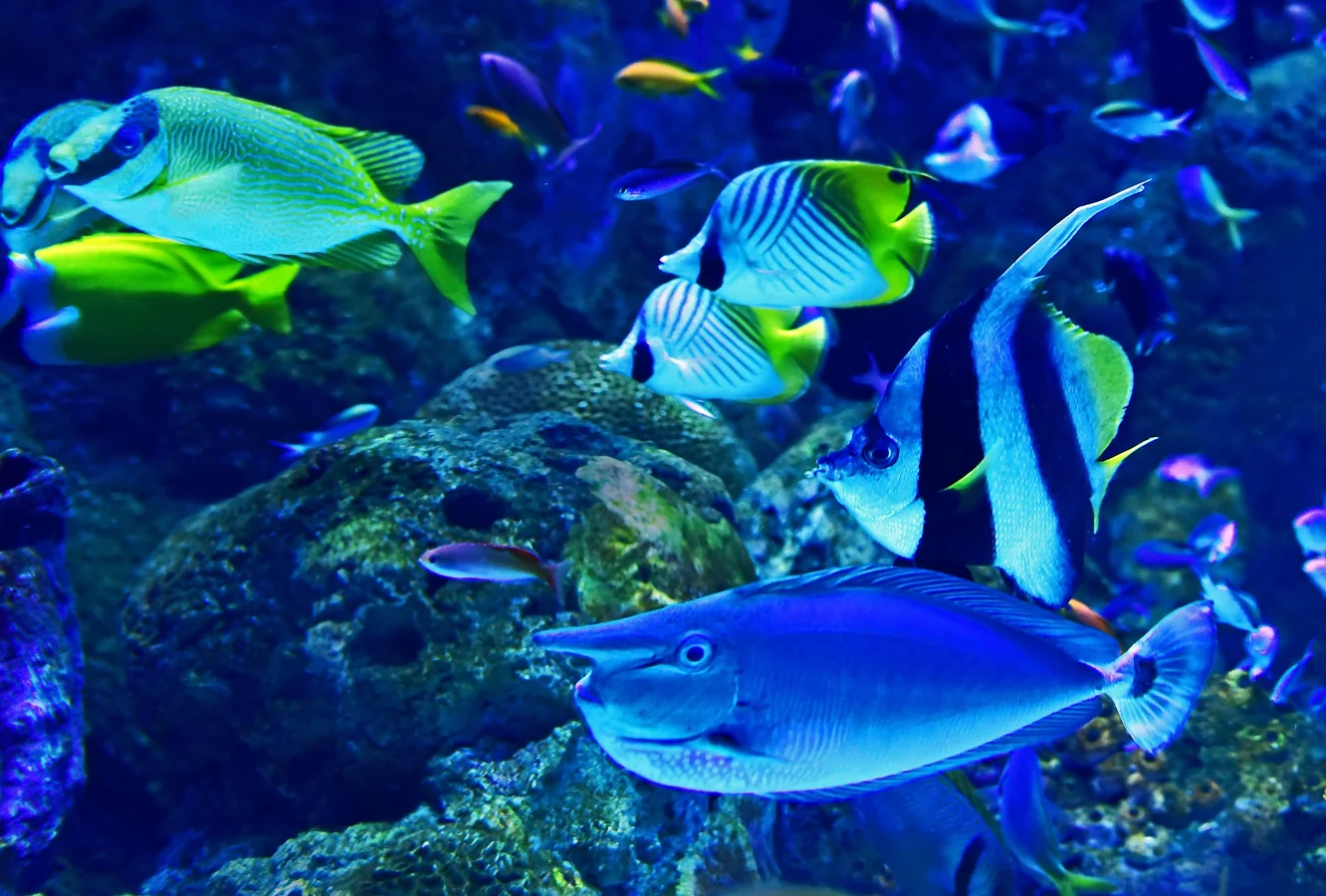
Angelfish Varieties Comparison
| Feature | Pterophyllum scalare | Pterophyllum altum | Pterophyllum leopoldi |
|---|---|---|---|
| Common Name | Freshwater Angelfish / Common Angelfish | Altum Angelfish / Deep Angelfish | Leopold's Angelfish / Long-nosed Angelfish |
| Adult Size (Body) | 6 in (15 cm) | 7 in (18 cm) | 4 in (10 cm) |
| Adult Size (Height with Fins) | 8-10 in (20-25 cm) | 9-12 in (23-30 cm) | 6-7 in (15-18 cm) |
| Minimum Tank Size | 30 gallons (tall) | 55 gallons (tall) | 20 gallons (tall) |
| Care Difficulty | Intermediate | Advanced | Intermediate |
| Temperament | Semi-aggressive | Semi-aggressive | Aggressive (most aggressive of the three) |
| Water pH | 6.5 - 7.5 (tank-bred adaptable) | 5.0 - 6.5 (strictly soft/acidic) | 6.0 - 7.0 |
| Water Hardness (dGH) | 3 - 8 | 1 - 3 (very soft) | 3 - 8 |
| Temperature (°F) | 78 - 84 | 82 - 86 | 78 - 82 |
| Availability | Very Common (most pet stores) | Rare (specialty breeders) | Very Rare (almost never seen) |
| Price Range | $5 - $30 | $30 - $100+ | $50 - $150+ |
| Color Varieties | Silver, Marble, Koi, Zebra, Black, Golden, Veil-tail, Platinum | Silver with vertical stripes (wild-type only) | Silver with faint stripes |