Water Quality
Technical Specifications & Benchmark Matrix
- Preventative Checklist
- Consistent light feeding + regular partial water changes + routine filter maintenance
Overview
There is an old saying in the aquarium hobby: *"We don't keep fish, we keep water. The water keeps the fish."*
Water quality is the invisible foundation of a successful aquarium. To the human eye, water can look crystal clear while simultaneously containing lethal levels of toxic chemicals. Conversely, water tinted brown by driftwood tannins might look dirty to us, but feel like a pristine natural habitat to a tetra. You cannot gauge water quality by looking at it; you must measure it.
Understanding water quality means mastering a handful of core chemical parameters. When these parameters are out of balance, fish suffer chronic stress, their immune systems shut down, and they become highly susceptible to diseases like Ich, Fin Rot, and bacterial infections. Maintaining pristine water quality prevents 90% of all aquarium diseases.
The 'Big Three' (The Nitrogen Cycle)
Every time you feed your fish, you are introducing organic matter into a closed ecosystem. As fish digest this food and excrete waste, they produce ammonia. The biological filtration in your tank (the beneficial bacteria) breaks this down in a three-step process called the Nitrogen Cycle.
1. **Ammonia (NH3/NH4+):** Highly toxic. It burns fish gills, destroys tissue, and causes rapid death. In a healthy, cycled aquarium, Ammonia should **always measure 0 ppm**. 2. **Nitrite (NO2-):** The byproduct of ammonia processing. It is also highly toxic and binds to a fish's red blood cells, suffocating them from the inside out. Nitrite should **always measure 0 ppm**. 3. **Nitrate (NO3-):** The final byproduct. It is far less toxic and is only harmful in very high concentrations over long periods. Nitrate is removed by performing weekly water changes (use our [Water Changes Calculator](/calculators/water-changes-calculator/) to determine the exact amount). It should generally be kept **below 20 ppm**.
pH, KH, and GH
While the Nitrogen Cycle deals with waste, these three parameters deal with the mineral composition of the water.
* **pH (Acidity/Alkalinity):** The scale runs from 0 to 14. Stability is far more important than hitting a specific target. A stable pH of 7.6 is much safer for a fish that prefers 7.0 than a pH that wildly swings back and forth. **Do not use chemical 'pH Down' or 'pH Up' products**, as they cause lethal fluctuations. * **KH (Carbonate Hardness):** This is your water's 'buffer'. It acts as a shield that prevents the pH from crashing. If your KH is extremely low, natural biological processes will eventually cause your pH to plummet, which can kill your fish. * **GH (General Hardness):** This measures calcium and magnesium. Snails, shrimp, and livebearers (like Guppies) need high GH for their shells and bones. Tetras and Discus prefer soft, low-GH water.
How to Test Your Water
To understand your water, you need the right tools.
**Paper test strips are cheap and fast, but they are notoriously inaccurate.** The moment you open a tube of strips, humidity in the air begins degrading the chemical pads. They frequently show safe readings when the tank is actually toxic.
Every aquarist should invest in a **Liquid Drop Test Kit** (the API Freshwater Master Test Kit is the industry standard). While they take 5 minutes to perform and involve shaking tiny vials of chemicals, they are highly accurate, last for years, and end up being far cheaper per-test than strips.
The Golden Rule of Maintenance
The secret to pristine water quality is consistency. You cannot simply top off evaporated water—that leaves the concentrated waste and minerals behind (a process called 'old tank syndrome'). You must physically remove 20% to 30% of the water every single week (our [Water Changes Calculator](/calculators/water-changes-calculator/) can help you calculate the exact volume) and replace it with fresh, temperature-matched, dechlorinated tap water.
Combined with a liquid test kit to monitor your parameters, a strict weekly water change schedule is the only magic potion you will ever need in the aquarium hobby.
Run Precision Calculations For Your Setup
Check species compatibility, volumetric displacement, and filtration turnover benchmarks for your specific aquarium parameters.
🐟 Associated Species Profiles & Susceptibility
Browse All Fish Profiles →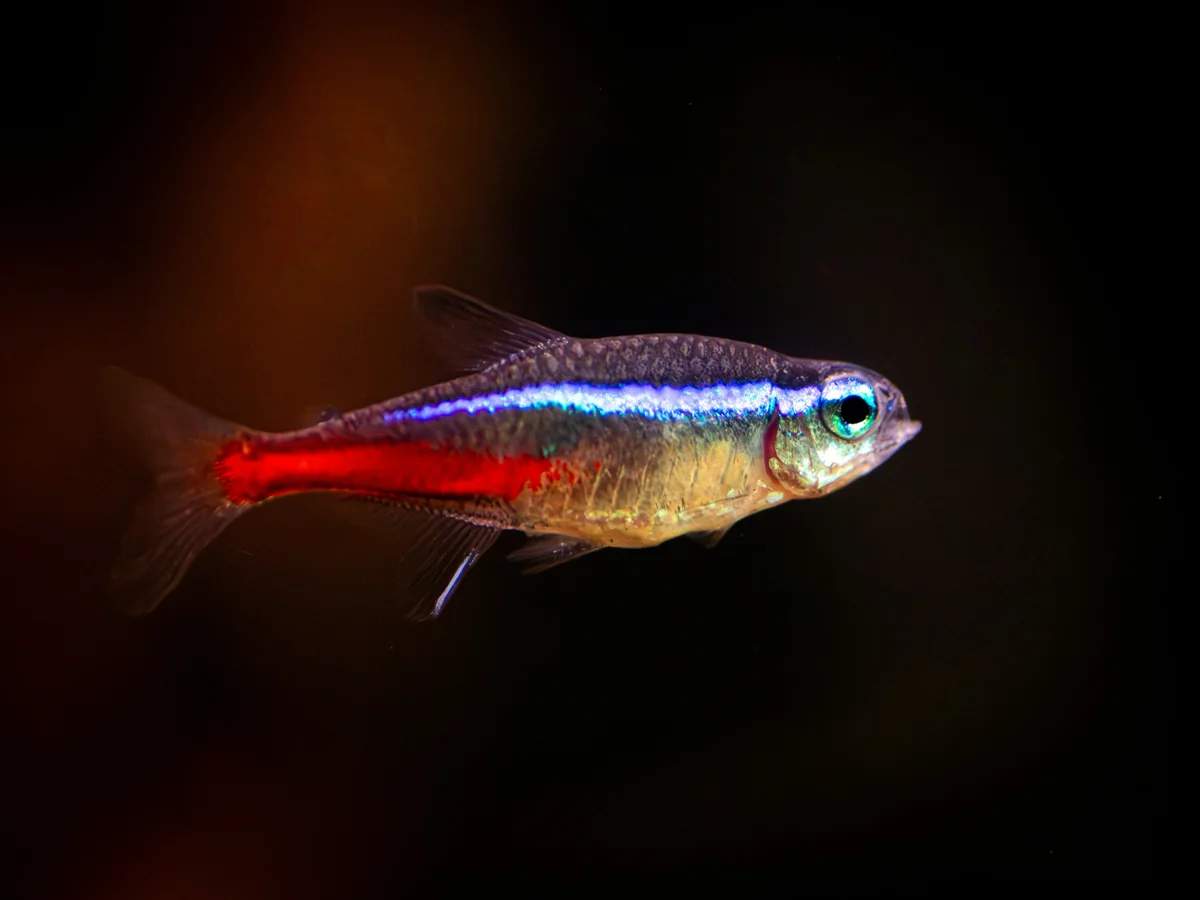
Associated species profile & care guidelines
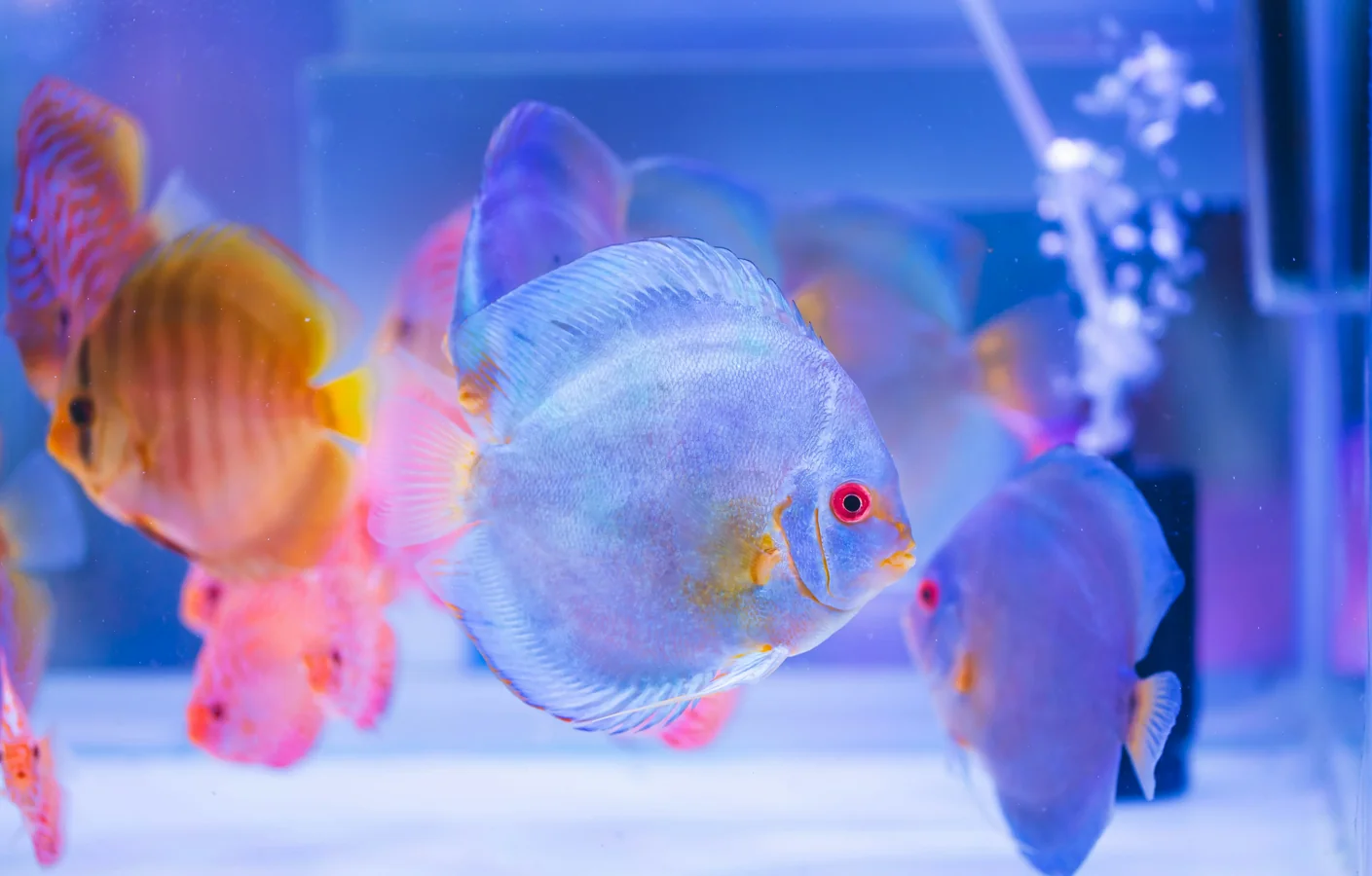
Associated species profile & care guidelines
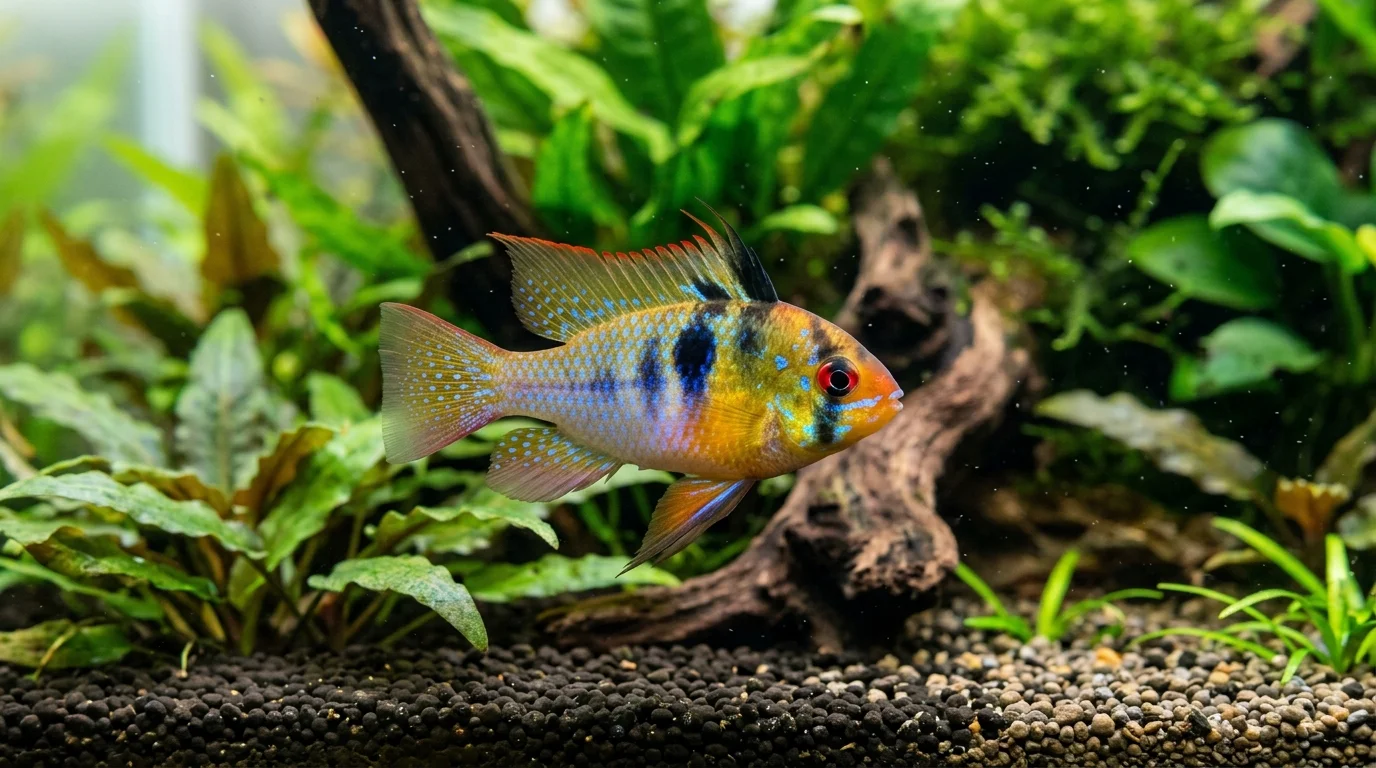
Associated species profile & care guidelines
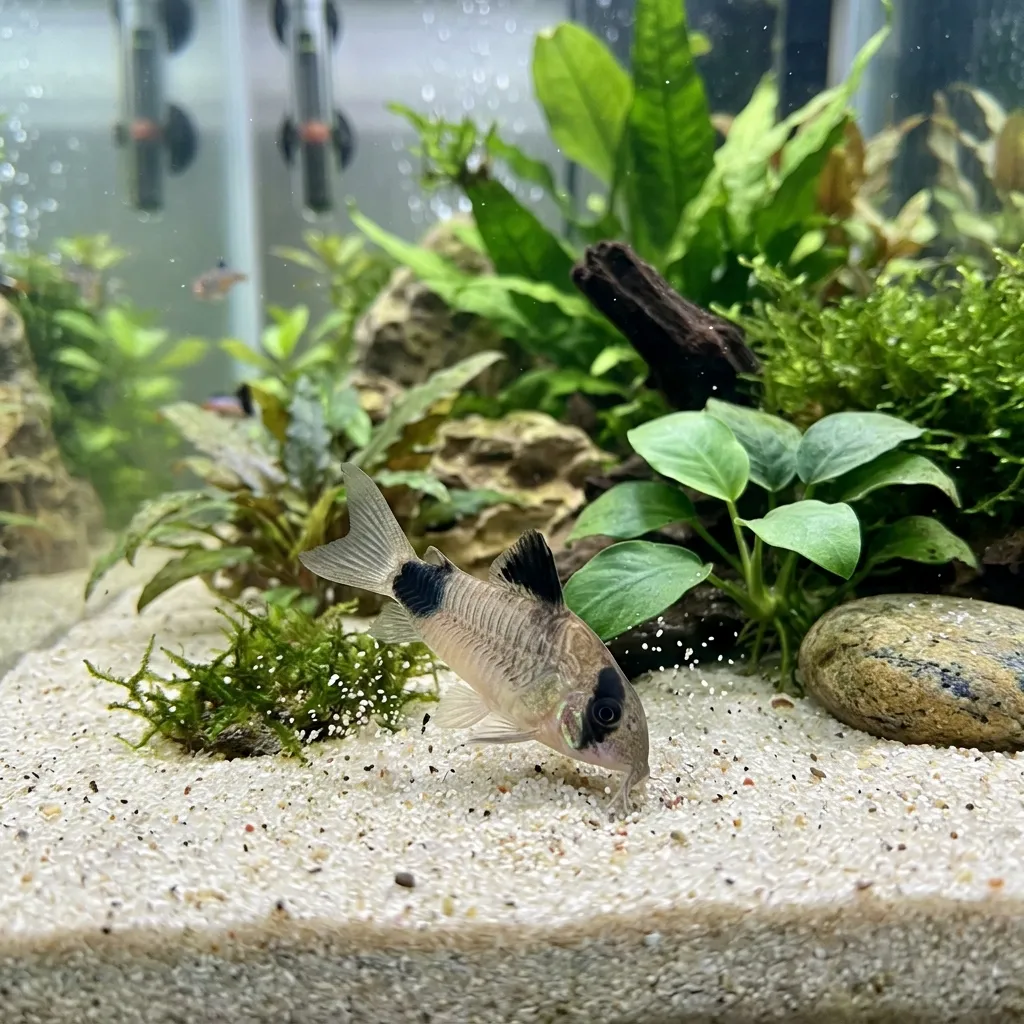
Associated species profile & care guidelines
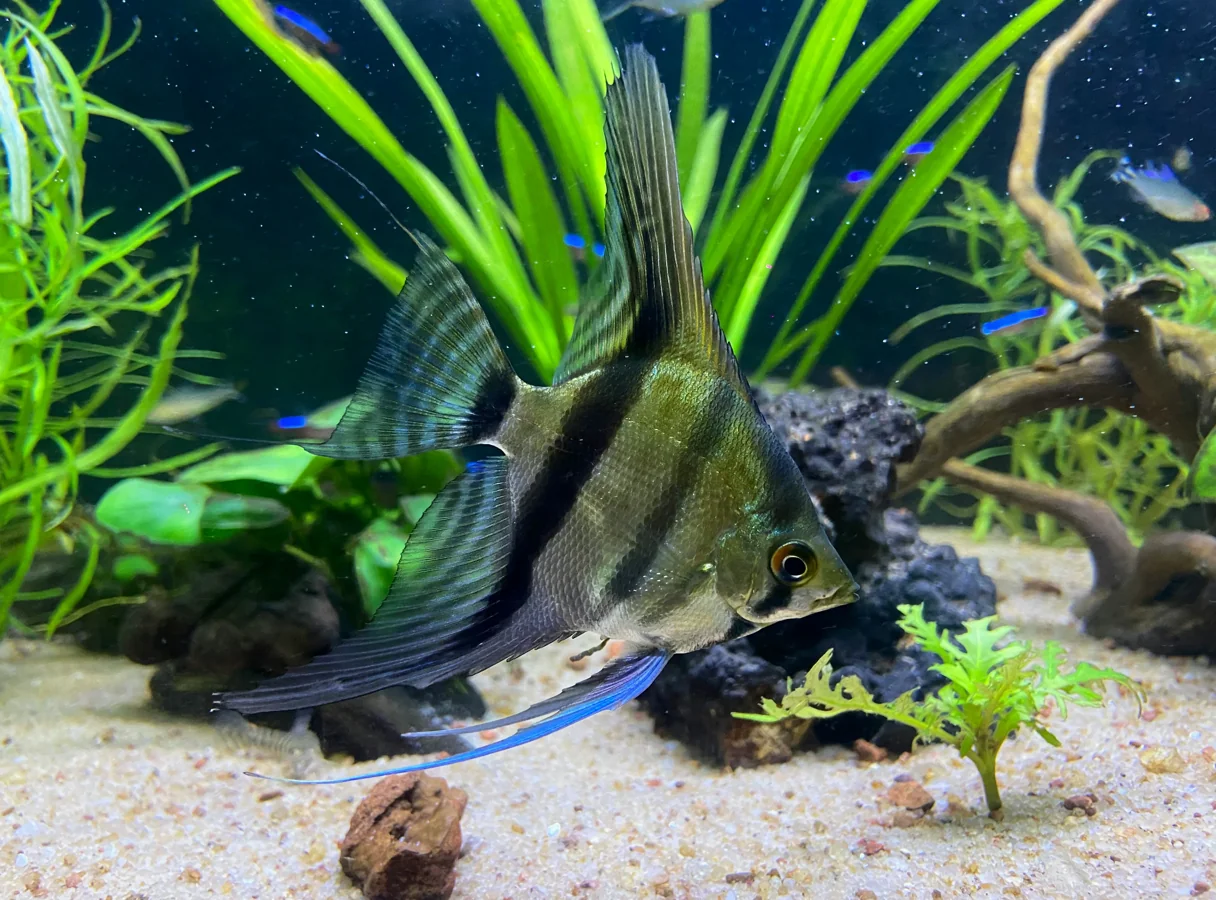
Associated species profile & care guidelines
⚙ Diagnostic & Sizing Calculators
Estimate a single water-change percentage and volume to dilute measured nitrate toward a selected target.
Enter TAN as nitrogen (mg/L), pH, and temperature to estimate freshwater molecular NH3. This model assumes zero salinity and is not for brackish or marine water.
Never buy an underpowered filter again. Calculate exactly how much filter flow rate (turnover) your aquarium needs to keep water clear, ammonia zero, and fish healthy — based on your specific tank size, stocking density, and fish species.
Estimate the net usable water volume in your aquarium.
Liquid Drop Tests vs. Paper Test Strips
| Feature | Liquid Drop Test Kit | Paper Test Strips |
|---|---|---|
| Accuracy | Extremely High | Low to Moderate |
| Cost per Test | Very Low (~$0.03/test) | High (~$0.30/test) |
| Shelf Life | 3-5 Years | Degrades rapidly once opened |
| Time to Results | 5 Minutes | 60 Seconds |
Frequently Asked Questions
What should my water parameters be?
Why is my tank water cloudy?
Are test strips accurate enough?
How often should I test my water?
Can I use bottled water instead of tap water?
Sources & References
- Publisher:Wiley-Interscience
- Accessed:2026-10-14
- Publisher:U.S. Environmental Protection Agency
- Accessed:2026-10-14
- Water Quality in Aquaculture and Aquariums
- Source:Southern Regional Aquaculture Center
- The Nitrogen Cycle and Biological Filtration
- Source:Journal of Applied Aquaculture