Ammonia Spike
Concentration Severity & Physiological Response
Zero physiological stress; normal respiration
None (Target biological equilibrium)
Mild gill membrane irritation, clamped fins, subtle lethargy
25–30% water change, verify filter operation, pause feeding
Severe chemical gill burn, surface gasping, internal hemorrhaging, rapid mortality
Immediate 50% water change, full emergency dose of ammonia binder, max aeration
Key Thresholds & Treatment Benchmarks
- Un-ionized Ammonia (NH3) Limit
- 0.02 mg/L (ppm)
- Continuous chronic exposure threshold across freshwater teleost species
- First-Response Dilution Volume
- 50% tank volume
- Immediately halves dissolved ammonia without causing osmotic shock if temperature and pH are matched
- Feeding Fast Duration
- 24 to 48 hours
- Stops exogenous organic nitrogen input without nutritional harm to adult fish
Technical Specifications & Benchmark Matrix
- Emergency Protocol
- Immediate 50% water change + binder detoxifier + suspend feeding
Overview
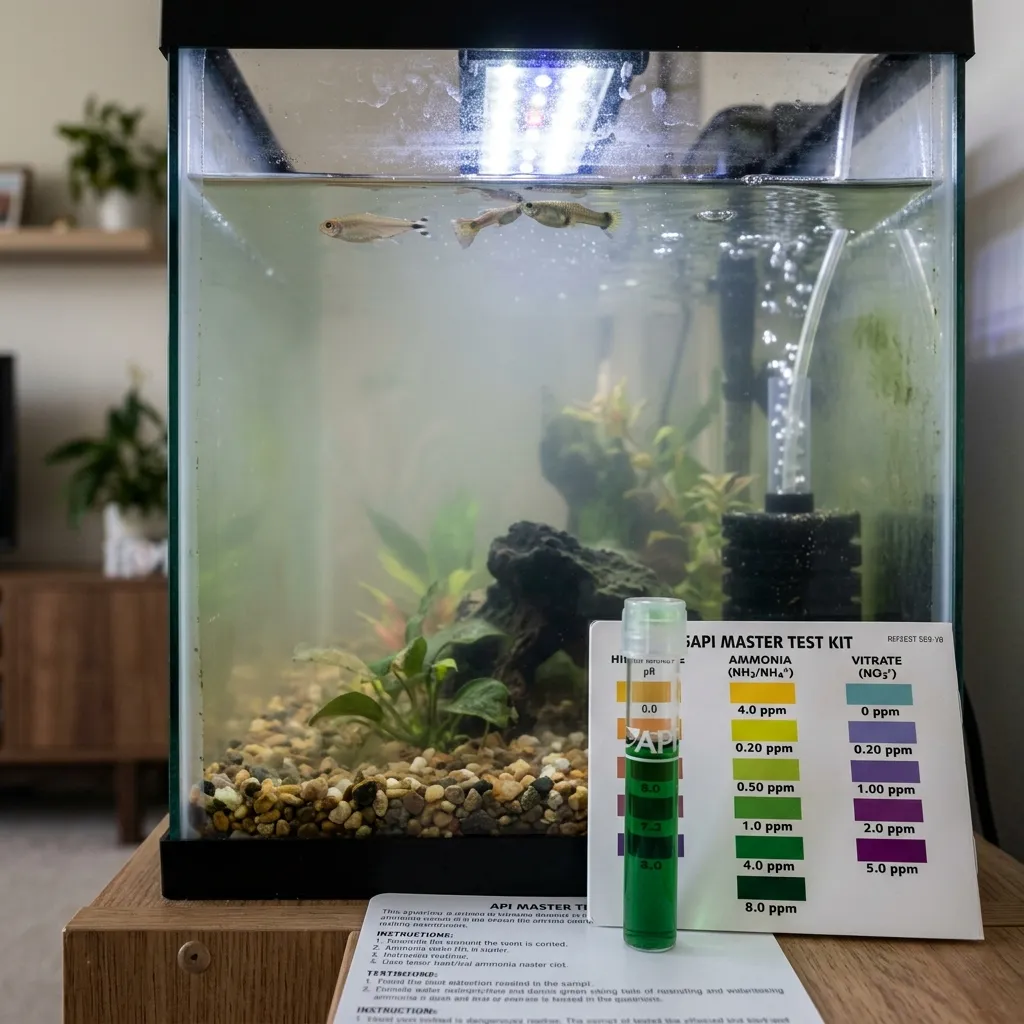
You run a routine test out of habit and the ammonia square turns a shade of orange you weren't expecting. Ammonia spike is a sudden rise in toxic dissolved ammonia (NH3), the first and most dangerous compound produced when fish waste and uneaten food break down in the water. Unlike algae bloom or cloudy water, an ammonia spike is invisible until you test for it, which is exactly why it catches so many hobbyists off guard — the tank can look perfectly normal while fish are already under chemical stress. In my clinic work, ammonia spikes are the single most common emergency call I get from new tank owners, almost always tied to either an incomplete nitrogen cycle or a biofilter that was disrupted without the owner realizing it. Nitrite spike often follows close behind ammonia as the cycle progresses, and distinguishing which one you're dealing with changes the urgency of your response.
Causes
Ammonia spike happens whenever fish waste production outpaces the biofilter's capacity to convert it into less harmful compounds. New tank syndrome is the leading cause: a tank stocked with fish before beneficial bacteria have had 4-6 weeks to establish produces ammonia faster than an undeveloped biofilter can consume it. Overfeeding contributes directly, since uneaten food decomposes into ammonia within hours. A dead fish decomposing unnoticed behind decor is a surprisingly common hidden source I've traced multiple emergency calls back to. Rinsing filter media in tap water, replacing all media at once, or running antibiotics and some medications can wipe out bacterial colonies and crash an otherwise mature biofilter overnight, producing a spike in a tank that had previously read 0 ppm for months.
Identification
Ammonia spike is identified through direct water testing, not visual symptoms alone, since ammonia itself is colorless and undetectable without a liquid test kit or strips. Fish showing red or inflamed gills, gasping at the surface, clamped fins, or sudden lethargy are displaying classic ammonia burn symptoms, but these same signs overlap with nitrite poisoning and low oxygen, so a test is the only way to confirm the cause. Total ammonia readings must be interpreted alongside pH, because un-ionized ammonia (NH3), the genuinely toxic fraction, rises sharply as pH climbs above 7 and temperature increases. A reading of 1.0 ppm total ammonia is far more dangerous in an African cichlid tank at pH 8.2 than in a soft-water tetra tank at pH 6.5, even though the test kit shows the same number.
Treatment and Fast Fixes
The fastest response to an active ammonia spike is a 50 percent water change paired with a detoxifying conditioner such as Seachem Prime dosed at the full label rate, which binds ammonia into a non-toxic form for roughly 24-48 hours while you address the source. This is the step that buys time — it does not fix the biofilter, so plan on repeating the water change every 12-24 hours until readings drop and stay near 0 ppm. Pausing feeding for 24-48 hours removes one active ammonia source immediately and is safe; healthy fish tolerate several days without food far better than they tolerate ongoing ammonia exposure. Bottled bacteria supplements can accelerate biofilter recovery, but they take 3-7 days to show measurable improvement, so they support recovery rather than resolve the emergency on their own. Adding more filter media helps establish surface area for bacteria long-term, but new media provides zero immediate ammonia reduction since colonization takes weeks, not hours.
Long-Term Prevention
Preventing recurring ammonia spikes means giving the biofilter enough capacity and stability to handle your actual bioload. Stock new tanks gradually over 4-6 weeks rather than adding fish all at once, testing ammonia daily during that window. Rinse filter media only in removed tank water, never tap water, and change no more than one type of media at a time to avoid crashing bacterial colonies. Feed only what fish consume within two minutes, once or twice daily, since overfeeding remains one of the most common root causes I see repeat itself in otherwise established tanks. If your tank runs consistently at a pH above 7.5, test ammonia more frequently than you would in soft water, since the same total reading carries meaningfully higher real toxicity at that pH. A consistent maintenance schedule, not a reactive one, is what keeps ammonia at 0 ppm long-term.
Run Precision Calculations For Your Setup
Check species compatibility, volumetric displacement, and filtration turnover benchmarks for your specific aquarium parameters.
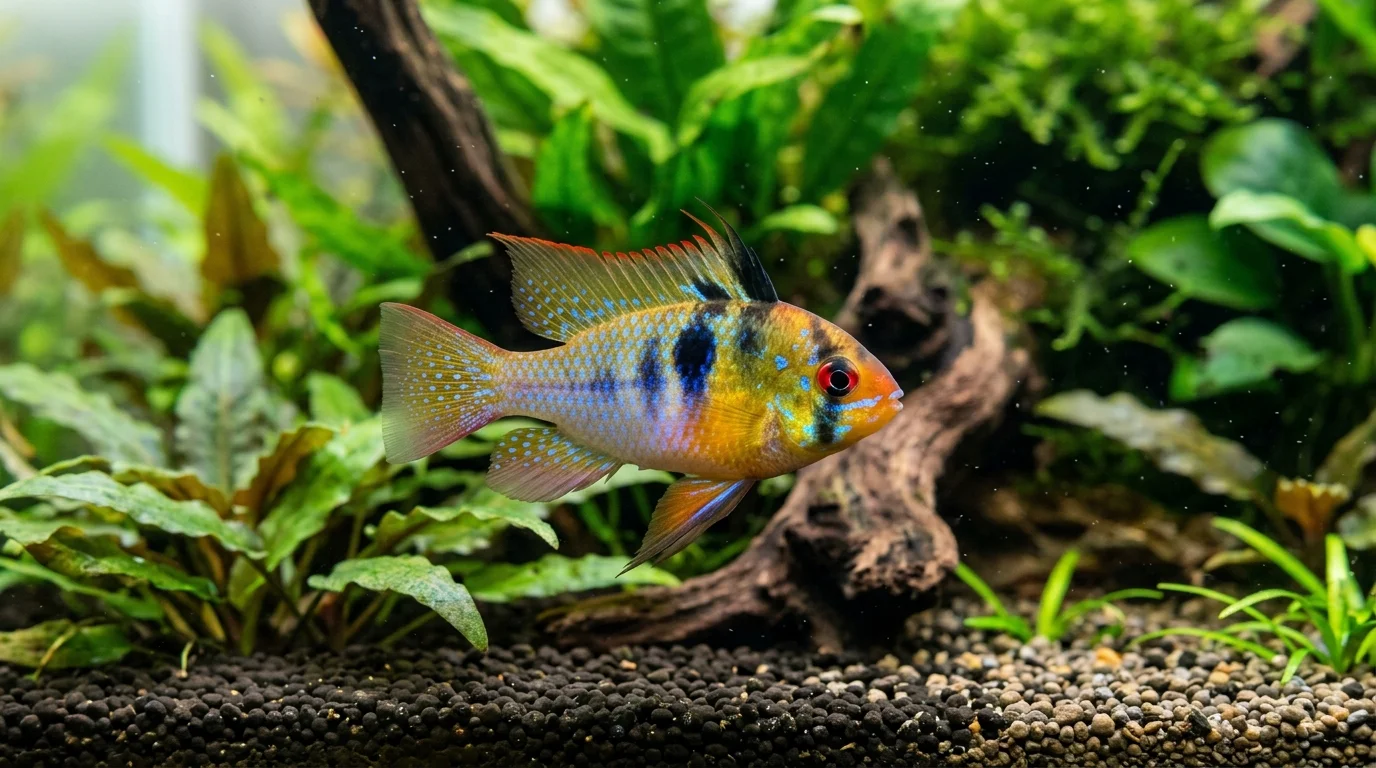
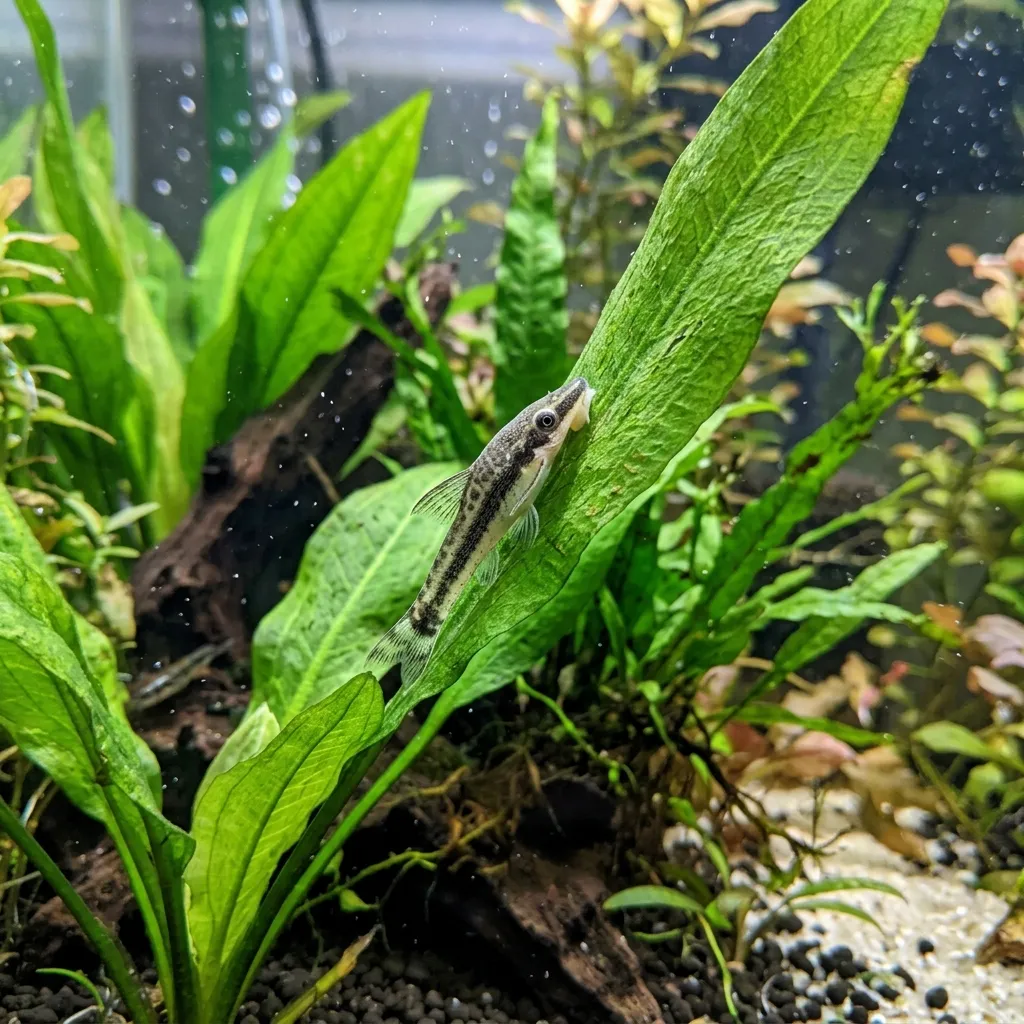
🐟 Associated Species Profiles & Susceptibility
Browse All Fish Profiles →
⚙ Diagnostic & Sizing Calculators
Estimate a single water-change percentage and volume to dilute measured nitrate toward a selected target.
Never buy an underpowered filter again. Calculate exactly how much filter flow rate (turnover) your aquarium needs to keep water clear, ammonia zero, and fish healthy — based on your specific tank size, stocking density, and fish species.
Estimate the net usable water volume in your aquarium.
Ammonia Spike Response Methods Compared
| Method | Effectiveness | Cost | Time to Lower Ammonia | Side Effects |
|---|---|---|---|---|
| 50% water change | High – immediate dilution of ammonia concentration | Free | Immediate | None if temperature/pH matched to tank |
| Detoxifying conditioner (e.g., Seachem Prime) | High – binds ammonia into non-toxic form for up to 24-48 hours | Low ($10–15 per bottle) | Immediate protective effect, does not remove ammonia from water | None at labeled dose |
| Bottled bacteria supplement | Moderate – accelerates biofilter establishment | Low-Moderate ($10–20) | 3–7 days to show measurable improvement | None, but not a substitute for water changes during active spike |
| Pausing feeding | Low-Moderate – reduces one ammonia source only | Free | Prevents worsening, doesn't lower existing ammonia | Safe for fish up to several days without food |
Frequently Asked Questions
What causes an ammonia spike in a fish tank?
How high is too high for ammonia?
How fast can ammonia become dangerous?
Does a water change actually lower ammonia?
What is the difference between ammonia and ammonium toxicity?
Will adding more filtration fix an ammonia spike immediately?
Can I just stop feeding to fix an ammonia spike?
Why did ammonia spike after I cleaned my filter?
Sources & References
- Publisher:U.S. Environmental Protection Agency (EPA)
- Accessed:2026-10-14
- Publisher:American Association of Fish Veterinarians
- Accessed:2026-10-14
- Publisher:Journal of Aquatic Animal Health
- Accessed:2026-10-14
- Water Change Nitrate & Ammonia Dilution Engine
- Publisher:The Aquarium Calculators Engineering Documentation
- Accessed:2026-10-14
- URL:https://www.theaquariumcalculators.com/calculators/water-changes-calculator/
- Nitrogen Cycle Dynamics in Newly Established Aquaria
- Source:Journal of Aquatic Animal Health
- Ammonia Toxicity and pH-Dependent Un-Ionized Fraction in Freshwater Fish
- Source:American Association of Fish Veterinarians
- Biofilter Recovery Following Media Disruption in Recirculating Systems
- Source:Aquacultural Engineering Society