Best Algae Eaters for Aquariums: Otocinclus, Nerite Snails, SAE and More
Compare common aquarium algae eaters by the algae they actually graze, tank requirements, adult size, temperament, social needs and practical caveats.
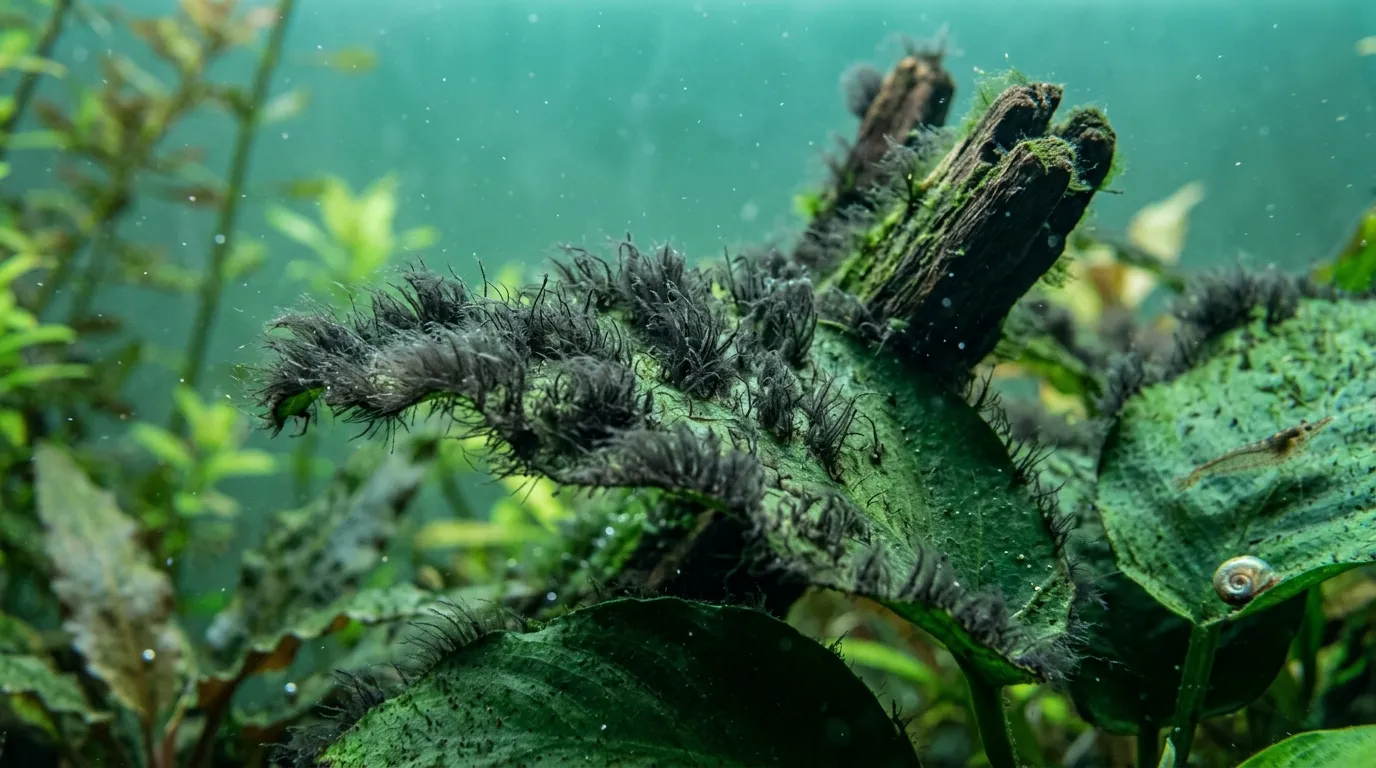
Actionable strategies for diagnosing and eliminating black beard algae, hair algae, diatoms, cyanobacteria, and green water blooms.
Compare common aquarium algae eaters by the algae they actually graze, tank requirements, adult size, temperament, social needs and practical caveats.
Identify black beard algae, find what is causing it, and remove it with a safe step-by-step treatment ladder, from trimming to peroxide, liquid carbon and dips.
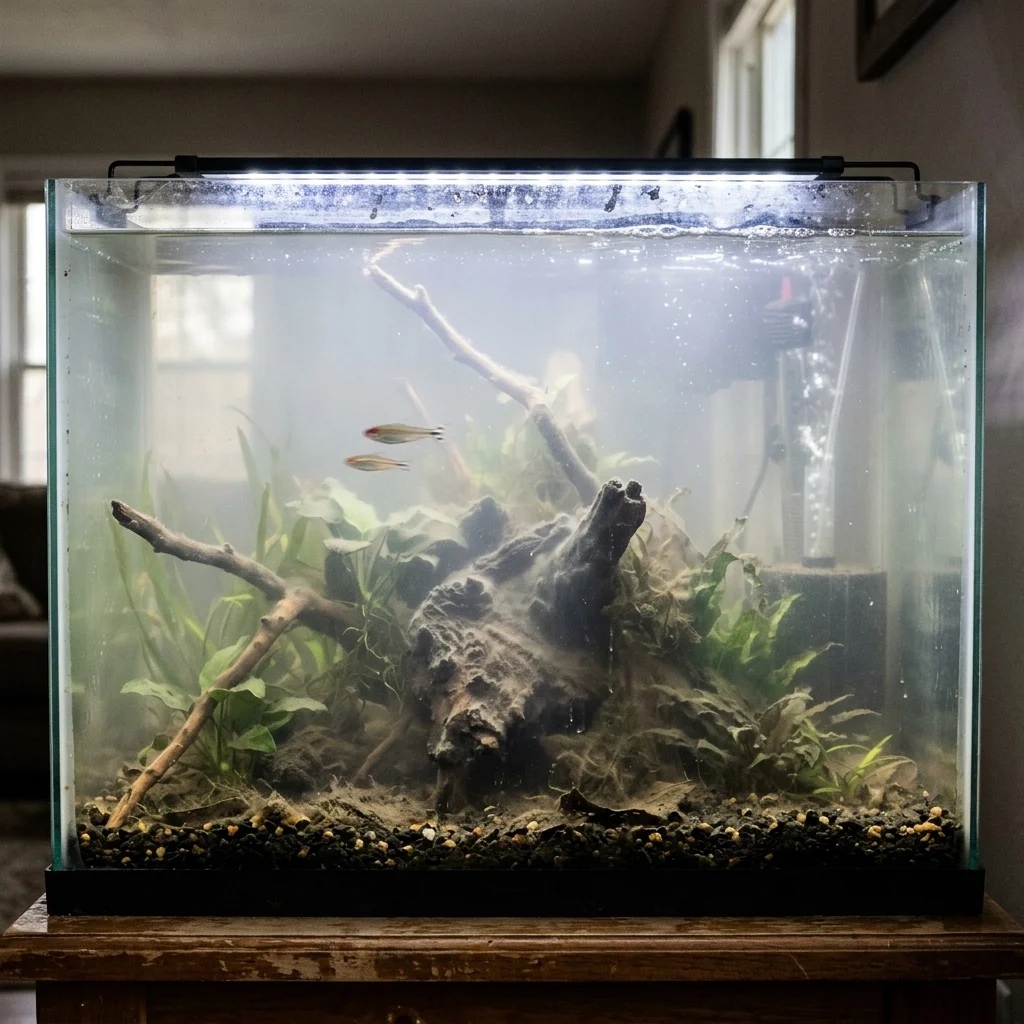
Use the interactive decision tree to diagnose cloudy water by colour, then apply the right fix. Covers bacterial blooms, green water, substrate dust, tannins, diatoms, post-water-change haze and emergencies.
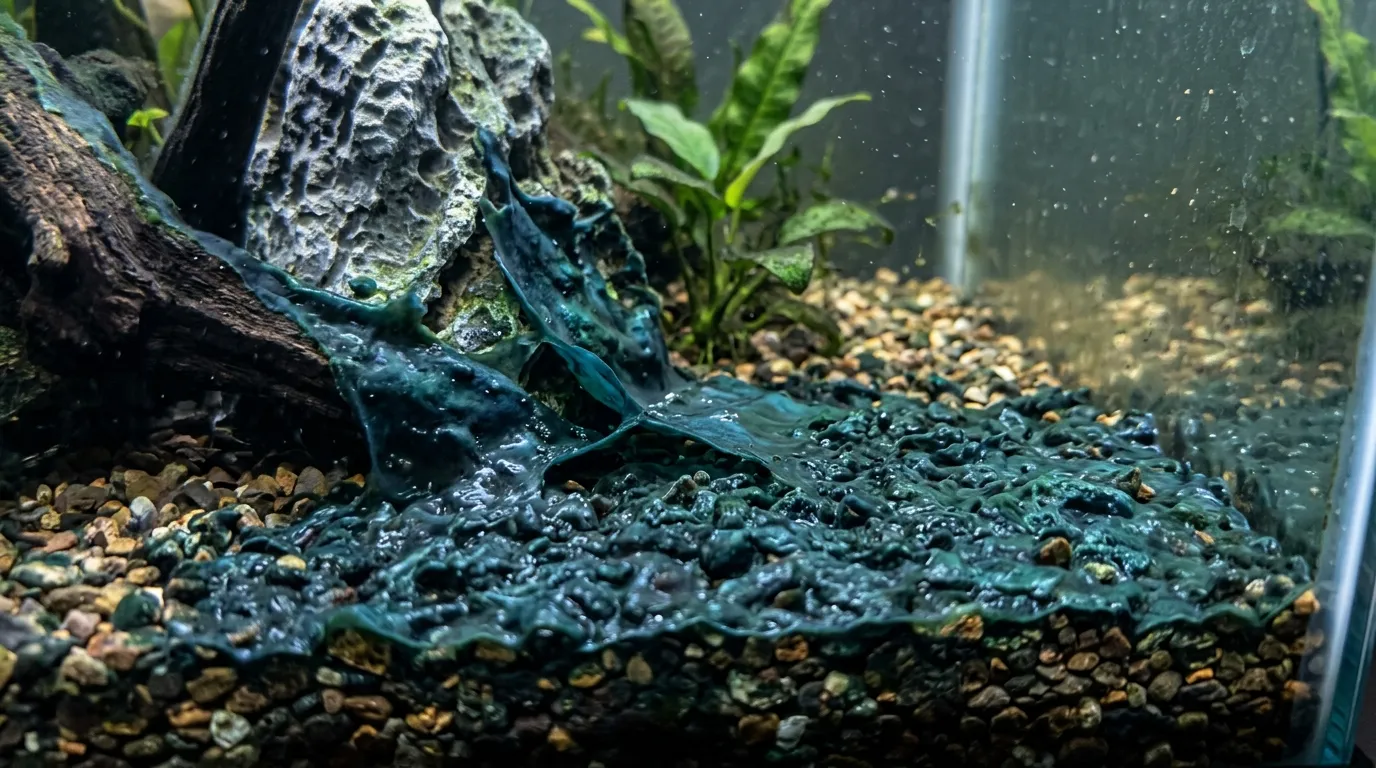
Cyanobacteria forms a slimy, musty-smelling film in low-flow aquarium zones. It's a bacteria, not algae -- here's how to remove it safely and stop it coming back.
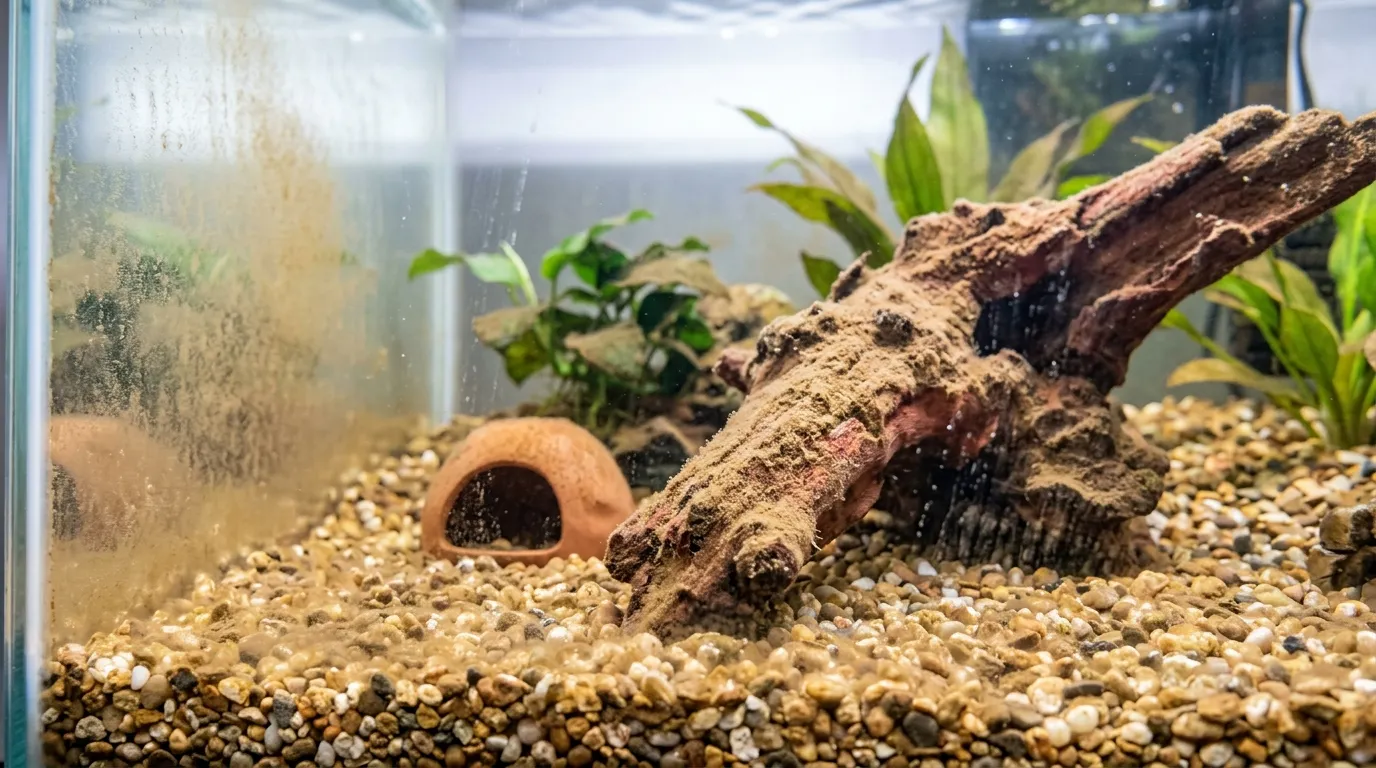
Brown diatom algae is a normal new-tank phase, not a problem. Learn why it appears, how long it lasts, and how Otocinclus and nerite snails help clear it faster.
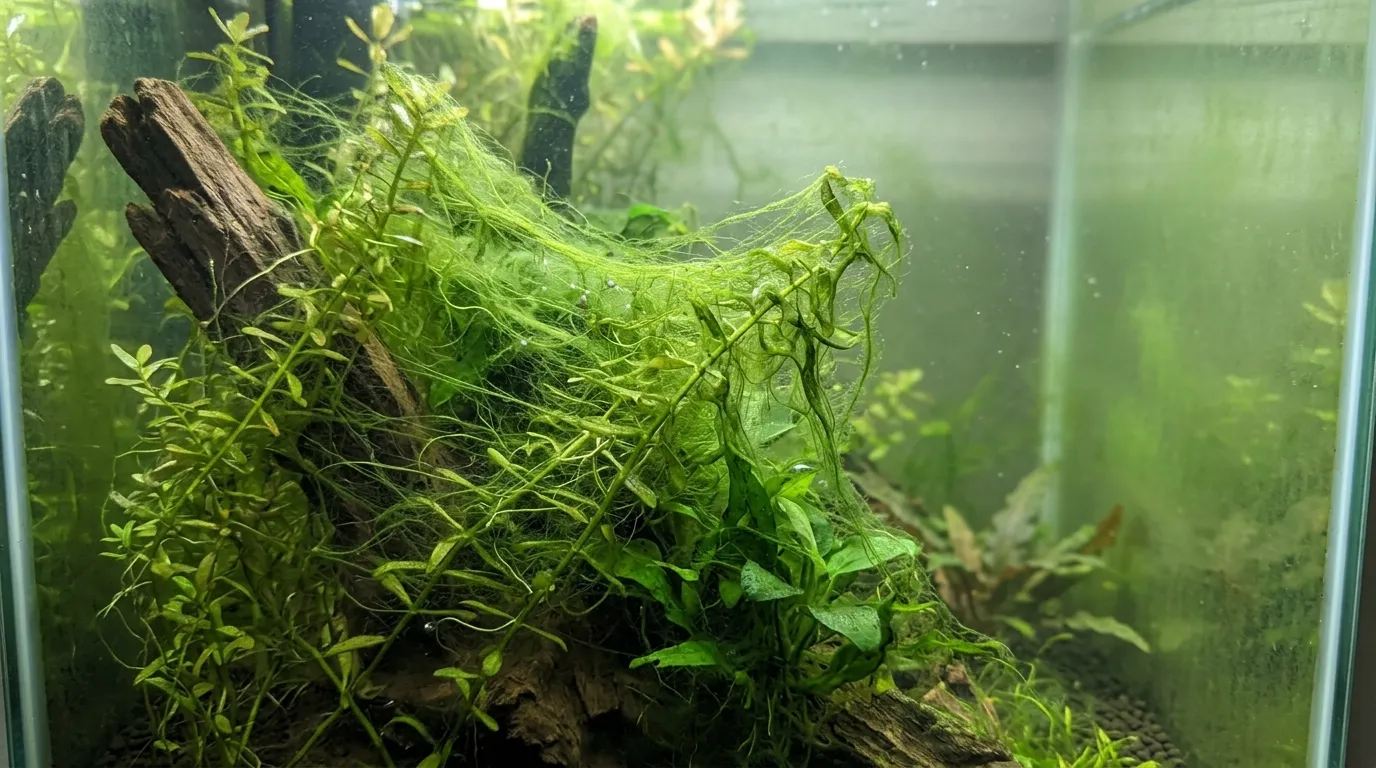
Green hair algae spreads fast in planted tanks when light exceeds CO2 and nutrients. Manual removal with a toothbrush plus a balanced dosing routine stops it for good.
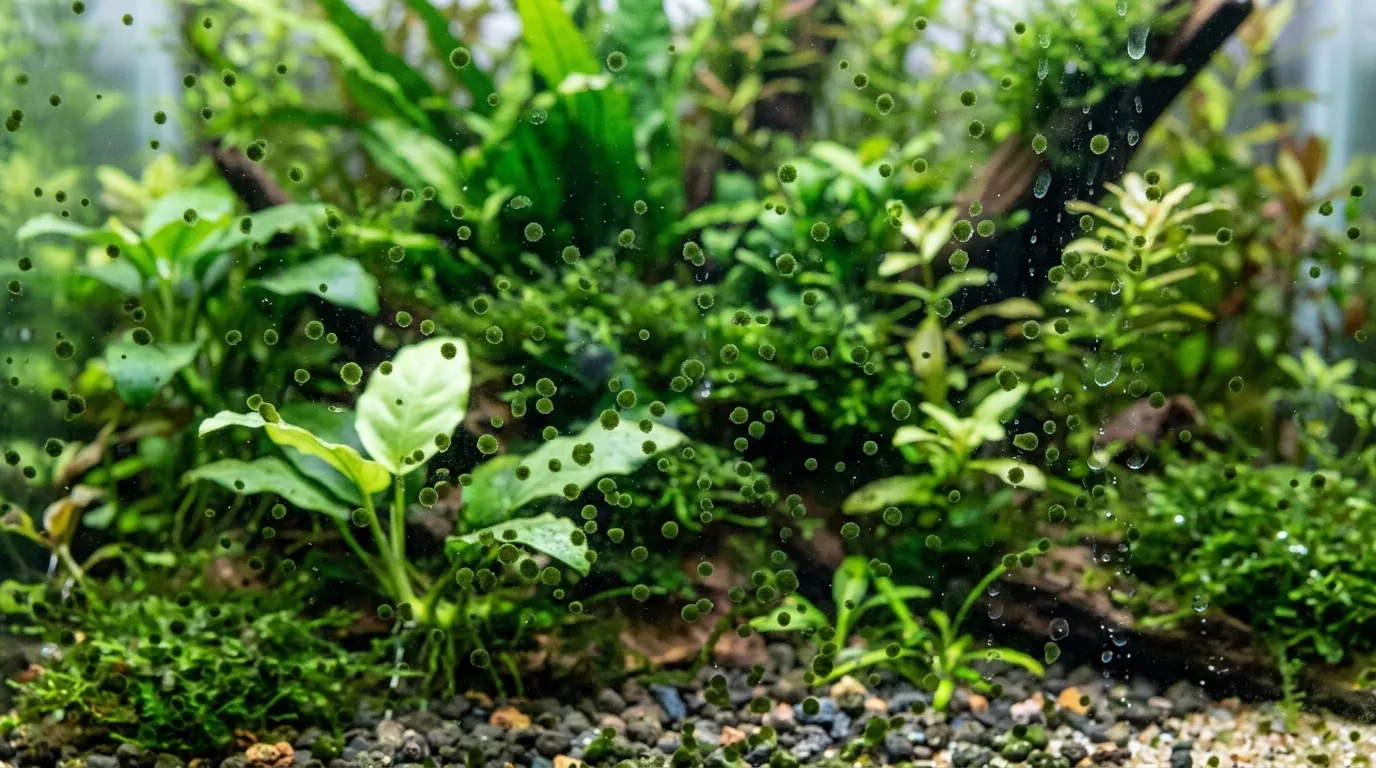
Green Spot Algae (GSA) forms hard calcified dots on glass and slow-growing plant leaves. Learn why low phosphate causes it and how a razor blade and nerite snails clear it.
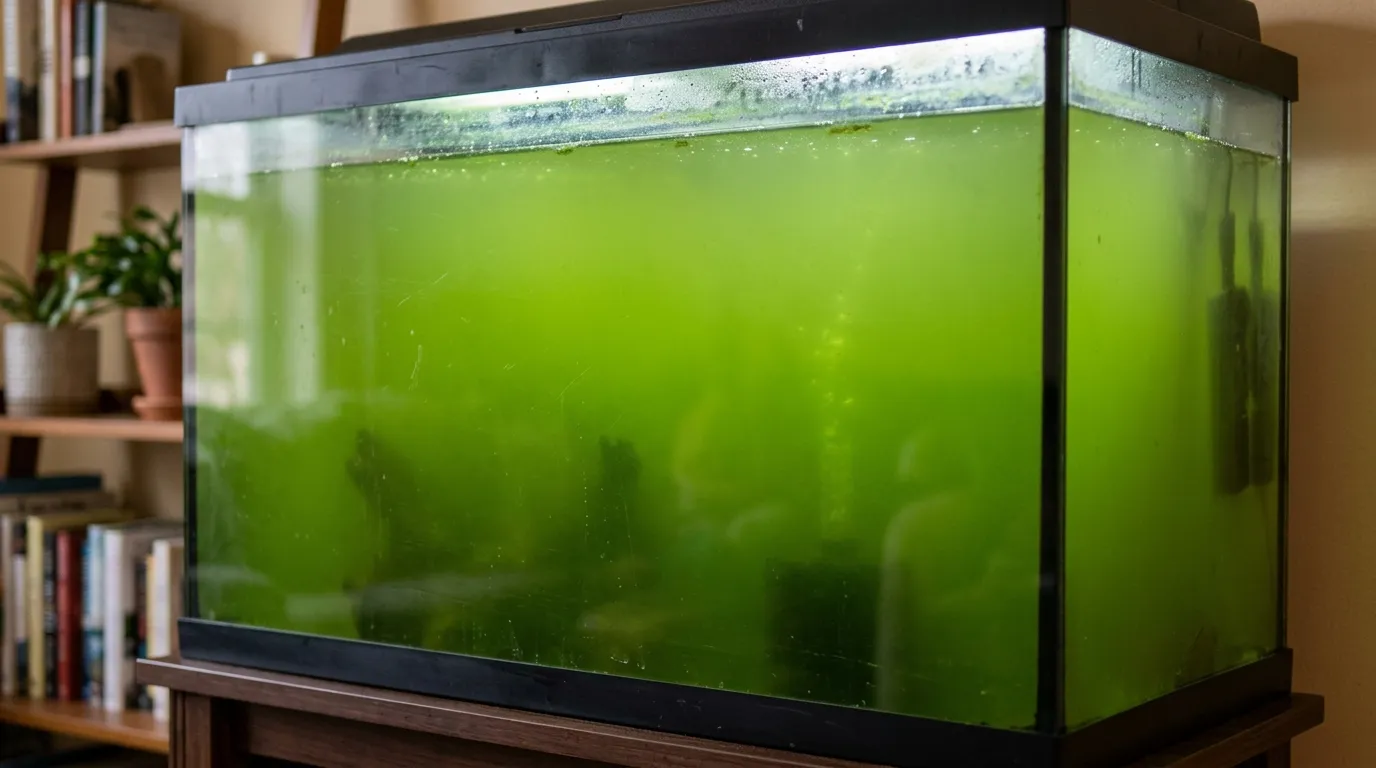
Green water is a free-floating algae bloom that turns tank water pea-soup opaque. Find out what triggers it and the fastest proven fixes -- UV sterilizer and blackout.
A beginner-friendly guide to starting a low-tech planted aquarium, covering the holy trinity of light, substrate, and nutrients.
Validated interactive calculators directly relevant to algae management & prevention protocols.