
Fish Food
Technical Specifications & Benchmark Matrix
- Feeding Volume Formula
- Roughly 1–2% of body weight daily for adults; amount consumed within 1–2 minutes
Overview
You stand in the fish food aisle looking at a dozen containers, all claiming to be exactly what your fish need. Fish food falls into three broad categories — dry food (flakes and pellets), frozen food, and live food — each suited to different species, feeding behaviors, and nutritional goals. Getting this right matters more than most hobbyists realize, not just for fish health but for water quality, since uneaten or excess food is one of the most common sources of ammonia spikes and algae bloom I see traced back to a single cause. A quality staple food covers baseline nutrition for most community fish, but matching food type, form, and feeding schedule to your specific species prevents both malnutrition and the water quality problems that come from feeding more than fish can actually use.
Types of Fish Food
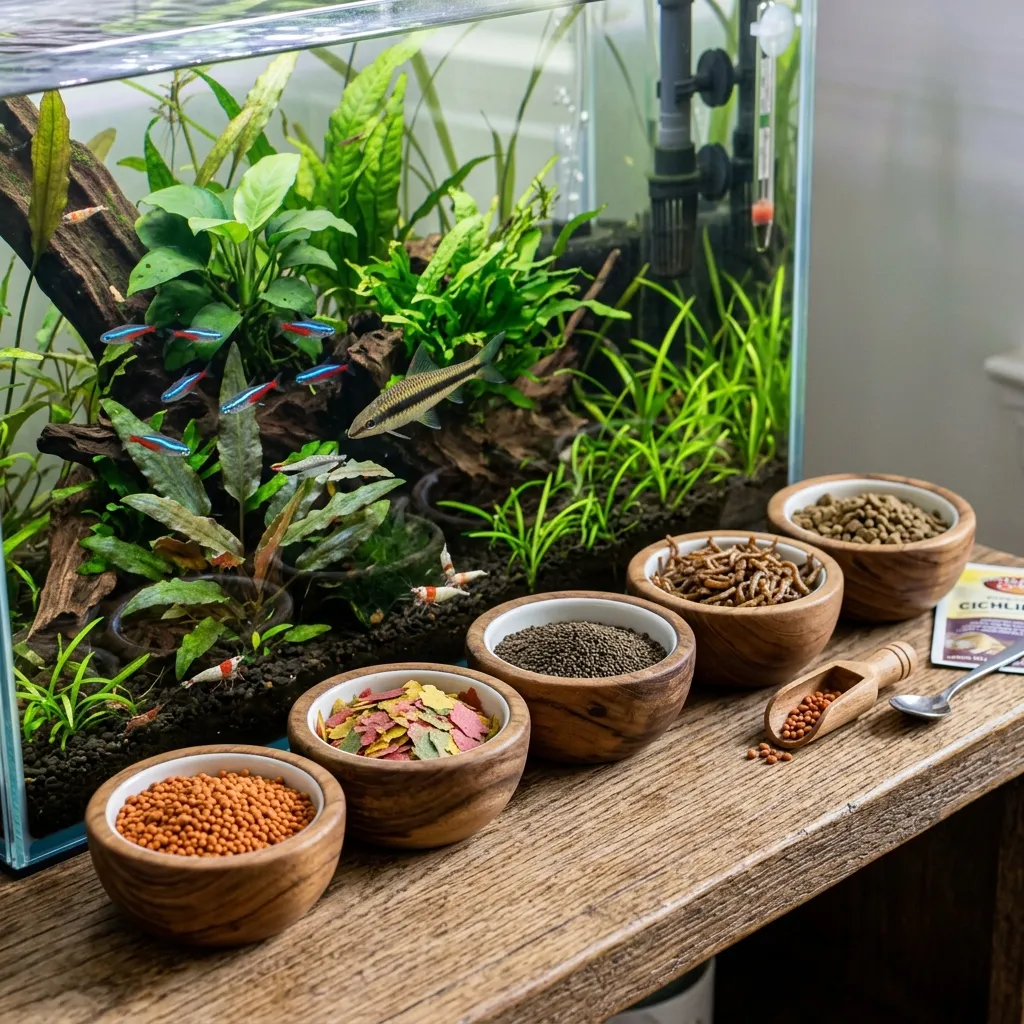
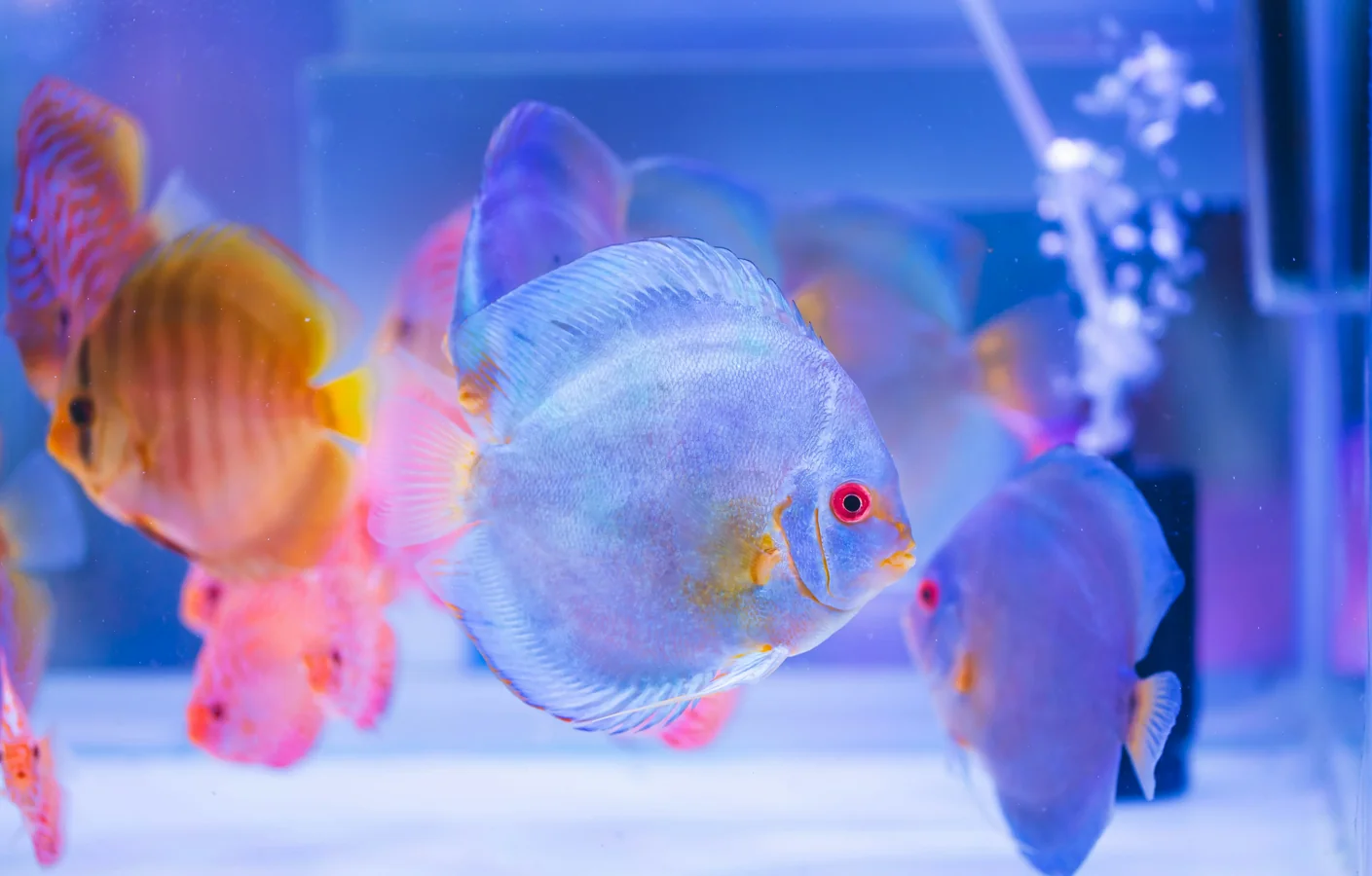
Dry food, flakes and pellets, forms the staple diet for most home aquariums because of its convenience, long shelf life, and balanced formulation. Flakes break apart quickly and suit small fish and fry well, but they also cloud water faster than pellets when overfed, since the thin fragments disperse rather than staying intact. Pellets hold their shape longer, reducing water fouling, and come in sinking or floating varieties matched to feeding behavior — sinking pellets or wafers for bottom-dwellers like corydoras and plecos, floating pellets for surface feeders like bettas and many livebearers. Frozen food, bloodworms and brine shrimp being the most common, delivers higher protein and closely mimics natural prey, making it valuable for conditioning fish before breeding or improving color in species like discus. Live food, brine shrimp or daphnia, provides the most natural feeding stimulus and is often essential for fry or picky predatory species that refuse dry alternatives entirely.
Feeding Frequency and Amount
Most adult community fish thrive fed once or twice daily, with only the amount consumed within two minutes at each feeding. This is the guideline I give every client regardless of species, because the two-minute rule self-corrects for tank size and fish count better than any fixed measurement. A rough visual reference — an amount roughly the size of a fish's eye, per fish, per feeding — works as a starting point for calibrating portion size. Juvenile fish and fry need smaller, more frequent feedings, often 3-4 times daily, since their stomachs are proportionally tiny and they burn energy faster relative to body size during growth phases.
Overfeeding and Water Quality
Overfeeding is the single most common feeding mistake I encounter, and it's rarely intentional — most owners simply feed a fixed pinch without adjusting for what the fish actually consume. Any food that isn't eaten within two minutes settles, decomposes, and directly raises ammonia levels, which is why overfeeding sits near the top of root causes behind both ammonia spike and algae bloom in otherwise well-maintained tanks. Removing visibly uneaten food with a net or turkey baster after each feeding is a simple habit that prevents this from becoming a recurring water quality issue. If ammonia or cloudy water problems keep appearing despite a normal maintenance schedule, feeding amount is one of the first things worth auditing before assuming a filtration or bioload problem.
Matching Food to Species
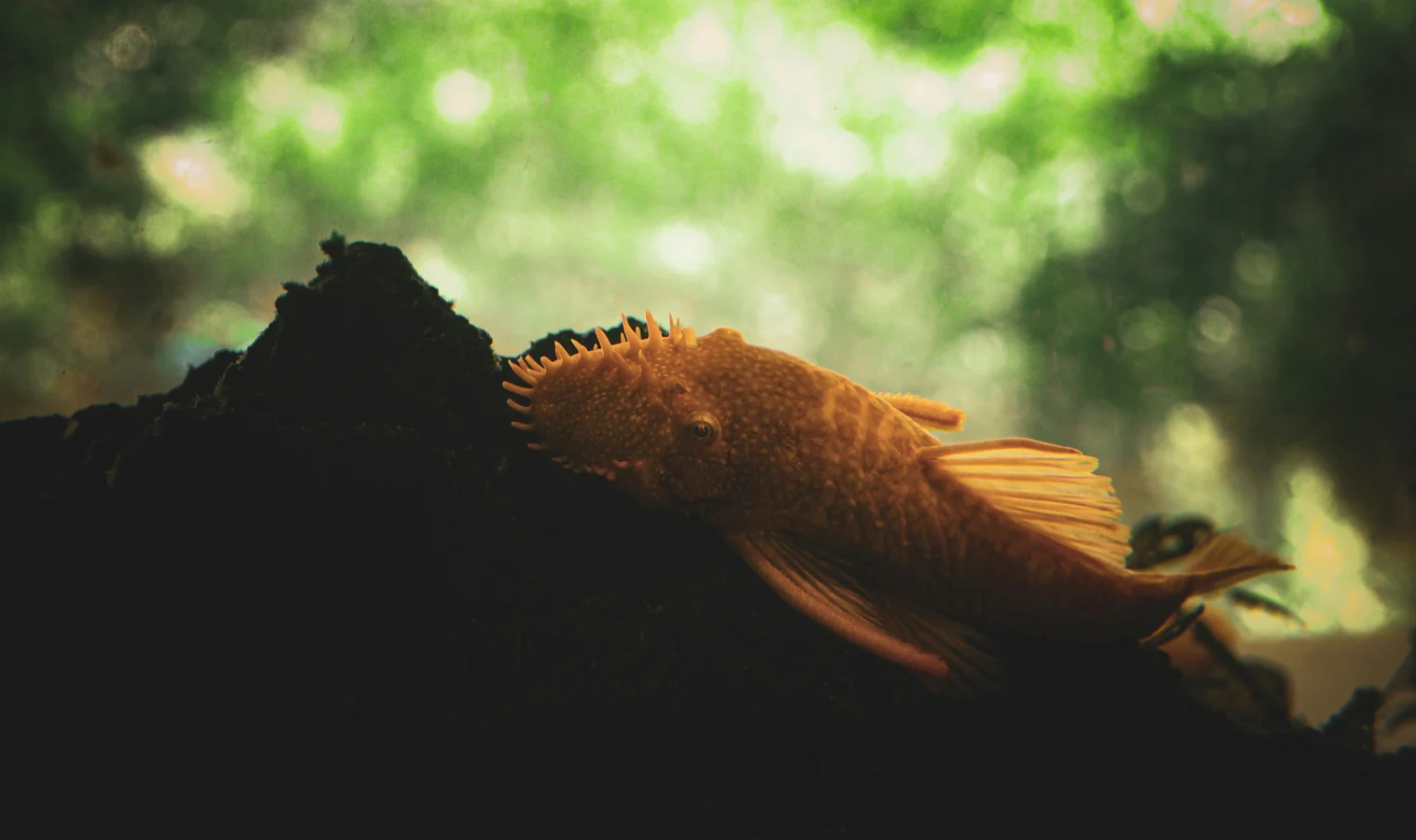
Different species have genuinely different needs, and a one-size-fits-all feeding approach shortchanges some fish while overfeeding others. Bottom-dwelling species need sinking pellets or wafers, since standard flakes are usually consumed by faster surface fish before reaching the bottom of the tank. Herbivorous or grazing species like plecos benefit from algae wafers that supply plant matter as a meaningful part of diet, not just an occasional supplement. Carnivorous or predatory fish generally need higher protein content, often met best through frozen or live food rather than a standard flake formulated for a mixed community tank. Taking the time to match food form and composition to your specific fish, rather than defaulting to whatever's cheapest or most convenient, pays off in both fish health and long-term water quality stability.
Run Precision Calculations For Your Setup
Check species compatibility, volumetric displacement, and filtration turnover benchmarks for your specific aquarium parameters.
🐟 Associated Species Profiles & Susceptibility
Browse All Fish Profiles →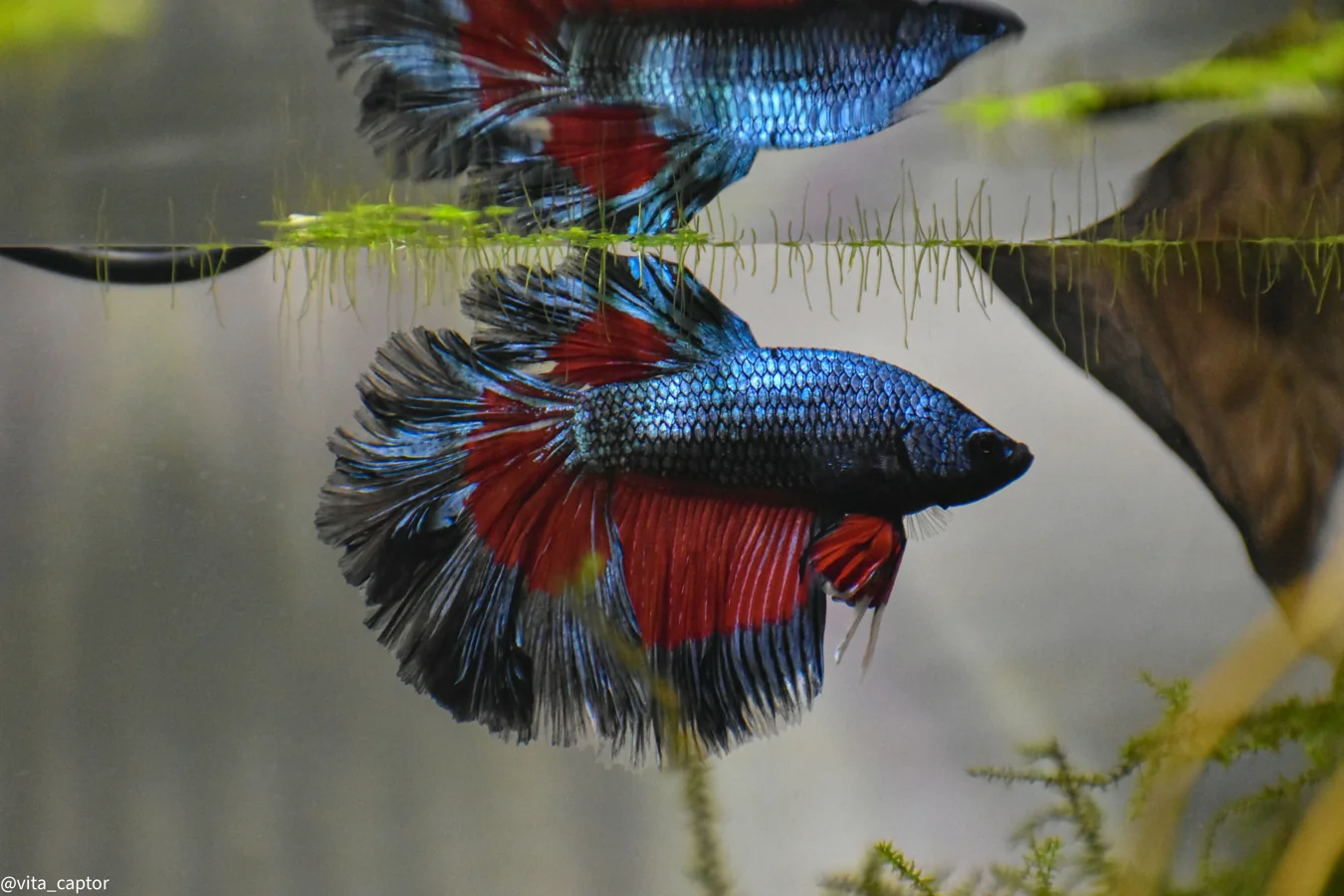
⚙ Diagnostic & Sizing Calculators
Estimate realistic fish stocking capacity using adult size, bioload, filtration, swimming space, tank maturity, plants, and maintenance habits. Suitable for community tanks, cichlids, predators, and planted aquariums.
Estimate a single water-change percentage and volume to dilute measured nitrate toward a selected target.
Fish Food Types Compared
| Type | Nutritional Value | Cost | Shelf Life | Best For |
|---|---|---|---|---|
| Flakes | Moderate – balanced but can lose nutrients faster once opened | Low ($3–10 per container) | 6-12 months once opened | Small community fish, surface and mid-water feeders |
| Pellets (sinking/floating) | High – holds nutritional value longer, less water fouling | Low-Moderate ($5–15) | 12-18 months once opened | Larger fish, bottom feeders, species preferring individual pieces |
| Frozen (bloodworms, brine shrimp) | High – closely mimics natural diet, high protein | Moderate ($5–10 per pack, requires freezer space) | 6-12 months frozen | Protein variety, conditioning fish for breeding, picky eaters |
| Live food (brine shrimp, daphnia) | Highest – most natural, stimulates hunting behavior | Moderate-High (culturing time or ongoing purchase cost) | Days if live, requires culturing or frequent purchase | Fry, picky predatory species, breeding conditioning |
Frequently Asked Questions
How often should I feed my aquarium fish?
What's the difference between flakes and pellets?
Do fish need live or frozen food, or are flakes enough?
How much fish food causes overfeeding?
Is frozen fish food better than freeze-dried?
Can I skip feeding my fish while on vacation?
Why does my fish food cloud the water after feeding?
Do bottom feeders need special food?
Sources & References
- Publisher:Academic Press
- Accessed:2026-10-14
- Nutritional Requirements and Feeding Protocols for Ornamental Fish
- Source:Journal of Aquatic Animal Health
- Overfeeding as a Primary Contributor to Ammonia Loading in Home Aquaria
- Source:American Association of Fish Veterinarians
- Comparative Nutrient Retention in Frozen Versus Freeze-Dried Aquatic Feeds
- Source:Aquacultural Engineering Society