Substrate
Technical Specifications & Benchmark Matrix
- Depth Calculation
- Volume in cubic inches = Length × Width × Depth; divide by 231 for US gallons
Overview
Aquarium substrate is the foundational bottom layer of material—gravel, sand, specialized soil, or crushed coral—that anchors aquatic plants, houses nitrifying bacteria, and actively modifies water chemistry through mineral dissolution and cation exchange. A hobbyist who dumps a bag of unwashed pea gravel into a 40-gallon breeder and plants Cryptocoryne will watch those plants melt within three weeks because quartz gravel has zero cation exchange capacity and no bioavailable iron. The same hobbyist who caps organic potting soil with coarse sand and skips the mineralization step will face an ammonia spike to 4 ppm within 48 hours as the soil decomposes. Substrate is not decoration. It is a functional life-support layer that determines whether your plants thrive, your pH remains stable, and your fish avoid hydrogen sulfide poisoning from anaerobic pockets.
Types of Substrate
### Inert Gravel and Sand
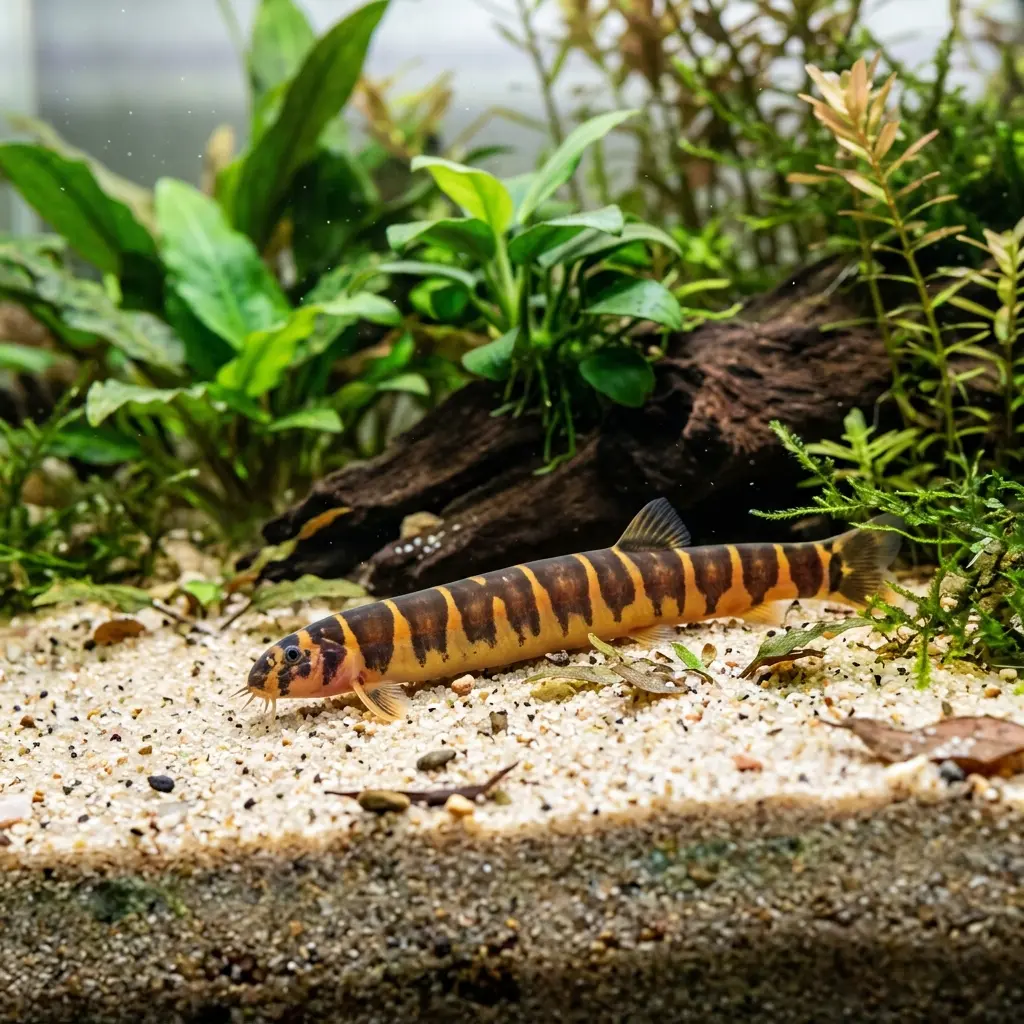
Inert gravel and sand are silica-based or quartz materials that do not alter pH, hardness, or nutrient availability. Pool filter sand, standard aquarium gravel, and smooth river pebbles fall into this category. They are cheap, easy to clean, and ideal for fish-only setups or tanks with heavy waste producers like goldfish. The trade-off is total nutrient absence. Root-feeding plants will starve unless you supplement with osmocote-style root tabs or liquid fertilizers. Sand compacts more readily than gravel, reducing oxygen penetration and increasing the risk of anaerobic pockets in depths exceeding 2 inches. Corydoras and loaches prefer sand because it protects their delicate barbels from abrasion.
### Active Aqua Soils
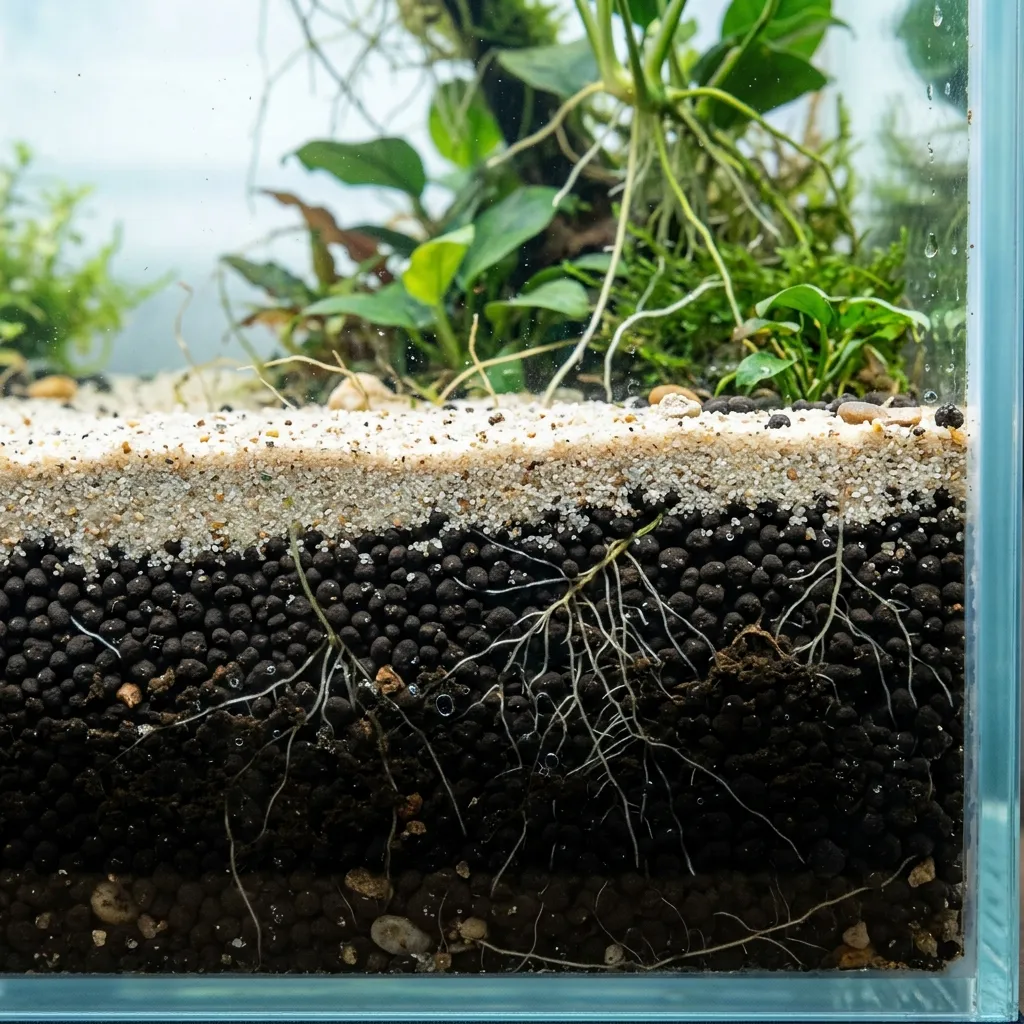
Active aqua soils such as ADA Aqua Soil Amazonia, Fluval Plant and Shrimp Stratum, and CaribSea Eco-Complete are fired-clay or volcanic-ash products designed specifically for planted tanks. They lower pH by 0.5 to 1.0 units through humic acid release, soften water, and provide a high cation exchange capacity (CEC) that binds iron, potassium, and ammonium ions for direct root uptake. Amazonia releases substantial ammonia for the first 2 to 4 weeks, requiring a dry-start or heavy water-change regimen before adding fish. These substrates exhaust their nutrient load after 12 to 24 months and must be replaced or heavily supplemented with root tabs.
### Carbonate-Based Substrates
Crushed coral, aragonite, and limestone gravel leach calcium carbonate (CaCO₃) into the water column, raising both general hardness (GH) and carbonate hardness (KH) while stabilizing pH above 7.5. This is essential for African Rift Lake cichlids and brackish setups but will stress soft-water species like discus, wild bettas, and most tetras. The buffering capacity is finite; a thin layer of crushed coral in a filter bag is often more controllable than a full bed.
Depth, Layering, and Anaerobic Risk
Substrate depth is the vertical thickness of the bottom layer that determines root anchoring, bacterial colonization, and oxygen penetration. A purely decorative gravel bed needs only 1 to 1.5 inches. Planted tanks require 2 to 3 inches minimum for root development; heavy root-feeders like Echinodorus and Cryptocoryne need 3 to 4 inches in the rear third. Depths beyond 4 inches in fine sand create stagnant zones where sulfate-reducing bacteria generate hydrogen sulfide gas. The telltale sign is black substrate and rotten-egg odor when vacuuming. Prevent this by using coarse gravel below 3 inches, or adding Malaysian trumpet snails that burrow and aerate the bed continuously. This is the fix everyone skips, and it is why tanks with deep sand beds crash after a gravel vacuum disturbs a sulfide pocket.
Plant Nutrition and the Root Zone
Plant nutrition from substrate is the delivery of essential macronutrients and micronutrients directly to the root hairs of aquatic vegetation. Stem plants like Rotala and Ludwigia draw 60 to 70 percent of their needs from the water column via leaves, making them forgiving of inert substrates. Heavy root-feeders—Cryptocoryne, Echinodorus, Vallisneria—depend on the substrate for iron, potassium, and trace elements. In an inert gravel bed, iron chlorosis appears as yellowing new leaves with dark green veins within 4 weeks. Pinholes in older leaves signal potassium deficiency. The fix is not more liquid fertilizer. It is root tabs inserted every 4 to 6 inches at planting depth, or switching to an active aqua soil with a CEC above 30 meq/100g.
Maintenance and Longevity
Substrate maintenance is the scheduled cleaning, supplementation, and eventual replacement of the bottom layer to prevent nutrient exhaustion and hydrogen sulfide accumulation. Inert gravel should be vacuumed weekly in exposed areas to remove trapped organic waste. Active aqua soils in heavily planted tanks should not be deeply vacuumed because you will destroy root networks and release ammonia. Instead, siphon only the visible detritus on the surface. Root tabs in inert substrates need replacement every 3 to 4 months. Active soils exhaust after 12 to 24 months; when Cryptocoryne stops sending runners and swords show persistent chlorosis despite supplementation, the substrate is spent and needs replacement.
Run Precision Calculations For Your Setup
Check species compatibility, volumetric displacement, and filtration turnover benchmarks for your specific aquarium parameters.
🐟 Associated Species Profiles & Susceptibility
Browse All Fish Profiles →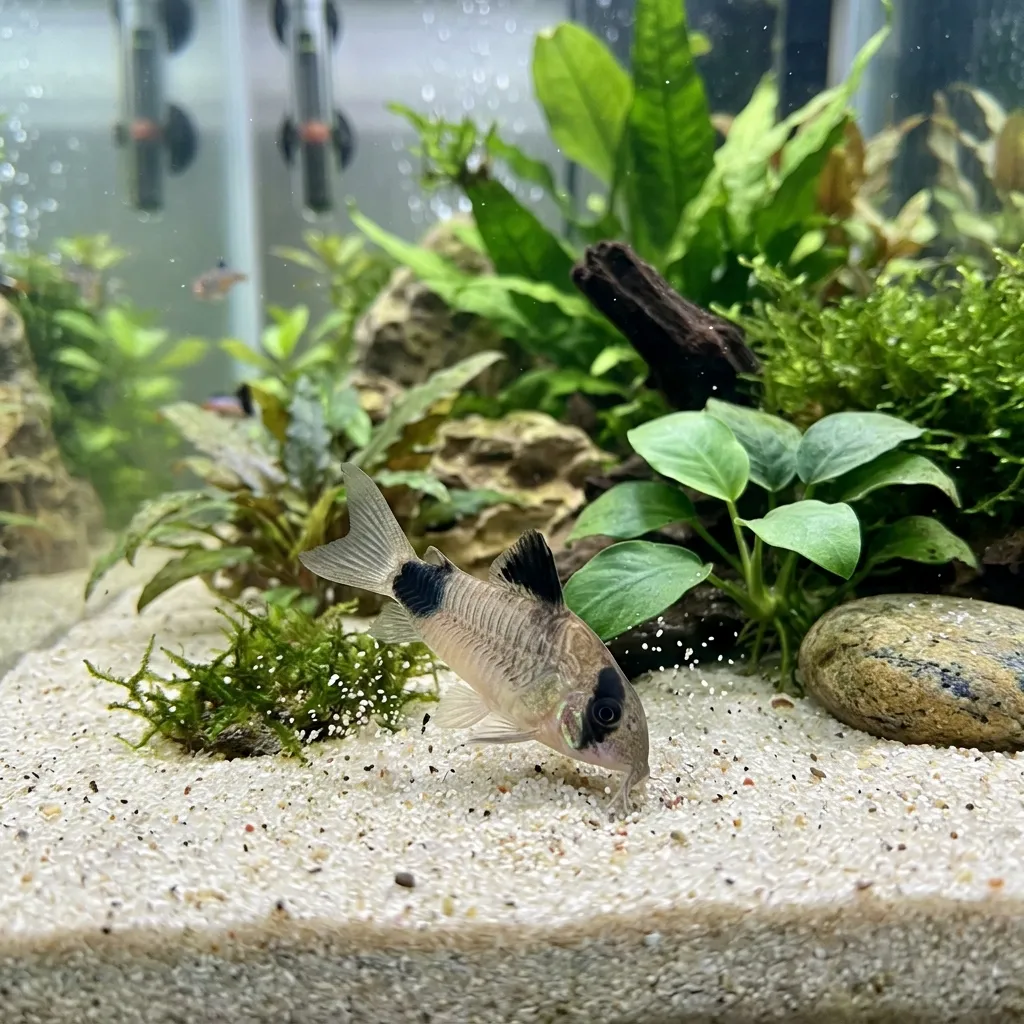
⚙ Diagnostic & Sizing Calculators
Aquarium Substrate Types Compared
| Type | Best For | pH Effect | Plant Suitability | Maintenance |
|---|---|---|---|---|
| Quartz/Pea Gravel | Community fish, beginners | Neutral | Low (needs root tabs) | Weekly vacuuming; rinse before use |
| Pool Filter Sand | Corydoras, loaches, soft-water fish | Neutral | Low–Moderate (needs root tabs) | Gentle vacuuming; watch for anaerobic pockets |
| Active Aqua Soil (ADA, Fluval) | Heavily planted tanks, shrimp | Lowers pH 0.5–1.0 | High (nutrient-rich) | Minimal vacuuming; replace every 2–3 years |
| Crushed Coral/Aragonite | African cichlids, livebearers | Raises pH 0.5–1.5 | Low (few nutrients) | Rinse thoroughly; vacuum monthly |
| Inert Gravel + Root Tabs | Mixed planted/community tanks | Neutral | Moderate–High (with supplementation) | Replace root tabs every 3–4 months |
| Dirted Tank (Organic Soil Cap) | Advanced planted aquascapes | Lowers pH slightly | Very High | High initial ammonia; cap must stay intact |
Frequently Asked Questions
How deep should aquarium substrate be?
Does aquarium substrate affect pH?
Can I mix sand and gravel in the same tank?
Is sand bad for planted aquariums?
How often should I vacuum aquarium gravel?
Can I change my substrate without crashing the nitrogen cycle?
Why did my tank turn cloudy after adding new substrate?
Do I need special substrate for aquarium plants?
What are anaerobic pockets and are they dangerous?
Can I use regular garden soil or potting mix in my aquarium?
Sources & References
- Publisher:Echinodorus Publishing
- Accessed:2026-10-14
- Publisher:Ecology
- Accessed:2026-10-14
- The Ecology of the Planted Aquarium
- Source:Echinodorus Publishing
- Aquatic Plant Nutrition and Substrate Chemistry
- Source:Journal of Aquatic Plant Management
- Soil Chemistry and Aquarium Ecology
- Source:Wiley-Blackwell Aquaculture Series
- Anaerobic Processes in Freshwater Sediments
- Source:Limnology and Oceanography