
Nitrate Levels
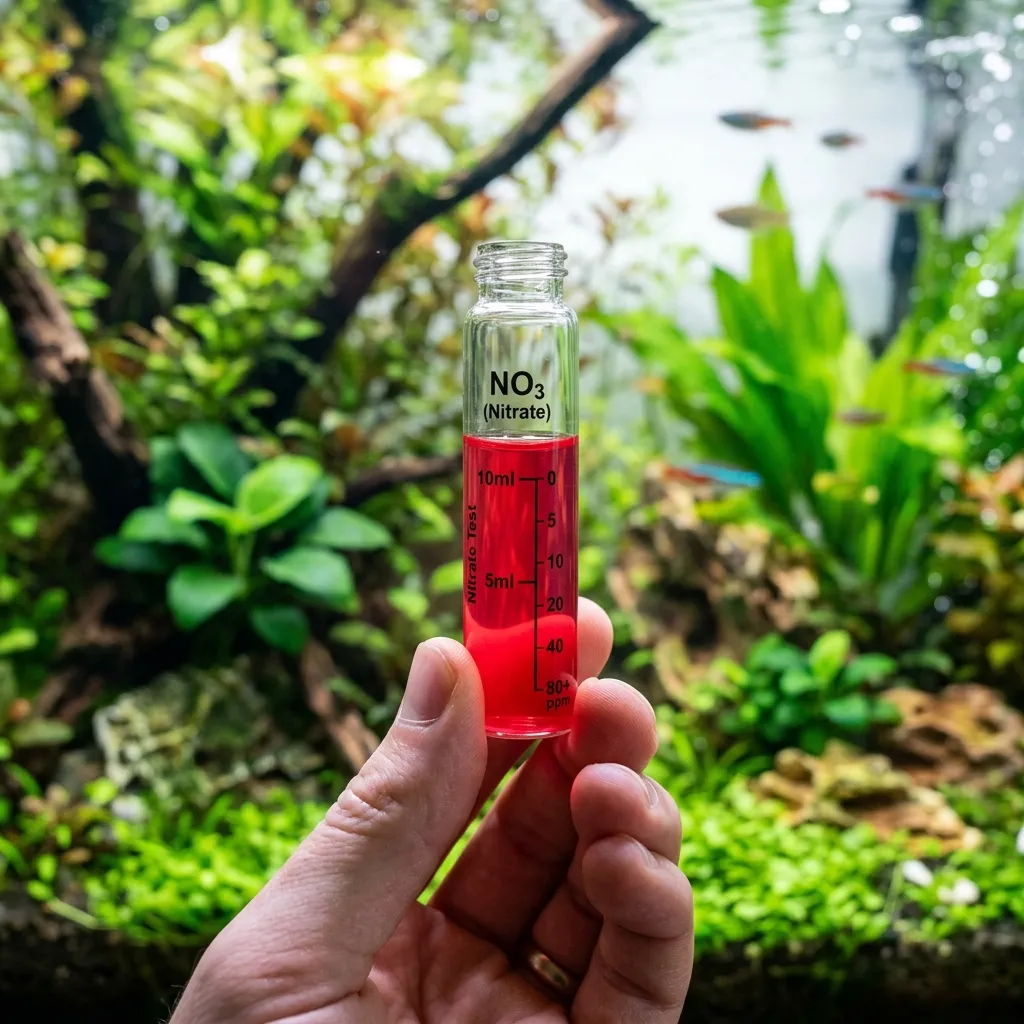
Technical Specifications & Benchmark Matrix
- Dilution Formula
- Water changes can reduce concentration; the result depends on the replacement-water nitrate concentration and amount changed.
Nitrate is produced during biological processing of nitrogenous waste. Its concentration can rise over time, but the effects of a measured level depend on the organism, life stage, exposure duration, salinity, water chemistry, and the way the concentration is reported.
Interpreting nitrate readings
Do not treat one nitrate target as universal for freshwater community fish, freshwater shrimp, marine corals, or planted aquariums. Those systems and organisms have different needs, and a plant nutrient target is not the same thing as an animal safety threshold. The cited review concerns nitrate toxicity to aquatic animals and includes new data for freshwater invertebrates, as stated in its title. This citation does not establish a single hobby-aquarium target for every species or a plant-nutrient target.
Check whether a result is reported as nitrate ion (NO3−) or nitrate-nitrogen (NO3-N). They are different measurement bases and should not be compared as if the numbers were interchangeable. Follow the test kit instructions and confirm unusual readings using an appropriate method.
Responding to an elevated result
Test the aquarium and source water, review the test method, and consider recent changes in feeding, stocking, filtration, and maintenance. Water changes can reduce nitrate, but the resulting concentration depends on the starting level and nitrate in the replacement water. Choose a suitable change based on the aquarium’s inhabitants, temperature, water chemistry, and the difference between source and tank water; do not apply a fixed series of large changes at short intervals as a universal treatment.
Remove accumulating waste and adjust feeding or stocking where appropriate. Plants may take up nitrogen, but uptake depends on species, growth, light, nutrients, and system conditions; they are not a guaranteed substitute for monitoring or maintenance. Test source water if nitrate remains elevated after maintenance, and consider treatment of replacement water when its composition is unsuitable for the livestock.
Monitoring and species-specific evidence
Keep a record of test results and maintenance so that trends can be interpreted in context. Consult reliable husbandry or veterinary guidance specific to the organisms being kept, especially for sensitive species, juveniles, and invertebrates. The available citation is a review about nitrate toxicity to aquatic animals and includes freshwater invertebrates in its title. It does not establish universal thresholds or emergency schedules for all aquarium systems.
Run Precision Calculations For Your Setup
Check species compatibility, volumetric displacement, and filtration turnover benchmarks for your specific aquarium parameters.
🐟 Associated Species Profiles & Susceptibility
Browse All Fish Profiles →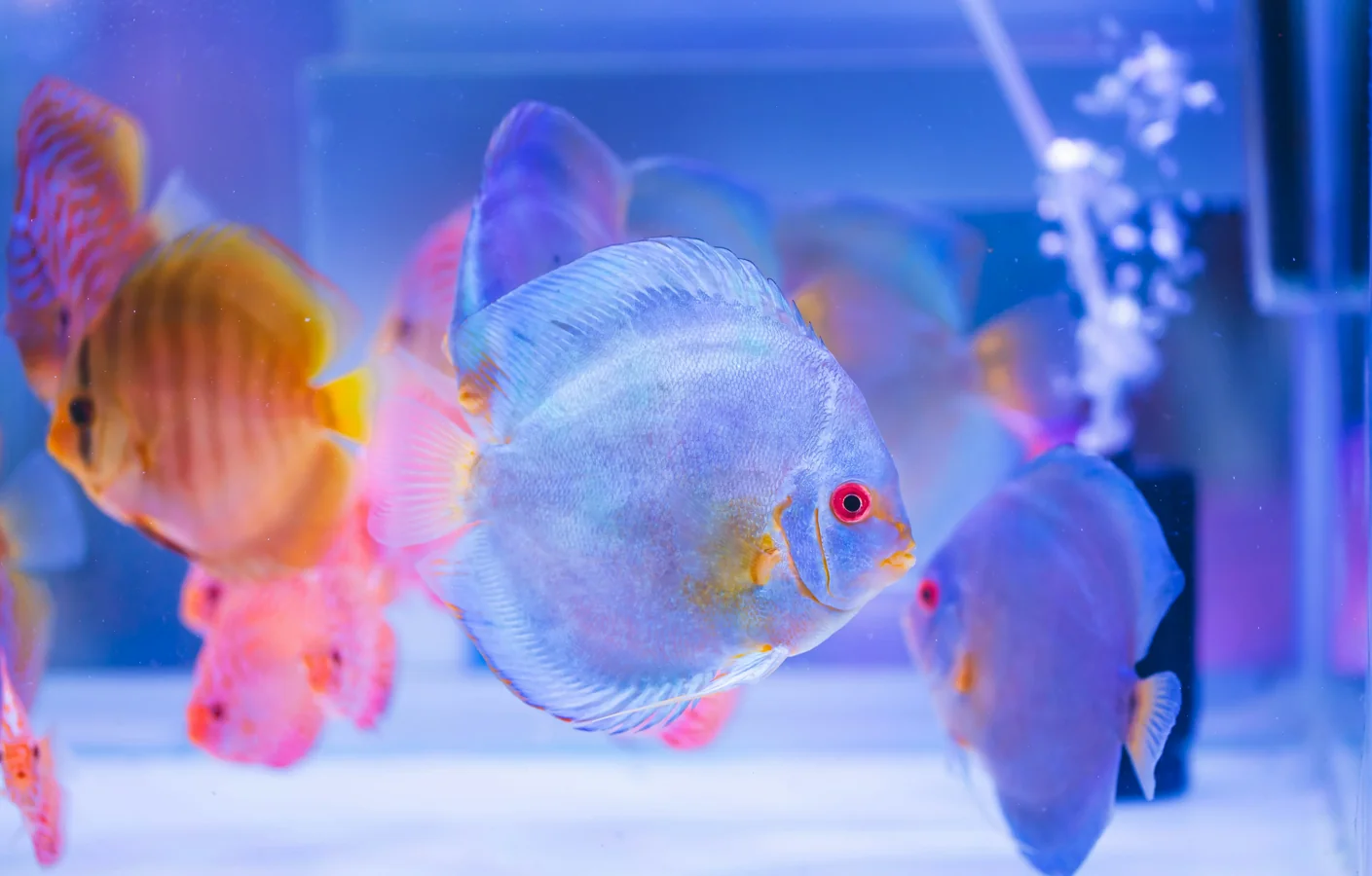
Associated species profile & care guidelines
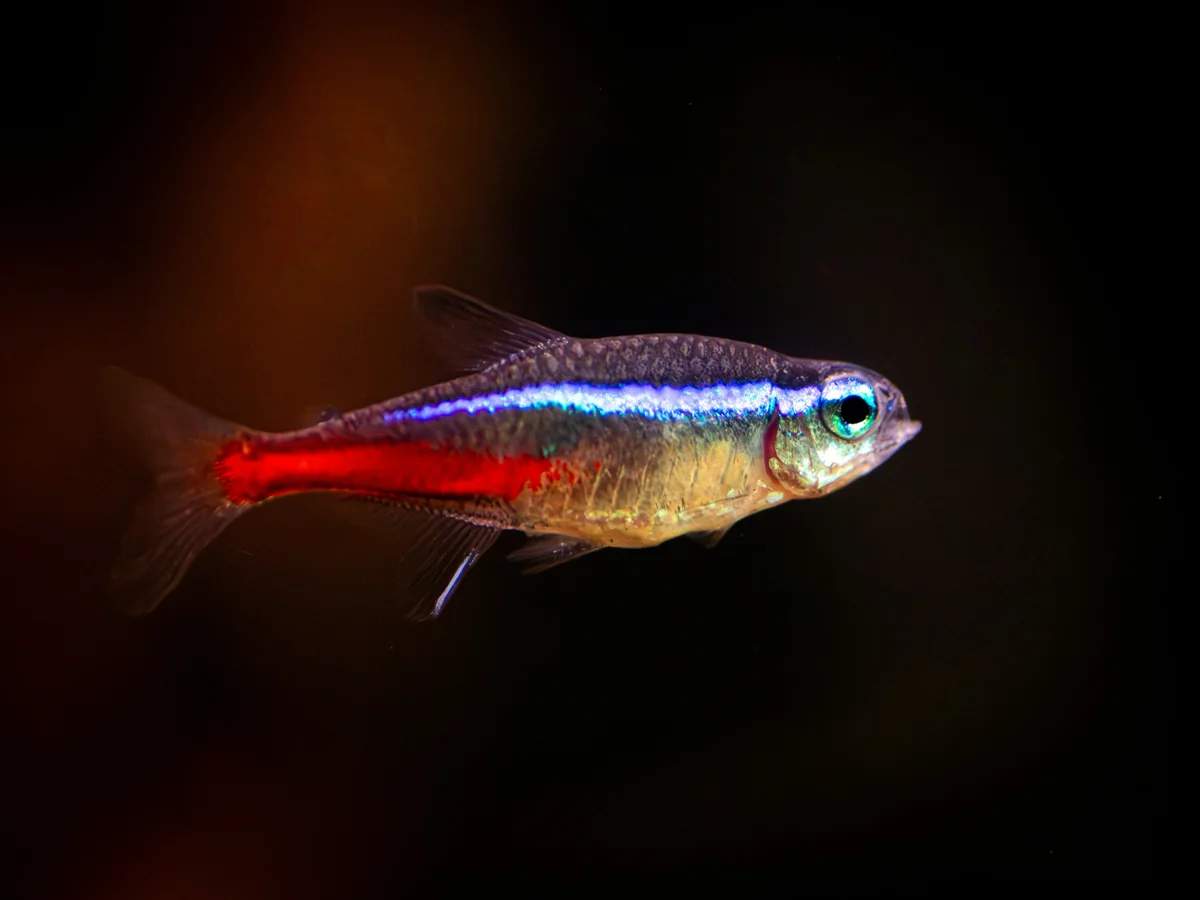
Associated species profile & care guidelines
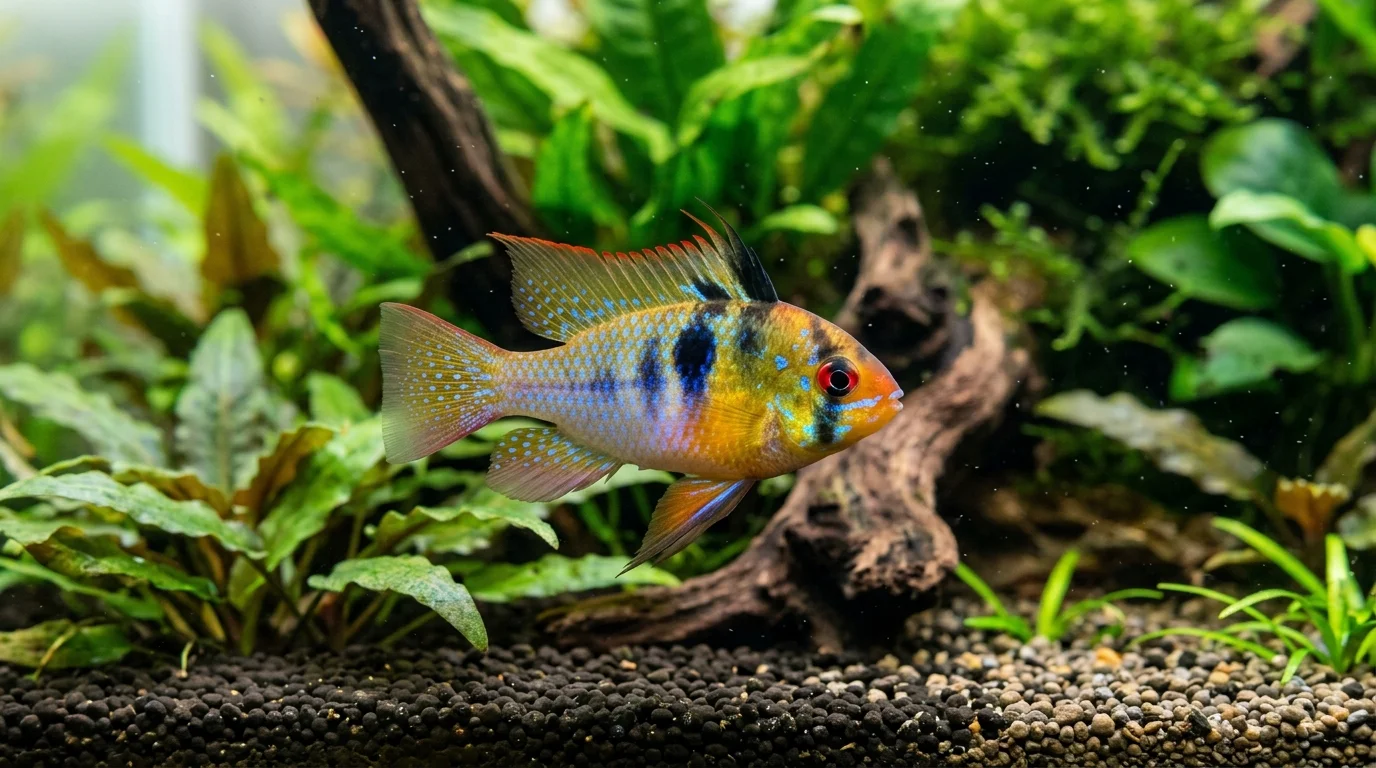
Associated species profile & care guidelines
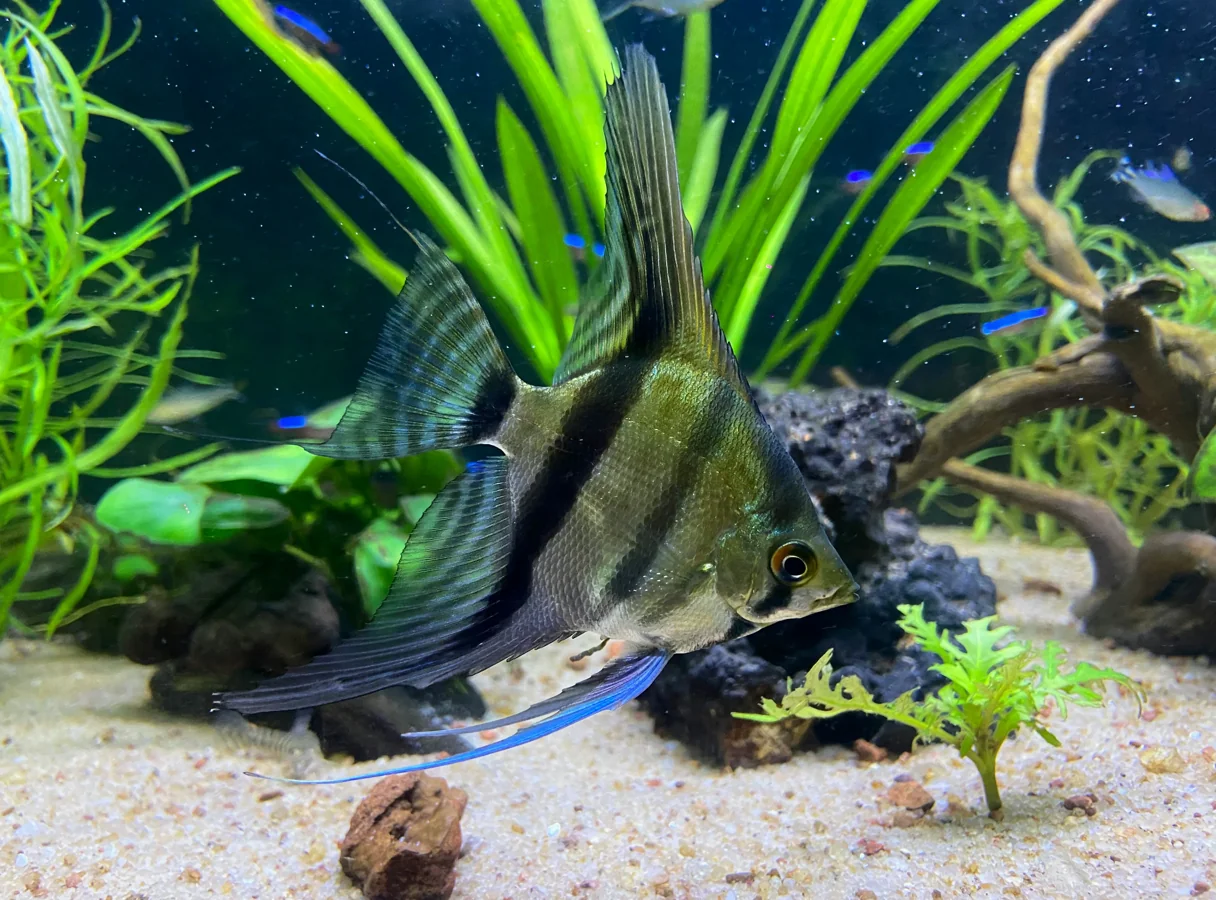
Associated species profile & care guidelines
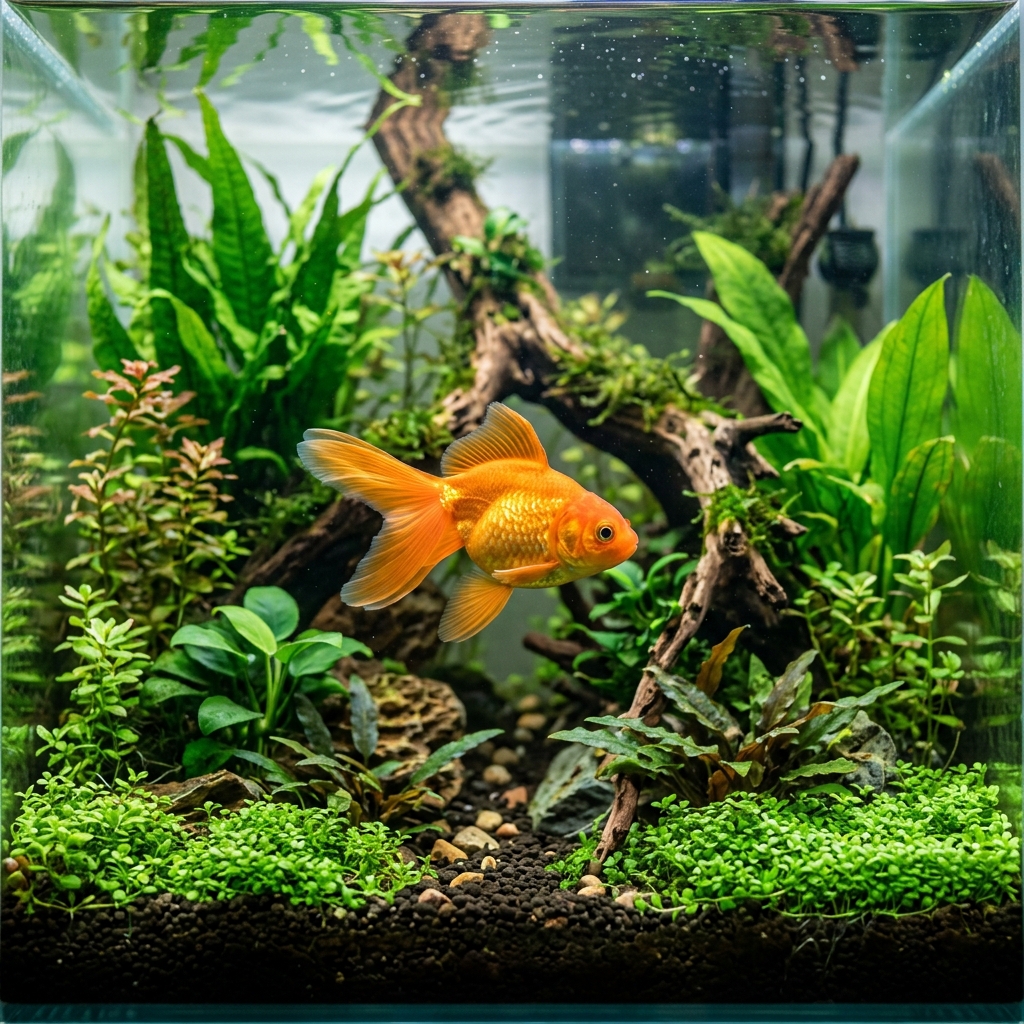
Associated species profile & care guidelines
⚙ Diagnostic & Sizing Calculators
Estimate a single water-change percentage and volume to dilute measured nitrate toward a selected target.
Estimate realistic fish stocking capacity using adult size, bioload, filtration, swimming space, tank maturity, plants, and maintenance habits. Suitable for community tanks, cichlids, predators, and planted aquariums.
Never buy an underpowered filter again. Calculate exactly how much filter flow rate (turnover) your aquarium needs to keep water clear, ammonia zero, and fish healthy — based on your specific tank size, stocking density, and fish species.
Ways to investigate and manage nitrate
| Action | Purpose | Limitations |
|---|---|---|
| Confirm the reading | Check the test method, units, and an unexpected result. | Different tests and reporting bases may not be directly comparable. |
| Test source water | Identify nitrate entering with replacement water. | Source-water results do not establish an animal-specific threshold. |
| Review aquarium inputs | Consider feeding, stocking, filtration, and accumulated waste. | Several factors can contribute; no single cause should be assumed. |
| Use an appropriate water change | Reduce concentration when tank and replacement-water conditions permit. | Outcome depends on starting level and replacement-water composition. |
| Support plant growth where suitable | Growing plants may take up nitrogen. | Uptake varies and is not a guaranteed removal rate. |
Frequently Asked Questions
What is a safe nitrate level for aquarium animals?
What should I do if a nitrate reading is higher than expected?
How often should I test nitrate?
Do plants remove nitrate?
Does the same nitrate target apply to fish, shrimp, corals, and plants?
What is the difference between nitrate and nitrate-nitrogen?
Sources & References
- Publisher:Chemosphere
- Accessed:2026-10-14