Temperature
Technical Specifications & Benchmark Matrix
You wake up to find your prized discus huddled in a corner, fins clamped, breathing heavily. The heater light is on, but the thermometer reads 72°F—six degrees too cold. Or worse, the tank is reading 86°F after a heat wave and your fish are gasping at the surface like they're running a marathon. Temperature is the invisible heartbeat of your aquarium, and when it's off, everything else suffers.
The Biology of Temperature Temperature drives every metabolic process in fish. They are ectothermic, meaning their body temperature matches their environment. A 2°F drop slows digestion by approximately 10%. A 5°F rise accelerates it, but also reduces oxygen solubility in the water. At 84°F, the water holds about 20% less dissolved oxygen than at 76°F—which is why fish gasp when things get too hot. The sweet spot for most tropical species is 78-80°F. At that range, immune function peaks, enzymatic activity is optimal, and reproductive behaviors trigger naturally.
Species-Specific Ranges Generalization is the enemy of good husbandry. Tropical fish are divided into three thermoregulatory zones:
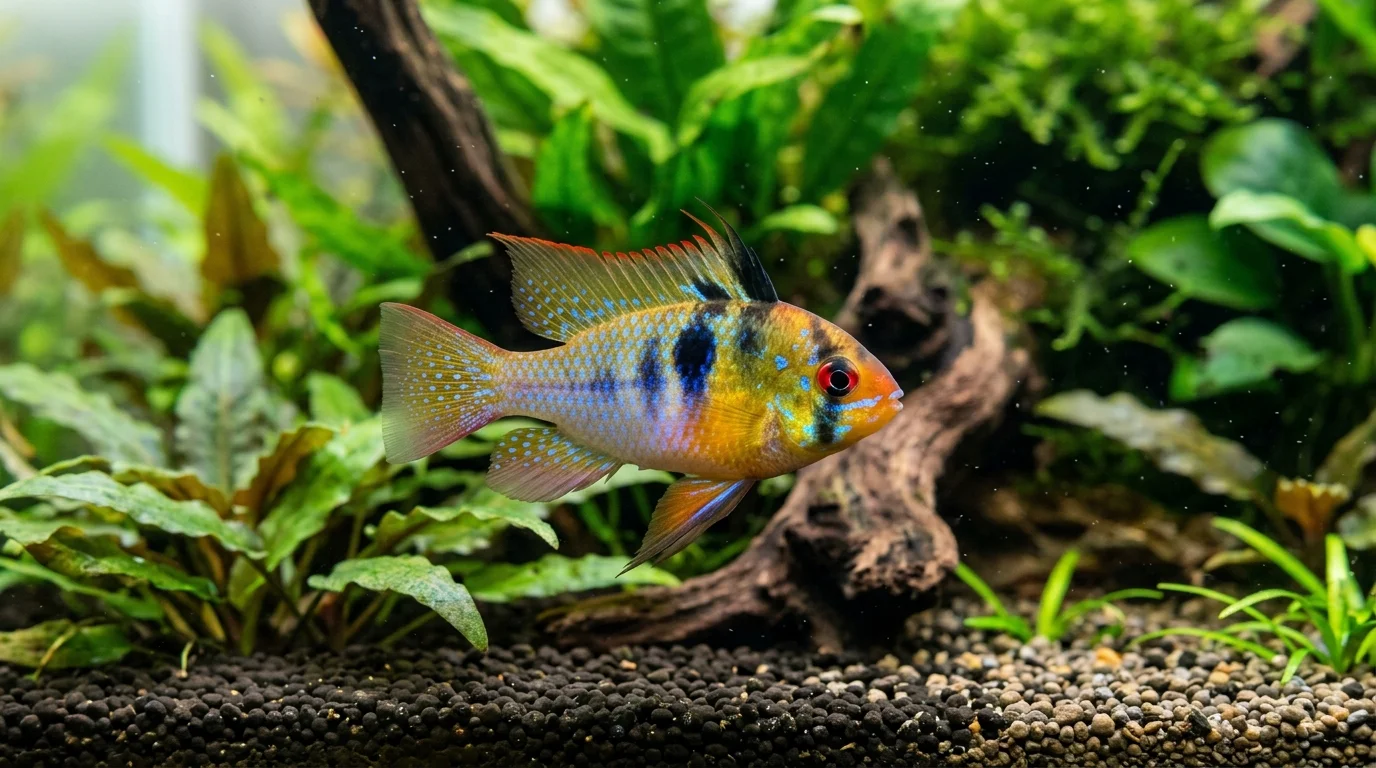
- Warm tropical (80-84°F): Discus, cardinals, and rams demand temperatures above 80°F to thrive. I never recommend discus for beginners simply because maintaining 82-84°F requires consistent monitoring and often a chiller in summer.
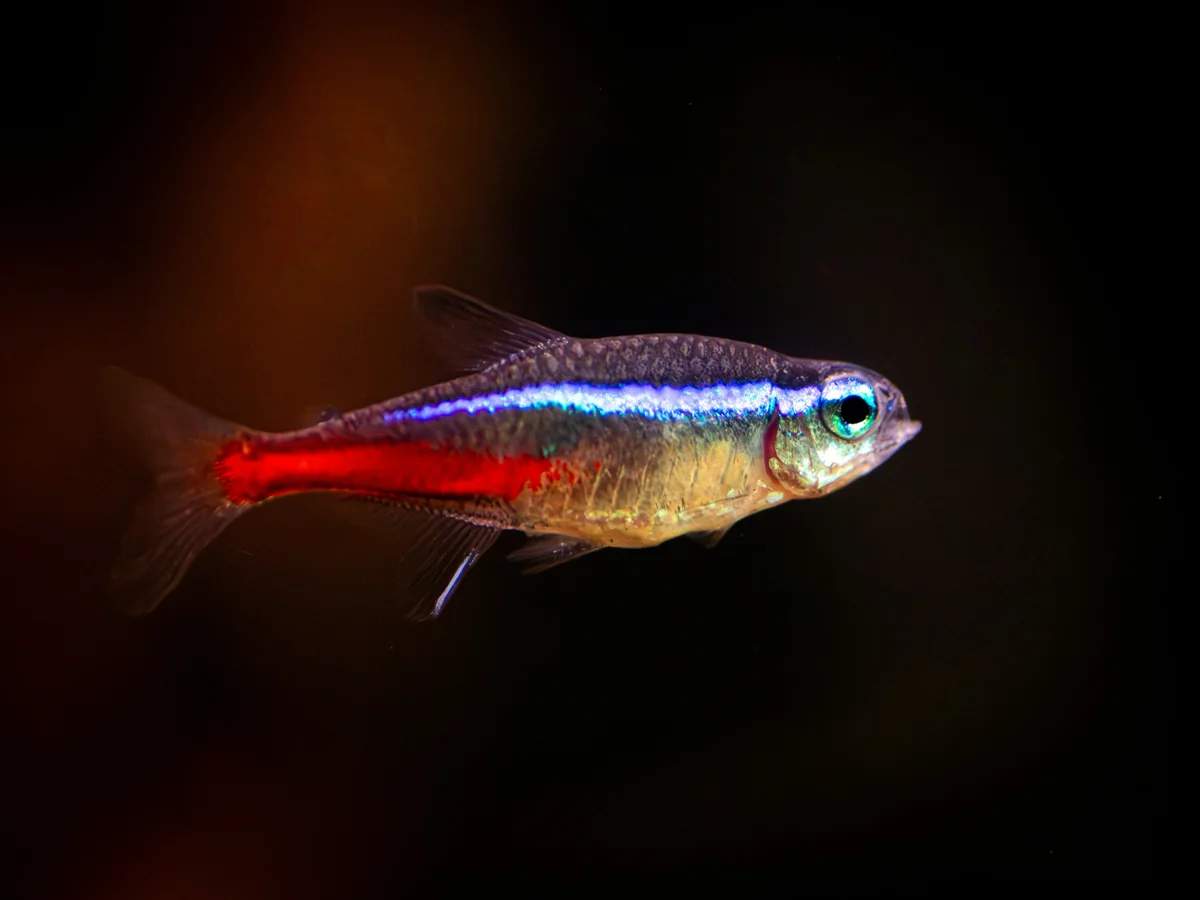
- Moderate tropical (76-80°F): Tetras, barbs, gouramis, and most community fish do well here. Neons are comfortable at 76°F. Angelfish enjoy 78-80°F.
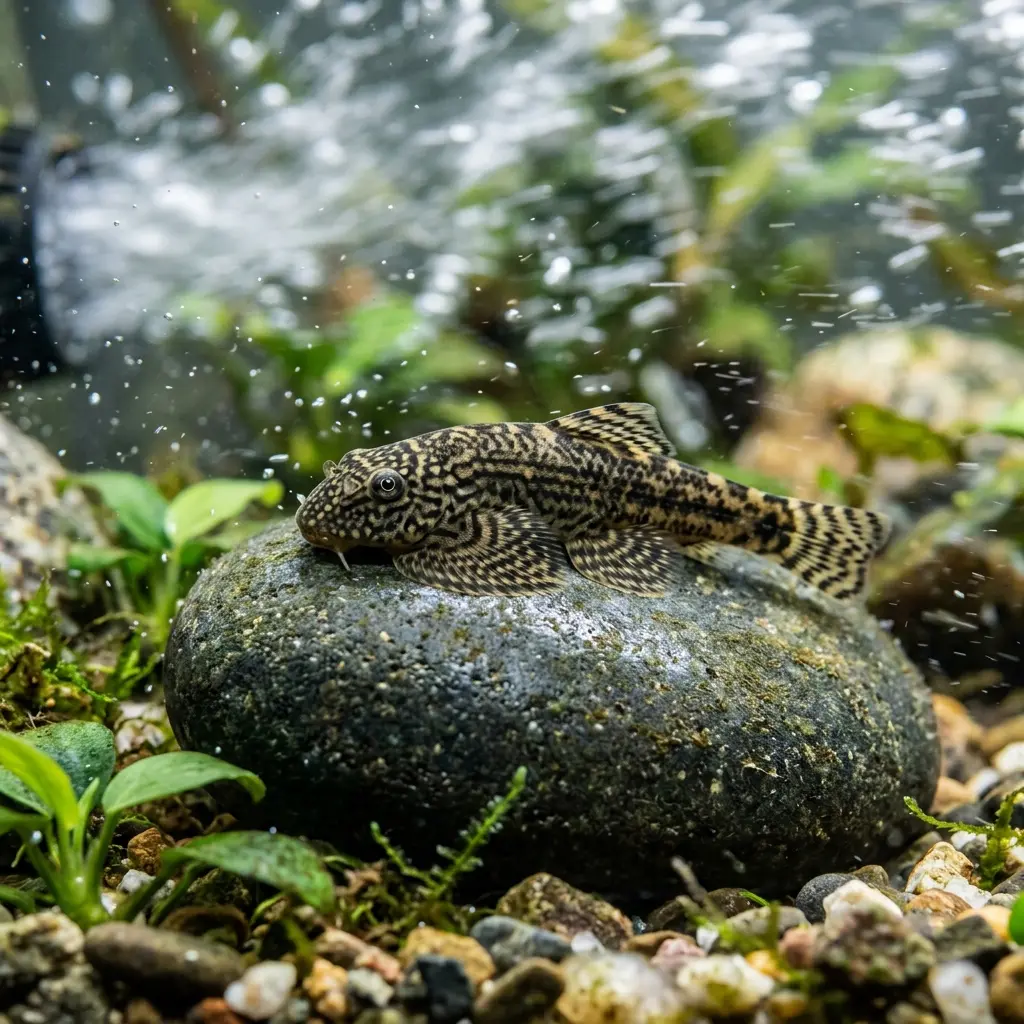
- Temperate/coldwater (65-72°F): Goldfish, white cloud mountain minnows, and hillstream loaches are temperate species. Keeping a fancy goldfish at 78°F shortens its lifespan dramatically—their metabolism runs too hot and they suffer from chronic stress.
The Heater Equation You need 2.5 to 5 watts per gallon, depending on your room temperature. If your tank is in a 68°F basement, you'll lean toward 5 WPG. In a climate-controlled 74°F room, 3 WPG is fine. A 55-gallon tank needs at least 150-200 watts of heater power. I always split the wattage across two smaller heaters (e.g., two 100W instead of one 200W). This provides redundancy—if one fails, the other maintains some heat, and you avoid cooking your fish if a single heater sticks on.
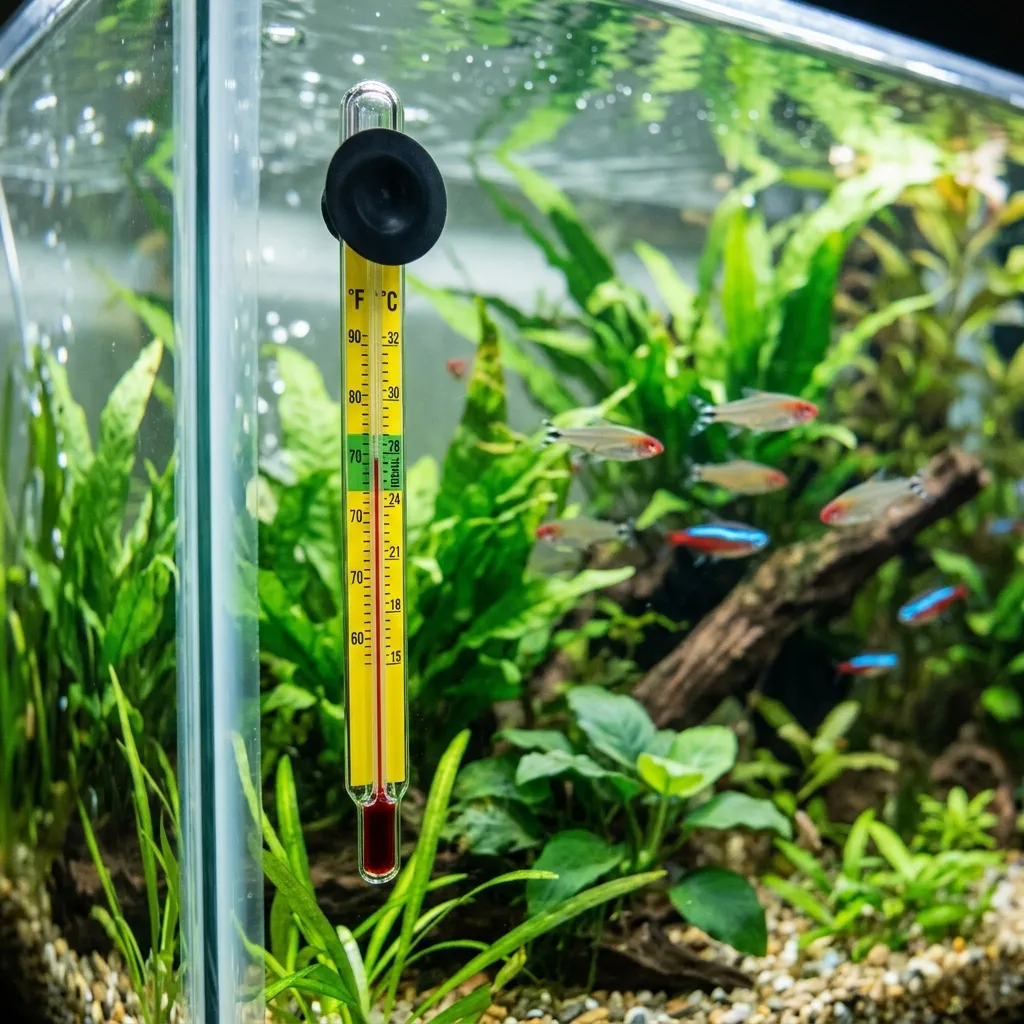
Thermometer Accuracy Never trust the heater dial. Period. They can be off by 5-10°F. Use a separate thermometer. Digital probe thermometers are the most accurate (±0.5°F) and have memory functions to track daily min/max temps. I see more cases of thermal shock from uncalibrated heaters than from actual equipment failure. Place your thermometer at the opposite end of the tank from the heater to gauge true circulation.
The Quick Fix: What to Do in an Emergency If you discover a temperature crisis:
- Too hot (above 86°F): Turn off the heater. Remove 20% of the water and float frozen bottles of dechlorinated water in the tank to bring it down gradually—no more than 1°F per hour. Point a fan at the water surface to increase evaporative cooling.
- Too cold (below 70°F): In a pinch, float ziplock bags of warm (not hot) water in the tank and gradually add warm conditioned water. Replace the warm bag every 30 minutes until your heater catches up. Raise the temp by 1°F per hour maximum.
Prevention is Boring, But It Works The best fix is avoiding the crisis. A controller (like an Inkbird) that shuts off your heater if it exceeds a set temperature is cheap insurance—$30 to save a $500 fish collection. Keep a backup heater ready. And if you're running a tank over 80°F, consider a small cooling fan or even an aquarium chiller in summer months. Most tanks don't need a chiller, but a 100-gallon discus tank in a sunroom absolutely does.
Run Precision Calculations For Your Setup
Check species compatibility, volumetric displacement, and filtration turnover benchmarks for your specific aquarium parameters.
🐟 Associated Species Profiles & Susceptibility
Browse All Fish Profiles →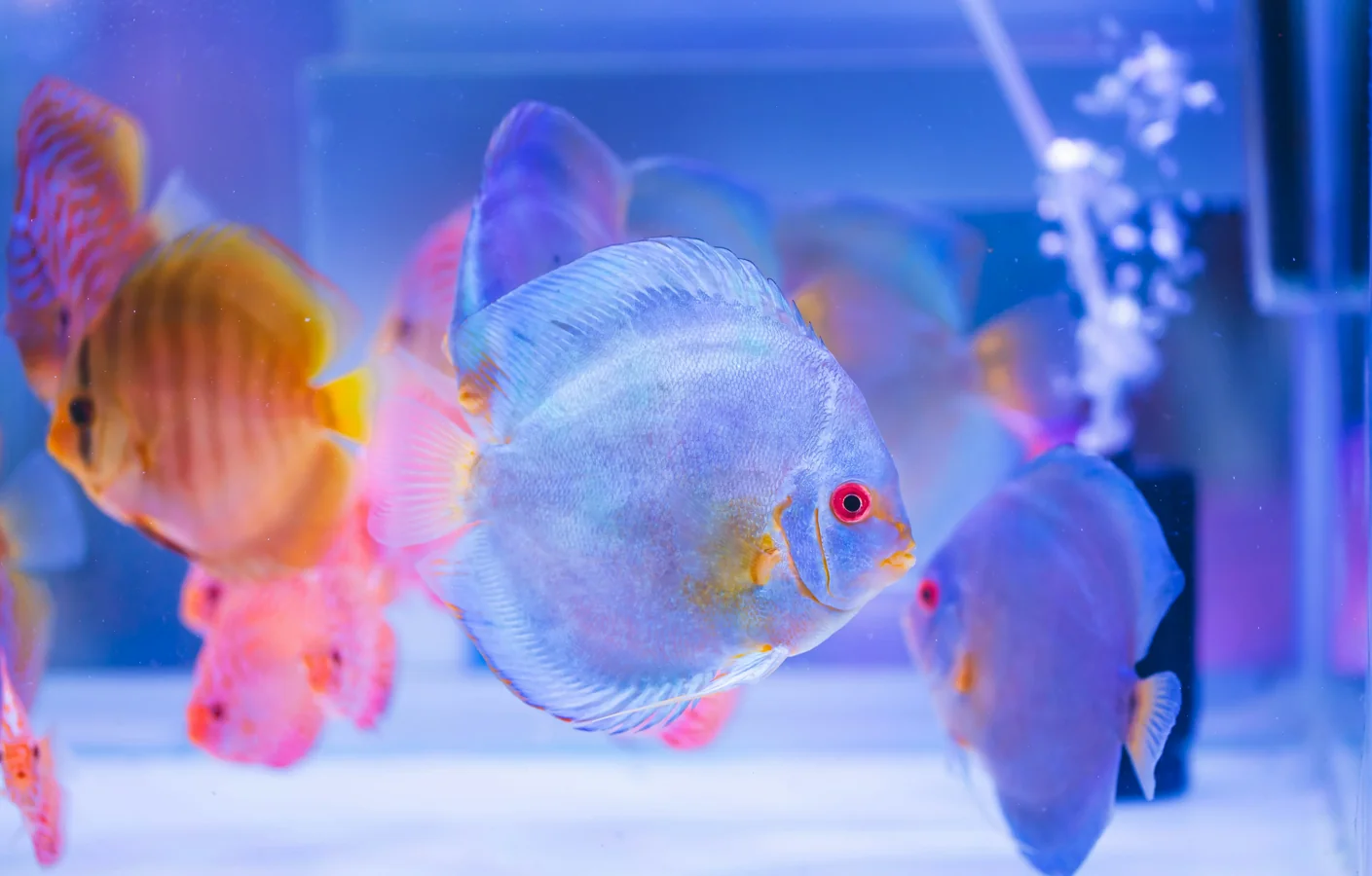
Associated species profile & care guidelines
Associated species profile & care guidelines
Associated species profile & care guidelines
Associated species profile & care guidelines
Associated species profile & care guidelines
⚙ Diagnostic & Sizing Calculators
Prevent underpowering or overheating your tank with this interactive Aquarium Heater Size Guide. Calculate the ideal heater wattage based on your actual temperature delta – the difference between room temperature and target tank temperature. Get a safe wattage recommendation and learn why two smaller heaters are safer than one large one.
Estimate the net usable water volume in your aquarium.
Heater wattage guidance for a 29-gallon aquarium.
Aquarium Heater Types Compared
| Heater Type | Reliability | Cost | Accuracy | Best For |
|---|---|---|---|---|
| Glass Submersible (e.g., Eheim Jager) | Good (80-85%) | $20-$40 | ±2°F | Glass can shatter if dry-run |
| Titanium Heater (e.g., Finnex Titanium) | Excellent (90-95%) | $35-$70 | ±1°F | Needs external controller |
| Inline Heater (e.g., Hydor ETH) | Good (85%) | $50-$80 | ±2°F | Requires canister filter |
| Heater Controller (e.g., Inkbird) | Excellent (95%+ with redundancy) | $30-$50 | ±0.5°F | Requires setup, probe placement |
Frequently Asked Questions
What temperature should my tropical aquarium be?
Is 80°F too hot for most fish?
How many watts per gallon do I need?
Can I keep a heater in the tank during water changes?
Why do my fish gasp at the surface when it's warm?
Do I need a chiller for my aquarium?
Can temperature fluctuations cause ich (Ichthyophthirius)?
Is my thermometer reading accurately?
Sources & References
- Publisher:FishBase Consortium
- Accessed:2026-10-14
- Fish Physiology: Thermal Biology and Ectothermy
- Source:Journal of Fish Biology
- Aquarium Equipment: Heaters and Temperature Control
- Source:Aquatic Engineering Quarterly
- Temperature and Tropical Fish Immune Function
- Source:Society for Aquatic Veterinary Medicine