
Freshwater Flounder (Achirus achirus)
Quick Answer
The 'Freshwater Flounder' sold in the aquarium trade most often refers to Achirus achirus or related small flatfish species. It's a peaceful, camouflaging bottom-dweller that buries in soft sand, tolerates a pH of roughly 6.5-8.0 and temperatures of 72-85°F (22-29°C), and despite the common name, often benefits from at least some aquarium salt or brackish conditions as it matures.
Quick Facts
| Scientific Name | Achirus achirus |
|---|---|
| Common Names | Freshwater Flounder |
| Type | Freshwater |
| Temperament | peaceful |
| Care Difficulty | intermediate |
| Maximum Size | Up to 12 in (30 cm) |
| Diet | Carnivore |
| Temperature | 72–85°F (22–29°C) |
| pH | 6.5–8 |
| Minimum Size | 100 gallons |
Key Takeaways
- Known for its peaceful, shy temperament and camouflage rather than aggression.
- Species sold under this name vary; confirm identity and expected adult size before buying.
- Often benefits from at least some aquarium salt despite being marketed as 'freshwater.'
Health
Ich (White Spot Disease)
A common freshwater parasite that can affect this species like most fish, not unique to it.
- White, salt-like spots on the body and fins; increased hiding or reduced activity.
Stress, sudden temperature changes, or introduction via unquarantined tank mates.
Quarantine new fish and maintain stable water parameters.
Fungal and Skin Infections
Opportunistic infections that can arise from substrate abrasion or poor water quality, relevant to a fish that spends most of its time in contact with the substrate.
- Cottony white patches, discoloration, or lesions on the skin.
Physical abrasion from coarse or sharp substrate, poor water quality, or stress.
Use fine, smooth sand substrate and maintain good water quality with regular water changes.
Breeding
Captive breeding of Achirus achirus is not documented as an established, repeatable practice among home aquarists, and detailed captive-spawning protocols for this species are not well supported in available literature. Wild reproduction is understood to involve migratory (amphidromous) movement between habitats. Hobbyists should not expect to breed this species in a standard home aquarium, and any specific temperature, water-level, or timing protocol claimed for triggering captive spawning should be treated with skepticism absent credible species-specific documentation.
Compatible Tank Mates
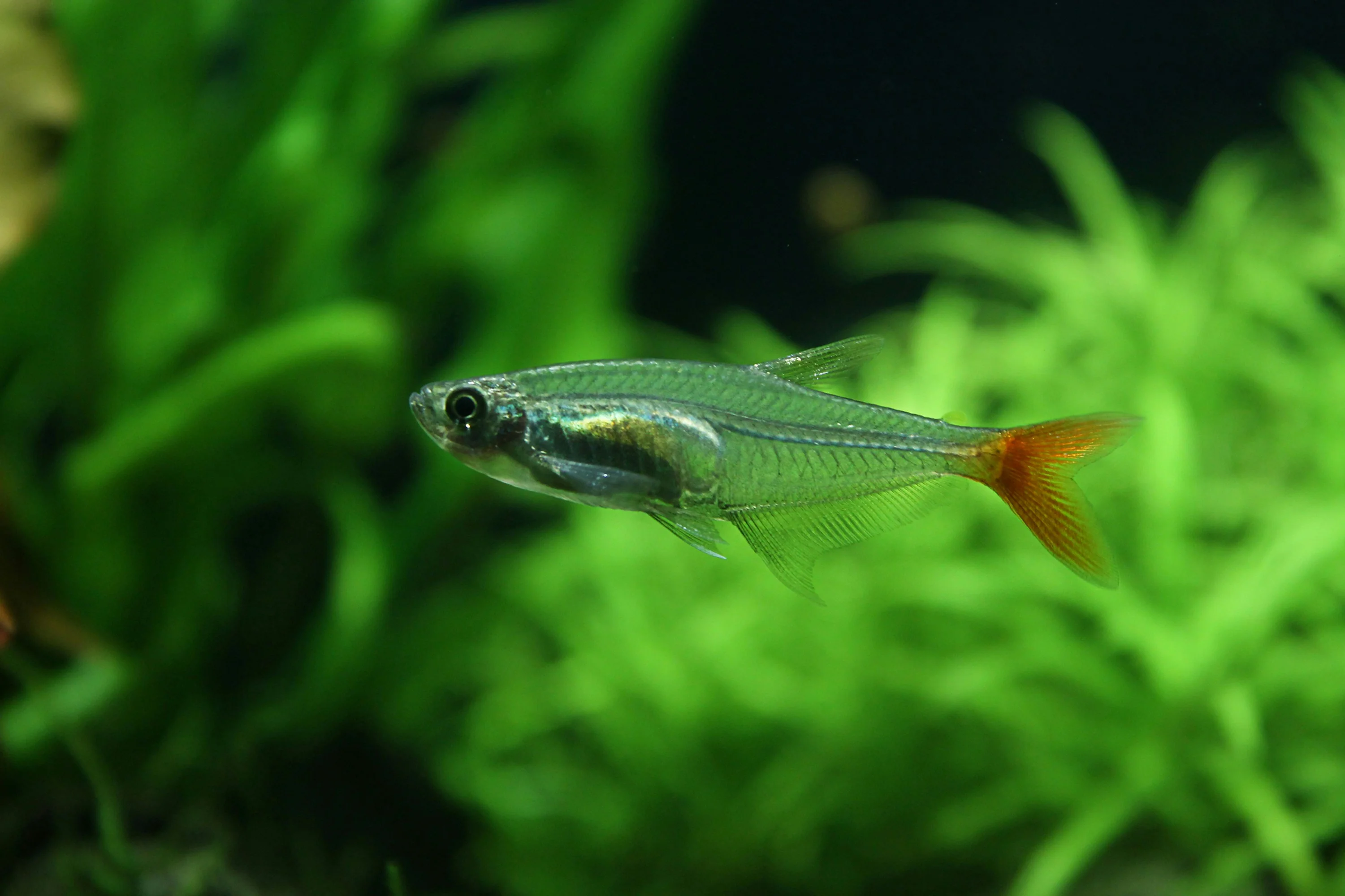
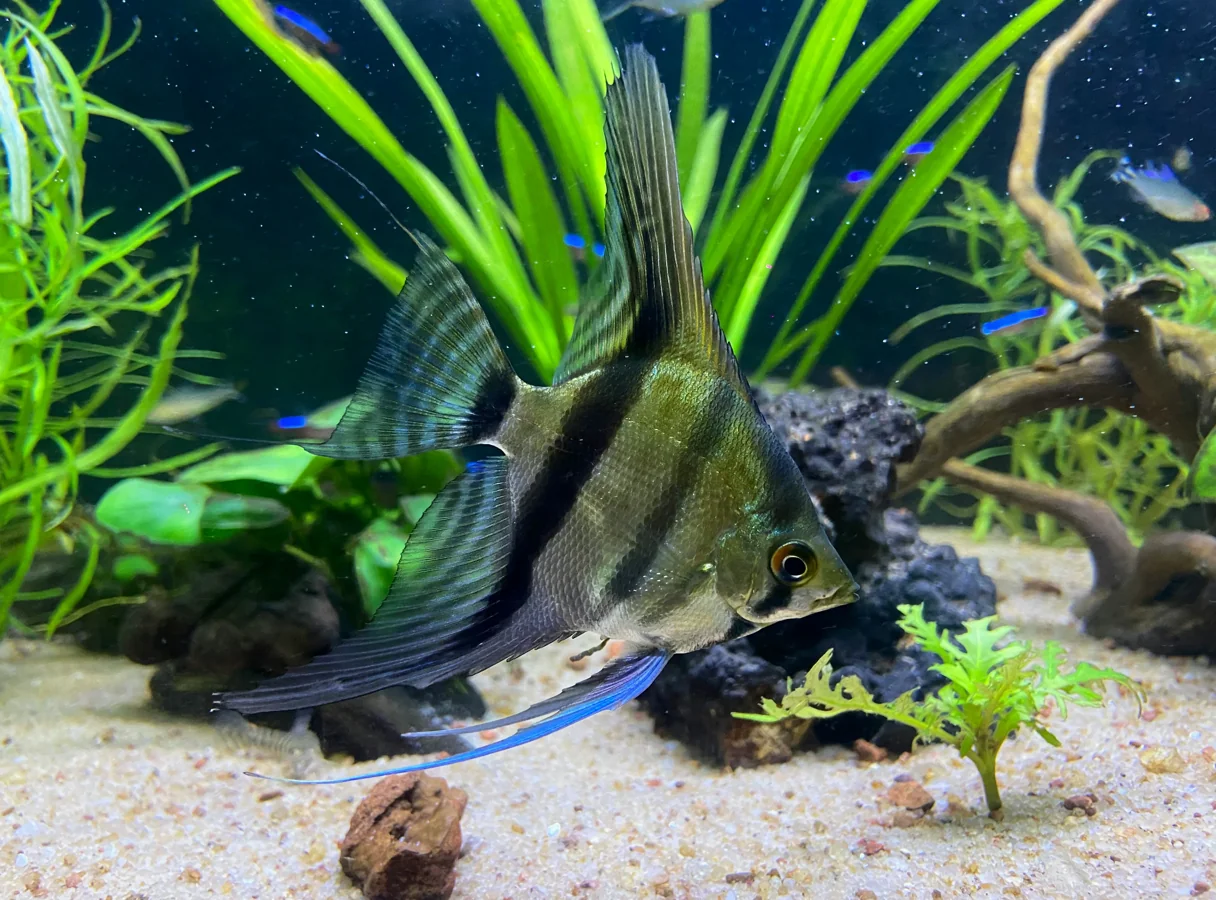
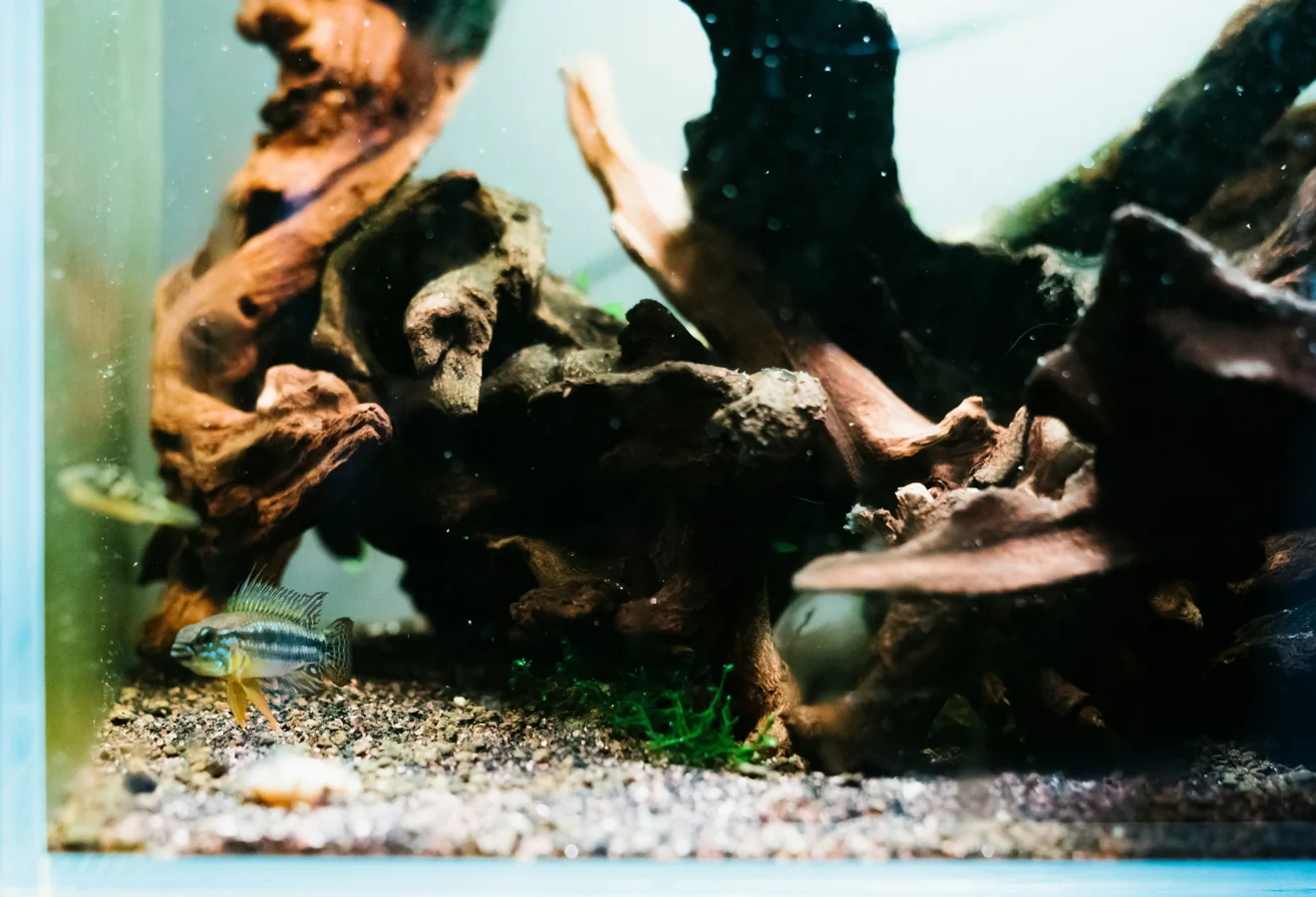
Species Comparison
| Species commonly sold as 'Freshwater Flounder' | Typical Adult Size | Salinity Needs | Notes |
|---|---|---|---|
| Drab Sole (Achirus achirus) | Up to ~12-14.6 in (30-37 cm) in the wild | Brackish to freshwater-tolerant | Largest of the commonly traded species; often sold small |
| Lined Sole (Achirus lineatus) | Up to ~6 in (15 cm) | Prefers brackish; freshwater-tolerant when young | The species most commonly discussed in hobbyist care guides |
| Hogchoker (Trinectes maculatus) | Up to ~6 in (15 cm) | Brackish to marine; some freshwater tolerance | Native along the US Atlantic and Gulf coasts |