
Apistogramma (Apistogramma spp.)
Quick Answer
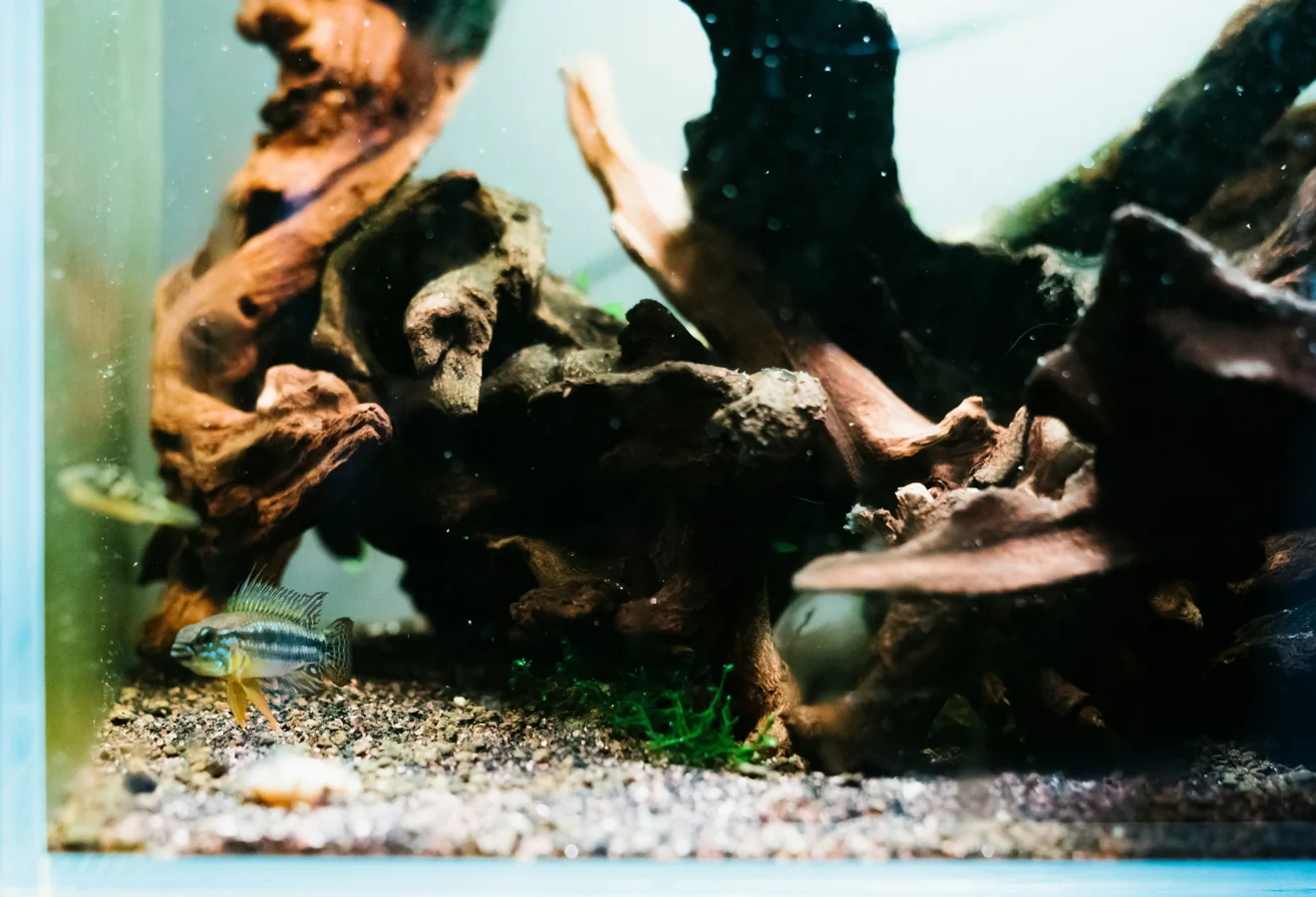
Apistogramma (Apistogramma spp.) is a diverse genus of dwarf cichlids native to South American blackwater and clearwater habitats. Males reach up to 3 inches (7.6 cm) and display spectacular finnage and coloration. They require a minimum 20 gallon (75 liter) aquarium with soft, acidic water (pH 5.0-7.0, 0-8 dGH), temperatures of 75-82 degrees Fahrenheit (24-28 degrees Celsius), and abundant cave structures. This micro-territorial omnivore occupies the bottom zone and demands species-appropriate tank mate selection.
Quick Facts
| Scientific Name | Apistogramma spp. |
|---|---|
| Common Names | Apistogramma |
| Family | Cichlidae |
| Genus | Apistogramma |
| Type | Freshwater |
| Temperament | aggressive |
| Care Difficulty | intermediate |
| Lifespan | 5 years |
| Maximum Size | Up to 3 in (8 cm) |
| Diet | Omnivore |
| Temperature | 75–82°F (24–28°C) |
| pH | 5–7 |
| Minimum Size | 20 gallons |
Key Takeaways
- Requires soft, acidic water: pH 5.0 to 7.0, 0 to 8 dGH.
- Minimum 20 gallon (75 liter) aquarium for a single pair.
- Micro-territorial; keep one male per tank unless exceeding 40 gallons (150 liters).
- Cave spawner with complex harem social structures.
- Extremely sensitive to copper and full-strength formalin medications.
- Live and frozen foods are essential for coloration and breeding.
- Belly slider syndrome affects some inbred fry strains.
- TDS under 100 ppm required for breeding most species.
Overview
What Is Apistogramma?
Apistogramma is a genus of small, colorful freshwater cichlids native to the slow-moving blackwater streams, clearwater tributaries, and seasonally flooded forest floors of the Amazon and Orinoco river basins in South America. With over 90 described species and countless color morphs, Apistogramma represents one of the most diverse and behaviorally complex groups of dwarf cichlids available to aquarists.
Natural History and Distribution
Apistogramma species are found across Brazil, Peru, Colombia, Venezuela, and Bolivia. Their habitats range from deeply tannin-stained blackwater pools with pH values as low as 4.0 to clearwater streams with moderate hardness. Most species inhabit shallow waters over leaf litter, where they sift through detritus and botanical debris to capture micro-invertebrates. Seasonal flooding dramatically alters their environment, triggering spawning cycles synchronized with the rainy season.
Physical Characteristics
Males are significantly larger and more ornate than females, displaying elongated dorsal and caudal fin rays, vibrant iridescent body coloration, and species-specific facial markings. Females are smaller, possess a more rounded body profile, and typically display a striking yellow coloration when in breeding condition. Sexual dimorphism is pronounced across all species, making gender identification straightforward even to novice aquarists.
Conservation Status
Most Apistogramma species are listed as Not Evaluated by the IUCN. However, habitat destruction in the Amazon basin and over-collection for the aquarium trade threaten certain restricted-range species. Captive breeding programs have successfully reduced pressure on wild populations for the most commonly traded species including A. cacatuoides, A. agassizii, and A. borellii.
Care
Apistogramma Aquarium Setup and Care Requirements
Creating a biologically appropriate environment is the single most important factor in Apistogramma longevity and color expression. These fish are not forgiving of poor water quality, incorrect hardness, or inadequate territorial structure.
Tank Size and Dimensions
The absolute minimum tank size for a single pair of Apistogramma is 20 gallons (75 liters) with a footprint of 30 by 12 inches (75 by 30 cm). A harem of one male with three to four females requires 40 gallons (150 liters) minimum. Long tanks are superior to tall tanks because Apistogramma are bottom-zone specialists that utilize horizontal territory boundaries rather than vertical water columns.
Substrate Selection
Use a soft, fine-grained sand substrate with a grain size of 0.5 to 1.5 millimeters. Apistogramma routinely take mouthfuls of sand and filter it through their gills to extract edible particles. Sharp gravel causes barbel damage and mouth abrasions. Aquarium soil substrates prevent natural sifting behavior and should be avoided.
Hardscape and Botanicals
Provide at least one cave shelter per female plus one additional cave. Acceptable materials include coconut shells with a single entrance hole, ceramic breeding tubes, PVC pipe sections, and smooth-edged rock caves. Seed pods and catappa leaves serve dual purposes: they create spawning sites that resemble natural leaf litter caves, and they leach tannins that acidify water and provide humic compounds.
Add driftwood and inert rocks arranged to create visual barriers. Dense plantings of sturdy, low-light species such as Cryptocoryne, Java fern, and Anubias provide additional cover. Avoid delicate stem plants, which Apistogramma will uproot during sifting behavior.
Filtration and Water Flow
Use a gentle sponge filter or a hang-on-back filter with a reduced flow baffle. Apistogramma originate from stagnant or slow-moving waters and cannot tolerate strong current. Surface agitation should be minimal to prevent excessive gas exchange that drives off carbon dioxide and raises pH.
Lighting
Maintain low to moderate lighting intensity with heavy shading. Floating plants such as Amazon frogbit, water lettuce, or red root floater create dappled light conditions that reduce stress and intensify coloration. A photoperiod of 10 to 12 hours is sufficient.
Diet
Apistogramma Diet and Feeding Strategy
Apistogramma are opportunistic micro-predators with a dietary composition requirement of approximately 50 percent protein, 20 percent fat, and 30 percent plant and detrital matter. In the wild, they consume insect larvae, micro-crustaceans, worm fragments, and algae films scraped from submerged botanicals.
Staple Foods
Feed live or frozen foods as the dietary foundation. The best options include newly hatched baby brine shrimp (Artemia nauplii), daphnia, cyclops, mosquito larvae, and blackworms. These should constitute 60 to 70 percent of the total diet. Offer food two to three times daily in quantities consumed within two minutes.
Prepared Foods
Supplement live and frozen foods with high-protein sinking micro-granules or pellets sized under 1 millimeter. Sera Micron, New Life Spectrum small fish formula, and Hikari Micro Pellets are suitable options. Pre-soak all dry foods in aquarium water for two minutes before feeding to prevent intestinal expansion.
Vegetable and Supplemental Foods
Provide spirulina-enriched flakes or gel foods once daily. Blanched zucchini, cucumber, and spinach may be accepted by some individuals. These vegetable components supply essential fiber and carotenoids that enhance coloration.
Foods to Avoid
- Beef heart and mammalian proteins: Apistogramma lack the digestive enzymes to process mammalian muscle tissue. These foods cause fatty liver degeneration and intestinal blockages.
- Large bloodworms: Chironomid larvae thicker than 2 millimeters can cause intestinal impaction in fish under 2 inches (5 cm).
- Freeze-dried foods without rehydration: These expand in the gut and can cause fatal digestive rupture.
- Generic community flake foods: Most flakes contain excessive cereal binders and insufficient protein for cichlid metabolism.
Feeding Schedule
Morning: Live or frozen protein source. Midday: Spirulina-enriched preparation or vegetable matter. Evening: Sinking micro-pellets or granules. Fast one day per week to clear the digestive tract.
Health
Apistogramma Health and Disease Management
Apistogramma are susceptible to a specific suite of diseases that reflect their blackwater origins and sensitivity to water chemistry. Their small size, scaleless or reduced-scale body covering, and specialized gill structure make them particularly vulnerable to protozoan parasites and environmental toxins. Preventive care through quarantine, water quality maintenance, and species-appropriate medication selection is far more effective than reactive treatment.
Quarantine Protocol
All new Apistogramma must undergo a 21-day quarantine period in a bare-bottom hospital tank with identical water parameters to the display aquarium. During quarantine, observe for clamped fins, rapid breathing, white stringy feces, and failure to feed. Prophylactic treatment with Praziquantel at 2 mg per liter on day 3 and day 10 eliminates internal parasites without stressing the biofilter.
Water Quality and Stress Reduction
Maintain ammonia and nitrite at absolute zero. Nitrates must remain below 5 ppm. Apistogramma exposed to nitrate levels above 20 ppm show suppressed immune function, faded coloration, and increased susceptibility to opportunistic bacterial infections. Perform weekly 25 percent water changes using reverse osmosis or dechlorinated tap water matched to the aquarium's parameters.
Ich (Ichthyophthirius multifiliis)
A protozoan parasite causing white salt-like spots on fins and body, accompanied by flashing and labored breathing.
- White cysts 0.5 to 1.0 mm in diameter on fins, gill covers, and body. Fish rub against substrate and decor. Rapid gill movement and clamped fins in advanced stages.
Introduction via infected fish or plants. Triggered by temperature fluctuations and immune suppression from poor water quality.
Quarantine all new livestock for 21 days. Maintain stable temperature between 75 and 82 degrees Fahrenheit (24 and 28 degrees Celsius). Avoid temperature swings exceeding 2 degrees Fahrenheit (1 degree Celsius) per day.
Velvet (Piscinoodinium pillulare)
A dinoflagellate parasite producing a fine yellow-gold dusting on the skin, often more dangerous than ich due to photosynthetic capability and gill involvement.
- Fine golden or rust-colored film on skin resembling dust. Fish may appear to have a dull, matte finish. Flashing, lethargy, and refusal to eat. Rapid mortality if untreated.
Introduction via infected fish. Thrives in warm, well-lit aquariums. The parasite photosynthesizes, making light exposure critical to its survival.
Quarantine new fish. Reduce lighting intensity during treatment periods. Maintain excellent water quality to prevent immune suppression.
Hexamita (Spironucleus vortens)
A flagellate protozoan infecting the intestinal tract, common in stressed Apistogramma and often fatal if untreated.
Stress from incorrect water parameters, especially elevated pH and hardness in soft-water species. Introduction via contaminated live foods such as tubifex worms.
Feed high-quality frozen foods from reputable sources. Maintain soft, acidic water. Avoid overfeeding. Treat with Metronidazole at first sign of stringy feces.
Belly Slider Syndrome (Fry Developmental Disorder)
A developmental defect in fry characterized by swim bladder failure, corkscrew swimming, and bent spines. Most common in inbred color strains of A. cacatuoides.
- Fry lie on the substrate, unable to maintain buoyancy. Corkscrew or spiral swimming patterns. Muscular contractions and spinal curvature. Affected fry typically die within 7 to 14 days of hatching.
Inbreeding depression in heavily line-bred strains. Incorrect water hardness during egg development. Insufficient oxygenation during incubation. Nutritional deficiencies in broodstock diet.
Source broodstock from unrelated bloodlines. Maintain breeding water at TDS under 100 ppm and pH 5.5 to 6.0. Increase air stone delivery during the egg stage. Feed breeding adults live blackworms and daphnia for two weeks prior to spawning.
Bacterial Fin Rot and Mouth Fungus
Secondary bacterial infections typically arising from physical injury, poor water quality, or aggression-related wounds.
- Frayed or receding fin edges with white or red margins. Cotton-like growths on mouth or body ulcers. Lethargy and reduced feeding.
Ammonia or nitrite spikes. Fin-nipping tank mates. Rough-edged caves or decorations. Introduction via infected fish.
Maintain zero ammonia and nitrite. Use smooth-edged caves only. Remove aggressive tank mates. Perform weekly water changes and gravel vacuuming.
Internal Parasites (Nematodes and Cestodes)
Worm infections causing chronic weight loss, bloating, and intestinal blockage.
- Pinched belly despite normal appetite. Visible worms in feces. Bloated abdomen in cestode infections. General failure to thrive.
Introduction via contaminated live foods, particularly tubifex worms and blackworms from unreliable sources. Cross-contamination from infected tank mates.
Purchase live foods only from reputable aquarium suppliers. Rinse all live foods in fresh water before feeding. Quarantine new fish for 21 days with prophylactic Praziquantel treatment.
Breeding
Apistogramma Breeding Guide
Breeding Apistogramma is one of the most rewarding experiences in dwarf cichlid keeping. Success depends on replicating seasonal environmental triggers, providing appropriate cave structures, and maintaining the precise soft-water chemistry required for egg viability.
Broodstock Selection
Select sexually mature fish at least 8 months old. Choose the largest male and a female that displays strong yellow breeding coloration. If purchasing juveniles, buy six individuals and allow natural pair formation. Remove excess males once a pair bonds to prevent lethal aggression.
Conditioning Diet
Feed live blackworms, daphnia, and mosquito larvae three times daily for 14 days prior to spawning attempts. High-fat live foods trigger gonadal development. Avoid overfeeding; obesity reduces spawning success.
Environmental Trigger Simulation
Apistogramma spawn in response to seasonal flooding in their native habitat. Replicate this by simulating a dry season followed by a rainy season:
- Lower the water level to 6 inches (15 cm) for 7 days while maintaining filtration.
- Increase feeding frequency and protein content during this period.
- On day 8, refill the tank with cool reverse osmosis water at 68 degrees Fahrenheit (20 degrees Celsius).
- Perform a 50 percent water change with soft, acidic water at pH 5.5 and 0 dGH.
- Drop the temperature by 5 degrees Fahrenheit (3 degrees Celsius) below normal maintenance temperature.
- Increase the photoperiod to 14 hours daily.
Spawning and Egg Care
The female selects a cave and deposits 40 to 100 eggs on the ceiling. She fans the eggs with her pectoral fins to maintain oxygen flow. Eggs hatch in 72 hours at 80 degrees Fahrenheit (27 degrees Celsius). The female moves the wrigglers to pre-dug pits in the substrate.
Fry Rearing
Fry become free-swimming at day 7. Feed freshly hatched baby brine shrimp, microworms, and vinegar eels four times daily. Maintain pristine water quality with daily 10 percent water changes. Remove the male if he threatens the female or fry. Expect 5 to 15 percent belly slider syndrome in some strains; cull affected fry immediately.
Sex Ratio Manipulation in A. cacatuoides
Water chemistry influences the sex ratio of cacatuoides fry. Acidic water below pH 6.0 and temperatures at the lower end of the range (75 degrees Fahrenheit / 24 degrees Celsius) produce more females. Alkaline water above pH 7.0 and temperatures at the upper end (82 degrees Fahrenheit / 28 degrees Celsius) produce more males.
Tips
Expert Tips for Apistogramma Success
These advanced recommendations address the specific gaps left by general care guides and competitor content. Implementing even three of these tips will dramatically improve coloration, spawning frequency, and fish longevity.
Substrate Secret
Use coconut husk powder as a breeding substrate. Boil the powder for 10 minutes to remove tannins, rinse three times with dechlorinated water, and spread a half-inch (1.25 cm) layer across the tank bottom. This substrate mimics the decomposing organic matter of their natural habitat and triggers natural sifting and spawning behavior more reliably than bare glass or coarse gravel.
Blackwater Extract Protocol
Rather than relying on decaying leaves that foul water, use concentrated blackwater extract at 5 milliliters per 10 gallons (38 liters) weekly. This maintains a stable humic acid concentration of 5 to 10 ppm without the bacterial load of decomposing botanicals. For clearwater species such as A. agassizii, use activated carbon to remove tannins while maintaining soft water chemistry.
TDS Management by Species
Competitor guides rarely mention Total Dissolved Solids, yet this parameter determines breeding success more reliably than pH alone. Use a TDS meter and target these species-specific values:
- A. cacatuoides: Up to 450 ppm for maintenance; 150 to 250 ppm for breeding.
- A. agassizii: Under 100 ppm for consistent spawning.
- A. borellii: 150 ppm or lower.
- A. trifasciata: 100 ppm or lower.
Male Removal Strategy
After spawning, observe male behavior closely. If the male attempts to enter the cave or harasses the female, remove him to a separate tank with identical parameters. Some species, particularly A. cacatuoides, tolerate male presence during fry rearing, while others such as A. nijsseni require immediate male removal.
Lighting for Color Expression
Apistogramma coloration intensifies under subdued lighting with a color temperature of 3000 to 4000 Kelvin. Avoid high-output LED systems above 6500 Kelvin, which wash out red and yellow pigments and increase skittishness. Use floating plants to create natural light diffusion.
Quarantine Medication Rotation
During the 21-day quarantine, treat with Praziquantel on days 3 and 10 for internal parasites. If the fish originate from a known problematic source, follow with a half-dose malachite green bath on day 14 for external protozoans. Never combine copper, formalin, and salt in the same treatment regimen.
Avoid These Common Mistakes
- Using alkaline substrates such as crushed coral or aragonite.
- Keeping multiple males in tanks under 40 gallons (150 liters).
- Feeding beef heart or mammalian proteins.
- Using full-strength ich medications containing copper or formalin.
- Skipping quarantine for wild-caught specimens.
- Adding bottom-dwelling competitors such as loaches or large plecos.
- Using bright lighting without floating plant cover.
Compatible Tank Mates
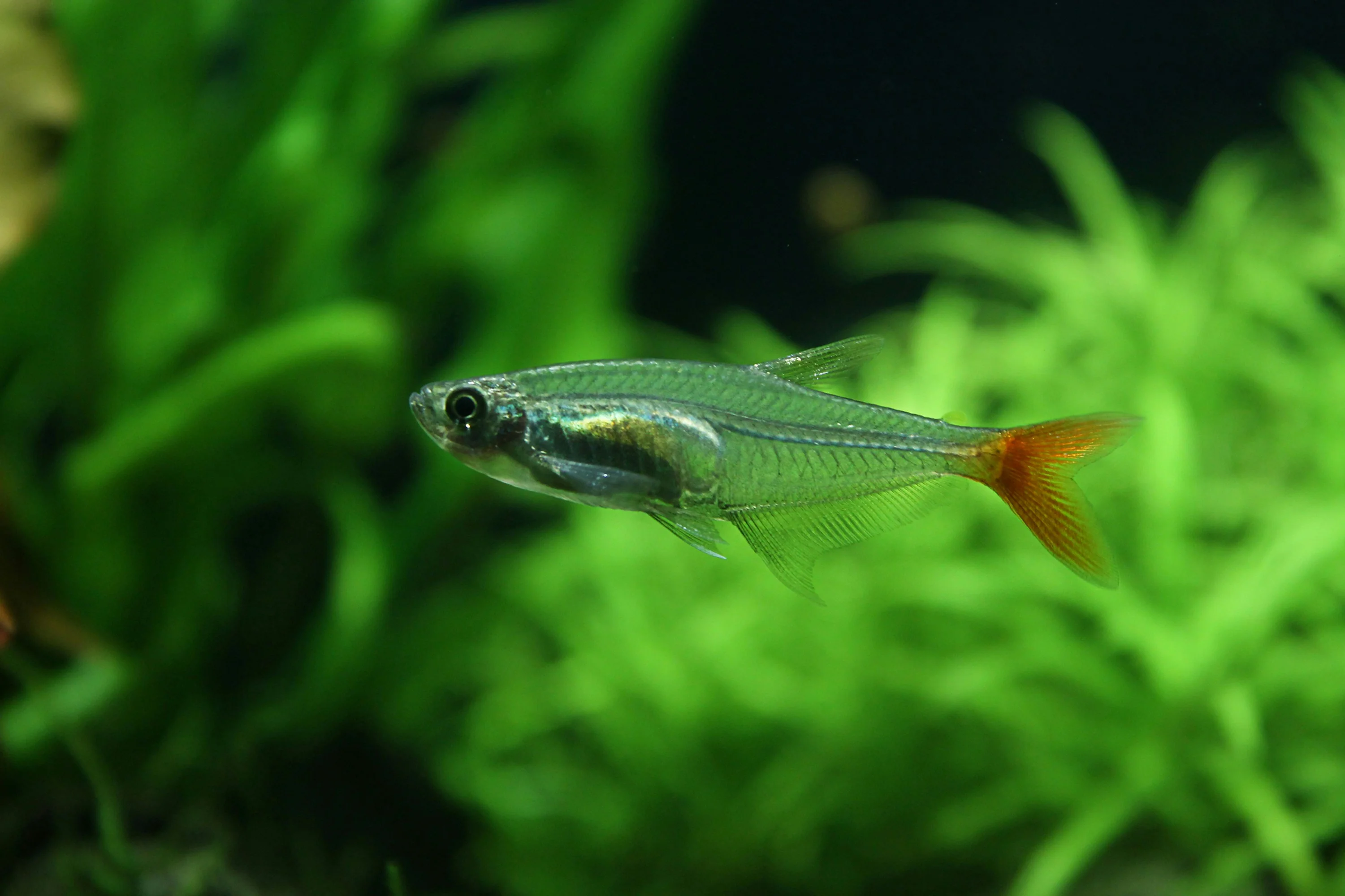
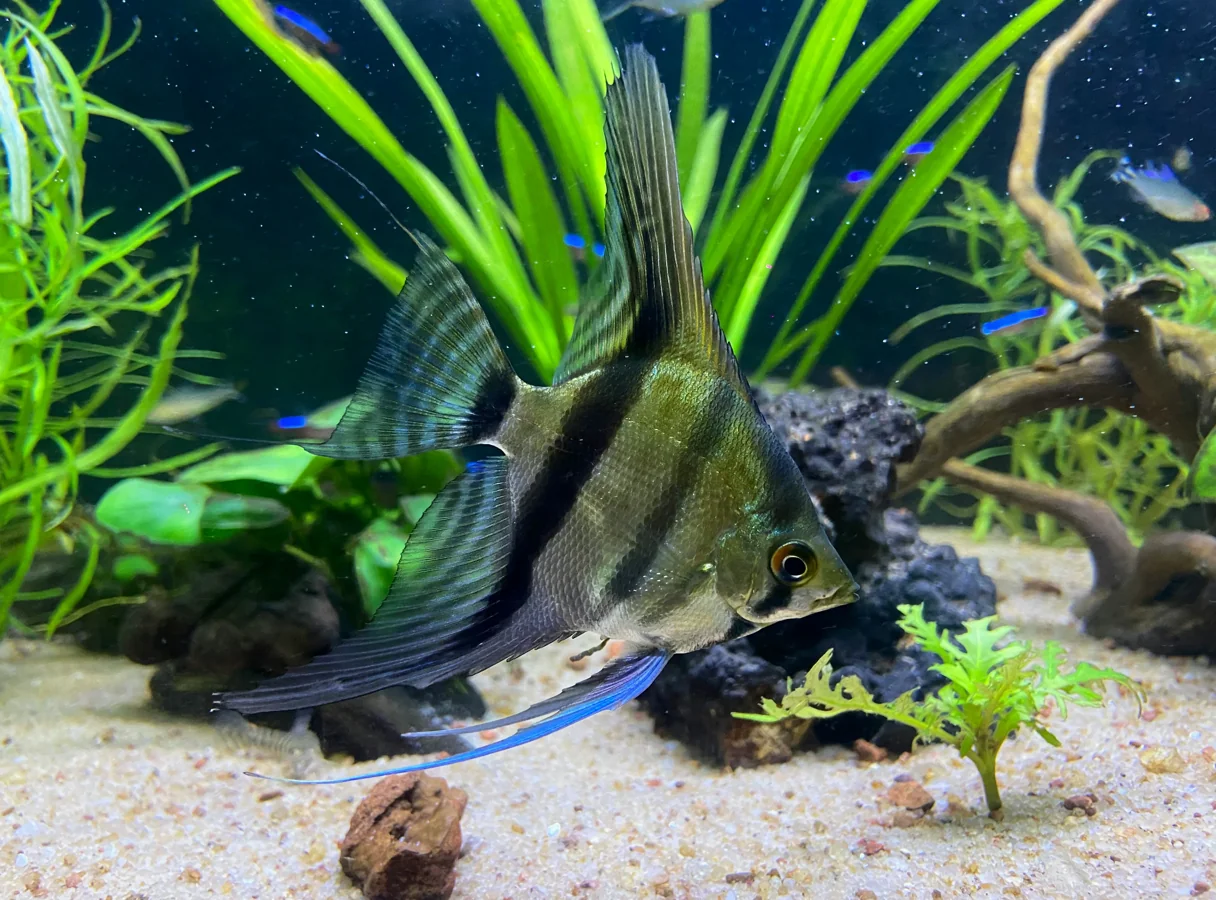
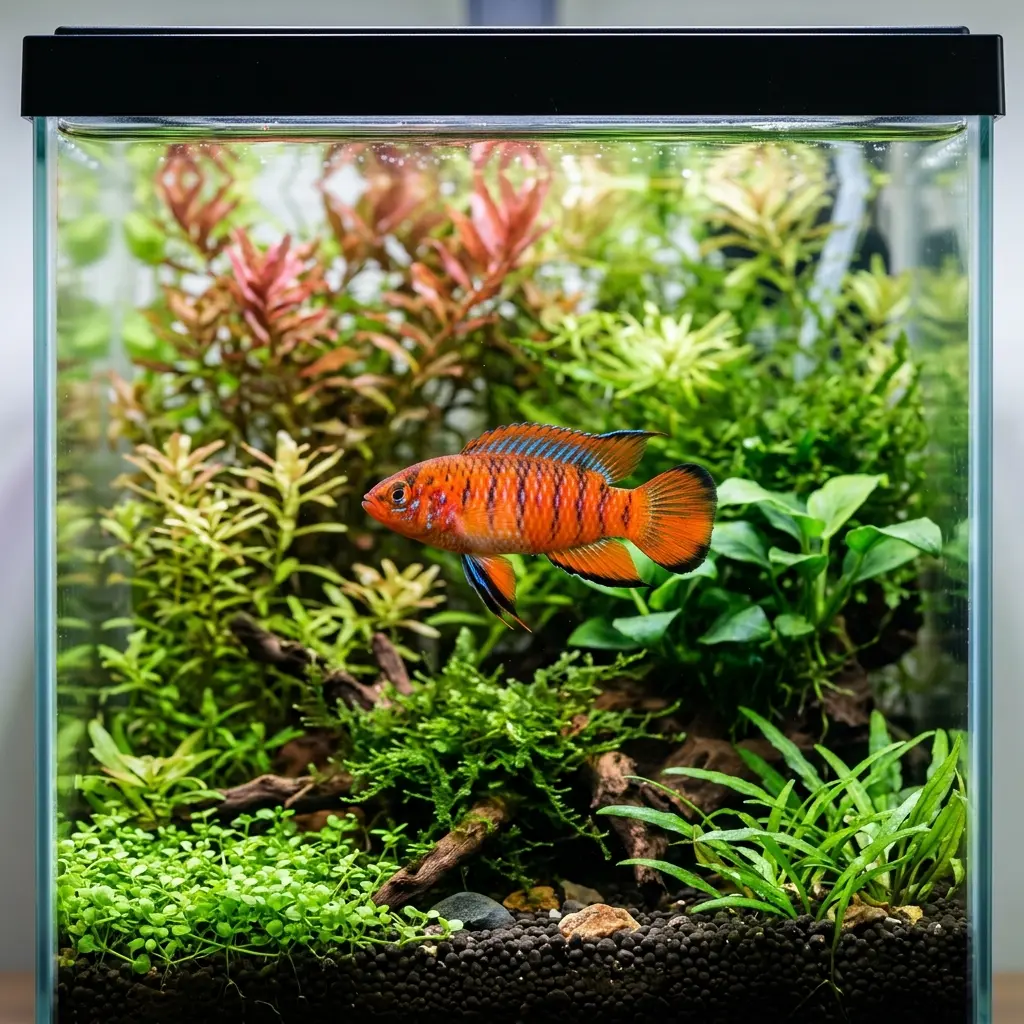
Species Comparison
| Feature | Apistogramma | German Blue Ram | Kribensis | Bolivian Ram |
|---|---|---|---|---|
| Adult Size | Up to 3 in (7.6 cm) male; 2 in (5 cm) female | Up to 2.5 in (6.4 cm) male; 2 in (5 cm) female | Up to 4 in (10 cm) male; 3 in (7.6 cm) female | Up to 3.5 in (8.9 cm) male; 2.75 in (7 cm) female |
| Temperament | Micro-territorial; males aggressive toward own species | Peaceful; forms bonded pairs | Moderately aggressive; especially when breeding | Peaceful; suitable for community tanks |
| Minimum Tank Size | 20 gal (75 L) for pair; 40 gal (150 L) for community | 20 gal (75 L) for pair | 30 gal (113 L) for pair | 30 gal (113 L) for pair |
| Diet | Micro-predator; 50% protein live and frozen foods | Omnivore; accepts flakes, pellets, and frozen foods | Omnivore; algae grazer and protein consumer | Omnivore; unfussy eater |
| pH Range | 5.0 to 7.0 (wild); up to 7.5 (tank-bred cacatuoides) | 5.0 to 7.0 | 6.0 to 8.0 (highly adaptable) | 6.0 to 7.5 |
| Water Hardness | 0 to 8 dGH (species dependent) | 0 to 10 dGH | 5 to 20 dGH | 5 to 15 dGH |
| Breeding Difficulty | Intermediate; requires soft water and cave spawning | Intermediate; sensitive to water quality during spawning | Easy; breeds readily in community tanks | Easy to moderate; open spawner |