
After 15+ years of maintaining both high-tech planted aquariums and outdoor koi ponds through freezing winters and sweltering summers, I can tell you this with certainty: ponds and aquariums are not simply scaled versions of each other. They are fundamentally different engineering and biological challenges. While both involve keeping fish in controlled water environments, the filtration philosophy, thermal management, stocking mathematics, and daily workflows diverge so dramatically that expertise in one does not automatically transfer to the other.
Whether you are debating a 75-gallon show tank or a 2,000-gallon backyard ecosystem, understanding these structural differences will save you thousands in equipment mistakes and prevent the seasonal heartbreak of stock losses.
Aquarium vs Pond: Quick Comparison
| Feature | Indoor Aquarium | Outdoor Pond | |---|---|---| | **Typical Volume** | 10–200 gallons | 500–10,000+ gallons | | **Temperature Control** | Submersible heater + chiller (precision to ±1°F) | Pond depth, sun exposure, shade; optional de-icer | | **Primary Filtration** | Canister, HOB, sponge, sump | Bottom drains, surface skimmers, biofalls, UV clarifiers | | **Stocking Rule** | 1 inch adult fish per gallon | 1 inch adult fish per 10 gallons | | **Water Changes** | 25–50% weekly | 10–20% monthly or seasonal | | **Predator Risk** | Minimal (occasional cat) | Herons, raccoons, kingfishers, foxes | | **Year-Round Operation** | Climate-controlled indoors | Requires winterization in USDA Zones 6 and below | | **Initial Setup Cost** | $500–$3,000 | $3,000–$20,000+ |
1. Filtration: Closed Loop vs. Open Ecosystem
**Aquarium filtration** is a closed-loop mechanical process. Water is lifted from the tank, forced through mechanical, chemical, and biological media under pressure, and returned. You control flow rate, media composition, and cleaning intervals with precision. A well-tuned aquarium filter can process an ammonia spike from overfeeding within 4–6 hours.
**Pond filtration** is open-system ecology. You are not merely filtering water; you are managing a miniature watershed that receives rain, leaf litter, pollen, and runoff. An effective pond system layers multiple strategies:
- **Surface Skimmers**: Pull floating debris (leaves, pollen, foam) before it decays and sinks. - **Bottom Drains**: Gravity-feed fish waste and settled organics to external settlement chambers. - **Biological Filters (Biofalls/Vortex)**: House massive volumes of bio-media (Kaldnes, lava rock, matting) to process ammonia at ecosystem scale. - **UV Clarifiers**: Control single-celled algae blooms that turn water "pea green"—a problem indoor tanks rarely face.
**Expert insight**: The most expensive mistake I see is hobbyists scaling up aquarium thinking. A pond filter must handle autumn leaf loads, spring pollen surges, and summer algae blooms simultaneously. Budget 30–40% of your total pond build cost for filtration. I learned this the hard way on my first 800-gallon pond: a $400 "pond filter" from a big-box store clogged daily and left me with murky water until I installed a proper skimmer-and-biofalls combo.
2. Heating and Climate: Precision vs. Resilience
Aquariums demand thermal stability. Tropical species such as discus, cardinal tetras, and ram cichlids require 76–82°F year-round. A swing of even 2–3°F can trigger ich outbreaks or immune suppression. This is achieved with submersible heaters, temperature controllers, and redundancy.
Ponds work *with* seasonal shifts, not against them. In temperate climates, pond depth is your primary thermal battery. A pond excavated to 3–4 feet will maintain 39–45°F at the bottom even when the surface freezes. This is biologically critical: koi and goldfish enter torpor below 50°F, dropping their metabolism and immune activity. They cannot digest food in this state, and feeding during cold snaps causes fatal intestinal blockages.
**When does a pond need active heating?**
- Shallow ponds (< 18 inches) in Zone 6 or colder - Show ponds housing high-value koi in volatile winters - Quarantine tubs or hospital tanks within the pond system - Early spring breeding setups for temperature-triggered spawning
For 90% of backyard pond keepers, a **floating de-icer** (300–1,000 watts) is the only heating equipment needed. Its sole job is maintaining a 6–8 inch gas-exchange hole in surface ice to prevent toxic carbon dioxide buildup.
3. Stocking Density: Why the 10x Rule Matters
The aquarium guideline of one inch of adult fish per gallon does not scale linearly to ponds. In fact, it fails catastrophically. Pond fish grow larger, live longer (koi routinely reach 20–30 years), and face temperature swings that accelerate metabolism and waste production in summer while crashing biological filtration efficiency in winter.
**The proven pond stocking formula: one inch of adult fish per 10 gallons of water.**
| Pond Volume | Conservative Stock | Moderate Stock | Maximum Stock | |---|---|---|---| | 500 gallons | 50 inches (5x 10" goldfish) | 75 inches | 100 inches | | 1,000 gallons | 100 inches (10x 10" koi) | 150 inches | 200 inches | | 2,500 gallons | 250 inches | 375 inches | 500 inches |
Violating this ratio produces predictable consequences: persistent green-water algae from nitrate overload, stunted fish growth due to chronic stress, and oxygen depletion on hot, still summer nights when warm water holds less dissolved O₂.
4. Maintenance Cycles: Consistency vs. Seasonality
Aquarium maintenance is a metronome. The same tasks repeat weekly regardless of the weather: - 25–50% water changes - Glass algae scraping - Filter media rinsing in removed tank water (never tap water) - Parameter testing (ammonia, nitrite, nitrate, pH, GH/KH)
Pond maintenance is cyclical and event-driven:
| Season | Critical Tasks | |---|---| | **Late Winter** | Install de-icer; inspect pump housing for ice damage; do not feed fish | | **Spring** | Remove decaying leaves, restart filtration, test water parameters, introduce bacteria cultures, begin feeding high-protein food gradually as water reaches 50°F+ | | **Summer** | Top off evaporation (can exceed 1–2 inches daily in heat), clean filter mats weekly, monitor nighttime oxygen with aerators, split overgrown water lilies | | **Fall** | Install leaf netting before trees drop, cut back marginal plants to 2 inches above crown, switch to wheat-germ based food, cease all feeding when water drops below 50°F | | **Winter** | Verify de-icer function, brush snow off ice to allow light penetration, resist the urge to "check on" fish by breaking ice |
The workload averages out, but the distribution is uneven. A spring cleanout is an 8-hour physical project, while a balanced midsummer pond requires only 20 minutes of observation per week.
5. Cost Analysis: Per-Gallon Economics
| Expense Line | 75-Gallon Aquarium | 1,500-Gallon Pond | |---|---|---| | **Initial Setup** | $800–$2,500 | $5,000–$15,000 | | **Filtration System** | $200–$600 | $2,000–$6,000 | | **Heating/Cooling** | $50–$200 | $50–$300 (de-icer only) | | **Annual Electricity** | $100–$250 | $300–$800 (pump running 24/7) | | **Stock (Initial)** | $75–$500 | $300–$3,000 (koi pricing varies wildly) | | **Liner/Pond Shell** | N/A | $1,000–$4,000 | | **Cost Per Gallon** | ~$10.67–$33.33 | ~$3.33–$10.00 |
Ponds benefit from economies of scale. A $500 canister filter for 75 gallons costs $6.67 per gallon treated. A $3,000 pond filtration system for 1,500 gallons costs $2.00 per gallon. The barrier is upfront capital, not long-term efficiency.
6. Species Suitability: Matching Fish to Environment
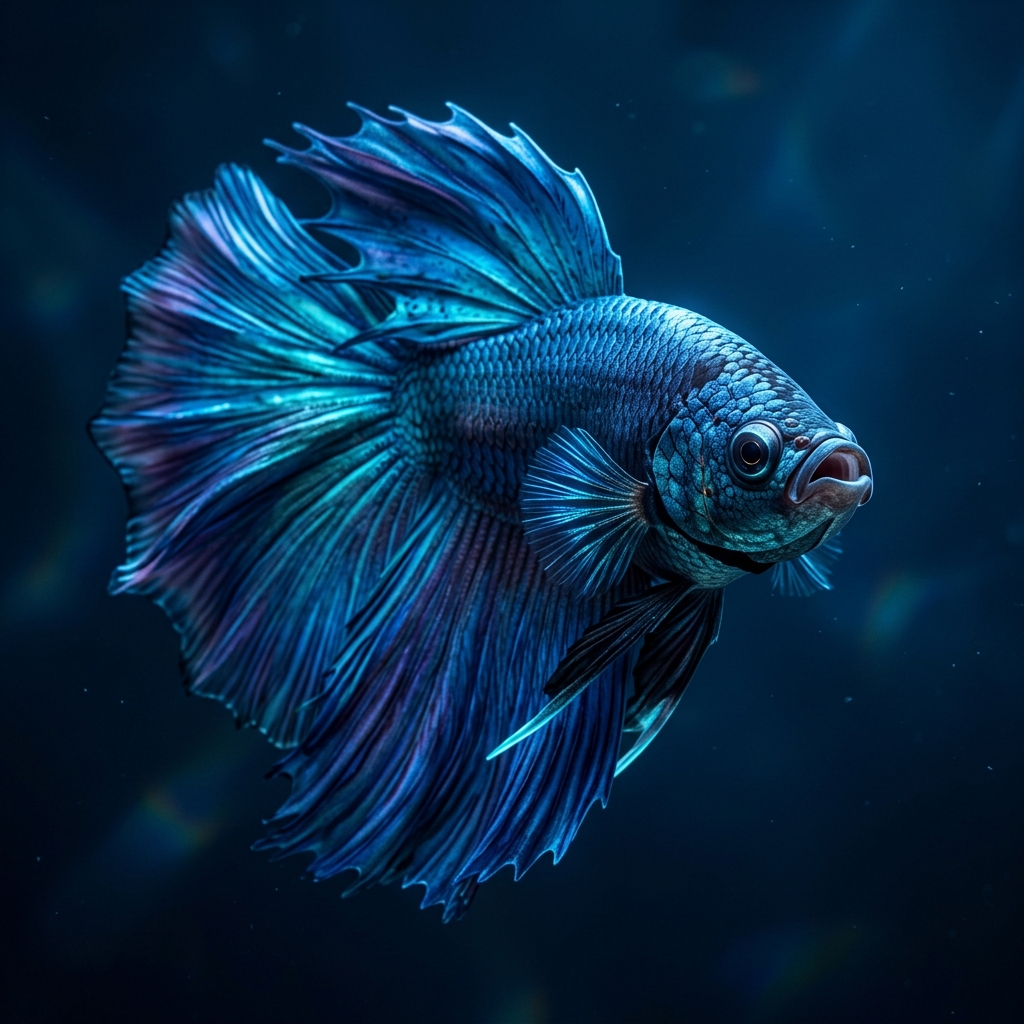
**Strictly Aquarium Species**: Discus, neon tetras, dwarf cichlids (Apistogramma), marine reef fish, bettas, and any species requiring stable tropical temperatures or protection from predation. These fish also display better coloration under controlled LED lighting.
**Premier Pond Species**: - **Koi (Cyprinus rubrofuscus)**: The iconic pond fish. Requires 1,000+ gallons, reaches 24–36 inches, lives 25–35 years. Color patterns intensify in natural sunlight. - **Common/Comet Goldfish**: Hardy, active, and undemanding. Excellent for first ponds. Reaches 12–14 inches. - **Shubunkins**: Calico-patterned goldfish with superior cold tolerance and streamlined bodies for pond life. - **Golden Orfe**: Schooling fish that occupy the upper water column, adding movement and surface activity.
**The Hybrid Middle Ground**: Indoor "pond tanks" (200–500 gallon stock tanks or custom builds) bridge both worlds. I have used 300-gallon Rubbermaid stock tanks in my basement for koi quarantine and for growing out young fish before introducing them to the main pond. This gives pond-scale water volume with aquarium-level temperature and medication control.
7. Predator Defense: A Non-Negotiable Planning Stage
An aquarium's primary threat is a power outage. A pond's primary threat is the local food chain.
**Proven deterrent strategies from 15 years of pond keeping:**
- **Great Blue Herons**: String 20-lb monofilament fishing line 6–8 inches above the water surface around the pond perimeter. Herons cannot see it and will not wade through it. Move plastic heron decoys every 3–4 days; real herons quickly learn they are static. - **Raccoons**: Design steep sides with a 12-inch vertical drop to the water surface. Raccoons are waders, not divers. They will not enter water they cannot wade into gradually. - **Kingfishers & Hawks**: Install pond dye (black or blue) to reduce fish visibility from above, or stretch shade sails over 60% of the surface. - **Cats**: Generally low risk for adult koi, but netting is effective if neighborhood strays are persistent.
A pond without predator planning is an expensive wildlife buffet. Address this before you break ground.
Frequently Asked Questions
**Can I use my aquarium canister filter on a small pond?** No. Aquarium filters are designed for clear, debris-free water and biological loads measured in grams. Pond water contains leaf particulate, algae, and sediment that will clog fine aquarium media within 48–72 hours. More dangerously, the restricted flow creates anaerobic pockets that can crash your system.
**Do ponds require the same water changes as aquariums?** Generally, no. A mature, planted pond with adequate depth and filtration achieves a biological equilibrium closer to a natural lake. Evaporation and rainfall provide passive water replacement. Most pond keepers perform 10–20% changes monthly, or after heavy debris events, compared to 25–50% weekly for aquariums.
**What is the minimum depth for a koi pond?** Three feet is the absolute minimum; four to five feet is optimal. Depth provides thermal mass for winter survival, predator protection (herons cannot spear fish deeper than 18 inches), and physical swimming volume. Koi are powerful, muscular fish that need vertical space to exercise properly.
**Can tropical aquarium fish live in a pond during summer?** In temperate zones, yes—but only seasonally. Plecos (especially bristlenose), some cichlids, and even gouramis can thrive in outdoor ponds from May through September when water temperatures stay above 70°F. They must be brought indoors or rehomed before autumn nights drop below 65°F. I have successfully summered bristlenose plecos in my pond to control algae, then moved them back to aquariums in October.
**Is a pond more work than an aquarium?** Not necessarily more work—different work. An aquarium demands consistent weekly attention (water changes, testing, dosing). A pond demands intense seasonal bursts (spring cleanout, fall winterization) with lighter weekly observation in between. Over a full year, the hour-count is comparable, but the skill sets differ.
Final Verdict: Which Setup Fits Your Lifestyle?
**Choose an aquarium if**: You want precise control over water chemistry, the ability to keep exotic tropical species, year-round indoor viewing, lower upfront investment, and a hobby that rewards meticulous daily consistency.
**Choose a pond if**: You want to keep large, long-lived fish that develop personalities and recognize you after a decade, you enjoy landscaping and ecosystem dynamics, you prefer seasonal project work over weekly chores, and you want a living water feature that appreciates in landscape value over time.
My personal recommendation after decades in the hobby: master the aquarium first. Learn to read water parameters, diagnose fish disease, and manage nitrogen cycles in a controlled 40-gallon tank. Once those skills are intuitive, building a pond becomes the natural evolution—a larger canvas where biology, engineering, and landscape design converge into something that genuinely improves with every passing season.