
Dojo Loach (Misgurnus anguillicaudatus)
Quick Answer
Dojo Loach (Misgurnus anguillicaudatus), also known as Weather Loach or Pond Loach, is an active, eel-like fish from East Asia. It requires a minimum 40 gallon (151 liter) aquarium with a pH of 6.0 - 8.0 and temperature range of 50-75°F (10-24°C), with an optimal range of 64-72°F (18-22°C). This peaceful omnivore occupies the bottom zone, must be kept in groups of 3 or more, and makes an excellent addition to coldwater community setups.
Quick Facts
| Scientific Name | Misgurnus anguillicaudatus |
|---|---|
| Common Names | Dojo Loach |
| Family | Cobitidae |
| Genus | Misgurnus |
| Type | Freshwater |
| Temperament | peaceful |
| Care Difficulty | beginner |
| Lifespan | 10 years |
| Maximum Size | Up to 12 in (30 cm) |
| Diet | Omnivore |
| Temperature | 50–75°F (10–24°C) |
| pH | 6–8 |
| Hardness | 2–15 dGH |
| Minimum Size | 40 gallons |
Key Takeaways
- Known for its peaceful temperament and remarkable barometric pressure sensitivity (weather prediction).
- Requires a minimum 40 gallon (151 liter) aquarium; 55 gallons recommended for groups.
- Must be kept in cool water at 64-72°F (18-22°C); tropical temperatures above 75°F reduce lifespan from 10 years to 2-4 years.
- Social fish that must be kept in groups of 3 or more; solitary individuals hide and fail to thrive.
- Expert burrower requiring soft sand substrate; gravel causes barbel damage and chronic stress.
- Notorious escape artist requiring a tight-fitting lid with no gaps.
- Facultative air-breather using intestine as accessory respiratory organ; can survive temporary periods out of water.
- Can live 7-10 years in cool, clean conditions; up to 15 years reported in exceptional care.
Overview
Species Overview
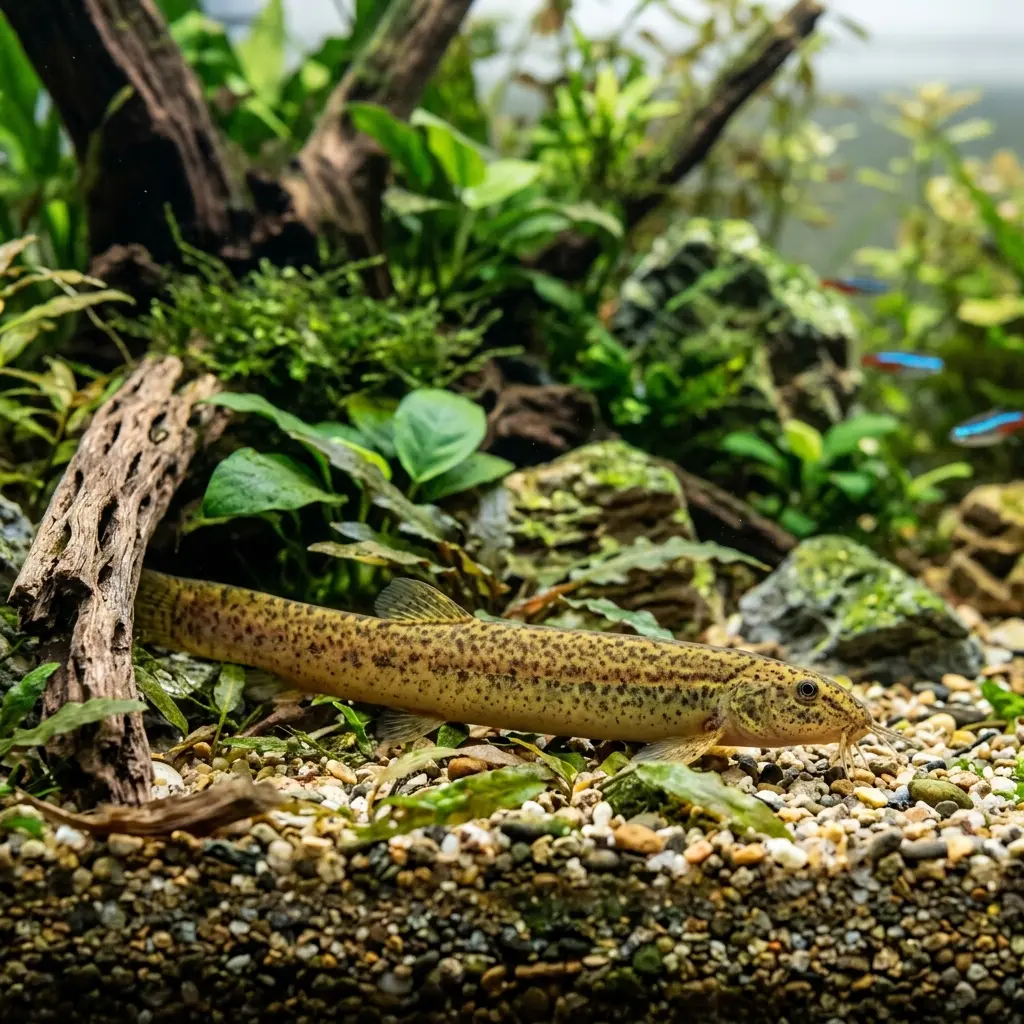
The Dojo Loach (Misgurnus anguillicaudatus), also widely known as the Weather Loach, Pond Loach, Japanese Weatherfish, and Oriental Weatherfish, is one of the most personality-rich and behaviorally fascinating fish in the aquarium hobby. This hardy, eel-shaped cobitid from East Asia has been captivating aquarists for generations with its playful antics, weather-predicting abilities, and remarkable physiological adaptations. In their native countries, they are considered a food source and are raised in aquaculture farms, while in the aquarium trade they are prized as interactive pets.
Natural History
Native to East Asia, including China, Korea, Japan, Northern Vietnam, Siberia, and Sakhalin Island, this species has also been introduced to Australia, Canada, Germany, Italy, Kazakhstan, the Philippines, Spain, Turkmenistan, the United States, and Uzbekistan through aquarium releases and food-farm escapes. In the wild, they inhabit slow rivers, ponds, swamps, rice paddies, and lakes with muddy or sandy bottoms and abundant vegetation. They are remarkably adaptable, surviving in waters with fluctuating oxygen levels, varying temperatures, and even temporary drought conditions by burrowing into soft mud.
Physical Characteristics
Adults reach a maximum length of 12 inches (30.5 cm) in aquaria, with wild specimens potentially growing slightly larger. They possess an elongated, eel-like, cylindrical body with a small, narrow mouth surrounded by ten thick, fleshy barbels. The standard coloration is highly variable, typically displaying a yellowish-brown to olive body mottled with dark speckles and a lighter cream or white underbelly. A small, often indistinct dark blotch is present at the upper base of the caudal fin. A commercially-bred golden variety is also popular in the trade, ranging from yellow to orange or pinkish with occasional dark blotches. Most golden variants are not true albinos, as they retain dark eyes.
Key Identification Features
- Elongated, eel-like cylindrical body with no visible scales
- Ten thick, fleshy barbels surrounding the small mouth
- Short lateral line that does not extend past the pectoral fin
- Stout spine in the pectoral fin
- Rounded caudal fin
- Variable mottled brown/grey dorsal coloration with pale underbelly
- Golden variety with yellow to orange coloration
Unique Physiological Adaptations
Dojo loaches possess several remarkable adaptations that set them apart from typical aquarium fish. They are facultative air-breathers, using their intestine as an accessory respiratory organ to gulp atmospheric oxygen when dissolved oxygen levels are depleted. This allows them to survive in oxygen-poor waters and even temporarily out of water if they remain moist. They can also detect barometric pressure changes through specialized sensory organs, becoming restless and active before storms. Additionally, they can survive temporary drought conditions by burrowing into soft mud and silt, entering a state of dormancy until water returns.
Diet
Dietary Requirements
Dojo Loaches are opportunistic omnivores with a strong preference for benthic invertebrates. In the wild, they feed on insect larvae, small crustaceans, worms, snails, and detritus. Their ten barbels are highly sensitive sensory organs used to locate food in the substrate. They are enthusiastic eaters that will accept nearly any aquarium food offered, but a varied diet is essential for long-term health and coloration.
Recommended Foods
- Sinking loach pellets or wafers (staple diet, 35-40% protein)
- Sinking shrimp pellets or algae wafers
- Live foods: earthworms, blackworms, bloodworms, daphnia, brine shrimp
- Frozen foods: bloodworms, brine shrimp, daphnia, mysis shrimp
- Vegetables: blanched zucchini, cucumber, peas, spinach, and spirulina wafers
- Supplemental: vitamin-enriched flake foods, freeze-dried foods
Feeding Schedule
Feed once or twice daily. Because dojo loaches are slower, methodical feeders, offer food at lights-out or in dim light to prevent faster tank mates from outcompeting them. Use target feeding with a turkey baster or feeding tongs for larger solid foods. They are active scavengers and will continuously forage along the bottom between meals, but you must ensure they receive direct nutrition and do not rely solely on leftovers. Remove uneaten food promptly to prevent water quality degradation, particularly in cool water where bacterial decomposition is slower.
Foods to Avoid
- Beef heart and mammalian proteins (difficult to digest, can cause bloat)
- Excess fatty foods (can lead to obesity in their sedentary bottom-dwelling lifestyle)
- Foods that float exclusively (they rarely surface feed unless trained)
Snail Control
Dojo loaches will eat small snails and snail eggs, making them useful for controlling minor snail infestations. However, they do not consume snails at a rate sufficient to eliminate established populations. Do not purchase dojo loaches solely as snail control; they are active, social pets that require proper care and tank space.
Health
Health and Disease Management
Dojo Loaches are notably hardy and disease-resistant compared to many aquarium fish. Their primary health vulnerabilities stem from their scaleless skin, temperature sensitivity, and escape behavior. Preventive care through cool water maintenance, soft sand substrate, secure lids, and pristine water quality is far more effective than reactive treatment.
Temperature-Related Health Issues
The single greatest threat to dojo loach longevity is incorrect temperature. Kept in cool water at 64-72°F (18-22°C), they routinely live 7-10 years. The same fish in a tropical tank above 75°F (24°C) will typically survive only 2-4 years. High temperatures cause chronic stress, reduced oxygen solubility, accelerated metabolism, and suppressed immune function. You must never house dojo loaches with tropical fish that require heated water.
Scaleless Fish Medication Protocol
As scaleless loaches, they are more sensitive to certain medications than scaled fish. Avoid copper-based treatments above 0.15 mg/L. Use malachite green at quarter strength (0.025 mg/L). Formalin should be used at half-strength or avoided. Salt treatments should not exceed 3 ppt. Always calculate medication doses based on actual water volume, accounting for substrate and decor displacement. When in doubt, treat at half the recommended dose and extend the treatment duration.
Ich (Ichthyophthirius multifiliis)
The most common parasitic infection in dojo loaches, particularly prevalent when water temperatures rise above 75°F (24°C). A ciliated protozoan that burrows into the skin and gills.
- White salt-like spots on body and fins, flashing against decor, rapid breathing, clamped fins, rubbing against substrate, loss of appetite, increased surface breathing.
Introduction via new fish, plants, or equipment. Triggered by temperature fluctuations or stress weakening immune response. More common in warm water where the parasite reproduces faster.
Quarantine all new additions for 2-4 weeks. Maintain cool, stable temperature between 64-72°F (18-22°C). If infected, raise temperature gradually to 82°F (28°C) for 48 hours and treat with half-dose malachite green or aquarium salt at 1 tablespoon per 5 gallons. For severe cases, use copper at 0.15 mg/L maximum in a hospital tank.
Bacterial Fin Rot (Aeromonas / Pseudomonas)
Bacterial infection causing frayed, discolored, or receding fins. Often secondary to physical injury, poor water quality, or snout abrasion from rough substrate.
- Frayed or ragged fin edges, redness at fin base, fins appearing shorter than normal, possible white edge on fin margins, lethargy, reduced bottom-foraging activity.
Use soft sand substrate exclusively. Maintain nitrates below 15 ppm. Avoid physical injury by providing a secure lid and stable decor. Treat with broad-spectrum antibiotics (e.g., kanamycin, nitrofurazone) at standard dose; dojo loaches tolerate antibiotics well.
Snout and Barbels Abrasion
Physical damage to the sensitive barbels and snout from rough substrate, transport trauma, or burrowing in inappropriate material. Can lead to secondary bacterial or fungal infections.
- Shortened, frayed, or missing barbels, visible scrapes or redness on the snout, difficulty locating food, increased surface breathing, lethargy, and vulnerability to secondary infections.
Sharp gravel or coarse substrate, rough handling during capture and transport, burrowing in inappropriate material, or high nitrate levels above 20 ppm causing tissue sensitivity.
Use soft sand substrate exclusively. Handle with extreme care during netting and transport. Maintain nitrates below 15 ppm. Barbels damaged by rough substrate rarely regenerate fully; prevention is the only cure.
Internal Parasites (Nematodes / Cestodes)
Common in wild-caught specimens or those fed contaminated live foods. Internal worms cause wasting, reduced immunity, and poor breeding condition.
- Weight loss despite normal appetite, white stringy feces, sunken belly, lethargy, faded coloration, reduced breeding activity, and failure to condition for spawning.
Introduction via wild-caught fish or contaminated live foods such as wild-collected worms or daphnia. More common in specimens from natural habitats than commercially bred fish.
Quarantine all new specimens for 2-4 weeks. Prophylactic treatment with praziquantel during quarantine is safe and effective. Purchase commercially bred or tank-raised specimens when possible. Culture your own live foods to avoid contamination.
Temperature Stress and Shortened Lifespan
Not a pathogen but the most common cause of premature death in dojo loaches. Chronic exposure to temperatures above 75°F (24°C) causes accelerated aging, metabolic stress, and immune suppression.
- Reduced activity, loss of appetite, faded coloration, rapid breathing, increased susceptibility to ich and bacterial infections, and premature death within 2-4 years instead of the expected 7-10 years.
Housing with tropical fish that require heated water, uninsulated tanks in warm rooms, failure to use a chiller in summer, or aquarist misconception that dojo loaches are tropical fish.
Maintain temperature between 64-72°F (18-22°C) at all times. Do not house with tropical species. Use a fan or chiller if room temperature exceeds 75°F (24°C). Monitor temperature daily with a reliable thermometer. This is the single most important factor in dojo loach longevity.
Breeding
Breeding Dojo Loaches
Breeding Misgurnus anguillicaudatus in home aquaria is uncommon and inconsistent, though some dedicated aquarists have reported success. In commercial aquaculture, spawning is often induced with hormone injections. Natural breeding requires precise simulation of seasonal cues that trigger the fish's reproductive physiology.
Sexual Dimorphism
Males develop enlarged, triangular pectoral fins with a thickened second ray, visible from above. This feature is most apparent during the breeding season. Females are generally larger and fuller-bodied, especially when gravid with eggs. Males also display horizontal patterns behind the dorsal fin when viewed from above. Sexing is challenging outside of breeding condition and requires close observation of fin shape and body profile.
Conditioning for Breeding
Condition a group of 5 adults (maintaining a ratio of 1 male to 2-3 females) with live blackworms, bloodworms, and earthworms for 4 weeks. Keep water cool at 65°F (18°C) during conditioning. Well-conditioned females will develop noticeably rounded abdomens. Males will display intensified coloration and increased displaying behavior.
Natural Spawning Triggers
Dojo loaches respond to seasonal cues for spawning. To simulate spring spawning conditions:
- Gradually raise water temperature from 65°F (18°C) to 72°F (22°C) over 1 week
- Increase photoperiod to 14 hours of light per day using a timer
- Perform 40% water changes with slightly warmer water (70°F/21°C) to mimic snowmelt runoff
- Provide spawning mops or fine-leaf plants (java moss, hornwort) as egg deposition sites
Spawning Behavior
Spawning typically occurs at dawn. The female releases 500-1000 adhesive eggs that stick to vegetation, spawning mops, or tank glass. The eggs are small, transparent, and slightly sticky. Fertilization is external. After spawning, the adults must be removed immediately, as they will consume eggs and fry. Multiple spawnings may occur over several days if conditions remain favorable.
Egg and Fry Care
Eggs hatch in 48-72 hours at 68°F (20°C). The fry are extremely small, approximately 0.15 inches (4 mm), and require specialized feeding. Start with infusoria for the first 3 days, then transition to microworms, vinegar eels, and newly hatched baby brine shrimp. Fry grow rapidly on a nutritious diet but require cool water conditions identical to the adults. Maintain pristine water quality with gentle filtration, as fry are sensitive to water parameter fluctuations. Survival rates in home aquaria are typically low due to the difficulty of providing adequate micro-foods and stable cool water for the tiny fry.
Compatible Tank Mates
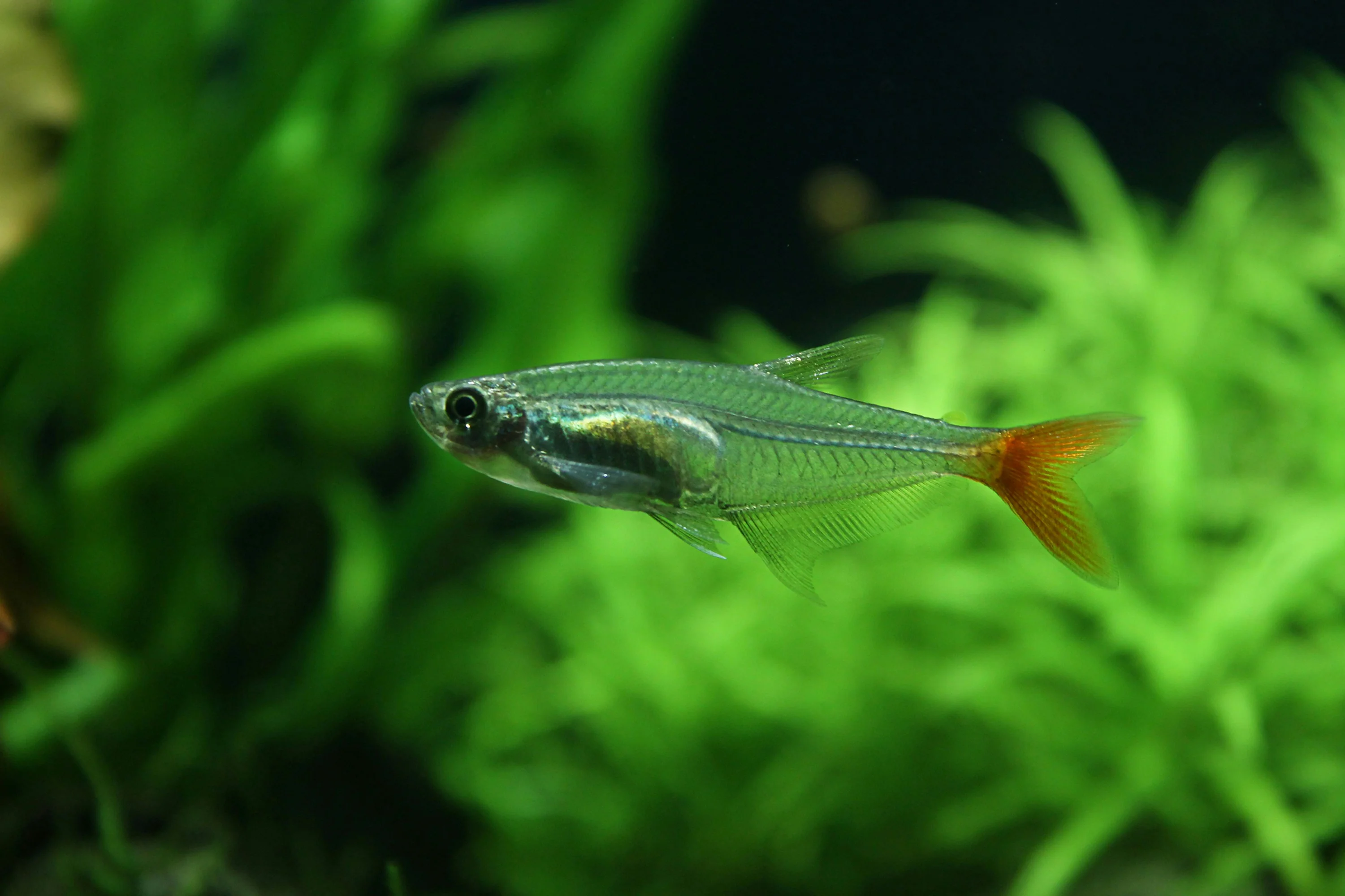
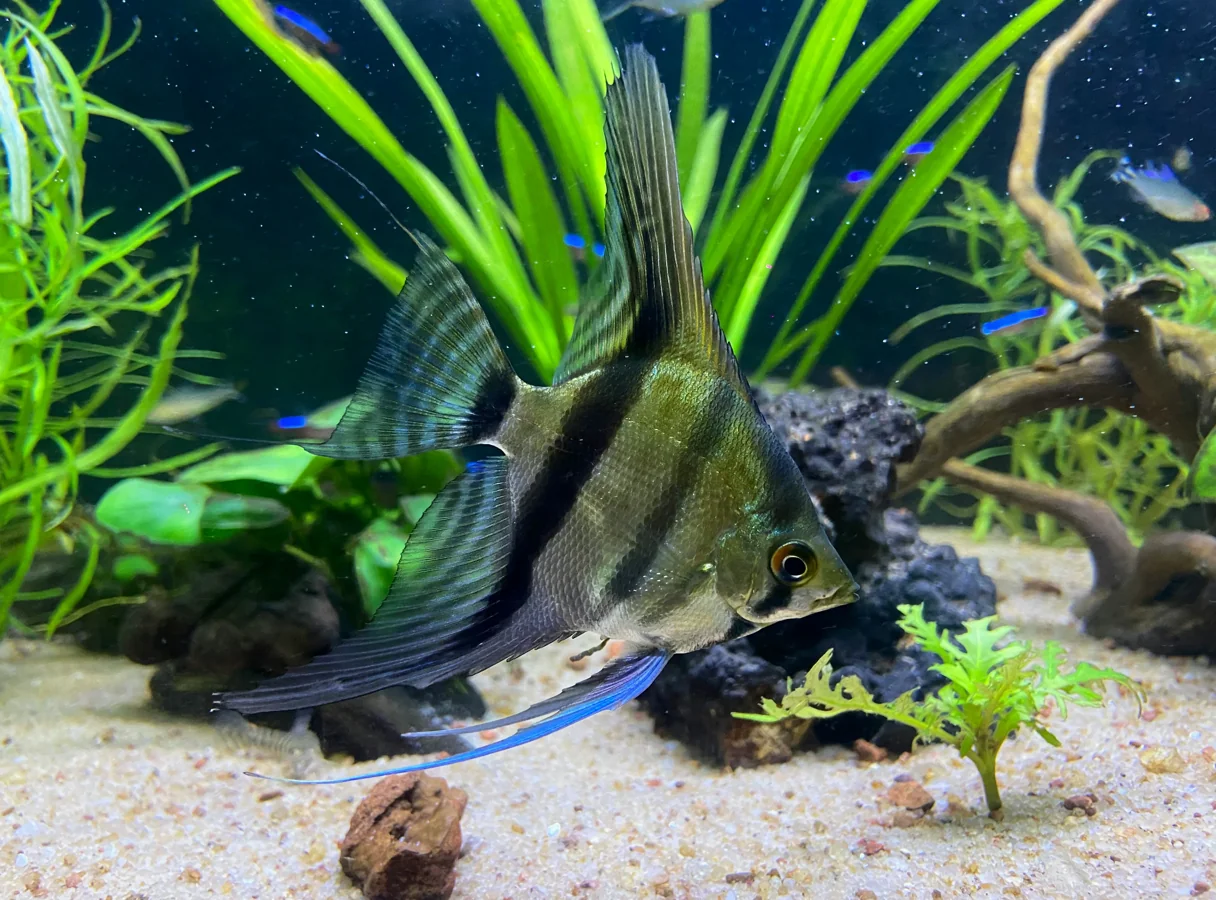
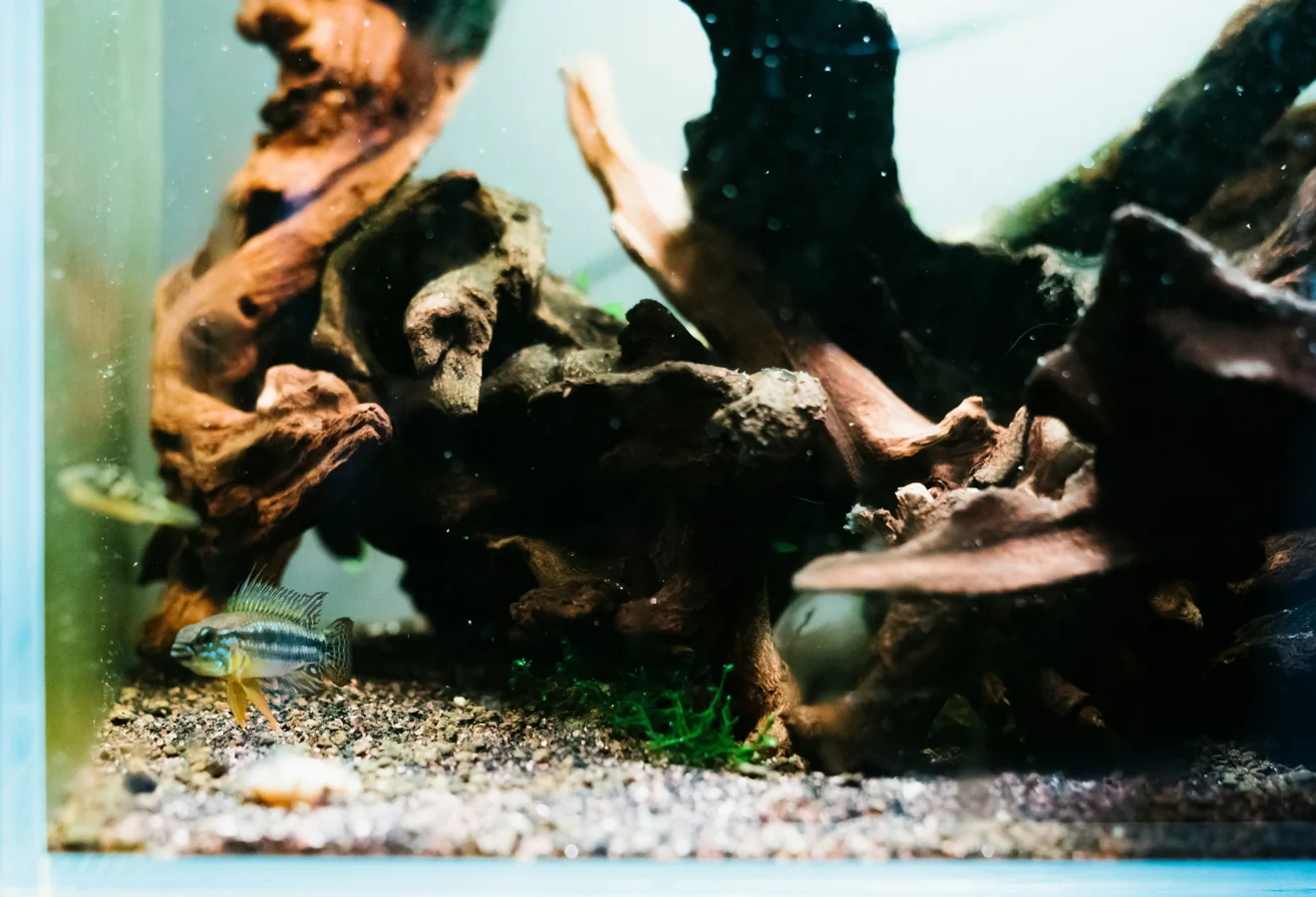
Species Comparison
| Feature | Dojo Loach | Kuhli Loach | Yoyo Loach | Clown Loach |
|---|---|---|---|---|
| Maximum Size | 12 in (30.5 cm) | 4 in (10 cm) | 6 in (15 cm) | 12 in (30 cm) |
| Temperament | Peaceful, social, playful | Peaceful, shy, nocturnal | Semi-aggressive, active, territorial | Peaceful, social, active |
| Minimum Tank Size | 40 gal (151 L); 55 gal recommended | 20 gal (75 L) for 6+ | 40 gal (151 L) for group | 75 gal (283 L) for adult group |
| Temperature Range | 50-75°F (10-24°C); coolwater | 75-86°F (24-30°C); tropical | 75-86°F (24-30°C); tropical | 75-86°F (24-30°C); tropical |
| Primary Diet | Omnivore: invertebrates, vegetables, pellets | Omnivore: small invertebrates, pellets | Omnivore: snails, invertebrates, pellets | Omnivore: invertebrates, vegetables, pellets |
| Unique Feature | Barometric pressure sensitivity; air-breathing; burrowing | Eel-like appearance; nocturnal; worm-like swimming | Yoyo pattern; snail control; clicking sounds | Bright orange/black bands; large size; long-lived |