Rope Fish (Erpetoichthys calabaricus)
Quick Answer
Rope Fish (Erpetoichthys calabaricus) is a prehistoric, air-breathing carnivore from West Africa. It reaches 12 to 15 inches (30 to 38 cm), requires a minimum 55 gallon (208 liter) long tank with a completely secure lid, and must be kept in groups of 3 to 5. Water parameters include pH 6.0 to 7.5 and temperature 72 degrees F to 82 degrees F (22 degrees C to 28 degrees C). This nocturnal bottom-dweller is peaceful but will eat any fish or invertebrate small enough to fit in its mouth.
Quick Facts
| Scientific Name | Erpetoichthys calabaricus |
|---|---|
| Common Names | Rope Fish |
| Family | Polypteridae |
| Genus | Erpetoichthys |
| Type | Freshwater / Brackish |
| Temperament | peaceful |
| Care Difficulty | intermediate |
| Lifespan | 15 years |
| Maximum Size | Up to 15 in (38 cm) |
| Diet | Carnivore |
| Temperature | 72–82°F (22–28°C) |
| pH | 6–7.5 |
| Hardness | 3–12 dGH |
| Minimum Size | 55 gallons |
Key Takeaways
- Possesses thick ganoid scale armor; not a scaleless fish
- Obligate air-breather with paired lungs; will drown without surface access
- Must be kept in social groups of 3 to 5 minimum
- Legendary escape artist requiring gap-free, latched lids
- Nocturnal predator with poor eyesight; hunts by electroreception and smell
- Pre-soak all pellets and tablets to prevent fatal choking
- Can survive up to 8 hours out of water if skin remains moist
Overview
Natural History and Classification
Rope Fish (Erpetoichthys calabaricus), also known as the Reedfish or Snakefish, is the sole species within its genus and one of the most primitive living ray-finned fishes (Actinopterygii). Together with the Bichirs of genus Polypterus, they comprise the family Polypteridae, a lineage that has remained virtually unchanged for over 200 million years. Fossil records reveal relatives dating to the early Mesozoic era, making the Rope Fish a true living fossil.
Native to West Africa, this species inhabits slow-moving or stagnant freshwater and brackish waterways across Cameroon, Nigeria, and Benin. They favor low-lying coastal floodplains, internal river deltas, and densely vegetated swamps where reeds and aquatic plants provide cover. The water is typically warm, soft to moderately hard, and often low in dissolved oxygen, which drove the evolution of their remarkable air-breathing adaptation.
Physical Identification
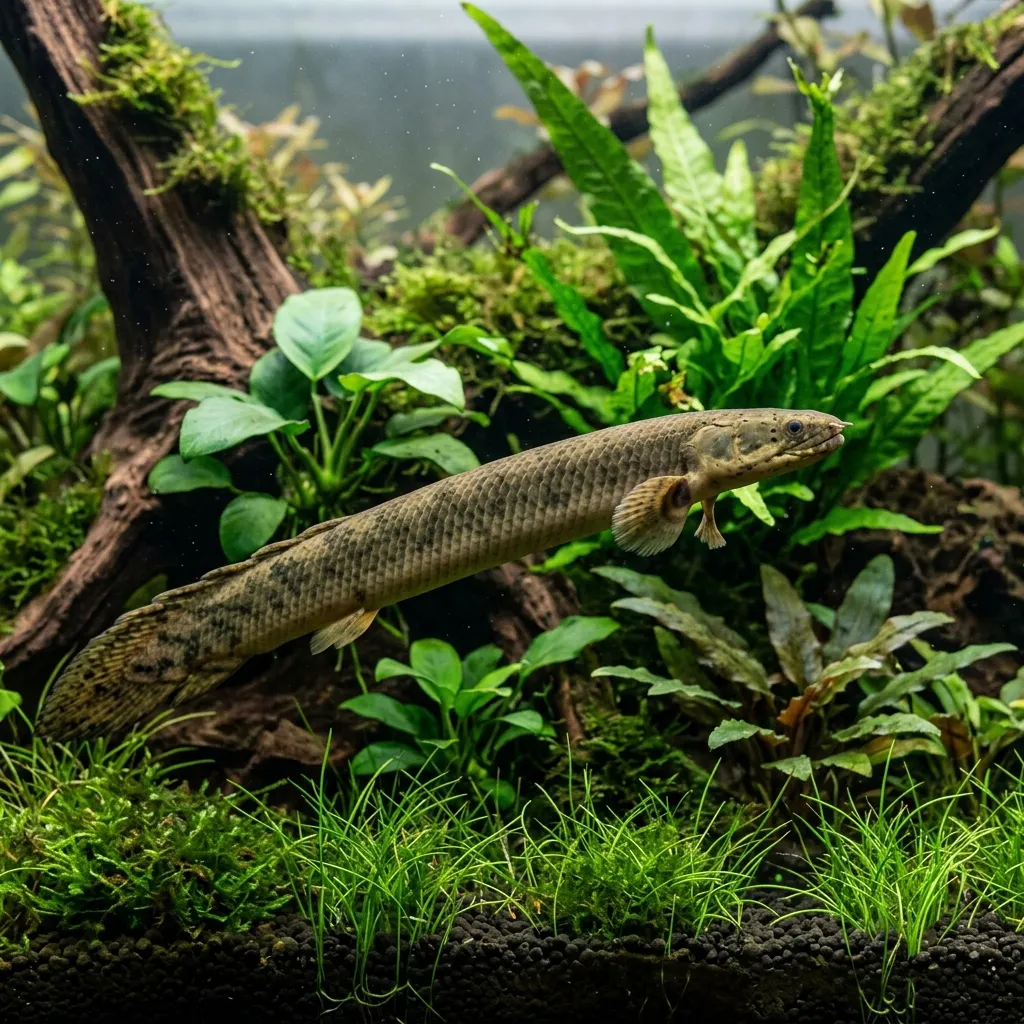
The Rope Fish possesses a serpentine, cylindrical body covered in thick, diamond-shaped ganoid scales that interlock with peg-and-socket joints to form an almost impenetrable armor. This is not a scaleless fish, contrary to widespread aquarium misinformation. The dorsal fin consists of 9 to 14 separate, flag-like finlets rather than a continuous fin; males bear 12 to 14 finlets while females carry 9 to 12, providing a reliable sexing method. They completely lack pelvic fins, and the caudal fin is reduced to a mere finned extension of the body.
The head is flattened with small pectoral fins positioned close to the body. Prominent nostrils on tentacle-like projections protrude from the head, and the fish possesses passive electroreceptive organs (ampullae of Lorenzini) that detect the weak electrical fields of prey. The base coloration is greenish-black dorsally with a yellow to cream ventral surface. Pectoral fins typically display a yellow base with a black spot. Adults reach 12 to 15 inches (30 to 38 cm) in aquariums, with wild specimens occasionally approaching 20 inches (50 cm).
Conservation Status
The IUCN Red List currently classifies Erpetoichthys calabaricus as Near Threatened. Their native waterways have experienced severe pollution and rapid habitat deterioration due to agricultural runoff, urban expansion, and oil exploration in the Niger Delta region. While they are not actively harvested as a food source, habitat loss poses the primary threat to wild populations. All specimens in the aquarium trade remain wild-caught, making ethical sourcing and successful captive husbandry critical for reducing collection pressure.
Diet
Nutritional Requirements
Rope Fish are obligate carnivores with extremely poor eyesight. In the wild, they feed primarily on insects, worms, crustaceans, and small aquatic invertebrates detected through electroreception and olfaction. They are not primarily piscivorous in nature, though they will consume small fish opportunistically. In captivity, their diet must provide 70 percent protein, 20 percent fat, and 10 percent fiber from varied whole-animal sources.
Recommended Foods
- Frozen bloodworms and blackworms
- Chopped earthworms (gut-loaded)
- Krill and raw shrimp (shells removed)
- Live or frozen crickets and mealworms
- Small freshwater snails swallowed whole
- High-quality sinking carnivore pellets (pre-soaked for 5 to 10 minutes)
- Feeder minnows or guppies (occasional treat only)
Feeding Schedule and Technique
Feed young and growing specimens small meals twice daily. Feed adults one substantial meal every other day, or a smaller meal once daily. Use feeding tongs to present food directly at the entrance of their hiding spot after lights have dimmed or extinguished. Rope Fish rarely accept dry flake foods and may ignore food that falls far from their refuge.
Critical Feeding Warning
Rope Fish swallow prey whole or in very large chunks. Hard, rough-edged dry pellets that are not pre-soaked expand in the moist esophagus and frequently cause fatal choking or intestinal impaction. Always soak pellets, tablets, and freeze-dried foods in aquarium water for 5 to 10 minutes before offering. Multi-segmented prey such as worms, insects, and whole shrimp leave behind legs, antennae, and body segments that rapidly foul water; increase water change frequency when feeding these items. Whole prey such as small minnows or snails leave minimal debris and reduce maintenance demands.
Health
Health Management and Disease Prevention
Rope Fish are generally hardy and disease-resistant once acclimated, but they arrive in the aquarium trade stressed from collection, shipping, and wholesale holding. Many are captured using native plant poisons in West Africa, leaving them weakened and susceptible to parasites. You must quarantine all new specimens for a minimum of 4 weeks in a bare-bottom hospital tank with separate filtration. A common misconception is that Rope Fish are scaleless; they are not. They possess thick ganoid scale armor that provides significant protection but does not make them invincible to pathogens.
Quarantine Protocol
Observe new arrivals for 7 days, then perform a formalin-malachite green prophylactic bath to eliminate external protozoans and flukes. Maintain pristine water quality during quarantine. Do not introduce Rope Fish to a community display until they are eating vigorously, displaying normal coloration, and showing no signs of external parasites.
Ich (Ichthyophthirius multifiliis)
The most common protozoan parasite in freshwater aquariums, causing white salt-like spots on fins and body. Rope Fish are susceptible during the stressed post-import period.
- White salt-like spots on fins, body, and gills; rubbing against substrate and decor; rapid breathing; clamped fins; lethargy.
Introduction via infected fish, plants, or equipment. Stress from shipping, poor water quality, or temperature fluctuations triggers outbreaks in carriers.
Quarantine all new livestock for 4 weeks. Maintain stable temperature between 75 degrees F and 80 degrees F (24 degrees C to 27 degrees C). Treat with formalin-malachite green combination or raise temperature to 86 degrees F (30 degrees C) for 14 days with increased aeration. Aquarium salt at 1 tablespoon per 5 gallons can be used as a supportive tonic.
Flukes (Monogenean Trematodes)
Flatworm parasites that attach to skin and gills using hook-like structures, sucking blood and body fluids. Common in wild-caught African fish.
- Excess mucus secretion; difficulty breathing; flared gills; small blood spots on fins and body; clamped or tattered fins; listlessness.
Introduction via wild-caught specimens. Stress from poor water quality, overcrowding, or aggression weakens immunity and allows fluke populations to explode.
Treat all wild-caught specimens prophylactically with Praziquantel during quarantine. Maintain pristine water quality. Avoid overcrowding. Formalin baths are also effective for stubborn infestations.
Bacterial Infections (Fin Rot, Septicemia, Popeye)
Secondary bacterial infections caused by Aeromonas, Pseudomonas, or Flexibacter species that exploit stress-weakened immune systems or physical injuries.
- Fin rot: frayed, receding, or dissolving fin edges. Septicemia: red streaks under skin, open sores, bloating. Popeye: unilateral or bilateral exophthalmia. Lethargy and loss of appetite in all cases.
Maintain zero ammonia and nitrite with weekly 25 percent water changes. Use smooth nets and avoid handling whenever possible. Treat with broad-spectrum antibiotics such as kanamycin or nitrofurazone in quarantine. Ensure adequate nutrition to maintain immune function.
Internal Parasites (Nematodes, Cestodes)
Intestinal worms common in wild-caught predatory fish that consume intermediate hosts in their native habitat.
- White, stringy feces; weight loss despite normal appetite; bloated abdomen; lethargy; visible worms protruding from vent in severe cases.
Consumption of infected wild prey during collection holding. Introduction via contaminated live foods such as wild-caught earthworms or feeder fish.
Quarantine and deworm all wild-caught specimens with Metronidazole (Metroplex) or Levamisole. Soak foods in medication before feeding. Use only cultured live foods from reputable sources. Treat the aquarium every 48 hours for 10 to 14 days combined with medicated food soaking.
Physical Injury from Escapes and Netting
Rope Fish frequently injure themselves during escape attempts or rough netting due to their serpentine body and sharp dorsal finlets.
- Abrasions along the ventral surface; torn or damaged dorsal finlets; bruising around the head and nostrils; red marks or sores at fin origins.
Escape attempts resulting in falls onto hard surfaces. Rough netting with coarse mesh. Sharp edges on aquarium hoods or decor. Dorsal finlet spines can pierce nets and handlers.
Install secure, gap-free lids with latch mechanisms. Use very large, soft-mesh nets for handling; never lift the fish into air in a small net. Smooth all sharp edges on hoods and decor. Lower water level 2 to 3 inches (5 to 7.5 cm) below hot light fixtures or sharp lid edges.
Breeding
Captive Breeding of Rope Fish
For decades, captive breeding of Rope Fish was considered impossible, with the entire aquarium trade supplied by wild-caught specimens collected primarily from Nigeria and Cameroon. The first documented captive spawning and partial larval rearing was achieved by ichthyologists Ralf Britz and Ritva Roesler, marking a historic breakthrough for this living fossil. However, successful rearing to adulthood remains extraordinarily difficult and has not been replicated consistently by home aquarists.
Broodstock Conditioning
Condition a group of 5 to 8 sexually mature adults in a species-only tank of at least 150 gallons (570 liters) with dense Java moss, floating plants, and pristine water quality. Feed heavily with live and frozen foods including earthworms, shrimp, insects, and fish for 6 to 8 weeks. Sexually mature males develop 12 to 14 dorsal finlets and a thickened anal fin; females have 9 to 12 finlets and a slimmer anal fin.
Spawning Triggers and Courtship
Simulate the West African rainy season, their natural spawning trigger. Lower pH to 6.0 using reverse osmosis water, raise temperature to 82 degrees F (28 degrees C), and perform a 50 percent water change with cool 68 degrees F (20 degrees C) soft water introduced gradually over 4 hours. Courtship begins with slow, graceful swimming through vegetation. The male maintains close physical contact with the female, making jerking sideways movements with his head toward her body. When ready, the female stops moving within the vegetation. The male glides along her body, wraps his thickened anal fin around her genital opening, and both remain motionless while a few eggs are released and fertilized. The male then disperses the eggs with powerful caudal fin movements into the vegetation where they adhere to moss and gravel.
Egg Development
Eggs are spherical, 2.1 to 2.6 mm in diameter, with a 0.5 mm jelly-like zone separating the yolk from the outer surface. A single micropyle allows sperm entry. The outer surface is densely covered in short sticky projections that anchor eggs securely to vegetation. Multiple females may deposit eggs in a single male's territory across repeated spawning bouts, with total clutch sizes reaching several hundred eggs. Eggs hatch on day 3 at tropical temperatures.
Larval Development and Rearing
Newly hatched larvae are almost black, surprisingly short-bodied for a Rope Fish, and possess large yolk sacs. Most remarkably, they bear branched external gills on their gill covers, resembling salamander larvae. They use cement glands at the tip of their snout to attach tightly to substrate and only move when disturbed. A high larval finfold extends along the midline of the body.
By day 3 post-hatch, the body elongates but the yolk sac remains prominent. By day 7, the elongate body shape begins developing. By day 13, the yolk sac is almost fully resorbed and the eye begins forming. First external feeding begins around day 7 using infusoria. Transition to baby brine shrimp and finely chopped bloodworms by day 10 to 14.
The highest mortality bottleneck occurs during the flexion stage around day 15, when larvae undergo dramatic morphological reorganization. Cannibalism among siblings is severe; survival rates are extremely low. The longest documented captive-reared offspring reached approximately 18 weeks before dying of unknown causes. For these reasons, Rope Fish breeding is considered a research-level endeavor, not a practical project for home aquarists.
Compatible Tank Mates
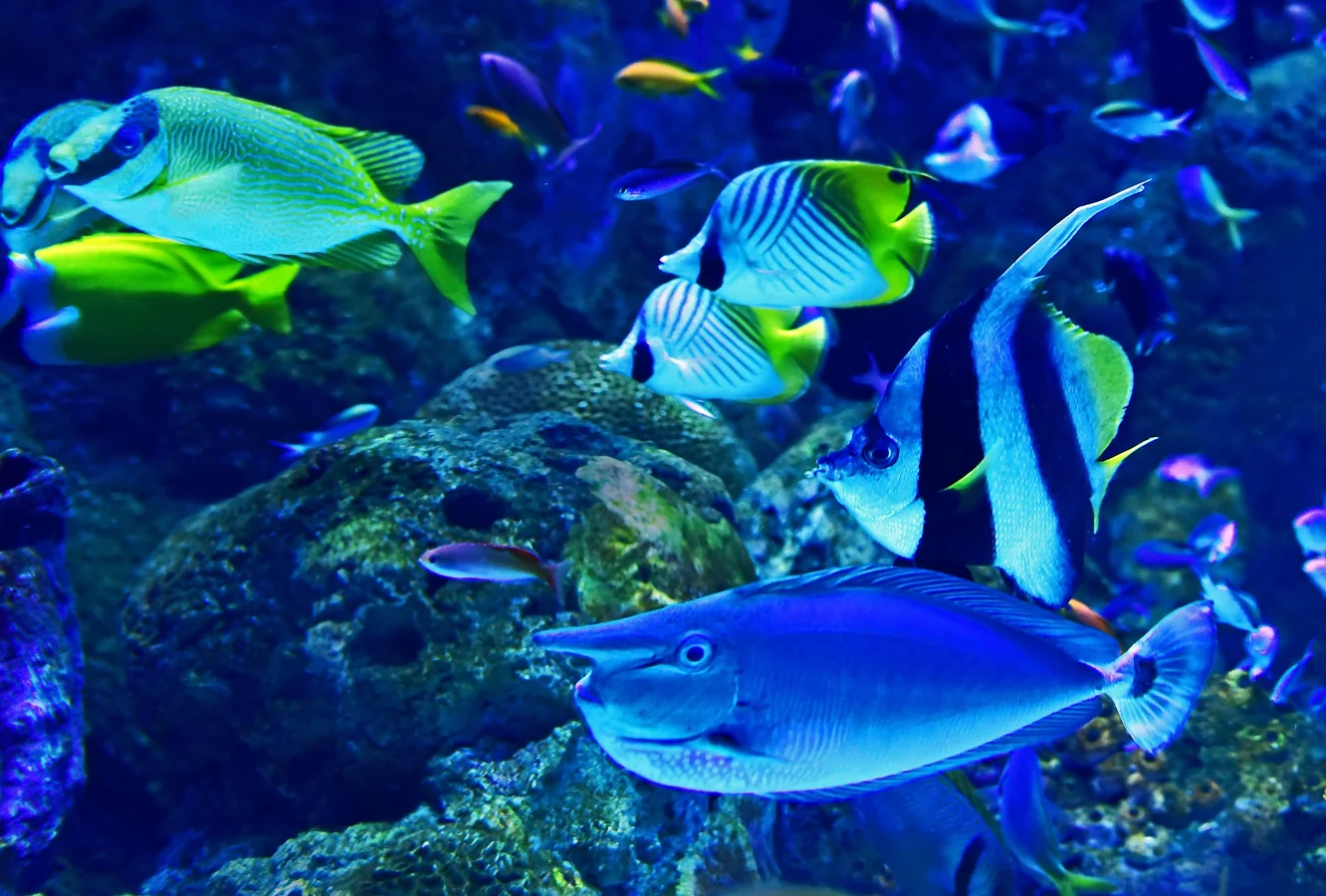
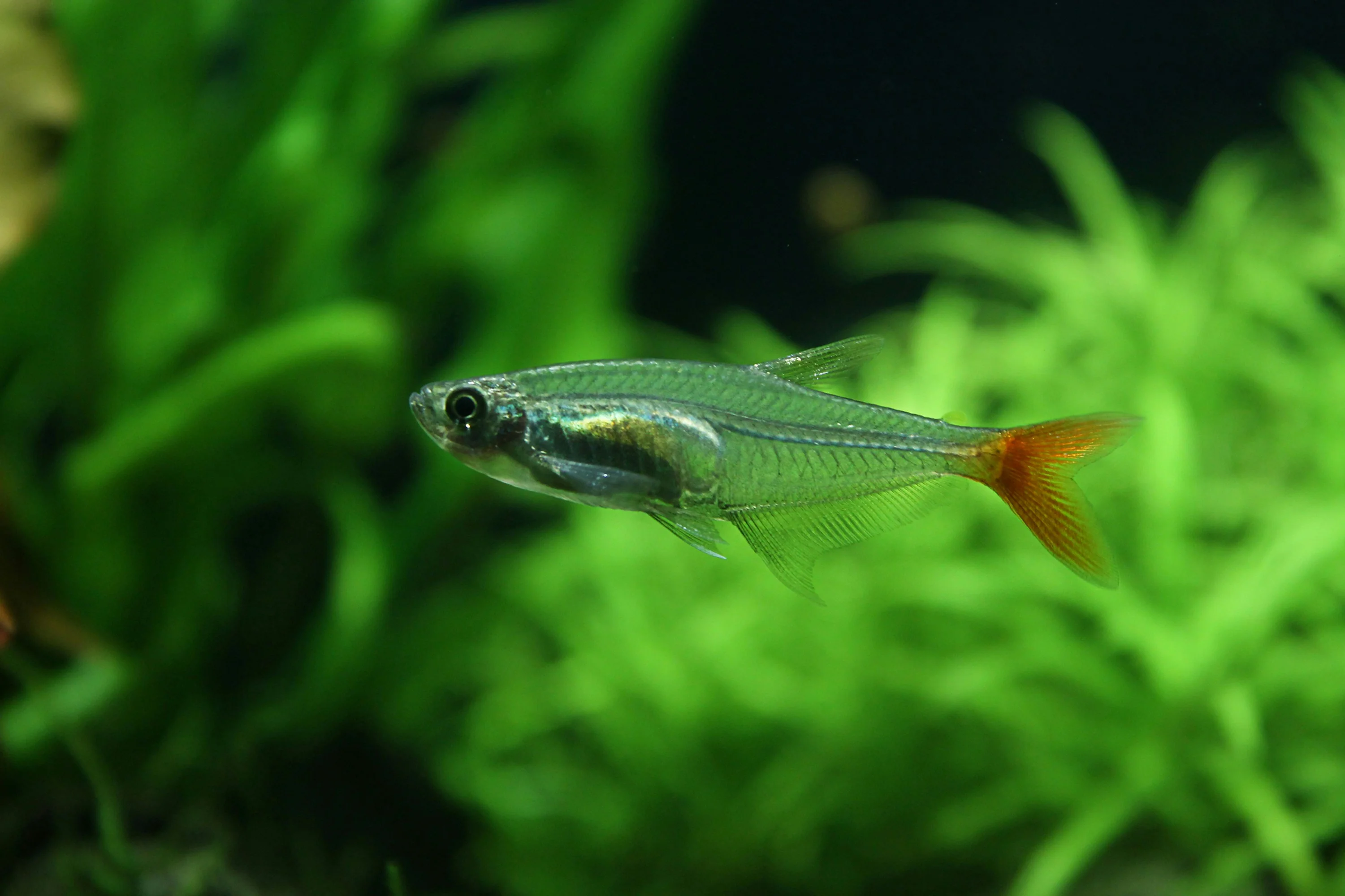
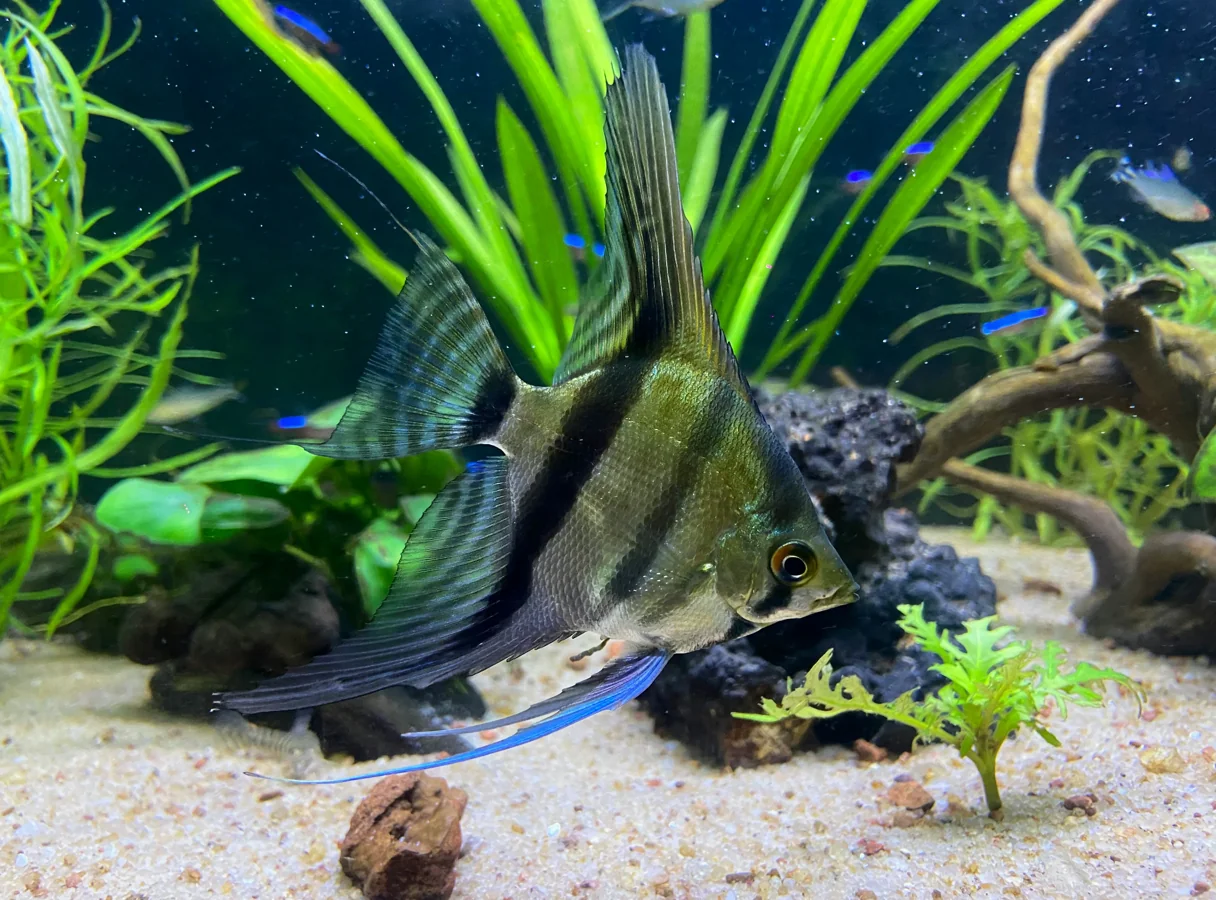
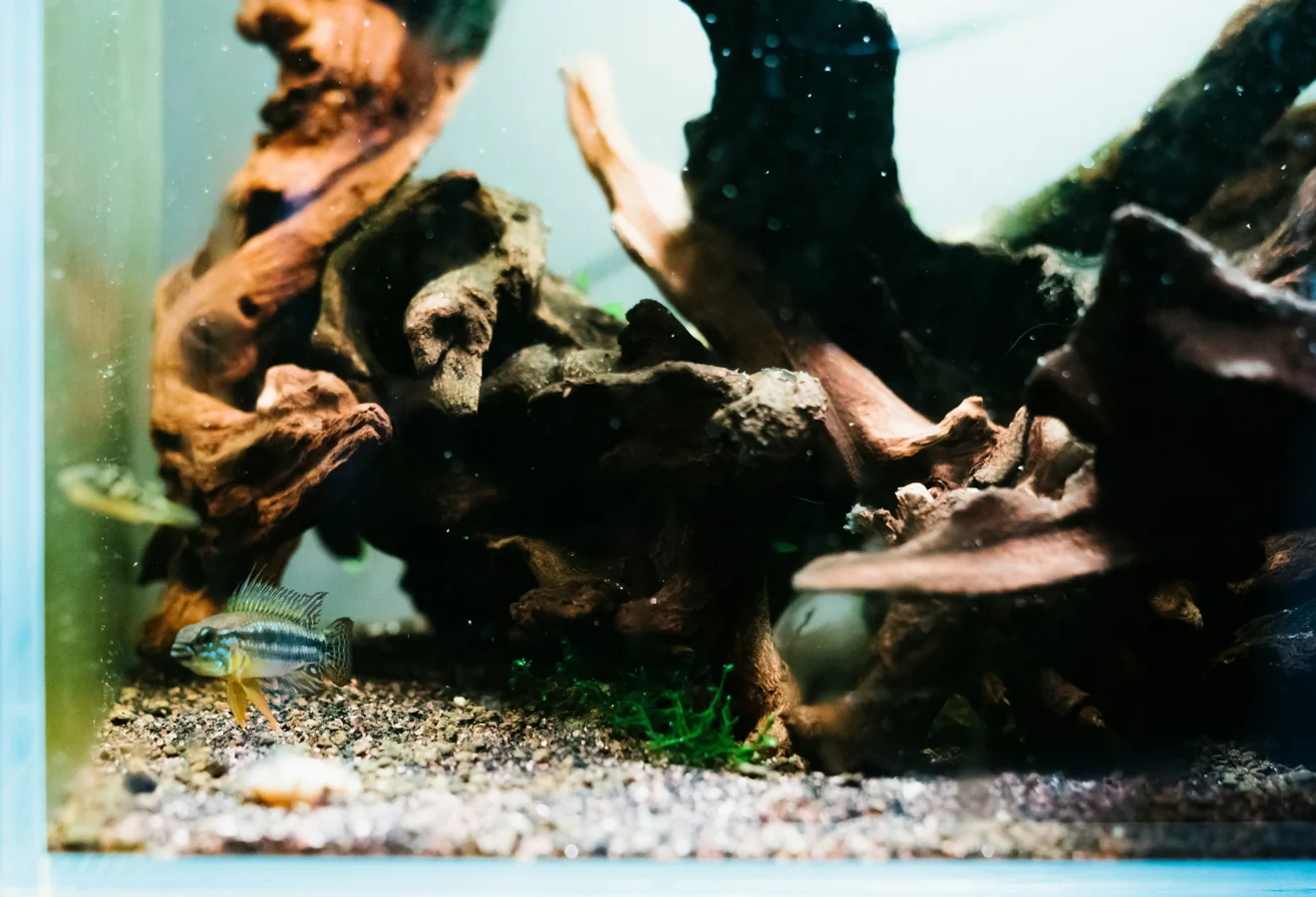
Species Comparison
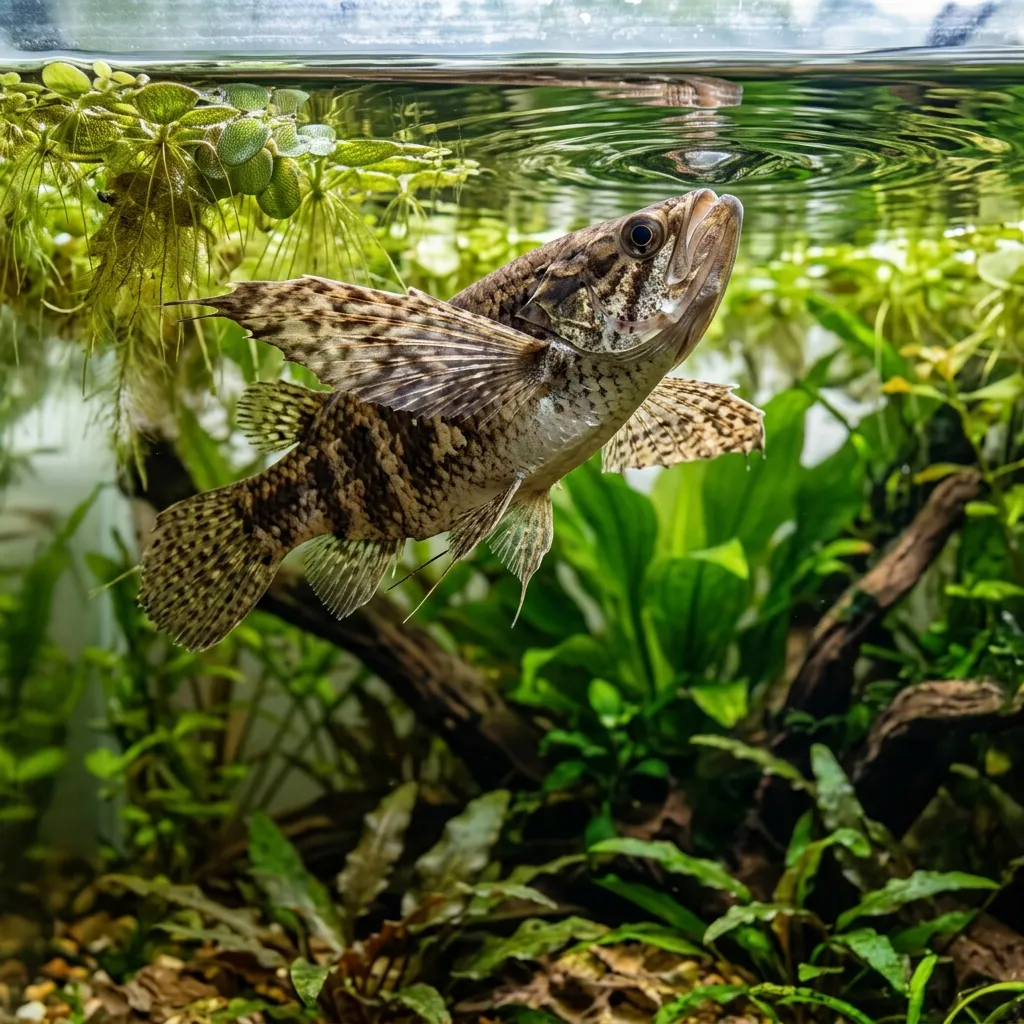
| Feature | Rope Fish | Senegal Bichir | Kuhli Loach | Fire Eel |
|---|---|---|---|---|
| Scientific Name | Erpetoichthys calabaricus | Polypterus senegalus | Pangio kuhlii | Mastacembelus erythrotaenia |
| Max Size | 15 in (38 cm) | 12 in (30 cm) | 4 in (10 cm) | 36 in (90 cm) |
| Temperament | Peaceful / Social | Peaceful / Solitary | Peaceful / Social | Peaceful / Solitary |
| Minimum Tank Size | 55 gal (208 L) long; 75 gal (284 L) for group | 40 gal (150 L) long | 20 gal (75 L) | 75 gal (284 L) long |
| Diet | Carnivore (insects, worms, crustaceans) | Carnivore (fish, worms, crustaceans) | Omnivore / Scavenger | Carnivore (live fish, worms, shrimp) |
| pH Range | 6.0 - 7.5 | 6.0 - 8.0 | 5.5 - 6.5 | 6.8 - 7.5 |
| Air Breathing | Yes - paired lungs; will drown without surface access | Yes - paired lungs; will drown without surface access | No - gills only | No - gills only |
| Social Requirements | Groups of 3 to 5 minimum | Solitary preferred; aggression in groups | Groups of 5 to 6 minimum | Solitary |