
Texas Cichlid (Herichthys cyanoguttatus)
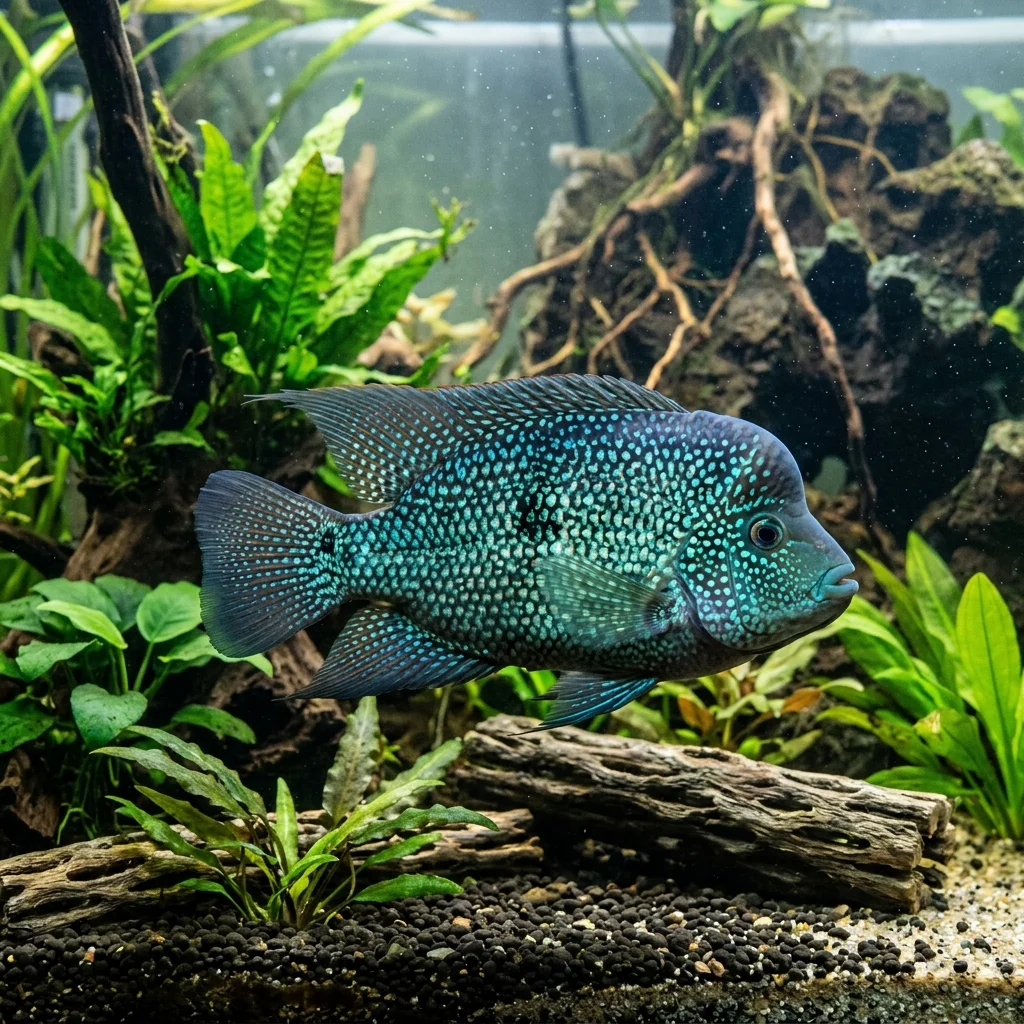
Quick Answer
Texas Cichlid (Herichthys cyanoguttatus) is the only cichlid species native to the United States, found in the Rio Grande drainage of Texas and northern Mexico. It requires a minimum 75-gallon (284 liter) aquarium with a pH of 6.5 to 8.0 and a temperature range of 68°F to 78°F (20°C to 25.5°C). This large, aggressive omnivore reaches 12 inches (30.5 cm) and is best kept as a single specimen or with equally robust large cichlids in tanks exceeding 125 gallons (473 liters).
Quick Facts
| Scientific Name | Herichthys cyanoguttatus |
|---|---|
| Common Names | Texas Cichlid |
| Family | Cichlidae |
| Genus | Herichthys |
| Type | Freshwater |
| Temperament | aggressive |
| Care Difficulty | advanced |
| Lifespan | 12 years |
| Maximum Size | Up to 12 in (30 cm) |
| Diet | Omnivore |
| Temperature | 68–78°F (20–26°C) |
| pH | 6.5–8 |
| Hardness | 8–25 dGH |
| Minimum Size | 75 gallons |
Key Takeaways
- Only cichlid species native to the United States; found in Texas and northern Mexico
- Requires minimum 75-gallon (284 liter) tank for a single adult; 125+ gallons for a pair
- Grows to 12 inches (30.5 cm) and lives 10 to 15 years with proper care
- Extremely aggressive and territorial; best as a species-only showpiece
- Prefers cooler subtropical temperatures of 68°F to 78°F (20°C to 25.5°C)
- Heavy waste producer requiring canister filtration rated for double tank volume
- Prone to hole-in-the-head disease; prevent through pristine water and varied diet
- Relentless substrate digger; all rockwork must be placed on tank bottom before adding sand
Overview
Species Overview
The Texas Cichlid (Herichthys cyanoguttatus), also known as the Rio Grande Cichlid or Pearl Cichlid, holds the unique distinction of being the only cichlid species native to the United States. Found in the lower Rio Grande drainage of Texas and northeastern Mexico, this fish is a popular game fish known locally as the Rio Grande perch and as mojarra del norte south of the border. In the aquarium hobby, it is revered for its stunning pearlescent coloration, formidable personality, and exceptional hardiness.
Texas Cichlids are not beginner fish. They grow to 12 inches (30.5 cm), live over a decade, and possess territorial aggression that rivals or exceeds most Central American cichlids. They demand large aquariums, robust filtration, and experienced keepers who understand cichlid behavior. When properly housed, a single Texas Cichlid in a species-only setup becomes an interactive, intelligent showpiece with a pearlescent pattern of turquoise and white spots that intensifies with age and maturity.
Appearance
Appearance and Sexual Dimorphism
Juvenile Texas Cichlids are pearl-gray with white dots scattered across the body and fins, accented by two prominent black spots, one at the center of the body and another at the base of the caudal fin. As they mature, the body develops a golden-olive base with a spectacular spangling of iridescent turquoise, blue, and white pearl spots across the entire body and finnage. Many specimens display three dark vertical bars along the flanks. During breeding, the underside of the body turns jet black, the bars intensify dramatically, and the pearling becomes almost blindingly bright under aquarium lighting.
Males grow larger than females, reaching up to 12 inches (30.5 cm) compared to the female's 10 inches (25 cm). Mature males may develop a small nuchal hump on the forehead and possess extended, more pointed dorsal and anal fins. Females have rounder abdomens and blunter finnage. The intensity of pearling and coloration is directly linked to diet quality, water clarity, and the fish's stress level.
Natural Habitat
Natural Habitat and Distribution
Texas Cichlids are endemic to the lower Rio Grande drainage in Texas and the northeastern Mexican states of Tamaulipas, Nuevo Leon, and Coahuila. They inhabit slow-moving rivers, streams, pools, and reservoirs with dense riparian vegetation, submerged roots, and rocky outcrops. Their natural waters are moderately hard, slightly alkaline to neutral, and subtropical in temperature. Seasonal flooding expands their range into temporary pools and floodplain backwaters. They have also been introduced to Florida, Louisiana, and other regions where they have established invasive populations. In the aquarium, they require conditions that mimic these mineral-rich, well-oxygenated, moderately flowing waters with plenty of hardscape territory.
Diet
Diet and Nutrition
Texas Cichlids are opportunistic omnivores with a heavy protein bias. In the wild, they consume insects, crustaceans, worms, small fish, and significant quantities of algae and plant matter. In captivity, they accept virtually any food offered, but a balanced, varied diet is essential for color development, immune function, and prevention of hole-in-the-head disease.
Health
Health and Disease Management
Texas Cichlids are physically hardy but behaviorally and environmentally demanding. Their health is directly tied to water quality, diet variety, and stress management. The most common health issues stem from poor maintenance, vitamin-deficient diets, and aggression-induced injuries.
Hole-in-the-Head Disease (HLLE)
Hole-in-the-head disease, also known as head and lateral line erosion (HLLE), is the most serious health threat to Texas Cichlids. It is caused by the protozoan Hexamita or by chronic vitamin deficiencies, particularly vitamins C and E, exacerbated by poor water quality and high nitrate levels.
- Small pits or erosions on the head, face, and around the eyes
- Progression to deep lesions along the lateral line
- Loss of appetite and lethargy
- Faded coloration and clamped fins
- Stringy, white feces indicating internal parasite load
Primary causes include vitamin C and E deficiency from a meat-only diet, chronic nitrate exposure above 20 ppm, activated carbon dust in the water, stray electrical current from faulty heaters, and Hexamita infection in the gastrointestinal tract. Poor water quality and stress from aggression or overcrowding are contributing factors.
Prevention is paramount because advanced HLLE causes permanent scarring. Feed a varied diet including spirulina, vegetables, and vitamin-enriched pellets. Maintain nitrates below 20 ppm through weekly 30% water changes. Remove old carbon and replace it with fresh, pre-washed carbon monthly. Check all electrical equipment for stray voltage using a multimeter. At the first sign of pitting, treat with metronidazole at 5 mg/L in a hospital tank, improve water quality immediately, and add vitamin supplements to food using a product like Seachem Nourish or Vita-Chem.
Ich (White Spot Disease)
Ichthyophthirius multifiliis is a ciliated protozoan that causes white salt-like granules on the skin, fins, and gills. It is common in Texas Cichlids when temperatures drop below 68°F (20°C) or during stress from poor water conditions.
- White cysts resembling salt grains on body and fins
- Excessive scratching against rocks and substrate (flashing)
- Labored breathing and gill hyperplasia
- Loss of appetite and hiding in corners
Introduced via contaminated water, plants, or new fish. Triggered by temperature drops, ammonia spikes, or stress from aggression. The parasite burrows into the skin and gill epithelium, causing irritation and secondary bacterial infection.
Quarantine all new stock for 14 days. Maintain temperature at 74°F to 76°F (23°C to 24.5°C). At the first sign of ich, raise temperature to 86°F (30°C) for 72 hours with vigorous surface agitation to maintain oxygen saturation. Texas Cichlids tolerate standard ich medications well; use a copper-based treatment or formalin at labeled doses in a hospital tank. Increase water changes to 20% daily during treatment.
Fin Rot (Bacterial and Fungal)
Fin rot is caused by opportunistic bacteria such as Pseudomonas and Aeromonas, often secondary to physical damage from fighting, digging, or rough decor. Fungal fin rot presents as white, cottony growth on the fin edges.
- Frayed, ragged, or receding fin edges
- White or red margins indicating bacterial infection
- Reddening at the fin base signaling systemic spread
- White cotton-like fungal growth on damaged tissue
Physical injury from territorial combat, abrasive substrate, or sharp rock edges. Bacterial colonization occurs when water quality deteriorates or nitrates exceed 30 ppm. Immunosuppression from stress or poor nutrition accelerates progression.
Perform 25% water changes every 48 hours until parameters stabilize. Treat bacterial fin rot with kanamycin or erythromycin in a hospital tank. Treat fungal involvement with methylene blue baths at 3 mg/L for 30 minutes daily. Remove sharp or abrasive decor. Smooth all rock edges with sandpaper. Separate fighting fish immediately to prevent reinjury.
Bacterial Septicemia and Internal Infections
Texas Cichlids are prone to internal bacterial infections caused by Aeromonas and Pseudomonas species, particularly when water quality is neglected or when they suffer bite wounds from territorial disputes. These infections can progress rapidly in large cichlids.
- Red streaks or hemorrhages on the body and fins
- Bloated abdomen and raised scales resembling dropsy
- Ulcerated skin lesions
- Rapid breathing and lethargy
- Darkened body color and refusal to eat
Treat immediately with a broad-spectrum antibiotic such as kanamycin combined with nitrofurazone in a hospital tank. Perform daily 20% water changes during the 7 to 10 day treatment course. Improve nutrition with vitamin-enriched foods. Prevent recurrence by maintaining ammonia and nitrite at 0 ppm, reducing stocking density, and separating incompatible tank mates. Never treat the main display tank with antibiotics as this will destroy biological filtration.
Breeding
Breeding Guide
Texas Cichlids are substrate-spawning cichlids that form monogamous pairs and exhibit biparental care. Breeding is relatively straightforward once a compatible pair has formed, but the courtship process can be violent, and post-spawning male aggression toward the female is a serious risk.
Tips
Common Mistakes to Avoid
- Undersized tanks: Housing an adult in a 55-gallon (208 liter) tank is the most common fatal error. The fish becomes trapped in its own aggression, destroying decor and injuring itself.
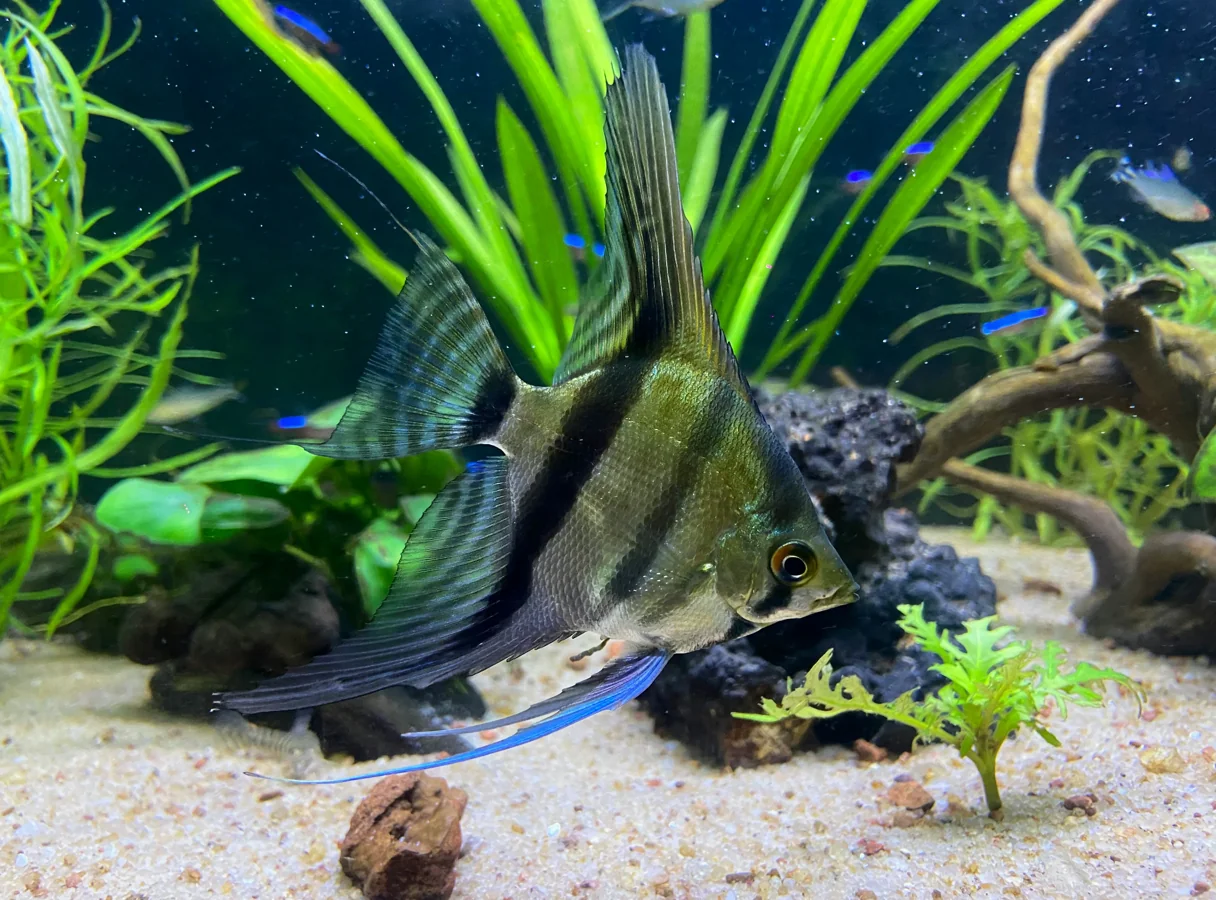
- Community tank delusions: Attempting to keep a Texas Cichlid with peaceful community fish such as tetras, guppies, or corydoras results in a massacre. Even large, docile fish like angelfish and discus are not safe.
- Feeding mammal meat: Offering beef heart, chicken, or pork is a guaranteed path to fatty liver disease and premature organ failure. Stick to fish, invertebrate, and vegetable-based foods.
- Neglecting water changes: Skipping weekly maintenance because the fish looks healthy leads to nitrate accumulation, which directly causes hole-in-the-head disease and bacterial infections.
- Stacked rock towers: Creating elaborate rock towers or leaning slate structures is dangerous. These fish dig underneath and collapse structures, often with fatal consequences.
- Ignoring the lid: Texas Cichlids are powerful jumpers. An uncovered tank guarantees a dried specimen on the floor within months. Use a heavy glass or acrylic lid with no gaps.
Pro Aquarist Tips
- Species-only is superior: A single Texas Cichlid in a 75-gallon tank with sand, heavy rocks, and a canister filter is a far more rewarding display than a war-torn community tank. The pearling on a mature, stress-free specimen is unmatched.
- Use immovable hardscape: Place all rocks and caves directly on the tank bottom before adding substrate. Texas Cichlids will excavate under rock piles and topple them, potentially cracking the glass or crushing themselves.
- Monitor for stray voltage: Faulty heaters and powerheads can leak electrical current into the water, which has been linked to hole-in-the-head disease. Test with a multimeter monthly.
- Pre-wash carbon: If using activated carbon, rinse it thoroughly before use. Carbon dust in the water column is a documented contributor to HLLE in large cichlids.
- Cold water advantage: Leverage their subtropical tolerance by keeping them at 70°F to 74°F (21°C to 23°C). This reduces metabolic waste, extends lifespan, and minimizes aggression compared to tropical temperatures.
- Divide before disaster: Always keep a tank divider or spare aquarium ready when housing a pair. Male aggression toward the female post-spawning can escalate to lethal violence within hours.
Compatible Tank Mates
Species Comparison
| Feature | Texas Cichlid | Jack Dempsey | Green Terror | Oscar |
|---|---|---|---|---|
| Adult Size | 10 - 12 inches (25 - 30.5 cm) | 8 - 10 inches (20 - 25 cm) | 8 - 10 inches (20 - 25 cm) | 10 - 14 inches (25 - 35.5 cm) |
| Temperament | Extremely aggressive; highly territorial | Aggressive; moderately territorial | Aggressive; can be unpredictable | Moderately aggressive; personable |
| Minimum Tank Size (Single) | 75 gallons (284 liters) | 55 gallons (208 liters) | 55 gallons (208 liters) | 75 gallons (284 liters) |
| Diet Type | Omnivore; requires vegetable supplementation | Carnivore; protein-heavy | Carnivore; protein-heavy | Omnivore; accepts most foods |
| Optimal pH Range | 6.5 - 8.0 | 6.5 - 8.0 | 6.5 - 8.0 | 6.5 - 7.5 |
| Temperature Range | 68°F - 78°F (20°C - 25.5°C) | 72°F - 86°F (22°C - 30°C) | 72°F - 80°F (22°C - 27°C) | 74°F - 81°F (23°C - 27°C) |
| Cold Tolerance | High; tolerates down to 60°F (15.5°C) | Low; requires heated tanks | Low; requires heated tanks | Low; requires heated tanks |