
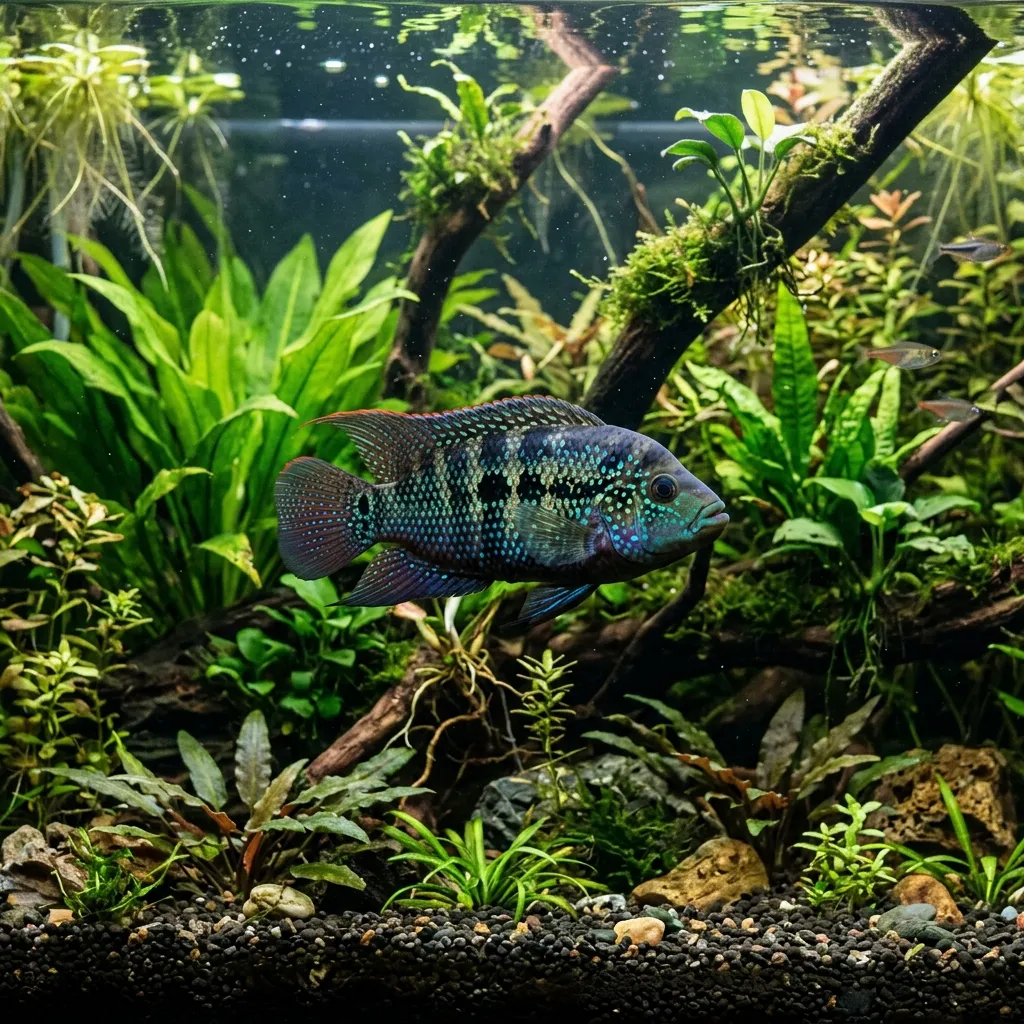
Jack Dempsey (Rocio octofasciata)
Quick Answer
Jack Dempsey (Rocio octofasciata) is a large, aggressive Central American cichlid requiring a minimum 55 gallon (208 liter) aquarium for a single specimen, or 75+ gallons (284+ liters) for a breeding pair. Maintain water at 72°F - 80°F (22.2°C - 26.7°C), pH 6.5 - 7.5, and GH 8 - 20 dGH. Provide robust filtration, multiple caves, and compatible large cichlid tank mates only.
Quick Facts
| Scientific Name | Rocio octofasciata |
|---|---|
| Common Names | Jack Dempsey |
| Family | Cichlidae |
| Genus | Rocio |
| Type | Freshwater |
| Temperament | aggressive |
| Care Difficulty | advanced |
| Lifespan | 10 years |
| Maximum Size | Up to 10 in (25 cm) |
| Diet | Omnivore |
| Temperature | 72–80°F (22–27°C) |
| pH | 6.5–7.5 |
| Hardness | 8–20 dGH |
| Minimum Size | 55 gallons |
Key Takeaways
- Requires minimum 55 gallon (208 liter) aquarium for a single specimen; 75+ gallons (284+ liters) for a pair
- Aggressive territorial behavior requires careful tank mate selection and multiple cave structures
- Heavy bioload demands canister filtration rated at 2x tank volume and weekly 30% water changes
- Omnivorous diet with carnivore bias; never feed mammalian meat to prevent fatty liver disease
- Prone to Hole in the Head (HLLE) if nitrates exceed 20 ppm or diet lacks vitamins
- Electric Blue morph is smaller, less hardy, and requires more stringent water quality maintenance
- Substrate spawner with strong biparental care; breeding requires compatible pair and 75+ gallon breeding tank
Overview
The Jack Dempsey (Rocio octofasciata) is one of the most iconic and formidable cichlids in the aquarium hobby. Named for the legendary heavyweight boxing champion Jack Dempsey due to its notoriously pugnacious temperament, this Central American native commands respect from even experienced aquarists. With proper care, these fish display breathtaking iridescent coloration ranging from deep olive and gold to electric blue morphs, making them a centerpiece species in large freshwater systems.
Diet
Jack Dempseys are opportunistic omnivores with a strong carnivorous bias. In the wild, they consume insects, crustaceans, small fish, worms, and plant matter. Captive diets must replicate this diversity to prevent nutritional deficiencies and obesity.
Health
Jack Dempseys are relatively hardy when maintained in appropriate water conditions, but their aggressive nature and heavy bioload create specific health vulnerabilities. Proactive disease prevention through water quality management is far more effective than reactive treatment.
Hole in the Head (HITH) / Head and Lateral Line Erosion (HLLE)
A progressive condition causing pitting lesions on the head and along the lateral line sensory canal.
- Small pits or erosions on the forehead, between the eyes, and along the lateral line. Advanced cases show deep crater-like lesions exposing bone. Accompanied by lethargy and appetite loss.
Maintain nitrates below 20 ppm through weekly water changes. Provide vitamin-enriched, varied diet including spirulina and fresh vegetables. Avoid low-quality activated carbon that releases dust particles. Quarantine new specimens for 21 days.
Ichthyophthirius multifiliis (Ich / White Spot Disease)
A protozoan parasite causing white salt-like spots across the body and fins.
- White pinpoint spots resembling grains of salt on skin, fins, and gills. Fish rub against decor (flashing), exhibit labored breathing, and show clamped fins. Electric Blue morphs are particularly susceptible.
Introduction via new fish, plants, or contaminated equipment. Stress from temperature fluctuations or poor water quality triggers outbreaks in carriers. The parasite has a complex life cycle with free-swimming theront stage.
Quarantine all new additions for minimum 21 days. Maintain stable temperature within 1°F (0.5°C) daily. Use UV sterilization on display tanks. Raise temperature to 86°F (30°C) for 10 days to accelerate parasite life cycle if Ich is detected; combine with copper treatment (0.15 mg/L) or formalin (25 mg/L) baths.
Fin Rot (Bacterial)
Bacterial infection causing progressive degradation of fin tissue, typically Pseudomonas or Aeromonas species.
- Frayed, ragged, or receding fin edges with white or red margins. Advanced cases show fin tissue rotting to the base and secondary fungal infections. Often follows conspecific aggression injuries.
Maintain pristine water conditions with zero ammonia and nitrite. Treat aggression wounds immediately with topical antiseptic or broad-spectrum antibiotics (kanamycin, nitrofurazone) in quarantine. Remove bully fish to hospital tank.
Hexamita / Spironucleus (Internal Flagellates)
Internal protozoan infection affecting the intestinal tract, often the precursor to Hole in the Head.
- Stringy white feces, weight loss despite normal appetite, lethargy, and dark coloration. Fish may spit food or show reduced feeding response. Often progresses to HLLE if untreated.
Protozoan parasites Hexamita or Spironucleus. Triggered by poor water quality, overcrowding, and stress. Common in cichlids fed exclusively dry foods without vegetable fiber.
Feed varied diet including vegetable matter and spirulina. Maintain excellent water quality. Treat prophylactically with metronidazole (5 mg/L for 10 days) in quarantine. Repeat treatment in 14 days to eliminate cyst stages.
Swim Bladder Disorder
Dysfunction of the swim bladder affecting buoyancy control.
- Fish floats upside down, sinks to the bottom, or swims at an abnormal angle. Difficulty maintaining position in the water column. May accompany bloating or constipation.
Constipation from dry pellet-heavy diets, bacterial infection of the swim bladder, physical trauma from fighting or decor collisions, or congenital defects in inbred strains (notably Electric Blues).
Include fiber-rich foods (peas, spirulina) in diet. Avoid overfeeding. Maintain stable water parameters. For constipation, fast for 48 hours then feed cooked pea (skin removed). Bacterial cases require antibiotic treatment in hospital tank.
Bloat / Dropsy (Malawi Bloat Syndrome)
Though more common in African cichlids, Jack Dempseys can develop bloat from intestinal blockage or bacterial infection.
- Severe abdominal distension, scales protruding like a pinecone (dropsy), raised scales, lethargy, and loss of appetite. Fish may isolate at the bottom.
Intestinal blockage from indigestible food (beef heart, uncooked vegetables), bacterial kidney infection (Aeromonas), or internal parasites. Often fatal if not caught early due to kidney failure.
Never feed mammalian meat. Thaw frozen foods completely before feeding. Include vegetable fiber. Treat with metronidazole and epsom salt baths (1 tablespoon per 10 gallons / 38 liters) to reduce fluid retention. Isolate affected fish immediately.
Breeding
Jack Dempseys are substrate-spawning cichlids with strong biparental care. Breeding is moderately difficult due to the challenge of obtaining compatible pairs and managing post-spawning aggression.
Compatible Tank Mates
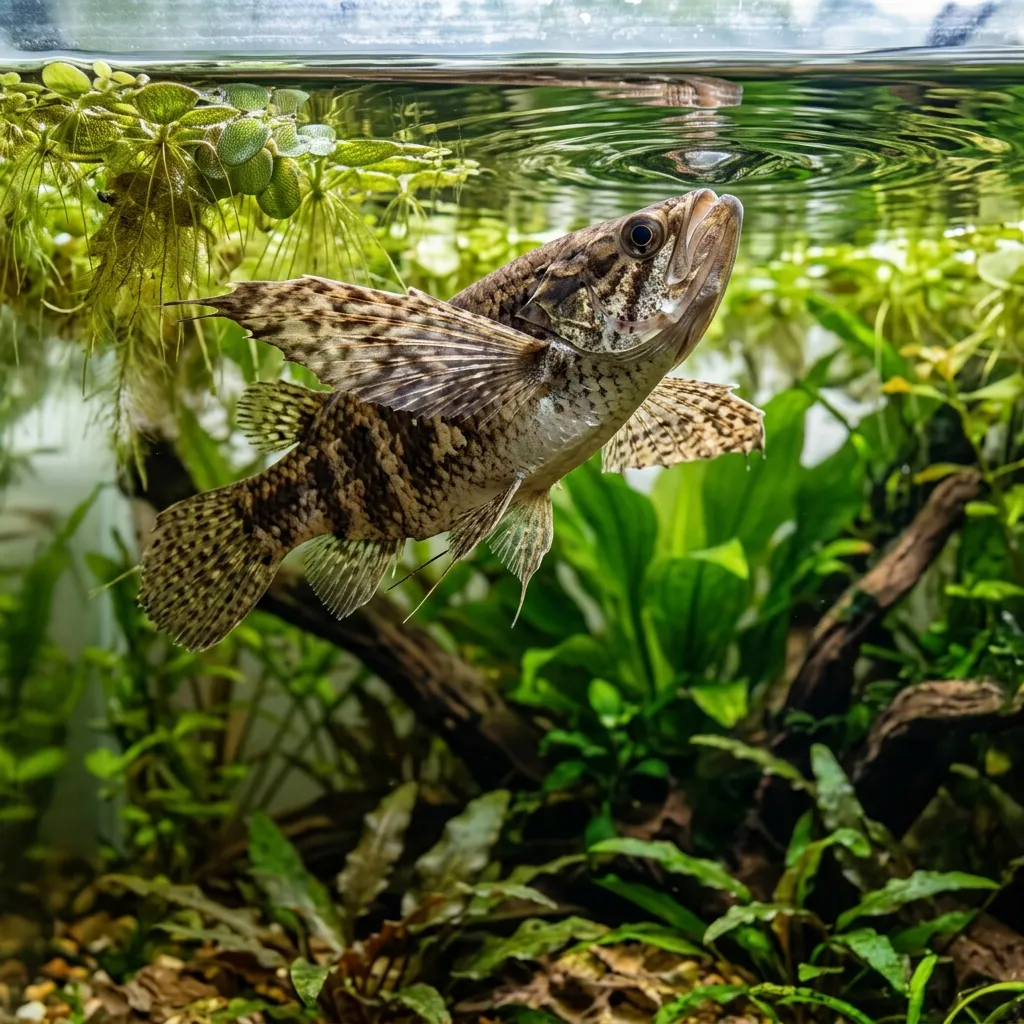
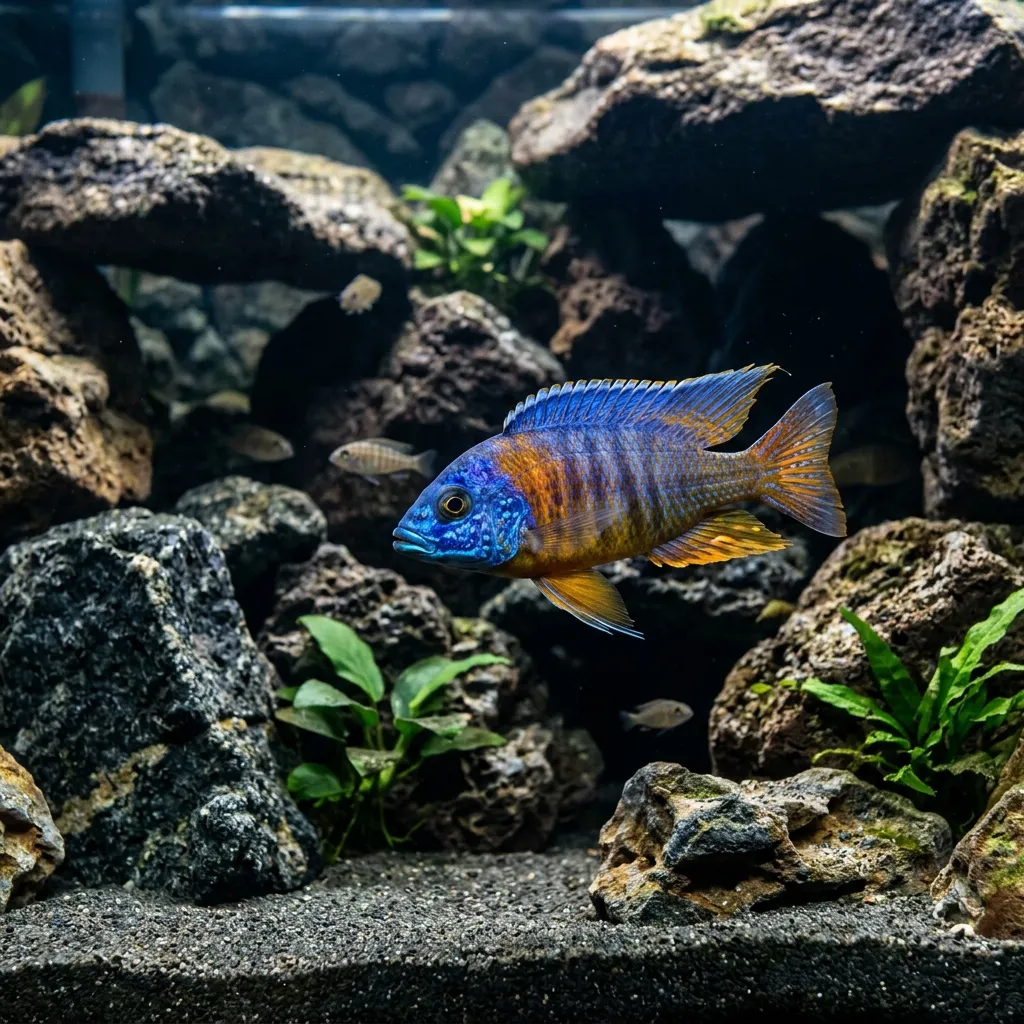
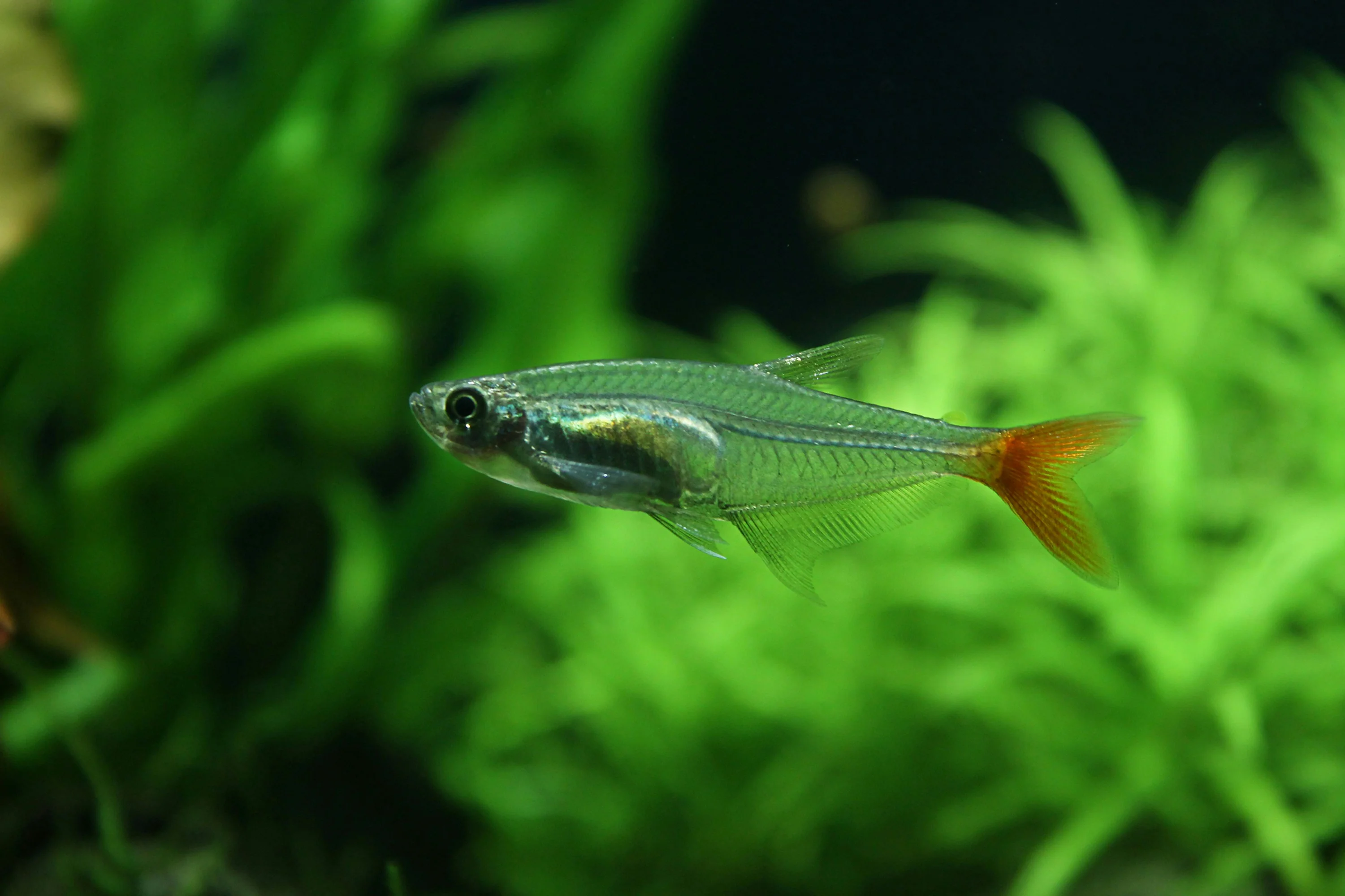
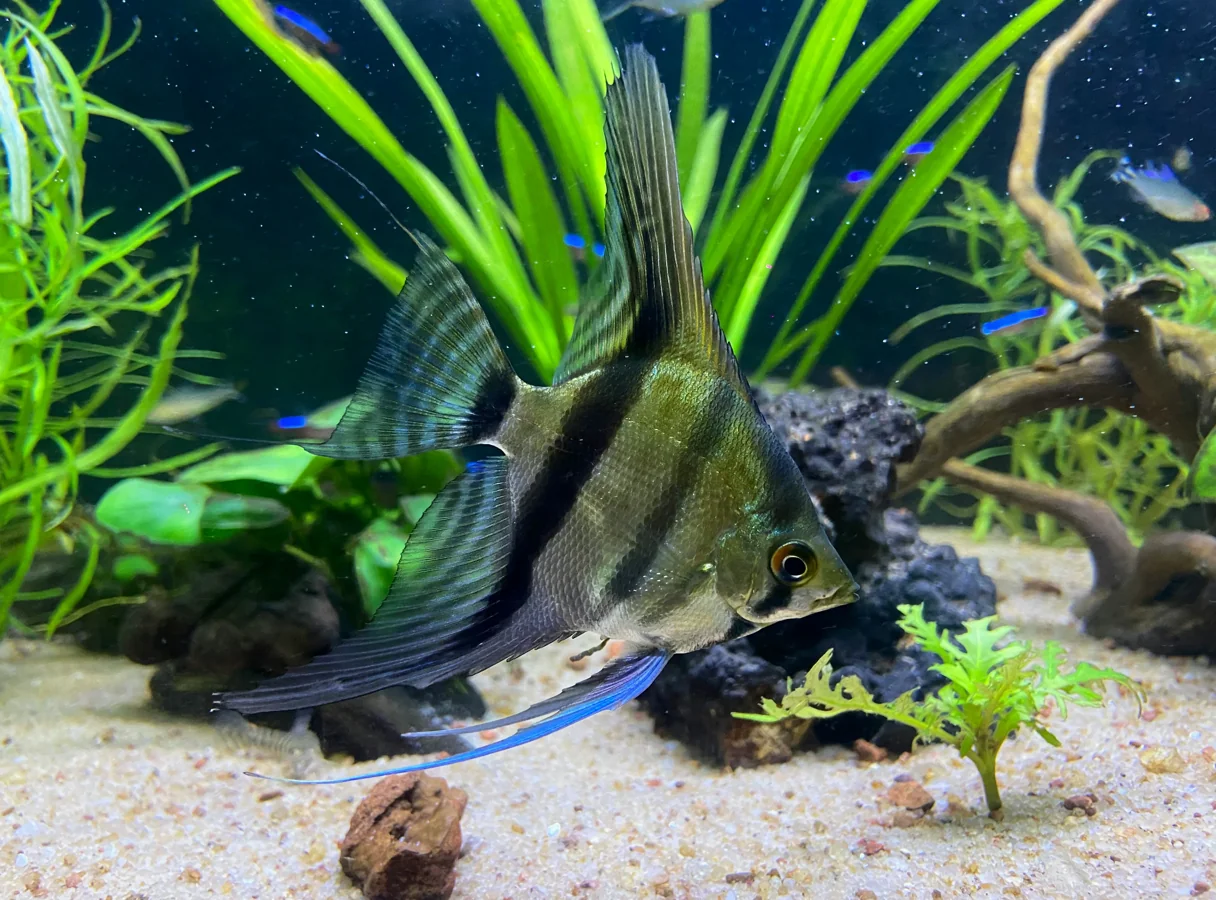
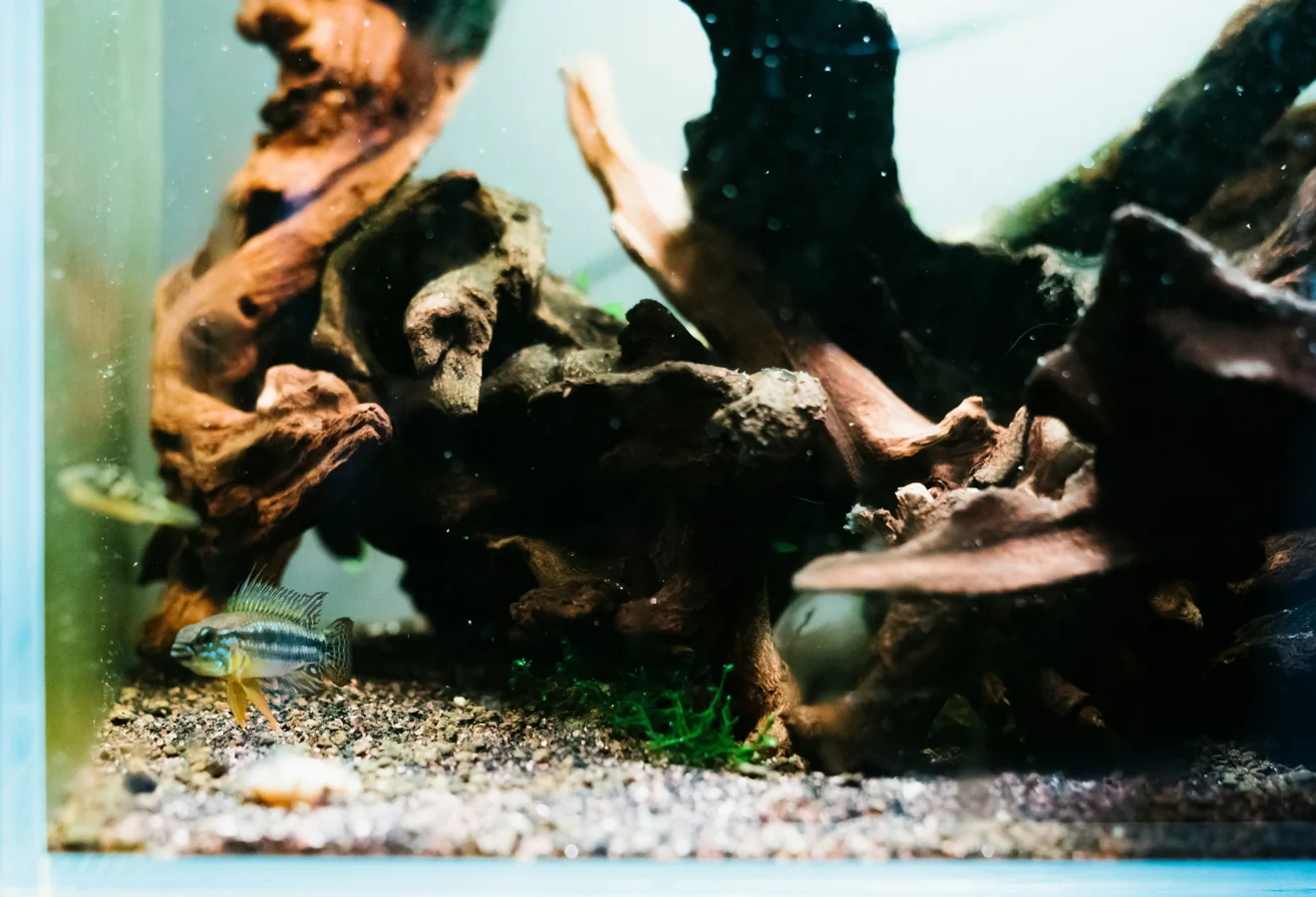
Species Comparison
| Feature | Jack Dempsey | Green Terror | Oscar | Firemouth Cichlid |
|---|---|---|---|---|
| Max Size | 10 in (25 cm) | 12 in (30 cm) | 14 in (36 cm) | 7 in (18 cm) |
| Temperament | Aggressive | Aggressive | Moderately Aggressive | Semi-Aggressive |
| Minimum Tank Size | 55 gal (208 L) | 75 gal (284 L) | 75 gal (284 L) | 30 gal (114 L) |
| Diet Type | Omnivore (Carnivore bias) | Omnivore (Carnivore bias) | Omnivore | Omnivore |
| pH Range | 6.5 - 7.5 | 6.5 - 8.0 | 6.0 - 8.0 | 6.5 - 8.0 |
| Temperature Range | 72-80°F (22-27°C) | 72-80°F (22-27°C) | 74-81°F (23-27°C) | 75-86°F (24-30°C) |
| Breeding Difficulty | Moderate (Pair bonding required) | Moderate | Easy | Easy |
| Origin Region | Central America (Mexico to Honduras) | South America (Peru, Ecuador) | South America (Amazon Basin) | Central America (Yucatan Peninsula) |