
Chinese Algae Eater (Gyrinocheilus aymonieri)
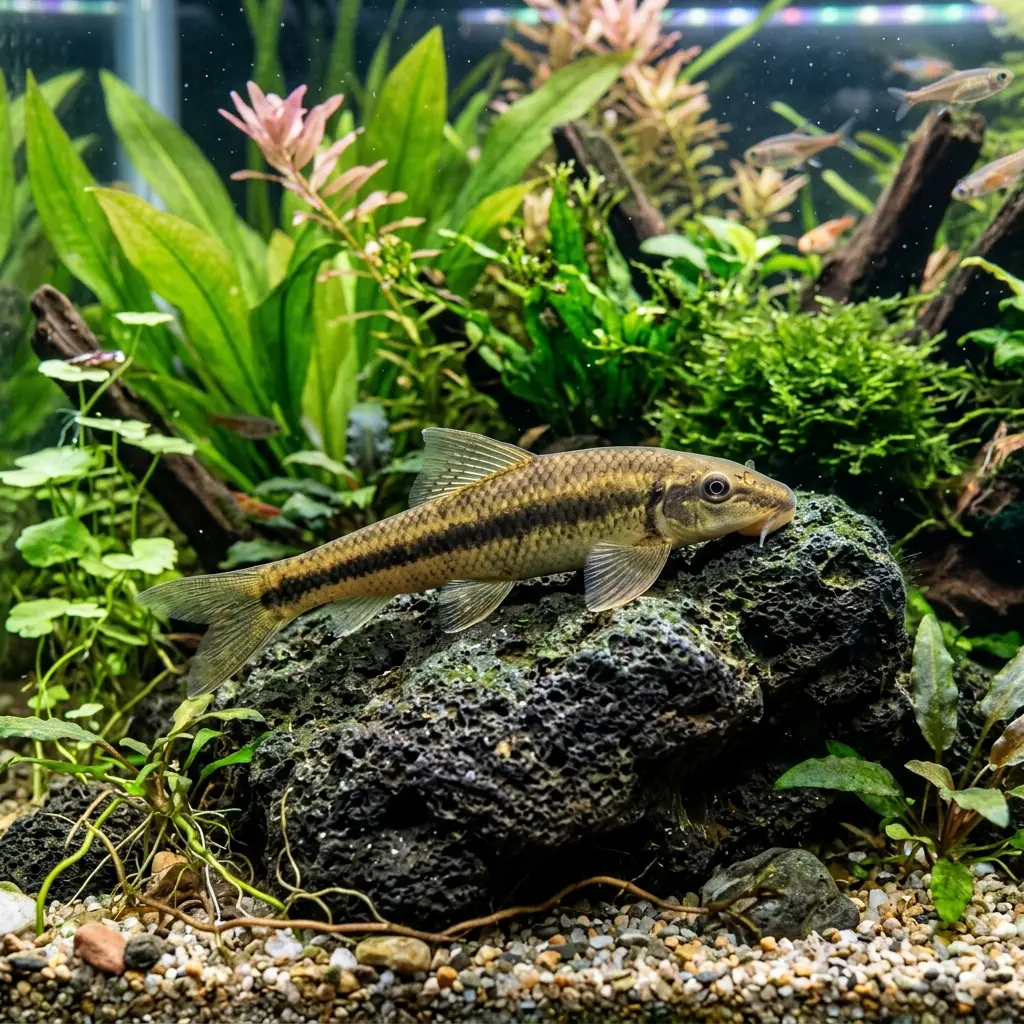
Quick Answer
The Chinese Algae Eater (Gyrinocheilus aymonieri) is a large, aggressive cypriniform fish often mis-sold as a peaceful algae cleaner. Juveniles eat algae; adults become territorial predators that attack slow tank mates. It requires a minimum 55-gallon (208 L) species-only tank, pH 6.5-7.5, temperature 72-80°F (22-27°C), and is extremely sensitive to copper, formalin, and salt due to its scaleless belly.
Quick Facts
| Scientific Name | Gyrinocheilus aymonieri |
|---|---|
| Common Names | Chinese Algae Eater |
| Family | Gyrinocheilidae |
| Genus | Gyrinocheilus |
| Type | Freshwater |
| Temperament | aggressive |
| Care Difficulty | intermediate |
| Lifespan | 10 years |
| Maximum Size | Up to 11 in (28 cm) |
| Diet | Omnivore (herbivorous as juveniles, protein-preferring as adults) |
| Temperature | 72–80°F (22–27°C) |
| pH | 6.5–7.5 |
| Hardness | 5–15 dGH |
| Minimum Size | 55 gallons |
Key Takeaways
- NOT a peaceful community fish - becomes aggressive at 3+ inches (7.6 cm)
- Requires 55+ gallons (208 L) for one adult; 125+ gallons (473 L) for multiple specimens
- Scaleless belly makes it extremely sensitive to copper (lethal at 0.1 mg/L), formalin, and salt
- Diet shifts from herbivore (juvenile) to protein-preferring omnivore (adult)
- Will kill slow-moving, flat-bodied fish by eating their slime coat
- Commercially bred with hormones; home breeding is virtually impossible
- Native to Southeast Asia (Thailand, Vietnam, Laos, Cambodia), not China
Overview
Species Overview
The Chinese Algae Eater (Gyrinocheilus aymonieri) is one of the most misunderstood and misrepresented fish in the aquarium trade. Sold to unsuspecting beginners as a peaceful algae-cleaning solution, this species undergoes a dramatic behavioral and dietary transformation as it matures. Juveniles are diligent herbivores that graze biofilm and algae from every surface. Adults, however, become large, territorial, and aggressively omnivorous, often attacking tank mates to consume their protective slime coat.
This species belongs to the family Gyrinocheilidae, the smallest suborder (Gyrinocheiloidei) within the order Cypriniformes. It is the only genus in its family, characterized by a unique dual-opening gill slit structure that allows the fish to breathe while maintaining its sucker mouth attachment to rocks in fast-flowing water. Despite its common name, it is native to Southeast Asia (Thailand, Vietnam, Cambodia, Laos) and is only rarely found in China.
Physical Characteristics
Adults reach up to 11 inches (28 cm) in the wild, though aquarium specimens typically max out at 6-8 inches (15-20 cm). They possess an elongated, torpedo-shaped body with a distinctive ventral sucker mouth containing two horny rasps with tiny hooks for scraping algae and periphyton. Coloration ranges from olive-brown to golden-yellow (in the popular golden variety), with a lateral line marked by a series of dark blotches rather than a continuous stripe. A small dark spot is always present behind the spiracle (auxiliary breathing opening).
Critical Misconceptions
- NOT a loach: Despite the nickname 'sucking loach,' it belongs to Gyrinocheilidae, not Cobitidae (true loaches).
- NOT peaceful: Adults are highly territorial and will kill slow-moving tank mates.
- NOT a long-term algae solution: Adults switch to protein and largely abandon algae consumption.
- NOT suitable for small tanks: Requires 55+ gallons (208 L) for a single adult.
- Scaleless: The belly is scaleless, making the fish extremely sensitive to medications and salt.
Diet
Dietary Requirements
The dietary needs of the Chinese Algae Eater change dramatically with age. Understanding this shift is critical to preventing aggression and maintaining health. Juveniles are primarily herbivorous (80% plant matter), while adults become omnivorous with a strong protein preference (60% protein, 40% plant matter). Underfed adults will attack other fish to consume their slime coat as a protein source.
Juvenile Diet (Under 3 inches / 7.6 cm)
Feed a diet rich in algae and plant matter:
- Sinking algae wafers (spirulina-based) - daily
- Spirulina tablets pressed against glass - daily
- Blanched vegetables: zucchini, cucumber, spinach, lettuce - 3-4 times weekly
- Biofilm and aufwuchs naturally growing on tank surfaces - constant grazing
Adult Diet (Over 3 inches / 7.6 cm)
Transition to a protein-heavy omnivorous diet:
- High-quality sinking carnivore pellets or cichlid pellets - daily staple
- Frozen or live foods: bloodworms, brine shrimp, daphnia, krill - 3-4 times weekly
- Spirulina wafers and blanched vegetables - 2 times weekly (do not eliminate plant matter entirely)
- Occasional treats: shelled peas, blanched kale, and algae-based gel foods
Feeding Schedule
Feed twice daily in small portions that are consumed within 2-3 minutes. Adults have a high metabolism and will become aggressive if underfed. A hungry adult Chinese Algae Eater is a dangerous tank mate. Observe the fish's belly - it should be slightly rounded after feeding, not sunken or overly distended.
Foods to AVOID
- Beef heart and mammalian meats: Chinese Algae Eaters cannot digest mammalian proteins properly. These foods cause intestinal blockages and fatty liver disease.
- Flake foods: These float and the fish rarely feeds from the surface. Sinking foods are mandatory.
- Excessive algae wafers in adults: While not harmful, protein deficiency from over-reliance on algae foods triggers slime coat predation.
- Salt-enriched foods: Any food treated with aquarium salt or iodized salt is toxic to this scaleless species.
Expert Tip: The Slime Coat Connection
If your adult Chinese Algae Eater is actively attacking tank mates, the first diagnostic step is diet, not temperament. Increase protein-rich sinking foods immediately. In 80% of cases, aggression subsides within 7-10 days of proper feeding. If aggression persists after dietary correction, the fish must be rehomed to a species-only tank.
Health
Health, Diseases & Medication Protocol
The Chinese Algae Eater is hardy regarding water parameter tolerance but extremely fragile when it comes to medications and treatments. The scaleless belly and modified opercular structure make this species susceptible to chemical toxicity that other fish tolerate easily. You must quarantine and treat this fish with extreme caution.
General Health Maintenance
Prevent disease through environmental stability rather than treatment. Maintain pristine water conditions with weekly 30-50% water changes, robust filtration, and stable temperature. Stress is the primary disease trigger. Common stressors include: sudden parameter changes, inadequate diet, territorial disputes, and poor water quality.
Medication Sensitivity Alert
This is a scaleless fish with a modified breathing apparatus. The following medications are DANGEROUS or LETHAL:
- Copper-based medications (CopperSafe, Cupramine): Lethal at concentrations as low as 0.1 mg/L. Causes rapid gill necrosis and death within 24-48 hours. NEVER use copper on this species.
- Formalin (formaldehyde): Toxic to scaleless fish at standard doses. Causes skin burns and respiratory distress.
- Malachite Green: Use at quarter strength (25% of label dose) if absolutely necessary. Full strength causes chemical burns on the scaleless belly.
- Aquarium Salt: Tolerance is less than 2 ppt (parts per thousand). Standard salt treatments (1 tbsp per 5 gallons) are toxic. Use only in emergencies at 25% dose.
- Potassium Permanganate: Highly oxidizing; causes severe tissue damage in scaleless species.
SAFE medications: Praziquantel (anti-parasitic), Metronidazole (anti-protozoal/bacterial) at half-strength, and Kanamycin (antibiotic) at standard dose. Always quarantine in a separate hospital tank before treating the main display.
Ich (White Spot Disease)
The most common parasitic infection in Chinese Algae Eaters, usually introduced via new tank mates or plants. Ichthyophthirius multifiliis causes white salt-like spots on fins and body.
- White cysts (0.5-1 mm) on fins, gills, and body; rubbing against decor; rapid breathing; clamped fins; loss of appetite.
Introduction via infected fish, plants, or equipment; temperature drops below 72°F (22°C); stress from poor water quality or aggression.
Quarantine all new additions for 4 weeks. Maintain temperature above 75°F (24°C). Use UV sterilization. Avoid sudden temperature fluctuations.
Slime Coat Damage & Secondary Bacterial Infection
Not a primary disease but a condition caused by conspecific aggression or predation on tank mates. Open wounds on the flanks become infected with Aeromonas or Pseudomonas bacteria.
- Patchy, dull areas where slime coat is missing; red ulcers or open sores; fin rot; lethargy; loss of appetite; hanging near surface.
Aggression from tank mates or conspecifics; rough substrate abrading the belly; poor water quality allowing bacterial proliferation.
House alone or with fast, robust tank mates only. Use smooth substrate. Maintain nitrates below 25 ppm. Treat wounds immediately with Melafix at half-strength or clean water therapy.
Bacterial Gill Disease (Flavobacterium branchiophilum)
A serious bacterial infection of the gills that is particularly dangerous in Chinese Algae Eaters due to their modified opercular breathing structure.
- Rapid breathing at surface; gasping; gills appear pale or swollen; lethargy; refusal to attach to substrate; hanging near filter outflow.
Maintain zero ammonia and nitrites. Provide strong surface agitation and oxygenation. Quarantine new fish. Use antibacterial treatments like Kanamycin or Furan-2 at reduced doses in hospital tanks only.
Internal Parasites (Hexamita / Spironucleus)
Protozoan parasites that infect the intestinal tract, common in wild-caught specimens or fish fed live foods without proper quarantine.
- Stringy white feces; weight loss despite normal feeding; sunken belly; lethargy; loss of color; scratching against substrate.
Introduction via live foods (tubifex worms, bloodworms) or wild-caught specimens; poor diet lacking fiber; stress.
Freeze or quarantine live foods before feeding. Use Metronidazole at half-strength (2.5 mg/L) in food or hospital tank for 5-7 days. Increase vegetable fiber in diet.
Fungal Infection (Saprolegnia)
Cotton-like fungal growth on wounds, fins, or mouth. Common secondary infection following slime coat damage or physical injury.
- White cottony patches on body, fins, or mouth; frayed fins; lethargy; reduced feeding.
Open wounds from aggression or rough substrate; poor water quality; cold temperatures below 70°F (21°C); introduction via infected food or decor.
Maintain water temperature above 72°F (22°C). Use smooth substrate and decor. Treat wounds promptly. Use Pimafix or Methylene Blue at quarter-strength in hospital tanks. Never use Malachite Green at full strength.
Dropsy (Edema / Ascites)
A symptom rather than a disease, indicating kidney or liver failure. The fish’s body swells with fluid, and scales may protrude (though less visible in this partially scaleless species).
- Severe abdominal swelling; protruding scales (where present); popeye (exophthalmia); loss of appetite; lethargy; floating or sinking abnormally.
Bacterial infection (Aeromonas hydrophila); poor water quality; internal parasites; long-term feeding of inappropriate foods (beef heart, mammalian meat); organ failure from old age.
Maintain pristine water conditions. Feed appropriate diet (no mammalian meats). Quarantine new fish. Treat early with broad-spectrum antibiotics (Kanamycin + Metronidazole) in hospital tank. Dropsy is often fatal; early intervention is critical.
Breeding
Breeding in Captivity
Breeding Chinese Algae Eaters in the home aquarium is virtually impossible and not recommended for hobbyists. Commercial breeding relies on hormone injections, and natural spawning triggers in captivity are poorly understood. The few documented home spawnings were accidental and non-replicable.
Why Home Breeding Fails
- Hormonal dependency: Females require hormonal injections both before and after spawning to release eggs and complete the reproductive cycle.
- Territorial incompatibility: Adults are too aggressive to tolerate each other in the confined space required for breeding.
- Unknown triggers: Exact water parameter shifts, temperature changes, and photoperiod modifications that trigger spawning in the wild are undocumented.
- Egg viability: Even when eggs are laid, fungal infection destroys 90%+ of the clutch within 24 hours without professional incubation systems.
Commercial Breeding Methods
Most aquarium trade specimens are either wild-caught or produced on commercial farms in Southeast Asia using hormone-induced spawning. Females are injected with pituitary extract or synthetic hormones (LHRH-a) to trigger ovulation. Males are similarly treated to ensure fertilization. Eggs are collected and incubated in flow-through systems with antifungal treatments.
Hypothetical Home Breeding Protocol (Expert Only)
If you insist on attempting (not recommended), the following conditions are theorized based on related cypriniform breeding:
- Tank: 200+ gallons (750+ L) with multiple caves and smooth stones.
- Group: 6+ adults (sexing is nearly impossible; use a large group to ensure pairs).
- Conditioning: Feed high-protein foods (bloodworms, krill) 4-6 times daily for 4 weeks.
- Trigger: Lower temperature to 68°F (20°C) over 3 days. Perform 50% water change with cool RO water. Increase flow rate to simulate rainy season currents.
- Spawning: If triggered, females release 3,000-4,000 eggs (some sources report up to 20,000 in wild specimens) over smooth stones or PVC pipes.
- Post-spawn: Remove parents immediately. Eggs hatch in 24-36 hours. Fry require green water (phytoplankton) for 10 days, then transition to baby brine shrimp.
Success rate: Less than 1% for home aquarists. Do not attempt unless you have extensive experience with hormone-assisted fish breeding and 200+ gallon facilities.
Compatible Tank Mates






Chinese Algae Eater vs. Similar Species
| Feature | Chinese Algae Eater | Siamese Algae Eater | Otocinclus Catfish | Flying Fox |
|---|---|---|---|---|
| Scientific Name | Gyrinocheilus aymonieri | Crossocheilus siamensis / C. oblongus | Otocinclus spp. (O. affinis, O. vittatus) | Epalzeorhynchos kalopterus |
| Max Size | 11 inches (28 cm) | 6 inches (15 cm) | 2 inches (5 cm) | 6 inches (15 cm) |
| Temperament | Aggressive, territorial, solitary | Peaceful, semi-social, active | Very peaceful, schooling, shy | Semi-aggressive, territorial to own species |
| Minimum Tank Size | 55 gallons (208 L) for 1 adult | 30 gallons (113 L) for 4-6 fish | 10 gallons (37 L) for 6 fish | 40 gallons (151 L) for 1 fish |
| Diet (Adult) | Omnivore (60% protein, 40% plant) | Omnivore (continues eating algae) | Herbivore (algae and biofilm only) | Omnivore (algae, plants, some protein) |
| pH Range | 6.5 - 7.5 (optimal) | 6.5 - 7.5 | 6.5 - 7.5 | 6.0 - 7.5 |
| Algae Eating Efficiency | High (juveniles only); abandons algae as adult | Very high; eats black beard algae | High; specialized algae grazers | Moderate; prefers other foods |
| Community Tank Safe? | No - attacks slow/flat fish | Yes - peaceful with most fish | Yes - completely peaceful | Caution - may nip fins |
| Scaleless / Medication Sensitivity | Yes - extremely sensitive; no copper or salt | No - standard medication doses safe | Yes - sensitive; no copper | No - standard doses safe |
| Lifespan | 5-10 years (up to 15 reported) | 8-10 years | 3-5 years | 5-8 years |