
Horseface Loach (Acantopsis choirorhynchos)
Quick Answer
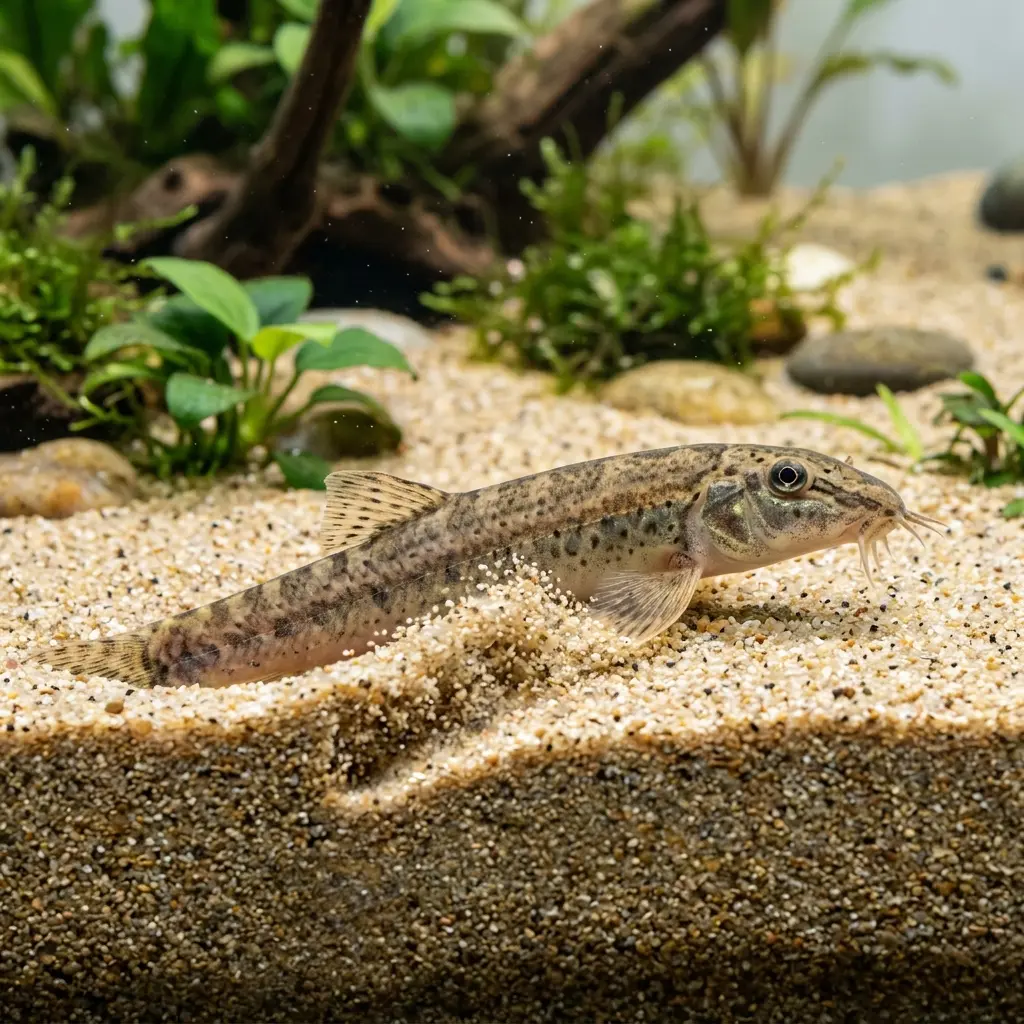
Horseface Loach (Acantopsis choirorhynchos) is a peaceful, nocturnal bottom-dweller native to Southeast Asia. It requires a minimum 40-gallon (151 liter) aquarium with 3 to 4 inches of fine sand substrate, a pH of 6.0 to 7.5, and a temperature range of 72°F to 79°F (22°C to 26°C). This 8-inch omnivore spends daylight hours buried in sand with only its eyes visible and is best kept in groups of 3 to 6 with peaceful mid-water tank mates.
Quick Facts
| Scientific Name | Acantopsis choirorhynchos |
|---|---|
| Common Names | Horseface Loach |
| Family | Cobitidae |
| Genus | Acantopsis |
| Type | Freshwater |
| Temperament | peaceful |
| Care Difficulty | intermediate |
| Lifespan | 10 years |
| Maximum Size | Up to 8 in (20 cm) |
| Diet | Omnivore |
| Temperature | 72–79°F (22–26°C) |
| pH | 6–7.5 |
| Hardness | 4–12 dGH |
| Minimum Size | 40 gallons |
Key Takeaways
- Native to Southeast Asia; all aquarium specimens are wild-caught
- Requires minimum 40-gallon (151 liter) tank for a group of 3; 55+ gallons strongly recommended
- Grows to 6 to 8 inches (15 to 20 cm) and lives 8 to 10 years with proper care
- Deep fine sand substrate 3 to 4 inches is mandatory for burrowing and feeding behavior
- Peaceful and timid; best kept in groups of 3 to 6 with non-aggressive mid-water fish
- Strictly nocturnal; feeds after lights out and remains buried during daylight
- Scaleless fish; extremely sensitive to copper and formalin medications
- Possesses sharp subocular spines for defense; handle with soft nets only
- Never successfully bred in captivity; not recommended for breeding attempts
Overview
Species Overview
The Horseface Loach (Acantopsis choirorhynchos), also known as the Horsehead Loach, Long-Nosed Loach, or Banana Fish, is one of the most fascinating and unusual bottom-dwelling fish in the freshwater aquarium hobby. Native to the streams and rivers of Southeast Asia, this species derives its common name from its dramatically elongated, downward-curving snout that closely resembles a horse's muzzle. It belongs to the family Cobitidae, the true loaches, and shares their characteristic barbels, scaleless or reduced-scale body, and bottom-foraging behavior.
Horseface Loaches are intermediate-level fish not because they are delicate, but because they have specific environmental requirements that must be met precisely. Their need for deep, fine sand substrate, their nocturnal and fossorial lifestyle, their sensitivity to medications, and their requirement for pristine water quality make them unsuitable for beginners or tanks with coarse gravel or inadequate filtration. When provided with the correct setup, they are peaceful, long-lived, and endlessly entertaining as they sift sand through their gills and vanish into the substrate before your eyes.
Appearance
Appearance and Sexual Dimorphism
Adult Horseface Loaches reach 6 to 8 inches (15 to 20 cm) in standard length, with exceptional wild specimens occasionally reported at 10 inches (25 cm). The body is elongated, slender, and slightly compressed with a distinctive horse-like snout that curves downward. The base coloration is yellowish-brown to olive-tan with 7 to 13 irregular dark spots or blotches along the flanks and a row of larger spots on the head. Some individuals display additional black flecking across the body. The belly is flat and lighter in color than the dorsal surface. The caudal fin is slightly forked, and the pectoral and pelvic fins are positioned low on the body for bottom-dwelling locomotion.
At the end of the snout are three pairs of small barbels used for detecting food in the substrate. Like other cobitid loaches, this species possesses a pair of extremely sharp, retractable subocular spines beneath the eye orbits. These spines are a defensive adaptation that can be extended when the fish is threatened or handled. Care must be taken when netting Horseface Loaches, as these spines easily become entangled in fine-mesh nets and can pierce skin if the fish is squeezed or mishandled. Sexual dimorphism is subtle: adult females are larger and rounder in the abdomen, particularly when gravid. Males possess extended first rays on the branched pectoral fins, though this difference is difficult to observe in buried fish.
Natural Habitat
Natural Habitat and Distribution
The Horseface Loach is found throughout Southeast Asia including Borneo, Java, Malaysia, Myanmar, Sumatra, Thailand, Vietnam, and parts of India and Indonesia. They inhabit the Mekong and Chao Phraya river basins as well as smaller tributaries and seasonal floodplains. Their preferred microhabitats are clear, well-oxygenated streams and rivers with sandy or muddy bottoms, submerged driftwood, and moderate to strong water flow. During monsoon seasons, they expand into flooded fields and temporary pools.
In the wild, they spend daylight hours buried in the substrate with only their eyes exposed, emerging at dusk to forage for insect larvae, small crustaceans, worms, and organic detritus. Their wide geographic distribution has led some taxonomists to question whether Acantopsis choirorhynchos represents a single species or a complex of closely related species. A 2012 revision proposed Acantopsis dialuzona as the valid name, though both names remain in common use throughout the aquarium trade.
Diet
Diet and Nutrition
Horseface Loaches are omnivorous micro-predators and detritivores. In the wild, they sift sand through their gills to extract microorganisms, algae, detritus, insect larvae, and small crustaceans. In captivity, they require a varied diet that sinks to the bottom and is offered during their active nocturnal period.
Health
Health and Disease Management
Horseface Loaches are physically hardy but environmentally and medication-sensitive. Their scaleless or reduced-scale body, combined with their sensitivity to organic waste and specific medication intolerances, requires a preventive approach to health management.
Ich (White Spot Disease)
Ichthyophthirius multifiliis is a ciliated protozoan that causes white salt-like granules on the skin, fins, and gills. It is the most common external parasite in Horseface Loach aquariums, often introduced via contaminated live foods or new stock.
- White cysts resembling salt grains on body and fins
- Excessive scratching against decor and substrate (flashing)
- Labored breathing and clamped fins
- Loss of appetite and refusal to emerge from substrate
- Faded body coloration
Introduced via contaminated water, plants, live foods, or new fish. Triggered by temperature fluctuations, stress from poor water quality, or introduction to an immature tank. The parasite burrows into the skin and gill epithelium, causing irritation and secondary bacterial infection.
Quarantine all new stock and live foods for 14 days. Maintain temperature at 74°F to 76°F (23°C to 24°C). At the first sign of ich, use the heat-only method: raise temperature to 86°F (30°C) for 72 hours with vigorous surface agitation to maintain oxygen saturation. This avoids medication entirely. If chemical treatment is absolutely necessary, use malachite green at quarter-strength (0.025 mg/L) only. Avoid formalin and copper completely. Increase water changes to 20% daily during treatment.
Skin and Gill Flukes (Dactylogyrus and Gyrodactylus)
Monogenean flukes are external parasites that attach to the skin and gills, causing irritation, tissue damage, and respiratory distress. Scaleless loaches are particularly vulnerable because flukes can attach directly to the skin surface without navigating scale barriers.
- Excessive flashing and scratching against decor
- Labored breathing and gill hyperplasia
- Excess mucus production giving a cloudy or slimy appearance
- Clamped fins and reduced nocturnal activity
- Visible worms on skin or gills under magnification
Introduced via contaminated live foods, new fish, or plants. Flukes reproduce rapidly in warm water above 78°F (25.5°C) and proliferate when water quality is marginal. Scaleless fish lack the physical barrier that scaled fish possess, making them more susceptible to heavy infestations.
Treat with praziquantel at 2.5 mg/L in a hospital tank for 24 hours, followed by a 50% water change and a second dose 5 days later. Praziquantel is safe for scaleless loaches. Avoid copper-based treatments and formalin. Increase water changes to 25% every 48 hours during treatment. Quarantine all new live foods and plants. Maintain temperature at 74°F to 76°F (23°C to 24°C) to slow fluke reproduction.
Bacterial Fin Rot and Snout Abrasion
Fin rot manifests as frayed, discolored, or receding fin tissue caused by opportunistic bacteria. Snout abrasion occurs when loaches attempt to burrow in inappropriate substrates such as coarse gravel or sharp sand, leading to open wounds that become infected.
- Frayed or ragged fin edges with white or red margins
- Reddened, raw, or eroded snout and barbels
- Progressive fin tissue loss exposing fin rays
- Lethargy and refusal to burrow or feed
- White cotton-like fungal growth on damaged tissue
Physical injury from sharp or coarse substrate, abrasive decor, or rough handling during netting. Bacterial colonization occurs when water quality deteriorates or nitrates exceed 20 ppm. Immunosuppression from stress, poor nutrition, or incorrect substrate accelerates progression. Subocular spines can become entangled in nets, causing additional physical trauma.
Immediately replace coarse substrate with fine, smooth sand. Treat bacterial fin rot with erythromycin or kanamycin in a hospital tank. Treat fungal involvement with methylene blue baths at 3 mg/L for 30 minutes daily. Use soft, knotless nets for handling to avoid subocular spine entanglement. Perform 25% water changes every 48 hours until parameters stabilize. Prevent recurrence by maintaining smooth substrate, stable water parameters, and a varied diet.
Stress-Related Immune Collapse
Chronic stress from inadequate substrate, incorrect tank mates, insufficient group size, or poor water quality suppresses the immune system, leading to a cascade of secondary infections including bacterial septicemia, fungal outbreaks, and parasitic infestations. This is the leading cause of premature death in Horseface Loaches.
- Progressive color fading from yellowish-brown to pale gray
- Loss of appetite and weight loss
- Refusal to burrow; lying exposed on the substrate
- Clamped fins and lethargy
- Secondary infections appearing simultaneously (ich, fin rot, fungus)
Coarse gravel or bare-bottom tanks, solitary housing, aggressive tank mates, nitrates above 20 ppm, ammonia or nitrite above 0 ppm, newly established tanks under 3 months old, and excessive disturbance from children tapping on glass or bright, direct lighting. Chronic stress elevates cortisol levels, suppressing immune response and opening the door to opportunistic pathogens.
Prevention is the only effective cure. Replace substrate with 3 to 4 inches of fine sand immediately. Increase group size to at least 3 individuals. Remove aggressive tank mates. Ensure the tank is fully cycled and mature. Maintain nitrates below 15 ppm through weekly 25% water changes. Reduce lighting intensity with floating plants. Place the tank in a low-traffic area. If secondary infections have developed, treat the specific pathogen in a hospital tank while correcting the underlying environmental stressors in the main tank.
Breeding
Breeding Guide
Horseface Loaches have never been successfully bred in captivity by hobbyists or commercial operations. All aquarium specimens are wild-caught. The following information is theoretical and provided for educational purposes only.
Tips
Common Mistakes to Avoid
- Gravel substrate: The most common fatal mistake is keeping Horseface Loaches on gravel or pebbles. They cannot burrow, cannot feed naturally, and suffer chronic abrasion and stress that leads to death within months.
- Solitary housing: Keeping a single Horseface Loach causes chronic stress and hiding. They are social animals that require at least 3 individuals to display natural behavior.
- Feeding during the day: Dropping food in during daylight results in all food being consumed by mid-water fish before it reaches the bottom. The loaches starve while appearing well-fed.
- Standard mesh nets: Attempting to catch a Horseface Loach with a regular net results in entangled subocular spines, torn skin, and potential spine breakage. Always use soft, knotless nets.
- Adding to new tanks: Introducing them to a newly cycled or immature tank causes ammonia sensitivity, stress, and disease. Wait until the tank is fully established with stable parameters.
- Aggressive tank mates: Housing with Red Tail Sharks, cichlids, or boisterous barbs causes constant harassment and prevents the loaches from burrowing safely. They require exclusively peaceful companions.
- Full-strength medications: Treating ich or parasites with standard copper or formalin doses kills loaches. Always use half-dose or quarter-dose protocols, or preferably heat-only treatment.
Pro Aquarist Tips
- Sand depth is non-negotiable: Provide 3 to 4 inches of fine sand across the entire tank bottom. Anything less prevents full burial and causes chronic stress. The sand bed is their home, their food source, and their security.
- Use a red flashlight: Observe your loaches at night using a red LED flashlight. Red light is invisible to most fish and allows you to watch their natural sifting, foraging, and social behaviors without disturbing them.
- Pot every plant: All aquatic plants must be in heavy pots with stones on top. Bare-root planting is futile; the loaches will uproot everything within 48 hours during their normal burrowing activity.
- Feed after lights out: Drop sinking pellets and frozen foods onto the substrate immediately after turning off the main lights. The loaches will emerge within 15 to 30 minutes to feed, while diurnal tank mates sleep.
- Soft nets only: When handling is necessary, use only soft, knotless nets. Their subocular spines become hopelessly entangled in standard mesh nets and can break off, causing injury and infection.
- Mature tank mandate: Never add Horseface Loaches to a tank that has been running for less than 3 months. They are sensitive to the fluctuating chemistry of immature aquariums and require stable, established biological filtration.
Compatible Tank Mates
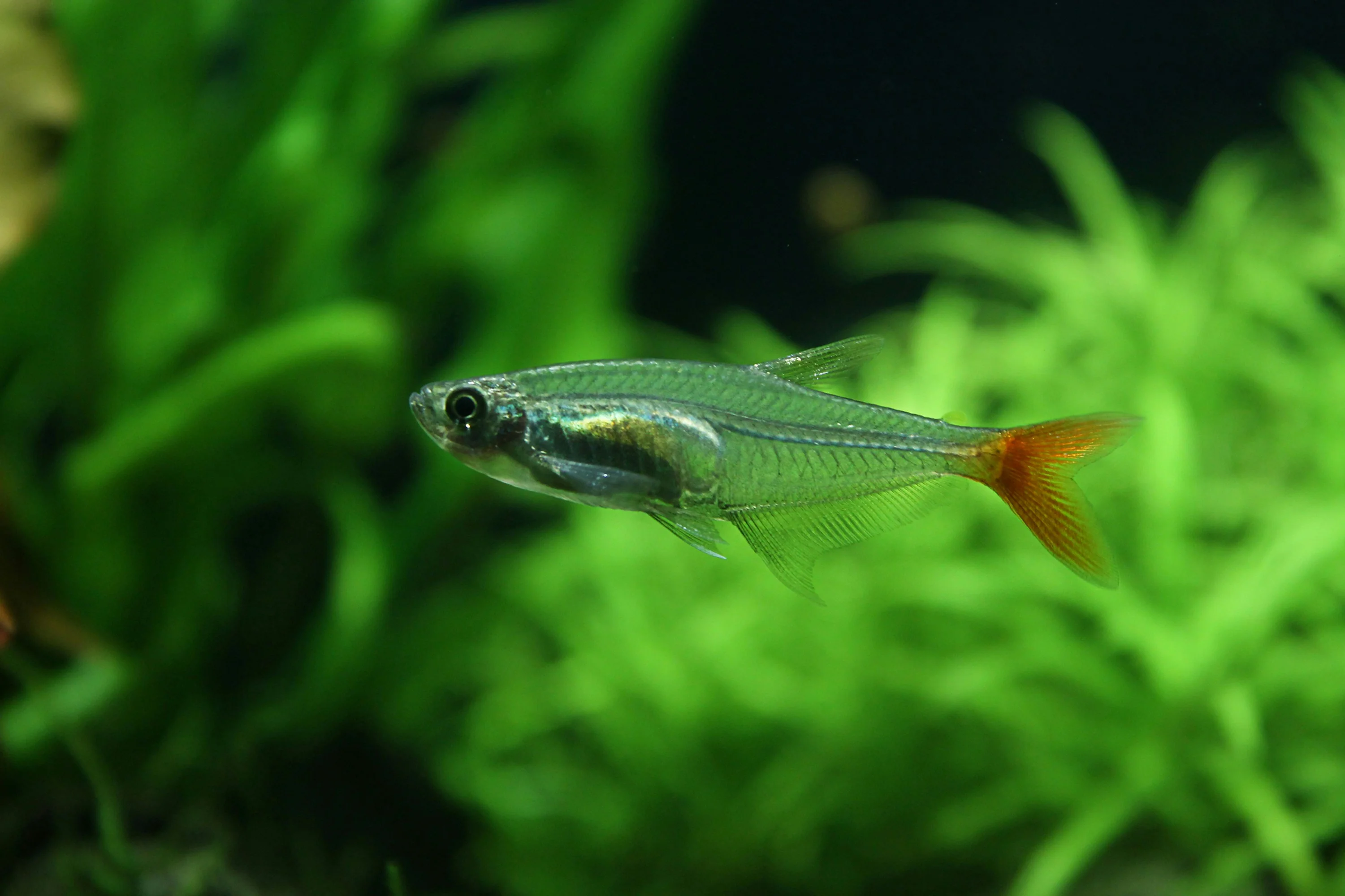
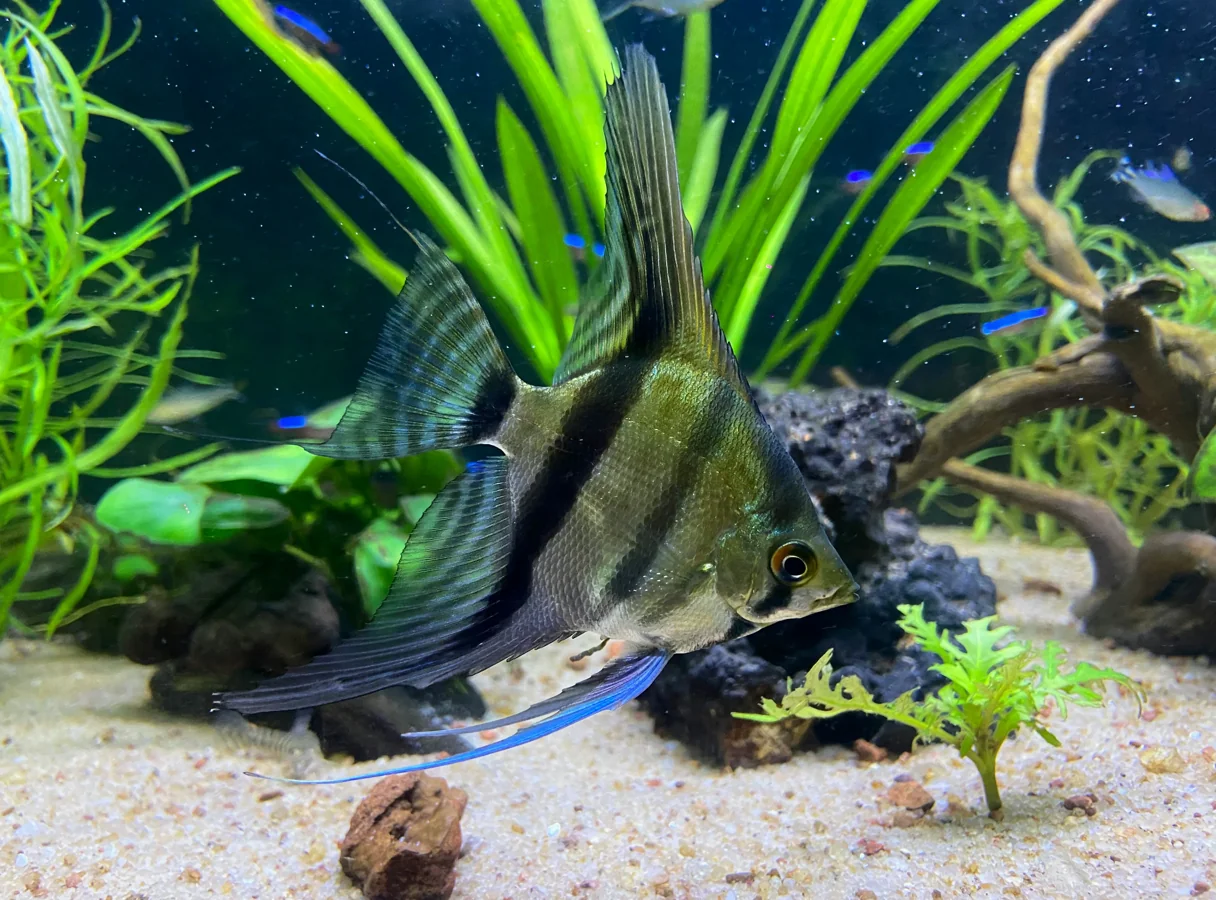
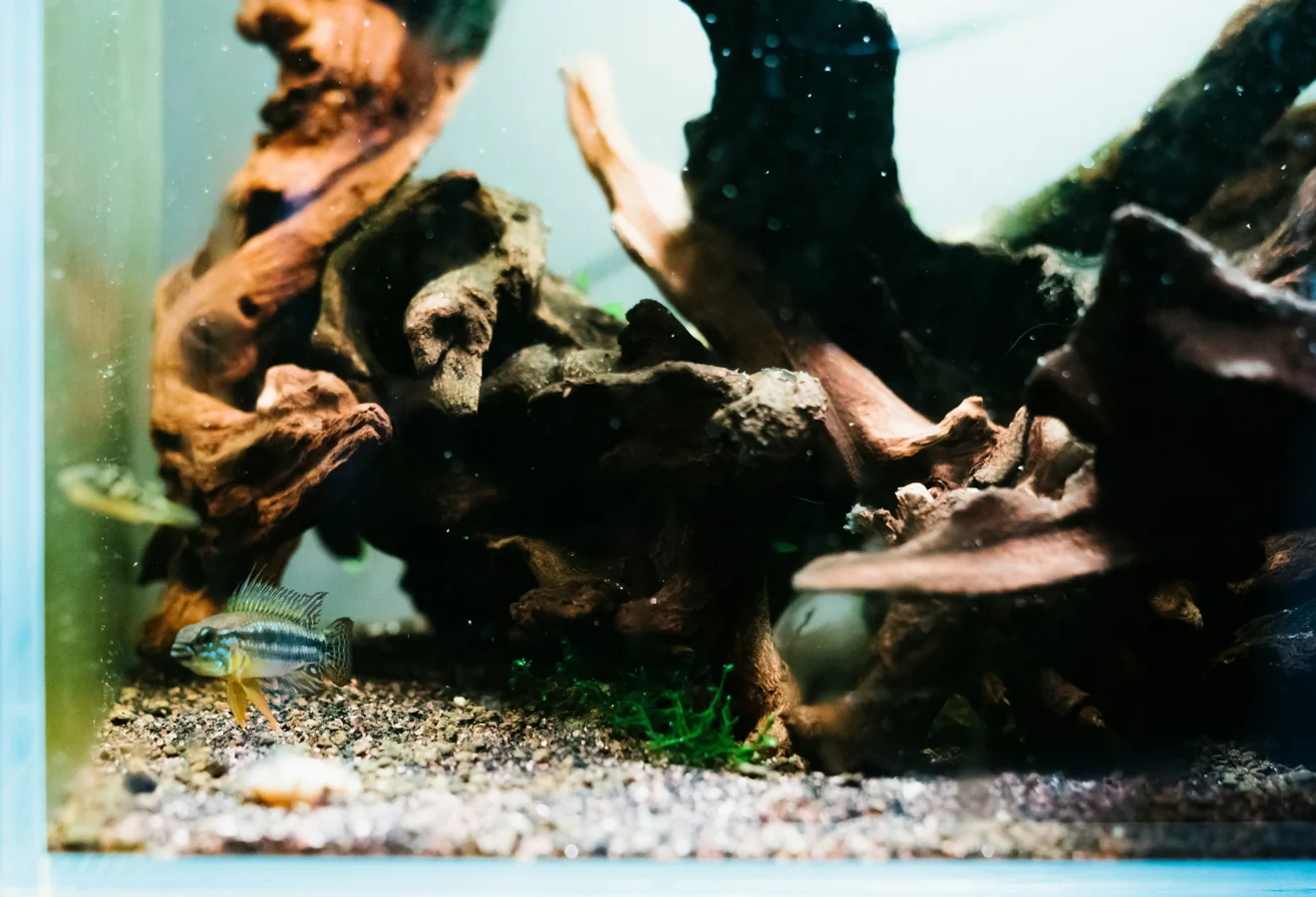
Species Comparison
| Feature | Horseface Loach | Kuhli Loach | Yoyo Loach | Clown Loach |
|---|---|---|---|---|
| Adult Size | 6 - 8 inches (15 - 20 cm) | 3 - 4 inches (7.5 - 10 cm) | 4 - 5 inches (10 - 13 cm) | 8 - 12 inches (20 - 30 cm) |
| Temperament | Peaceful; timid and nocturnal | Peaceful; extremely shy | Semi-aggressive; active and boisterous | Peaceful; social and active |
| Minimum Tank Size | 40 gallons (151 liters) | 20 gallons (76 liters) | 40 gallons (151 liters) | 75 gallons (284 liters) |
| Substrate Requirement | Deep fine sand 3-4 inches mandatory | Soft sand preferred; will burrow | Sand or fine gravel acceptable | Sand or smooth gravel |
| Activity Pattern | Nocturnal; buried by day | Nocturnal; hidden by day | Diurnal to crepuscular; active | Diurnal to crepuscular; very active |
| Optimal pH Range | 6.0 - 7.5 | 5.5 - 7.0 | 6.5 - 7.5 | 6.0 - 7.5 |
| Temperature Range | 72°F - 79°F (22°C - 26°C) | 75°F - 86°F (24°C - 30°C) | 75°F - 86°F (24°C - 30°C) | 75°F - 86°F (24°C - 30°C) |