
Banded Corydoras (Scleromystax barbatus)
Quick Answer
Banded Corydoras (Scleromystax barbatus), also known as the Bearded Cory or Giant Cory, is the largest species in the Corydoradinae subfamily, native to coastal drainages of southeastern Brazil. It requires a minimum 30 gallon (113 liter) aquarium with cool water temperatures of 68 to 74 degrees Fahrenheit (20 to 23 degrees Celsius), pH 6.0 to 7.5, and fine sand substrate. As a scaleless, bottom-dwelling omnivore, it is extremely sensitive to medications, salt, and rough substrate, and demands groups of 6 or more for natural social behavior.
Quick Facts
| Scientific Name | Scleromystax barbatus |
|---|---|
| Common Names | Banded Corydoras |
| Family | Callichthyidae |
| Genus | Scleromystax |
| Type | Freshwater |
| Temperament | peaceful |
| Care Difficulty | intermediate |
| Lifespan | 5 years |
| Maximum Size | Up to 3.9 in (10 cm) |
| Diet | Omnivore |
| Temperature | 61–75°F (16–24°C) |
| pH | 6–7.5 |
| Hardness | 2–12 dGH |
| Minimum Size | 30 gallons |
Key Takeaways
- Requires cool water between 68 and 74 degrees Fahrenheit (20 to 23 degrees Celsius); temperatures above 75 degrees Fahrenheit cause chronic stress and bacterial infections
- Reaches 3.5 to 4 inches (9 to 10 cm), making it the largest known Corydoradinae species
- Males develop distinctive facial bristles (beard) and elongated pectoral fin spines
- Fine sand substrate is mandatory; gravel causes barbel erosion and bacterial infection
- Scaleless skin makes them extremely sensitive to copper, salt, and most medications
- Female-led spawning behavior differs from typical Corydoras species
- Eggs are deposited near the water surface, sometimes almost out of the water
Overview
Species Overview
Natural History and Origin
The Banded Corydoras (Scleromystax barbatus), also known as the Bearded Cory, Giant Cory, or Barbatus Catfish, is one of the most distinctive and charismatic members of the Corydoradinae subfamily. Native to the coastal river basins of southeastern Brazil, specifically the tributaries of the Capivari, Inbomirim, and Guapi rivers between Rio de Janeiro and Santa Catarina, this species inhabits small flowing streams and still ponds with substrates of fine sand or fine pebbles often covered by mud. The type locality is Fazenda da Japuhyba near Angra dos Reis, Rio de Janeiro, at 22 degrees 59 minutes south latitude. These coastal drainages experience seasonal temperature fluctuations, with winter temperatures occasionally dropping below 60 degrees Fahrenheit (15 degrees Celsius), making this species uniquely adapted to cooler conditions than most tropical aquarium fish.
Taxonomic History and Scleromystax Classification
Scleromystax barbatus has undergone multiple taxonomic reclassifications since its original description as Callichthys barbatus by Quoy and Gaimard in 1824. It was later moved to Corydoras barbatus and finally to Scleromystax barbatus based on molecular phylogenetic studies by Alexandrou et al. (2011). The genus name derives from the Ancient Greek skleros (hard) and mystax (upper lip), while barbatus means bearded in Latin. Genetic analysis places Scleromystax as Lineage 3 within the Corydoradinae, distinct from the main Corydoras clade. Despite this well-established scientific classification, the aquarium hobby still widely uses the outdated name Corydoras barbatus. This taxonomic distinction matters because Scleromystax species have unique care requirements, including cool water preferences, male facial bristles, and female-led spawning behavior, that differ from true Corydoras species.
Physical Description
Adult Banded Corydoras reach 3.5 to 4 inches (9 to 10 cm) in standard length, making them the largest known species in the Corydoradinae subfamily. This size significantly exceeds the 2 to 2.5 inches (5 to 6 cm) typical of most Corydoras species. The body is robust and slightly elongated with a distinctive pattern of dark vertical bands or blotches on a silvery-tan background. Males display striking sexual dimorphism: they develop a brilliant gold or white stripe on the forehead against a black background, prominent brassy spots on the head and cheeks, two golden blotches on the upper caudal peduncle, and most distinctively, a row of bristles along the cheeks resembling a beard. These facial bristles are unique to males and absent in females. Males also possess greatly elongated pectoral fin spines and extended second and third dorsal rays, giving them an impressive, almost ungainly appearance. Females are larger-bodied, rounder, and display a more subdued pattern of irregular dark blotches on a creamy-tan background without the male's brilliant head stripe or facial bristles.
Conservation and Trade
Wild populations are listed as Not Evaluated by the IUCN. The aquarium trade includes both wild-caught specimens from Brazilian exporters and captive-bred stock from fish farms. Wild-caught fish often display more intense coloration and robust health, while captive-bred specimens (particularly F4 generations and beyond) tend to be more forgiving of slightly warmer temperatures. When purchasing, select fish with intact barbels, clear eyes, and active foraging behavior. Avoid fish with eroded barbels, faded coloration, or visible spinal deformities. Due to their larger size and specific cool-water requirements, they are less commonly available than standard Corydoras species and command a premium price.
Care
Aquarium Care Requirements
Tank Size and Dimensions
The absolute minimum tank size for a group of Banded Corydoras is 30 gallons (113 liters) with a footprint of at least 30 by 12 inches (75 by 30 cm). However, given their large adult size of 3.5 to 4 inches (9 to 10 cm), a 40-gallon breeder (151 liters, 36 by 18 inches or 91 by 46 cm) or 55-gallon (208 liter) tank is strongly recommended for groups of 6 to 8. Seriously Fish recommends minimum base dimensions of 48 by 18 inches (120 by 45 cm) for optimal long-term health. These are active, sizable bottom-dwellers that require significant horizontal space for natural foraging behavior. Inadequate space triggers stress, stunted growth, and increased male aggression. Tank height is secondary; a standard 12 to 16 inch (30 to 41 cm) water column is sufficient.
Filtration and Water Flow
Use a powerful sponge filter, canister filter, or hang-on-back filter rated for at least 4 to 5 times the tank volume per hour. Banded Corydoras inhabit flowing streams in the wild and appreciate moderate water movement with high oxygenation. However, flow must not be so strong that it prevents them from resting on the substrate. Position filter outflows to create gentle circulation across the tank bottom. Add an air stone or sponge filter to enhance oxygenation, particularly important given their cool water preferences (cooler water holds more oxygen, but their active metabolism demands it). Always cover filter intakes with coarse foam to protect their long pectoral fin spines and barbels from being drawn into the filter.
Substrate Requirements
Fine sand is mandatory. Use pool filter sand, play sand (rinsed thoroughly until water runs clear), or specialized aquarium sand with grain size of 0.5 to 2 mm. Maintain a depth of 1 to 2 inches (2.5 to 5 cm) to allow natural burrowing and sifting behavior. Never use coarse gravel, crushed coral, or sharp pebbles as the primary substrate. The delicate barbels of Banded Corydoras are easily abraded by rough substrates, leading to barbel erosion, bacterial infection, and often fatal secondary complications. Research and breeder experience consistently demonstrate that fish maintained over fine sand are significantly less susceptible to barbel rot and mouth infections compared to those kept on gravel. The substrate should be kept scrupulously clean through regular gravel vacuuming during water changes; decomposing organic matter in the sand harbors bacteria that attack barbels.
Hardscape and Hiding Spots
Provide ample hiding spots and visual barriers using driftwood, smooth rocks, caves, and robust plants. Banded Corydoras are shade-loving bottom-dwellers that require dark refuge zones to feel secure. Smooth, rounded driftwood and river rocks are preferred; sharp or jagged edges can tear their delicate barbels and fin membranes. Create multiple caves and hiding spots, particularly if keeping more than one male, as subordinate males need refuge from dominant individuals. PVC pipes buried in the sand with silicone-coated exteriors provide excellent, safe hiding tunnels.
Plant Recommendations
Plant with Cryptocoryne, Anubias, Java fern, and Amazon sword, which provide shade and cover without requiring bright light that stresses these bottom-dwelling fish. Robust stem plants such as Cryptocoryne balansae and Vallisneria add vertical structure. Floating plants such as Amazon frogbit, water sprite, and duckweed are valuable for diffusing overhead light and creating the dappled shade patterns of their natural habitat. Avoid delicate plants that may be uprooted during enthusiastic foraging.
Lighting
Maintain moderate lighting for 8 to 10 hours daily with ample shaded areas. Bright, unfiltered overhead light causes stress in these bottom-dwelling, shade-preferring fish. Use dimmable LED fixtures or rely on floating plants and hardscape to create dark refuge zones. A photoperiod with gradual dawn and dusk simulation reduces stress and encourages natural behavior.
Common Care Mistakes
- Using gravel or crushed coral substrate: Causes barbel erosion, bacterial infection, and death.
- Maintaining tropical temperatures above 75 degrees Fahrenheit (24 degrees Celsius): Causes chronic stress, bacterial infections, and shortened lifespan.
- Insufficient group size: Groups under 6 cause chronic stress, hiding, and suppressed immune function.
- Inadequate sinking food: Surface feeders consume all food before it reaches the bottom, causing starvation.
- Using salt or copper medications: Their scaleless skin absorbs these rapidly, causing lethal damage.
- Keeping multiple males in small tanks: Male territoriality leads to fighting and injury in under 40 gallons.
Diet
Diet and Feeding Protocol
Nutritional Requirements
Banded Corydoras are benthic omnivores with a dietary composition targeting 35 percent protein, 10 percent fat, and 55 percent plant matter and fiber. In the wild, they are active foragers that sift through sand to consume insect larvae, small crustaceans, worms, plant detritus, and algae. In captivity, they require a varied diet of high-quality sinking foods. They are not scavengers that can survive on leftovers from other fish; they must receive dedicated, appropriate food.
Recommended Foods
- Staple: High-quality sinking pellets or wafers specifically formulated for bottom-feeding catfish. Look for products containing fish meal, shrimp meal, spirulina, and vegetable matter. Hikari Sinking Wafers, Tetra Tablets, and New Life Spectrum Thera-A are excellent choices.
- Protein supplement (3 to 4 times weekly): Frozen bloodworms (chopped into 0.25 inch or 6 mm pieces), Mysis shrimp, brine shrimp, and daphnia. Live blackworms, white worms, and chopped earthworms are excellent conditioning foods for breeding pairs.
- Plant matter (weekly): Algae wafers, spirulina tablets, and blanched vegetables including cucumber, zucchini, spinach, and peas (shelled). Plant fiber supports digestive health and prevents constipation.
- Live prey (occasional): Live blackworms and chopped earthworms stimulate natural foraging behavior and are excellent for bringing fish into breeding condition.
Feeding Schedule
Feed small portions once or twice daily, offering only what the group can consume within 3 to 5 minutes. Their large size and active metabolism require substantial food, but overfeeding fouls the substrate and promotes bacterial growth. Ensure food reaches the bottom within 30 seconds; slowly sinking food will be consumed by mid-water fish before it reaches the corydoras. Target feed by placing wafers and pellets directly on the substrate in multiple locations to allow subordinate fish access. Fast the tank one day per week to clear digestive tracts and reduce waste accumulation.
Critical Feeding Note: Bottom-Targeted Delivery
The most common feeding mistake with Banded Corydoras is assuming they will scavenge leftovers from other fish. They are active foragers, not passive scavengers. In community tanks with tetras, rasboras, or danios, surface and mid-water fish will consume all floating and slowly sinking food before it reaches the substrate. The corydoras will then starve while appearing active and healthy. You must use rapidly sinking wafers or tablets and place them directly on the substrate in multiple zones. Observe that corydoras are actively eating the delivered food. If they ignore offered food, check water parameters and health status immediately.
Foods to Avoid
- Exclusively flake foods: Flakes rarely reach the bottom in sufficient quantity and lack the fiber content corydoras need.
- Large pellets exceeding 5 mm: Difficult for them to consume and will foul the substrate.
- Beef heart and mammalian proteins: They cannot metabolize mammalian lipids effectively, leading to fatty liver disease.
- Generic low-quality wafers: Excessive fillers and low-quality protein sources cause nutritional deficiencies.
Expert Tip: Breeding Conditioning
To bring Banded Corydoras into spawning condition, increase live food proportions to 50 percent of the diet for 2 weeks. Feed live blackworms, chopped earthworms, and bloodworms daily. This high-protein conditioning triggers gamete development and intensifies male coloration and beard display.
Health
Health, Disease, and Treatment Protocols
General Health Considerations
Banded Corydoras are moderately hardy but suffer from several health vulnerabilities specific to their biology. Their scaleless skin makes them extremely sensitive to medications, salt, and copper. Their delicate barbels are prone to erosion from rough substrate, which opens a gateway for bacterial infections. Their cool water preference means they are stressed and immunocompromised in standard tropical temperatures. Preventive care through proper substrate, stable cool water, high-quality diet, and strict quarantine is far more effective than any treatment once disease manifests.
Medication Sensitivity
Banded Corydoras are extremely sensitive to copper-based medications; concentrations above 0.1 mg per liter are lethal. They are also highly sensitive to formalin, which causes severe gill damage. Malachite green must be dosed at quarter strength (0.025 mg per liter) if used at all. Salt is absolutely contraindicated; their scaleless skin absorbs sodium rapidly, causing osmotic shock and organ failure. Praziquantel is safe for internal parasites. Metronidazole at half-strength is safe for internal flagellates and bacterial infections. Always prefer medicated foods over water-borne treatments for freshwater fish, as they do not drink and absorb dissolved medications poorly through the skin and gills. For bacterial infections, use antibiotic food (kanamycin or erythromycin) rather than water treatments.
Preventive Health Measures
- Quarantine all new fish for 21 days minimum.
- Maintain nitrates below 15 ppm through weekly 25 percent water changes.
- Use fine sand substrate exclusively; never use gravel or crushed coral.
- Ensure food reaches the bottom; malnutrition weakens immune function.
- Source fish from reputable breeders to avoid inbred or diseased stock.
- Monitor barbel condition daily; early erosion is the first sign of substrate or water quality problems.
- Maintain temperature below 75 degrees Fahrenheit (24 degrees Celsius) at all times.
Barbel Erosion and Mouth Rot
Damage to the delicate sensory barbels around the mouth, typically caused by substrate abrasion, which progresses to bacterial infection of the mouth and surrounding tissue.
- Shortened, frayed, or completely missing barbels; red or inflamed mouth tissue; white or grayish patches around the mouth resembling cotton wool; loss of appetite; lethargy; fish may stop sifting substrate.
Primary cause is substrate abrasion from coarse gravel, crushed coral, or sharp decor. Secondary bacterial infection by Aeromonas or Pseudomonas enters through damaged barbel tissue. Poor water quality with elevated ammonia or nitrite exacerbates the condition. Malnutrition from inadequate sinking foods weakens immune response.
Use fine sand substrate exclusively. Perform weekly 25 percent water changes. Feed high-quality sinking foods daily. Treat with antibiotic food (kanamycin or erythromycin) for 14 days if bacterial infection is present. Add Indian almond leaves to provide mild antimicrobial tannins. Barbel regrowth is possible if caught early.
Ichthyophthirius multifiliis (Ich or White Spot Disease)
A common protozoan parasite causing white salt-grain-like spots on the body and fins, particularly dangerous in scaleless fish due to limited treatment options.
- Small white cysts covering body, fins, and gills; rubbing against decor (flashing); rapid breathing; clamped fins; lethargy in advanced stages.
Introduction via new fish, plants, or equipment. Triggered by temperature fluctuations and stress-induced immunosuppression.
Quarantine all additions. Maintain stable temperature between 70 and 74 degrees Fahrenheit (21 to 23 degrees Celsius). Treat with gradual temperature increase to 78 degrees Fahrenheit (25.5 degrees Celsius) combined with half-dose malachite green (0.025 mg per liter). Never use copper-based treatments. Perform daily 15 percent water changes during treatment.
Fin Rot (Aeromonas, Pseudomonas species)
Bacterial degradation of fin tissue, typically beginning at the edges and progressing toward the body.
- Frayed, ragged, or receding fin edges with white, red, or black discoloration. In severe cases, fin tissue erodes to the fin base and may progress to body rot.
Poor water quality, especially elevated nitrates and organic waste. Often triggered by fighting between males, rough decor, or strong filter suction damaging fins.
Perform weekly 25 percent water changes. Remove rough or jagged decor. Cover filter intakes with foam guards. Treat with antibiotic food (kanamycin or erythromycin) for 14 days. Ensure all hardscape has smooth, rounded edges.
Velvet Disease (Piscinoodinium pillulare)
A dinoflagellate parasite causing a fine yellow-gold dusting on the skin, particularly dangerous in scaleless fish due to limited safe treatment options.
- Fine yellow or gold dust covering the body, giving a velvety appearance; scratching against objects; rapid gill movement; clamped fins; lethargy. Often harder to see than ich on tan-colored fish.
Introduction via new fish or plants. Thrives in temperatures below 70 degrees Fahrenheit (21 degrees Celsius) and poor water quality.
Quarantine all additions. Raise temperature to 78 degrees Fahrenheit (25.5 degrees Celsius) and treat with acriflavine or copper-free anti-parasitic medication. Increase aeration during treatment. Dim lights, as the parasite contains photosynthetic pigments. Never use copper-based treatments.
Internal Parasites (Nematodes, Flagellates)
Parasitic infections of the intestinal tract, common in fish fed live foods from questionable sources.
- White, stringy feces; loss of appetite; weight loss despite normal feeding; lethargy; darkening coloration; visible worms in feces in severe cases.
Introduction via contaminated live foods, particularly tubifex worms, blackworms, or daphnia from outdoor sources. Poor water quality and stress weaken immune response.
Quarantine all live foods by freezing for 48 hours before feeding. Source live foods from reputable breeders. Treat with praziquantel in food for 5 days or metronidazole at half-strength for 10 days. Maintain nitrates below 15 ppm.
Temperature Stress and Bacterial Infection
Chronic physiological stress caused by sustained temperatures above 75 degrees Fahrenheit (24 degrees Celsius), leading to immunosuppression and secondary bacterial infection.
- Faded coloration; clamped fins; lethargy; loss of appetite; rapid breathing; red or inflamed gills; open sores or ulcers on the body. Symptoms develop gradually over 1 to 2 weeks of exposure to elevated temperature.
Sustained water temperature above 75 degrees Fahrenheit (24 degrees Celsius). These fish evolved in cool coastal streams and lack the physiological adaptations to thrive in standard tropical temperatures. Chronic heat stress suppresses immune function, allowing normally harmless bacteria to become pathogenic.
Maintain temperature between 68 and 74 degrees Fahrenheit (20 to 23 degrees Celsius) at all times. Use a reliable heater with a thermostat set to 72 degrees Fahrenheit (22 degrees Celsius) maximum. In summer, use fans or chillers to prevent temperature spikes. If temperature stress is detected, gradually lower temperature by 1 degree Fahrenheit (0.5 degrees Celsius) per day until the optimal range is reached. Treat secondary bacterial infections with antibiotic food.
Breeding
Breeding Banded Corydoras
Breeding Overview
Banded Corydoras are egg depositor catfish that breed readily in captivity when properly conditioned and triggered. Their breeding behavior is fascinating and differs from typical Corydoras species in several key ways: the female takes charge of the spawning ritual, eggs are deposited unusually close to the water surface, and males develop prominent facial bristles during breeding condition. Success requires cool water, heavy feeding, and a specific environmental trigger simulating seasonal rainfall.
Parent Selection and Conditioning
Select sexually mature fish at least 12 months old, measuring 2.5 inches (6 cm) or larger. Males display elongated pectoral fin spines, a prominent gold or white forehead stripe against a black background, and distinctive facial bristles along the cheeks. Females are larger, rounder-bodied, and lack the male's brilliant head coloration and beard. Maintain a ratio of 1 male to 2 females; this reduces male harassment of any single female. Condition the group for 2 to 3 weeks with live blackworms, bloodworms, chopped earthworms, and high-quality sinking pellets. Feed heavily twice daily. Maintain water temperature at 72 to 74 degrees Fahrenheit (22 to 23 degrees Celsius) during conditioning.
Environmental Trigger: Simulating the Rainy Season
In the wild, Banded Corydoras breed during the rainy season when heavy rainfall causes sudden influxes of cool, fresh water into their coastal streams. To trigger spawning in captivity, follow this protocol:
- Step 1 (Dry season simulation): Lower the water level to 5 inches (12 cm) and raise the temperature to 74 degrees Fahrenheit (23 degrees Celsius) for 7 days. This simulates the dry season pool conditions.
- Step 2 (Rainfall trigger): Perform a 50 to 70 percent water change with cool reverse osmosis or dechlorinated water at 60 to 65 degrees Fahrenheit (15 to 18 degrees Celsius) over 2 hours. The sudden temperature drop and influx of fresh water mimics seasonal rainfall.
- Step 3 (Increased flow): Increase aeration and water flow during and after the water change. The increased oxygen and current simulate stream conditions after rainfall.
Spawning typically begins within 2 to 6 hours of the water change and may continue for 24 to 48 hours.
Female-Led Spawning Behavior
Unlike typical Corydoras where males encircle the female, Scleromystax barbatus exhibits female-led spawning. The female takes charge, swimming back and forth with the males, selecting the spawning site, and initiating the T-position. When ready, the female adopts the classic Corydoras T-position with a male, pressing her abdomen against his side to receive sperm. She then rests on one pectoral fin while fanning the sperm over her eggs with the other fin, a behavior unique to this species. She deposits 100 to 200 adhesive eggs on the aquarium glass, plant leaves, or spawning mops.
Egg Placement and Collection
A unique characteristic of Banded Corydoras is that eggs are deposited unusually close to the water surface, often within 1 inch (2.5 cm) of the top and sometimes almost out of the water. This behavior is rarely mentioned by competitors but is critical for successful breeding. The eggs are large, approximately 2 mm in diameter, and adhesive. Remove parents immediately after spawning to prevent egg predation. Add 2 to 3 drops of methylene blue or an alder cone to the egg container to prevent fungal infection. Alternatively, move the eggs to a separate hatching container with gentle aeration.
Egg and Fry Development
Eggs hatch in 4 to 5 days at 70 degrees Fahrenheit (21 degrees Celsius). Newly hatched fry are approximately 0.3 inches (8 mm) and immediately begin searching for food. They absorb their yolk sacs for 2 days, then require infusoria for 3 days. Transition to microworms, vinegar eels, and finally baby brine shrimp after day 7. By day 14, they will accept powdered high-quality flake food. Growth is rapid but uneven; this is normal. Maintain a thin layer of fine sand in the fry tank; bare-bottom setups increase disease susceptibility. Perform daily 10 percent water changes with aged, temperature-matched water. Sexual differentiation begins at 8 to 10 months, with males beginning to show facial bristles and elongated fins by 12 months.
Water Parameters for Breeding
For optimal breeding success, maintain pH 6.5, 2 to 4 dGH, and temperature at 70 to 72 degrees Fahrenheit (21 to 22 degrees Celsius) during the conditioning and spawning period. The cool water trigger is essential; attempts to breed at standard tropical temperatures above 75 degrees Fahrenheit (24 degrees Celsius) almost always fail.
Tips
Expert Tips and Advanced Care
The Scleromystax vs Corydoras Distinction
Most competitors and even some retailers still label this fish as Corydoras barbatus. This outdated nomenclature matters because Scleromystax species have unique care requirements that differ from true Corydoras. Key distinctions include: significantly larger adult size (up to 4 inches versus 2 to 2.5 inches); male facial bristles absent in true Corydoras; female-led spawning behavior rather than male-encircled spawning; and a stronger preference for cool water. When researching care information, search for both names but prioritize sources that recognize the Scleromystax classification, as they are more likely to provide accurate temperature and behavioral guidance.
Cool Water: The Non-Negotiable Parameter
The single most common mistake in Banded Corydoras care is maintaining them at standard tropical temperatures of 76 to 78 degrees Fahrenheit (24 to 26 degrees Celsius). These fish evolved in cool coastal Brazilian streams where winter temperatures drop below 60 degrees Fahrenheit (15 degrees Celsius). Sustained temperatures above 75 degrees Fahrenheit (24 degrees Celsius) cause chronic stress, immunosuppression, and a cascade of health problems including bacterial infections, fin rot, and premature death. They are not tropical fish. Ideal tanks are unheated rooms, basement fishrooms, or cool-water setups maintained between 68 and 72 degrees Fahrenheit (20 and 22 degrees Celsius). In summer, use cooling fans, reduce lighting hours, or employ an aquarium chiller to prevent temperature spikes. This cool-water requirement makes them incompatible with standard tropical community tanks housing discus, angelfish, or most tetras at 78 degrees Fahrenheit (26 degrees Celsius).
Barbel Monitoring as Daily Health Check
The condition of the barbels is your most reliable daily health indicator. Healthy barbels are long, fleshy, and intact. Any shortening, fraying, or redness at the base indicates substrate damage or early bacterial infection. Check barbels every morning during feeding; this 10-second observation catches problems before they become life-threatening. If you notice barbel erosion, immediately evaluate your substrate, perform a water change, and begin treatment.
Male Management in Community Tanks
If you wish to keep multiple males, you must provide a tank of at least 55 gallons (208 liters) with multiple caves, driftwood piles, and visual barriers. Even then, a dominant male will establish himself and may harass subordinates. The safest approach for most aquarists is a single male with 2 to 4 females. This eliminates male aggression while still providing the social stimulation females need. If you observe torn fins or chasing between males, separate them immediately or upgrade the tank.
Substrate Cleaning Protocol
Fine sand harbors bacteria and decomposing organic matter that can attack barbels. During weekly water changes, use a gravel vacuum to stir the top 0.5 inch (1 cm) of sand, removing detritus without removing the sand itself. This prevents anaerobic bacterial pockets from forming while maintaining the substrate depth the fish need for natural behavior. Never allow uneaten food to remain on the substrate for more than 2 hours.
Quarantine for Scaleless Catfish
Quarantine tanks for Banded Corydoras must maintain cool water parameters matching their display tank. Use a sponge filter, heater set to 72 degrees Fahrenheit (22 degrees Celsius) maximum, and fine sand substrate. Provide a cave or hiding spot to reduce stress. Quarantine for 21 days, feeding high-quality sinking foods and observing for barbel erosion, ich, and internal parasites. Treat prophylactically with half-strength methylene blue if fish appear stressed. Never use copper, salt, or formalin in the quarantine tank.
Acclimation for Cool-Water Fish
When introducing Banded Corydoras to a new tank, temperature matching is critical. Float the sealed bag for 20 to 30 minutes to equalize temperature, then perform drip acclimation for 45 to 60 minutes. Match pH within 0.3 units and temperature within 1 degree Fahrenheit (0.5 degrees Celsius). Sudden temperature increases above 75 degrees Fahrenheit (24 degrees Celsius) during acclimation can trigger immediate stress responses. If receiving shipped fish in winter, warm the bag gradually over 45 minutes rather than floating it in a warm tank.
Common Expert Mistakes to Avoid
- Using gravel or crushed coral substrate: Causes barbel erosion, the leading cause of death in corydoras.
- Maintaining tropical temperatures: Temperatures above 75 degrees Fahrenheit cause chronic stress and bacterial infections.
- Using copper or salt medications: Lethal to scaleless fish; use antibiotic food and half-strength methylene blue instead.
- Keeping multiple males in small tanks: Results in severe fighting, injury, and death.
- Feeding only surface foods: Corydoras starve while other fish consume all food before it reaches the bottom.
- Ignoring barbel condition: Barbel erosion is the first sign of a problem; daily monitoring is essential.
- Skipping quarantine: Commercial corydoras frequently carry subclinical bacterial infections and internal parasites.
Compatible Tank Mates
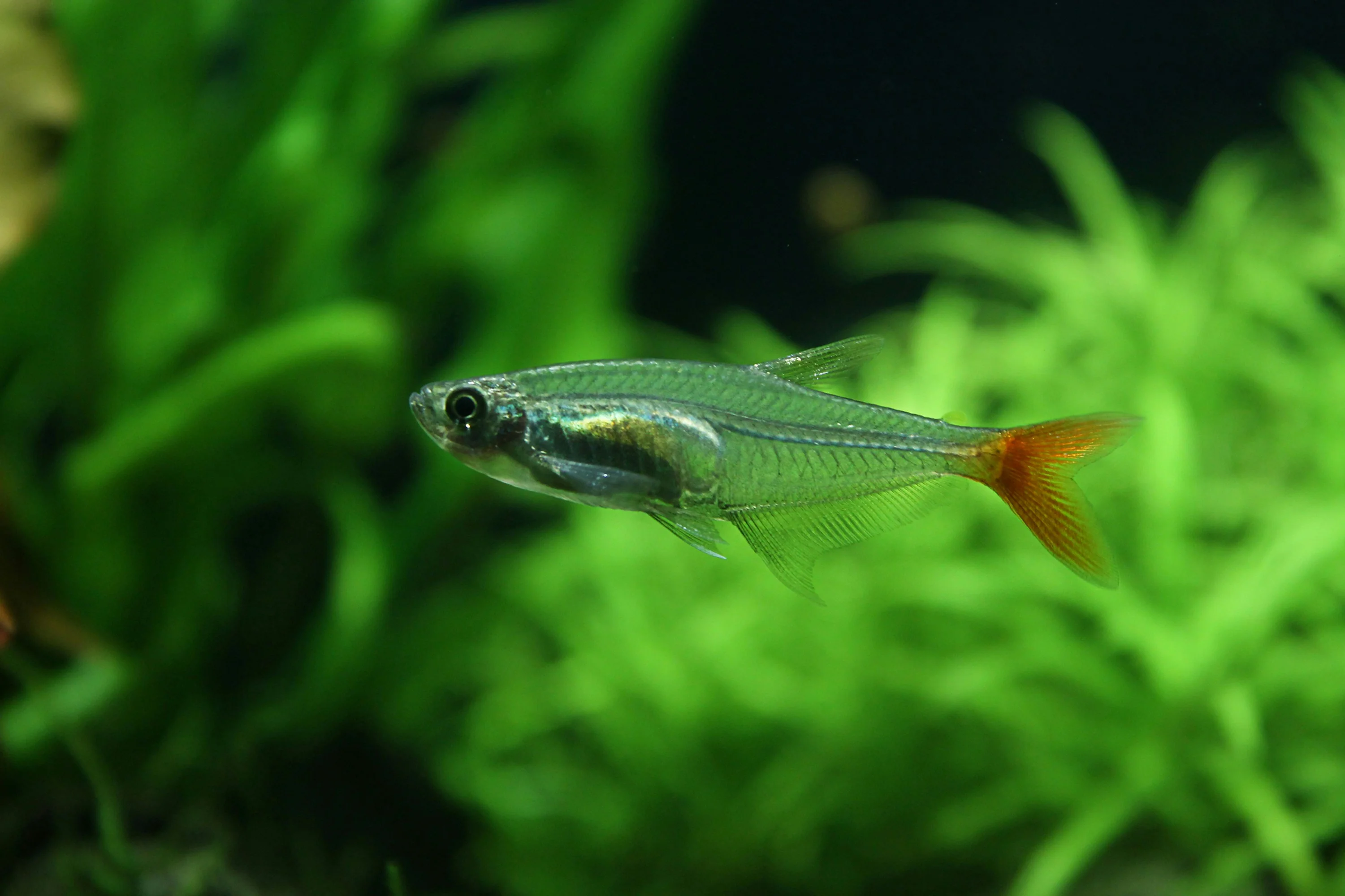
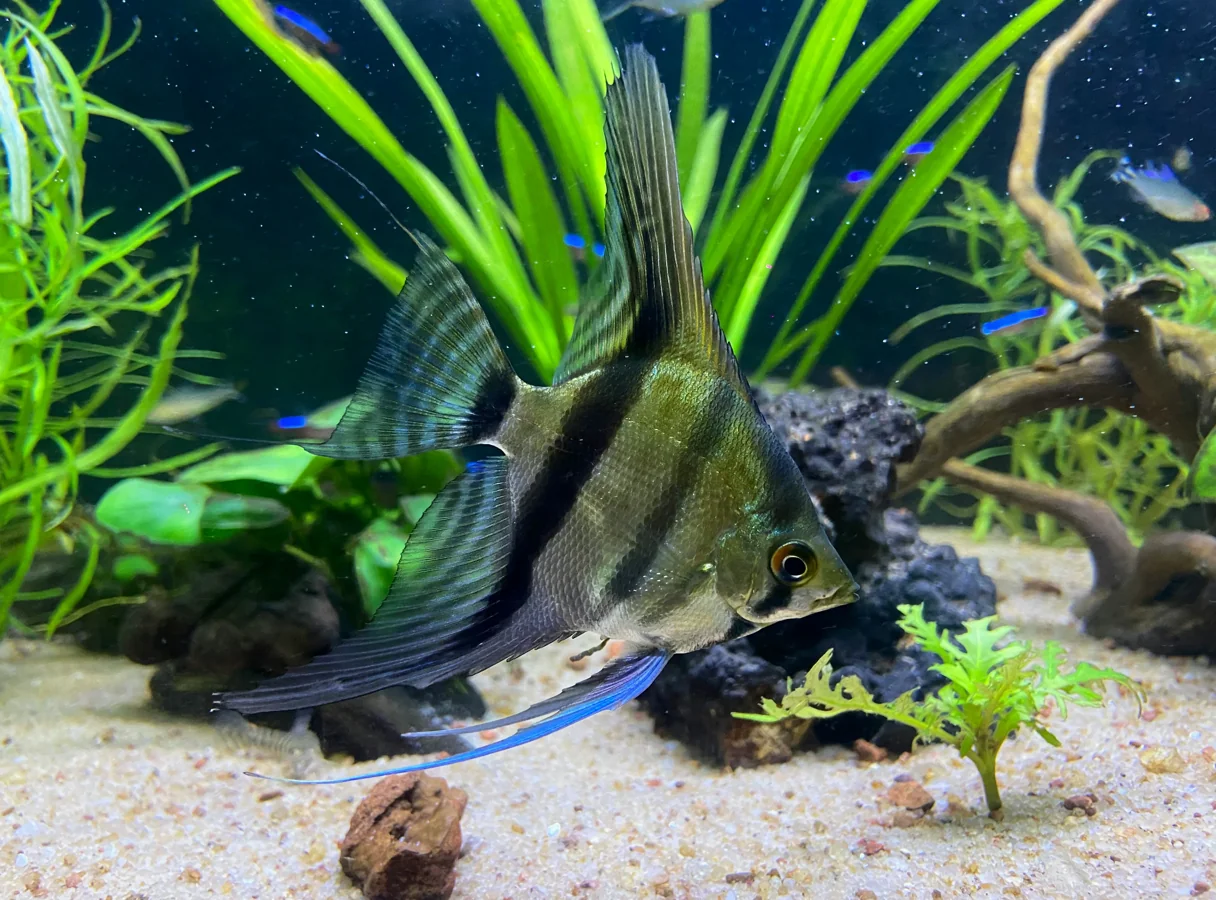
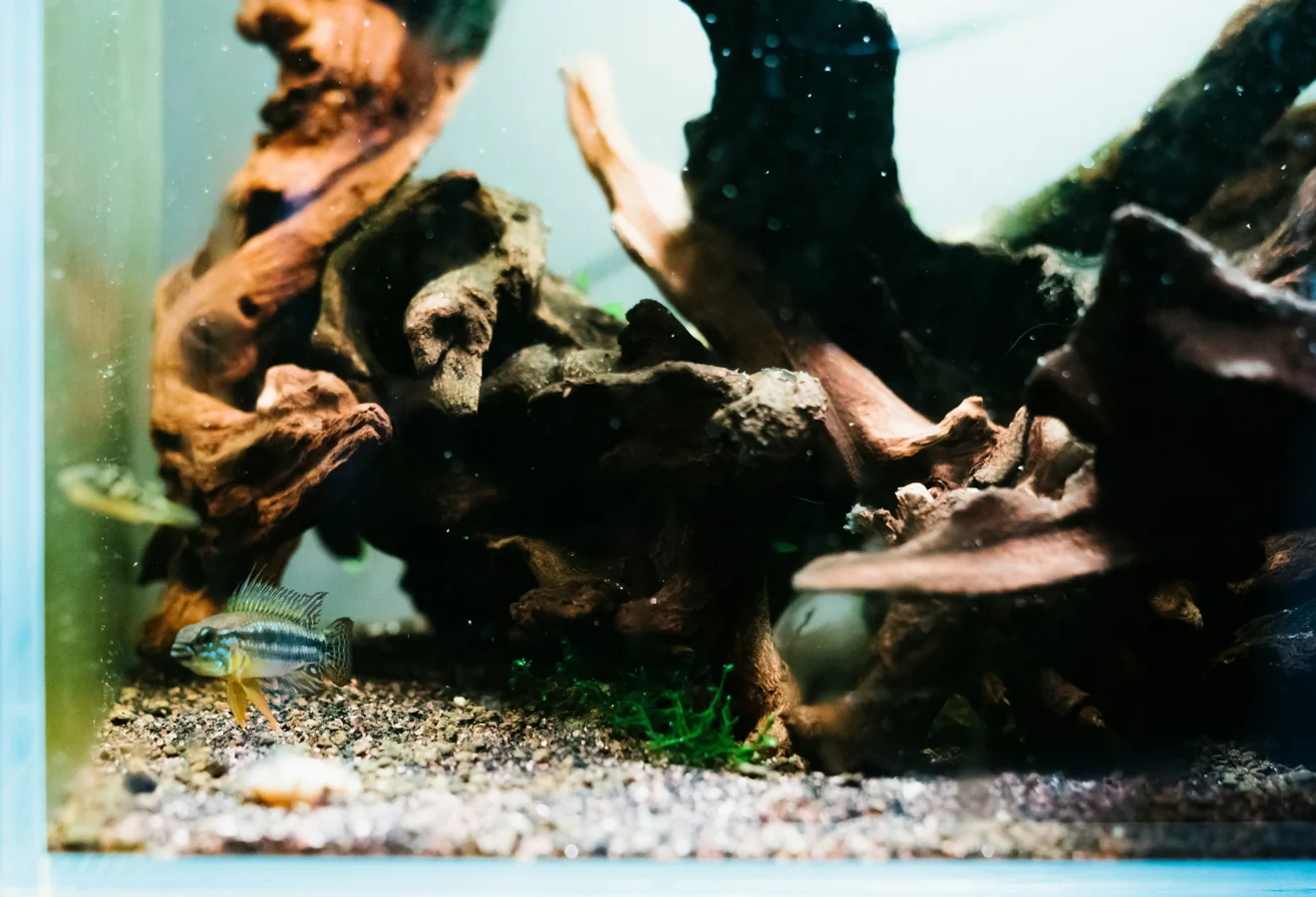
Banded Corydoras vs Similar Corydoradinae Species Comparison
| Feature | Banded Corydoras | Bronze Corydoras | Panda Corydoras | Sterbai Corydoras |
|---|---|---|---|---|
| Scientific Name | Scleromystax barbatus | Corydoras aeneus | Corydoras panda | Corydoras sterbai |
| Adult Size | 3.5-4.0 in (9-10 cm) | 2.5-3.0 in (6-8 cm) | 2.0-2.5 in (5-6 cm) | 2.5-3.0 in (6-8 cm) |
| Temperament | Peaceful; males territorial | Peaceful, social | Peaceful, social | Peaceful, social |
| Minimum Tank Size | 30 gal (113 L) | 20 gal (75 L) | 10 gal (38 L) | 20 gal (75 L) |
| Temperature Range | 61-75 F (16-24 C) | 72-79 F (22-26 C) | 68-77 F (20-25 C) | 72-79 F (22-26 C) |
| pH Range | 6.0-7.5 | 6.0-8.0 | 6.0-7.0 | 6.0-7.5 |
| Diet | Omnivore; sinking wafers, live, frozen, vegetables | Omnivore; sinking pellets, wafers, live, frozen | Omnivore; micro-pellets, flakes, live, frozen | Omnivore; sinking pellets, wafers, live, frozen |
| Hardiness | Moderate; needs cool water | Very hardy; forgiving | Moderate; sensitive to heat | Hardy; adaptable |
| Special Features | Bearded male bristles; female-led spawning; largest cory | Classic beginner cory; bronze metallic sheen | Black and white panda markings; small size | Orange fin rays; spotted body; heat tolerant |
| Substrate Requirement | Fine sand mandatory; gravel causes barbel erosion | Sand preferred; tolerates smooth gravel | Sand preferred; tolerates smooth gravel | Sand preferred; tolerates smooth gravel |