
Odessa Barb (Pethia padamya)
Quick Answer
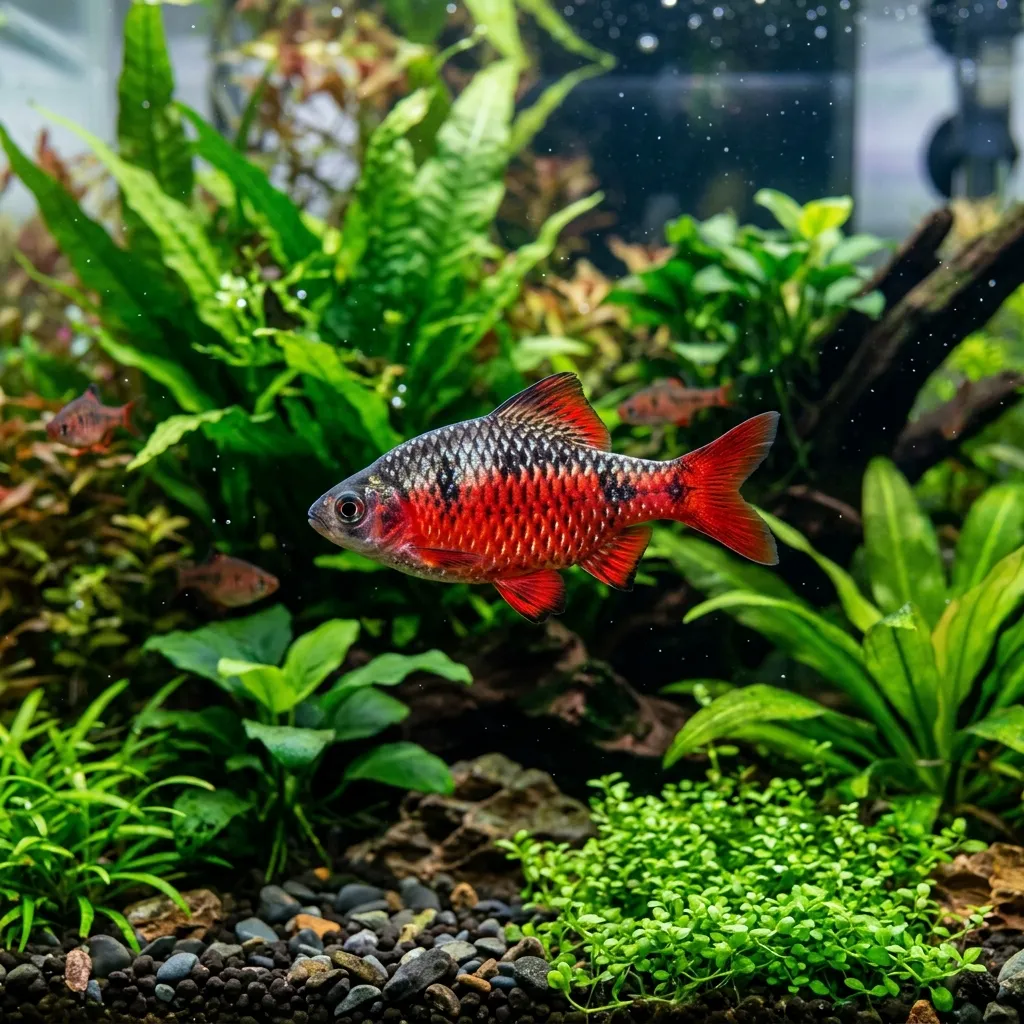
Odessa Barb (Pethia padamya) is a striking, underrated cyprinid from Myanmar recognized by the male's vivid crimson-red lateral stripe. It requires a minimum 30 gallon (113 liter) aquarium with a pH of 6.5 to 8.5 and temperature range of 68 to 79 degrees Fahrenheit (20 to 26 degrees Celsius). This hardy, peaceful omnivore thrives in schools of 8 or more with dark substrate, moderate lighting, and well-oxygenated water. It tolerates cooler temperatures and may not require a heater in many homes.
Quick Facts
| Scientific Name | Pethia padamya |
|---|---|
| Common Names | Odessa Barb |
| Family | Cyprinidae |
| Genus | Pethia |
| Type | Freshwater |
| Temperament | peaceful |
| Care Difficulty | beginner |
| Lifespan | 5 years |
| Maximum Size | Up to 2.5 in (6 cm) |
| Diet | Omnivore |
| Temperature | 68–79°F (20–26°C) |
| pH | 6.5–8.5 |
| Hardness | 5–20 dGH |
| Minimum Size | 30 gallons |
Key Takeaways
- Known for males displaying a vivid crimson-red lateral stripe unrivaled at its price point.
- Requires at least a 30 gallon (113 liter) aquarium with dark substrate and moderate lighting.
- Cooler-water species thriving at 68 to 79 degrees Fahrenheit; may not need a heater.
- Formally described as Pethia padamya in 2008; previously misidentified as Puntius ticto.
- Egg scatterer that breeds readily with cooler-water partial changes triggering spawning.
- Requires higher oxygenation than typical tropical fish; provide surface agitation.
- Susceptible to Camallanus worms; quarantine and observe for red threads at the vent.
Diet
Diet and Feeding Protocol
Natural Diet
In the wild, Odessa Barbs forage on small invertebrates, insect larvae, algae, and plant matter. They are enthusiastic surface and mid-water feeders that quickly learn your feeding routine.
Captive Diet Composition
You must provide a balanced omnivorous diet consisting of approximately 40% protein, 10% fat, and 50% plant matter. Feed two to three times daily with portions consumed within 2 to 3 minutes.
- Staple Foods: High-quality tropical flakes or micro-pellets with both protein and plant-based ingredients. Look for foods containing spirulina and color-enhancing carotenoids.
- Protein Supplements: Frozen or live bloodworms, brine shrimp, daphnia, and blackworms offered 3 to 4 times weekly. These protein-rich foods are essential for conditioning breeding adults and bringing out the males' deepest red coloration.
- Plant Matter: Spirulina flakes, algae wafers, and blanched vegetables such as zucchini or spinach offered once weekly.
Feeding Behavior
Odessa Barbs are enthusiastic feeders that will quickly learn to associate you with food. They feed primarily at the surface and mid-water. In community tanks, ensure slower or more timid tank mates receive adequate nutrition by target feeding if necessary.
Common Dietary Mistakes
Overfeeding a single food type is the primary error. Males fed only on basic flakes will never reach their full color potential. A varied diet with both dry and live or frozen foods is essential for peak coloration. Feed small amounts two to three times per day rather than one large feeding to maintain water quality.
Health
Health and Disease Management
Odessa Barbs are hardy fish that rarely develop health problems when kept in clean water with proper parameters. Their cooler-water preference means they are particularly vulnerable to bacterial infections such as Columnaris when kept in water consistently above 78 degrees Fahrenheit (26 degrees Celsius). Quarantine all new arrivals for 14 days. Maintain stable parameters; sudden temperature swings above 3 degrees Fahrenheit (1.5 degrees Celsius) in 24 hours cause stress.
Preventive Care
Perform weekly 25% water changes, maintain nitrates below 15 ppm, and avoid overfeeding. Use a UV sterilizer in heavily stocked tanks to reduce free-floating pathogens. Test water parameters biweekly using liquid test kits. Clean your filter media regularly; a dirty filter causes noticeable color fading in this species.
Ich (White Spot Disease)
A protozoan infection caused by Ichthyophthirius multifiliis characterized by white salt-like granules on fins and body.
- White cysts on fins, gills, and body; flashing against decor; rapid breathing; clamped fins; lethargy.
Introduced via new fish or plants; triggered by temperature fluctuations or stress from poor water quality.
Quarantine new stock for 14 days; maintain stable temperature at 72 to 75 degrees Fahrenheit (22 to 24 degrees Celsius); use a UV sterilizer.
Fin Rot
Bacterial infection typically caused by Aeromonas, Pseudomonas, or Flexibacter species resulting in eroded fin tissue.
- Frayed or receding fin edges; red or inflamed fin bases; tissue discoloration; in advanced cases, body rot.
Maintain pristine water conditions; keep schools of 8 or more to reduce stress; perform regular water changes.
Columnaris (Cotton Wool Disease)
A bacterial infection caused by Flavobacterium columnare presenting as white or grayish patches with a cotton-like appearance. Thrives in warmer water.
- White fuzzy patches on mouth, fins, or body; eroded mouth tissue; lethargy; loss of appetite; rapid mortality if untreated.
High organic load; temperatures above 78 degrees Fahrenheit (26 degrees Celsius); overcrowding; stress from poor water quality.
Avoid overstocking; maintain temperatures at 68 to 75 degrees Fahrenheit (20 to 24 degrees Celsius); perform regular gravel vacuuming; keep water clean and well-oxygenated.
Camallanus Worms (Camallanus cotti)
A nematode intestinal parasite visible as thin red or pink threads protruding from the fish’s vent. Common in barbs and livebearers imported from mixed sources.
- Thin red or pink worms protruding from the vent; emaciation despite normal feeding; bloated abdomen; lethargy; stunted growth in juveniles.
Introduced via unquarantined fish; transmission through ingestion of free-swimming larvae or infected copepods in live foods; larvae survive in substrate for up to 3 weeks.
Quarantine all new fish for 14 days and observe for red threads at the vent; avoid live foods collected from ponds containing fish; treat prophylactically with antihelminthic medication.
Swim Bladder Disorder
A physiological condition affecting buoyancy, often secondary to bacterial infection, constipation, or physical trauma.
- Inability to maintain depth; floating at surface or sinking to bottom; swimming upside down or on side; loss of equilibrium.
Overfeeding dry foods; constipation; bacterial infection; physical injury from rough handling.
Feed varied diet including plant matter; fast fish one day weekly; soak dry foods before feeding; maintain adequate water depth.
Breeding
Breeding Odessa Barbs
Breeding Difficulty
Odessa Barbs are egg scatterers, and breeding them is relatively straightforward compared to many other freshwater species. They will often spawn in the main tank without special intervention, though raising the fry requires a more controlled approach.
Conditioning Breeders
Select 10 to 12 mature fish with a 1 male to 2 female ratio. Condition them for 1 to 2 weeks with frequent feedings of high-quality live and frozen foods such as bloodworms, brine shrimp, and blackworms. Males will display intensely, flaring their fins and showing off their deepest red coloration to attract females.
Spawning Tank Setup
Set up a separate 20-gallon (75 liter) breeding tank with 5 inches (12 cm) of water depth. Use a gentle sponge filter for water flow and filtration, as standard filters can trap tiny fry. Add fine-leaved plants such as java moss, Myriophyllum, or a spawning mop. Cover the bottom with a plastic mesh of 0.25 inch (6 mm) grid size so eggs fall through beyond parental reach. Maintain pH 6.8, dGH 6, and temperature at 72 to 75 degrees Fahrenheit (22 to 24 degrees Celsius).
Spawning Trigger
A partial water change with slightly cooler water stimulates spawning behavior. Spawning typically occurs in the morning hours. The female scatters 200 to 300 adhesive eggs among the plants or over the substrate, and the male fertilizes them as they are released. Remove the adults immediately after spawning is complete, as they are eager egg predators.
Egg and Fry Care
Eggs typically hatch within 24 to 36 hours, depending on temperature. The fry will absorb their yolk sacs over the next 1 to 2 days before becoming free-swimming. At that point, feed them infusoria or commercially available liquid fry food for the first week, then graduate to freshly hatched baby brine shrimp and microworms. For optimal growth, perform 3 times daily 50% water changes with aged, temperature-matched water. Growth is steady, and young fish will begin showing color differences between males and females at around 8 to 12 weeks of age.
Infusoria Preparation
Prepare infusria by saving duckweed or fine-leafed plants removed from your tanks, drying them until they become a rough powder, and adding this starter to the breeding tank water 24 hours before introducing the adults. This creates a native infusoria culture matched to your water chemistry.
Compatible Tank Mates
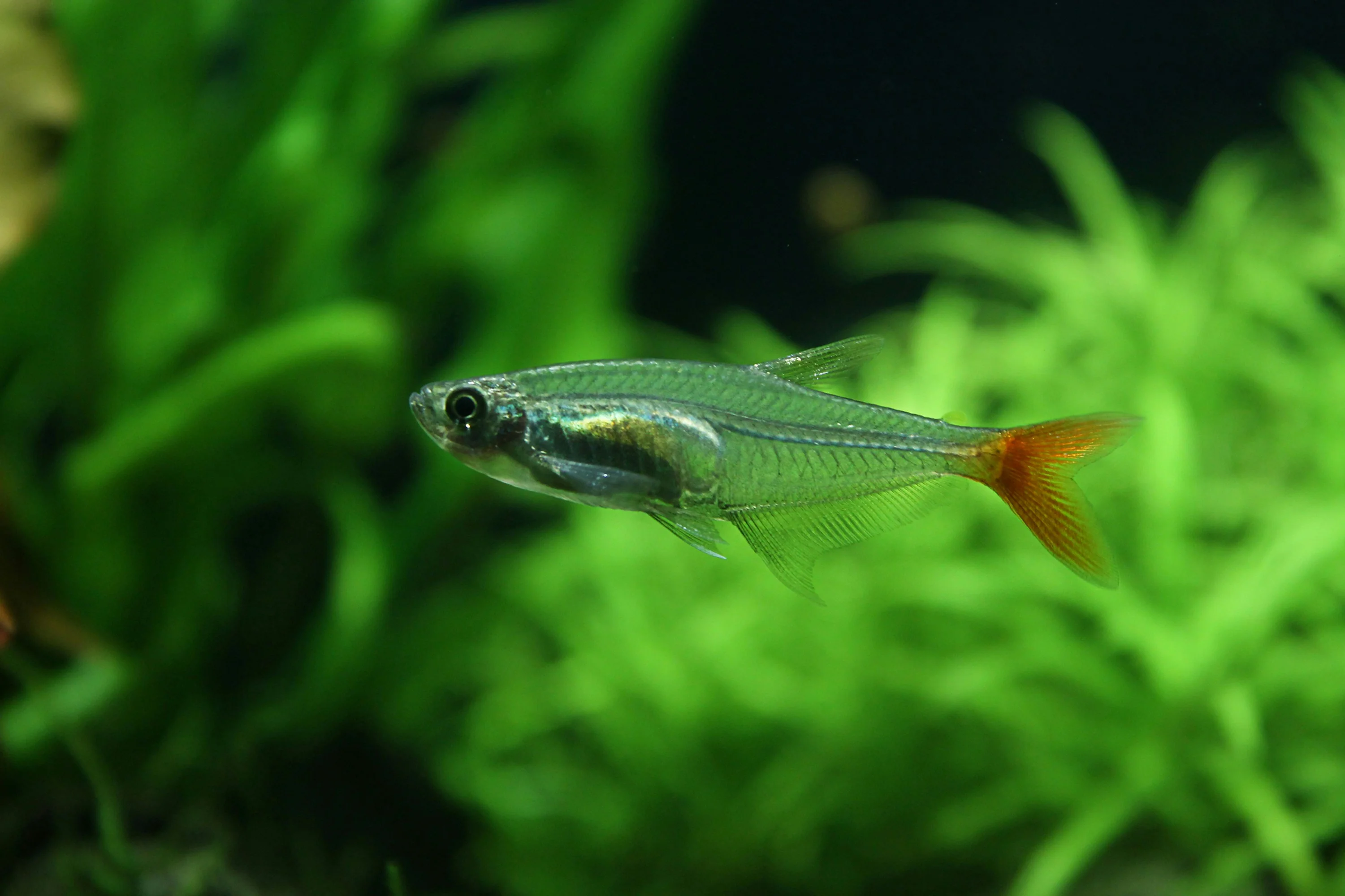
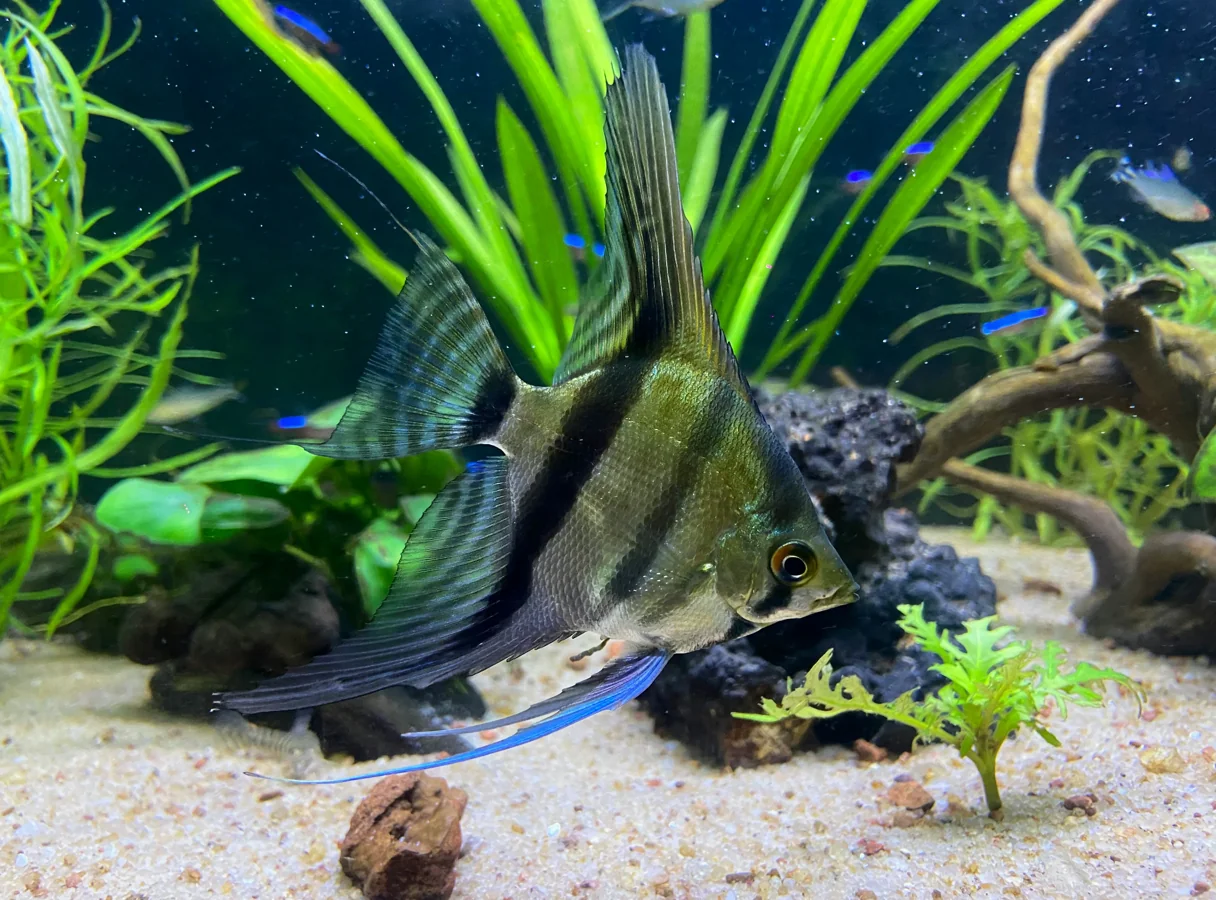
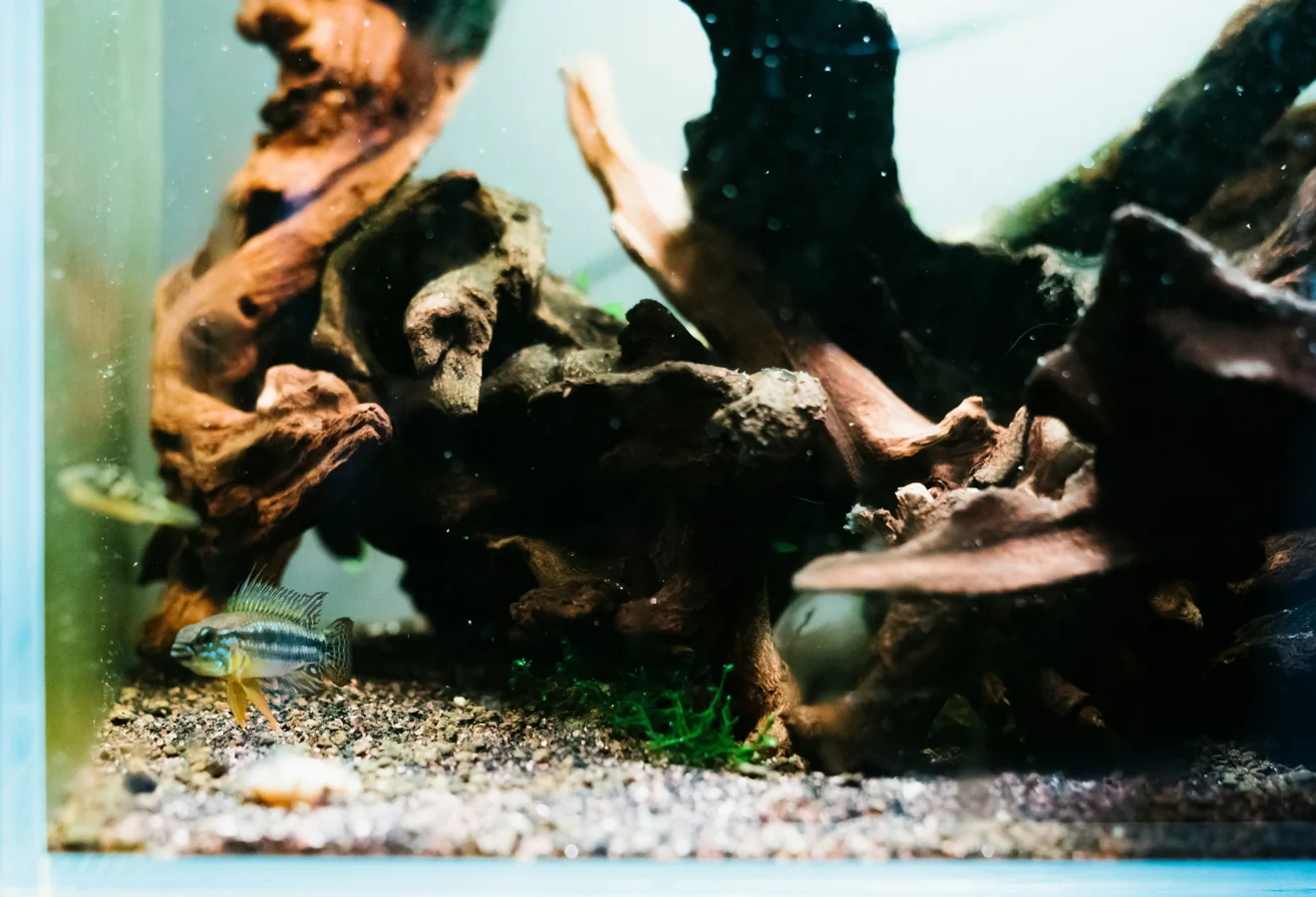
Species Comparison
| Feature | Odessa Barb | Cherry Barb | Tiger Barb | Rosy Barb |
|---|---|---|---|---|
| Scientific Name | Pethia padamya | Pethia titteya | Puntigrus tetrazona | Pethia conchonius |
| Max Size | 2.5 in (6.4 cm) | 1.4 in (3.5 cm) | 3 in (7.6 cm) | 6 in (15.2 cm) |
| Temperament | Peaceful | Peaceful | Semi-aggressive | Peaceful |
| Minimum Tank Size | 30 gal (113 L) | 15 gal (56 L) | 30 gal (113 L) | 30 gal (113 L) |
| Diet | Omnivore | Omnivore | Omnivore | Omnivore |
| Temperature Range | 68 - 79°F (20 - 26°C) | 72 - 79°F (22 - 26°C) | 72 - 79°F (22 - 26°C) | 68 - 79°F (20 - 26°C) |
| Special Trait | Crimson male stripe; cooler water | Deep red males | Black stripes; fin nipper | Large size; pink coloration |